
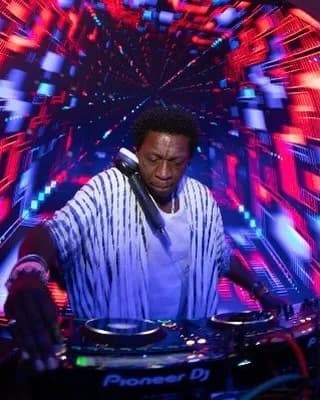
Soulful House Sunday: Designed to soothe the senses following High-intensity, High-BPM Festivals
After years of high BPM overload, the dance music world is craving something with real soul. Slower tempos, gospel vocals, and deep grooves are the new reset.
The Sound of a Scene Finding Its Breath
Something is shifting across the global dance music landscape. After years dominated by relentless tempos, stadium sized spectacle, and aggressive sonic maximalism, a quieter but deeply resonant countermovement is gaining serious ground. Soulful House Sundays, once a niche ritual for dedicated heads, have grown into a recognised cultural format in 2025 and 2026. They represent not just a genre preference, but a broader emotional reckoning with where dance music has been heading and where its most passionate communities want it to go.
The years between 2021 and 2024 saw dance music culture enter a period of extreme overactivity. Clubs reopened and booked relentlessly, festivals expanded dramatically, DJs accepted every gig available, and audiences attempted to attend everything at once. It felt euphoric at the time, but the pace was unsustainable. By 2025, the consequences were undeniable: artist burnout, exhausted crowds, and a growing sense that the culture had become louder but significantly thinner.
That exhaustion has created fertile ground for something warmer and more considered to flourish.
What Soulful House Actually Sounds Like
To understand why this format resonates so strongly, it helps to understand what soulful house music is at its core. Rooted in a four on the floor beat, gospel influenced vocals, groovy basslines, and hypnotic rhythms, house music has always captured something essential about dance culture, an invitation to release, connect, and move.
Soulful house takes those foundations and leans deeper into the human element. Its sub genres include gospel house, vocal soulful house, jazzy house, and Latin house, all of which share a common thread: a strong emphasis on soul, gospel, and jazz influences that give the music its warmth and emotional texture.
Modern artists are now taking these foundational house elements, sweeping jazz chords and classic drum machine programming, and elevating them into genre fluid, cinematic sounds that feel genuinely contemporary without abandoning the genre's roots.
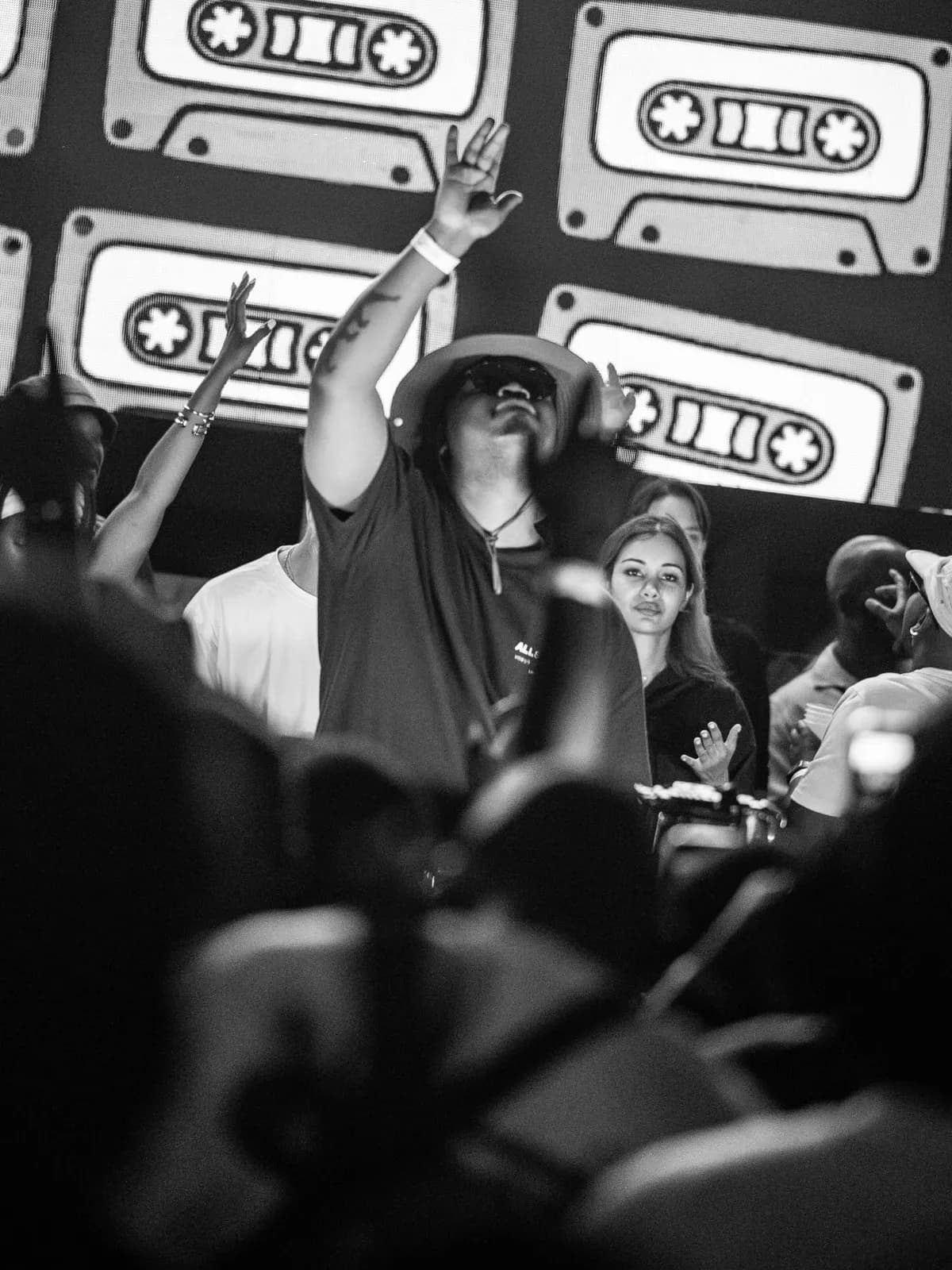
This is precisely the quality that makes soulful house such an effective palate cleanser after a summer of high intensity festival experiences.
The DJs Carrying the Flame
No conversation about soulful house in 2025 and 2026 is complete without acknowledging the figures who have shaped its identity.
Black Coffee, ranked among the top DJs globally by DJ Mag in 2025, remains one of the most influential figures in dance music. He is widely recognised for fusing African instrumentation with deep, soulful house, having helped bring Afro house to a global audience and transform it into one of electronic music's most significant sounds. His sets at venues ranging from intimate clubs to Tomorrowland demonstrate exactly what soulful house can do at any scale.
DJ Spen, a Baltimore based veteran, continues to be a cornerstone of the soulful house world, celebrated for productions that carry the spiritual weight of gospel and the rhythmic intelligence of classic Chicago house. Meanwhile, the late Frankie Knuckles, forever the godfather of house music, remains the genre's moral and artistic compass. His ability to wring genuine emotion from a dancefloor, blending sentimental selections with euphoric energy, set a standard that contemporary soulful house DJs still measure themselves against.
Artists like Black Coffee, Ben Bohmer, and Tale of Us are leading the evolution toward melodic and emotionally grounded house sounds, with streaming platforms showing increasing interest in tracks that combine organic percussion, deep grooves, and emotionally resonant melodies.
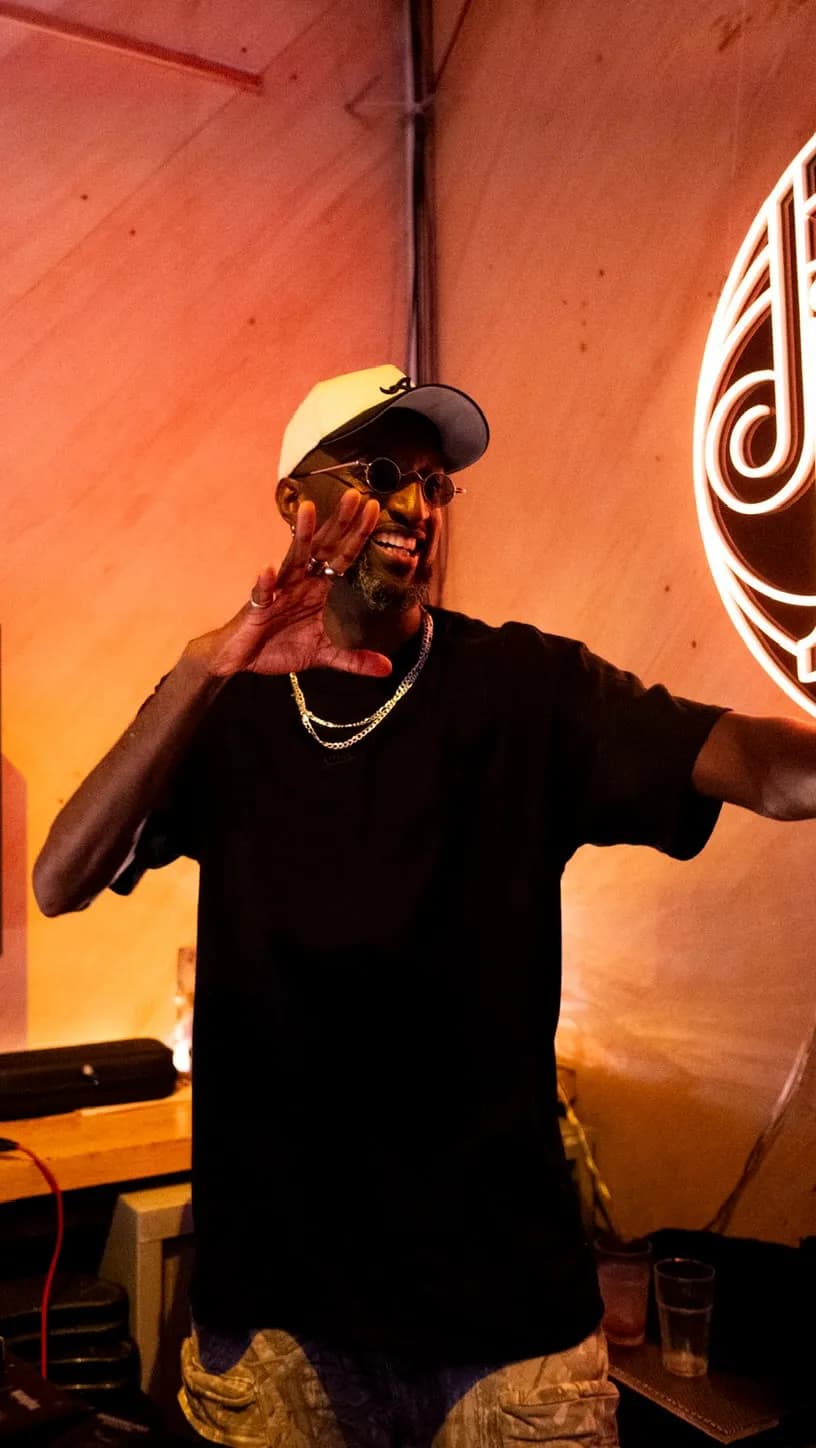
Why Sundays? The Recovery Ritual Explained
The choice of Sunday as the anchor day for this movement is no accident. After a weekend of high BPM techno, bass heavy festival stages, and relentless peak time programming, Sunday functions as the cultural exhale.
From 2021 to 2025, DJ sets were frequently shaped by overbooked schedules that encouraged efficiency over artistry. DJs focused on immediate impact, familiar tracks, and predictable set arcs, producing what can be described as a global sound of safe maximalism: loud, fast, recognisable, and instantly gratifying but rarely emotionally nourishing.
Soulful House Sundays offer the antidote. The tempo drops, typically settling between 118 and 124 BPM rather than the punishing 135 to 150 BPM ranges common in peak time techno and hard groove. The lyrics reappear. The chord progressions breathe. The dancefloor becomes a place not just to exert energy but to process it.
Events like We House Sundays in South Africa, founded to serve deep house lovers who wanted to socialize through good music in a welcoming setting, exemplify the ethos that defines this movement, bringing together communities around music that feels personal and unhurried.
Looking Ahead: Feeling as a Feature
In 2026, dance music is undergoing a quiet but meaningful recalibration. DJs who once played three cities a week are now choosing depth over volume, adjusting their sets to the room, taking creative risks, and restoring a sense of occasion to each performance.
Soulful House Sundays sit right at the centre of that shift. They are not a retreat from electronic music but a return to its most human qualities: warmth, storytelling, spiritual energy, and groove that serves the body and the soul equally. As the festival circuit continues to chase bigger and louder, this movement quietly reminds us that the most powerful moments on a dancefloor are rarely the loudest ones.
Read Next
Stay in the loop
Asian electronic music, weekly