
Tech House vs Minimal: The Groove Clash Redefining Club Floors in 2026
House divided: Mainstage tech house owns charts and fests, but underground minimal on rare vinyl rules warehouses for true heads. 90s Wiggle grit vs 2026 arena shine. Which holds the genre's heart? Full story uncovered.
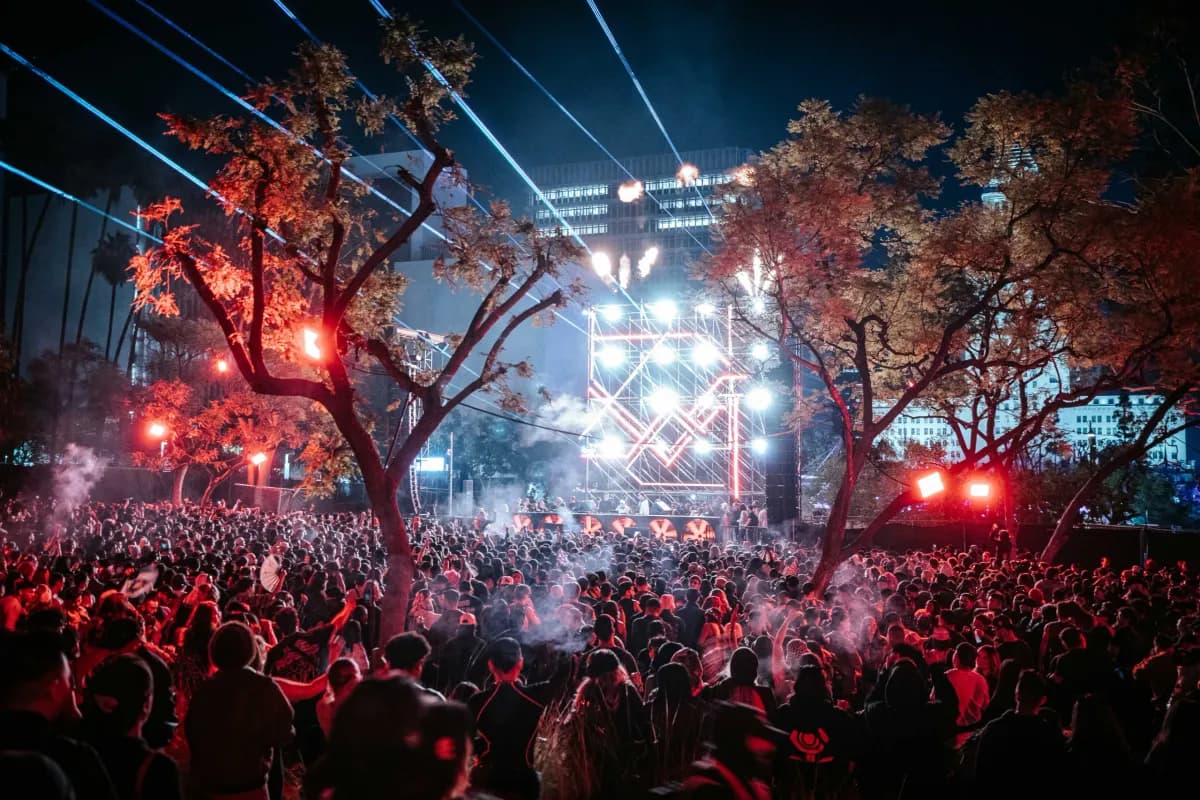
As mainstage tech house continues to dominate streaming charts and festival poster real estate, a growing number of artists and listeners are turning their backs on it entirely, drawn instead toward the deeper, slower, and more patient grooves being championed in underground warehouse spaces around the world.
There is a version of tech house that fills arenas and dominates Spotify charts. And there is a version of tech house that gets pressed on 200 copy vinyl runs and played in converted warehouses to crowds who know every artist lineup by release catalogue rather than by social media following.
The debate between tech house and minimal matters now more than ever as both versions of house are thriving. But the distance between them has never felt wider, and the conversation about which one represents the soul of the genre has never been louder.
Where it all started
In London's mid 1990s club era, tech house took shape as DJs from nights like Wiggle merged Detroit techno's tight beats with American house's funky bounce. What arose was a raw trance like vibe ideal for dark locations and marathon mixes free of dramatic breakdowns or hype vocal snippets thriving on subtle progression that hooked crowds through sheer persistence.

Pioneering labels including Minus, Perlon, and PIV nurtured a purer minimal deep variant staying true to those beginnings by emphasizing nuanced rhythm and depth ahead of flashy effects or mass market polish. Their output stressed utility and intent treating the floor as a space for sustained flow over a rush of high energy spikes.
The Festival Power Shift
Something shifted around 2018 and 2019. Certain artists began taking the rhythmic framework tech house and amplifying everything about it for much larger environments. Basslines became more fiercer and targeted the mid range drive. Vocal hooks became shorter and catchier, designed for recognition rather than atmosphere. Kicks became louder and tighter, created to translate across large festival sound systems rather than intimate club speakers.
This created a genre style primmed for huge audiences. Dom Dolla, Mau P, Max Styler, Chris Lake, and John Summit harnessed it to gather large international crowds turning an obscure club sound into shows for tens of thousands at once. Tech house quickly rose as a leading seller in electronic music. Even so in some crowds, the way in which tech house was changed and adapted tells the full story. One Mixmag review pointed out that this former bold club experiment now feels to its creators like a standard recipe cut off from its core essence.
The Warehouse Response:
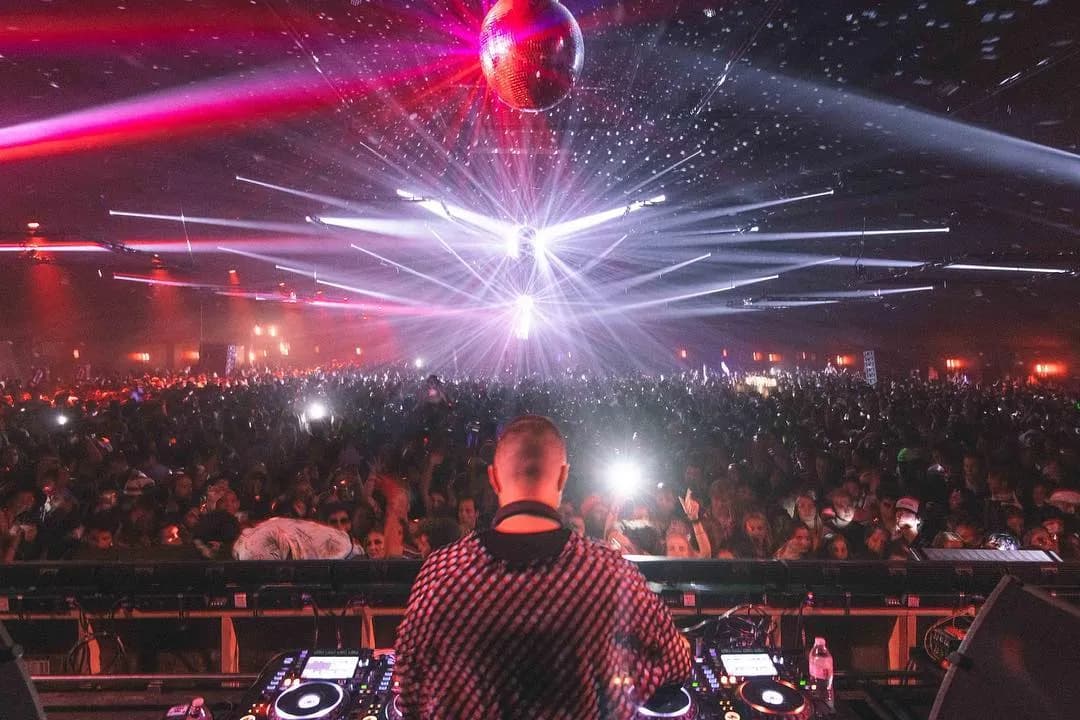
While mainstage tech house continues to grow its crowds, the underground has silently been constructing something in the completely different direction. Across warehouse parties in London, Berlin, and Chicago, and through a cluster of labels releasing limited vinyl runs to deliberate, niche audiences, a resurgence of minimal and deep groove focused house music is well underway in 2026.
Labels such as PIV, Solid Grooves, and the various imprints working within the deep tech and minimal house space are releasing music that moves slowly, breathes, and values what is left out over what is put in. The production philosophy is closer to reduction than addition. Rumbling basslines, glitchy textures, and tight hypnotic percussion lopos take more importance over the punchy, immediately noticeable hooks that mainstage tech house has made its signature.
Artists operating in this space are not chasing algorithmic placements or festival bookings. They are chasing something closer to the original spirit that Terry Francis, and Richard West (Mr. C) were going after in 1990s, when tech house was understood to be an attitude toward DJing rather than a genre with a fixed set of sonic instructions.
Two audiences, one genre name
The core of the debate is a question about authenticity and ownership. Can both versions of the music reasonably share the same genre label? Producers working in the minimal and deep tech space argue that what passes for tech house on a festival mainstage in 2026 has more in common with commercial EDM than with the stripped back, groove centred sound that gave the genre its identity. Those on the other side point out that genre evolution is natural and that accessibility is not the same as compromise.
What is harder to argue with is the observable shift in where certain kinds of listeners are choosing to spend their time and money. Warehouse events build around minimal and groove forward events are selling out more often than not, which means its rising. Vinyl sales in the minimal and deep tech house space have been growing too. The underground is not retreating. It is consolidating, and in some communities it's growing.
Whether mainstage tech house is losing ground in any meaningful sense is debatable. It commands far larger audiences than the underground scenes ranged against it. But the argument being made in warehouses, on record store shelves, and across the more discerning corners of club culture is not really about numbers. It's about what the music is for, and who it is made to serve. That argument doesn't look like it is going away any time soon.
Read Next

Stay in the loop
Asian electronic music, weekly