
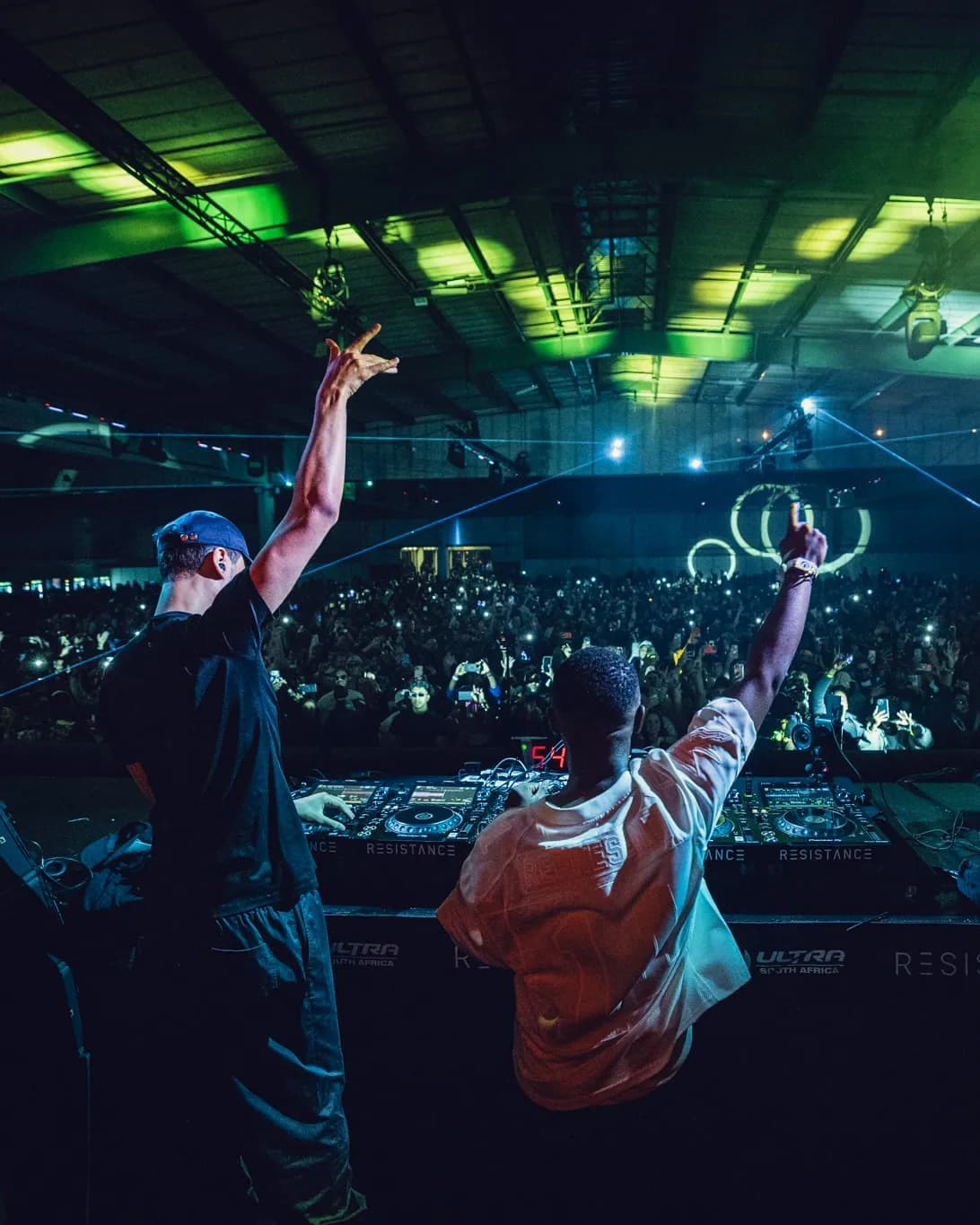
Afro House Takes Over: The New Heart of Modern House in 2026
Afro House is no longer circling the edges. In 2026, it is shaping clubs, festivals, and the whole modern house conversation with deep grooves, emotional tension, and serious dancefloor pressure.
Afro House is not just having a moment. It is steering the whole room. In 2026, the sound has moved from late night secret weapon to front and center force, shaping festival lineups, club sets, and the way modern house music hits the dancefloor.
What used to feel like a niche lane now feels like the main pulse. The genre's mix of percussion, rolling basslines, organic textures, and slow burn tension has made it one of the most flexible sounds in dance music right now. It works in sweaty clubs, sunrise sets, beach stages, rooftop parties, and those long nights where nobody wants the music to stop.
Why it keeps hitting
Afro House works because it breathes. The best tracks are not trying to bulldoze the crowd. They build, swirl, tease, then snap the room into motion. That balance has helped the sound connect with both underground crowds and big festival audiences.
There is also the emotional side. The genre leans hard on atmosphere, vocals, and rhythm that feels human, not mechanical. That gives it a pull that a lot of harder, more rigid house records just don't have right now. It doesn't just move feet. It rewires the room.
Another reason the sound keeps growing is that it fits the way people want to party in 2026. The vibe is less about brutal peak hour repetition and more about stretch, journey, and release. That makes Afro House a perfect fit for long format sets, open air stages, and sunset to midnight stretches where the crowd wants motion with feeling.
The artists driving it
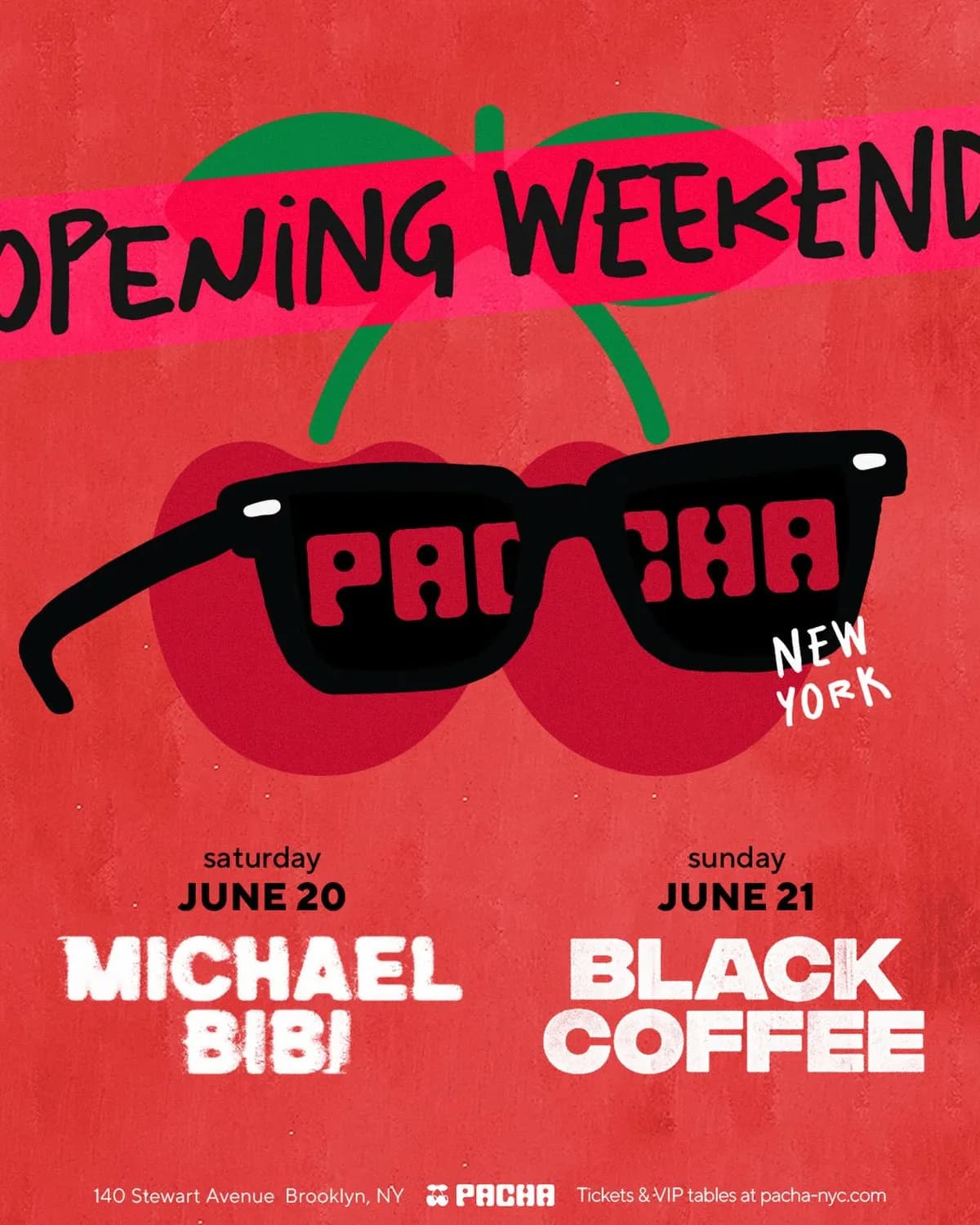
Black Coffee remains one of the clearest faces of the sound, with 2025 and 2026 touring activity keeping him visible across major cities and venue conversations. He still represents the global standard for what Afro House can do when it scales up without losing its soul.
Themba is another name that keeps coming up in the same breath. His approach sits at the melodic, emotional end of the spectrum, vocal led, deep, and built for rooms that want to feel the music as much as move to it. With a run of sets across Hi Ibiza, Pacha, and major European festivals, he has become one of the genre's most consistent live arguments for why Afro House belongs on the biggest stages.
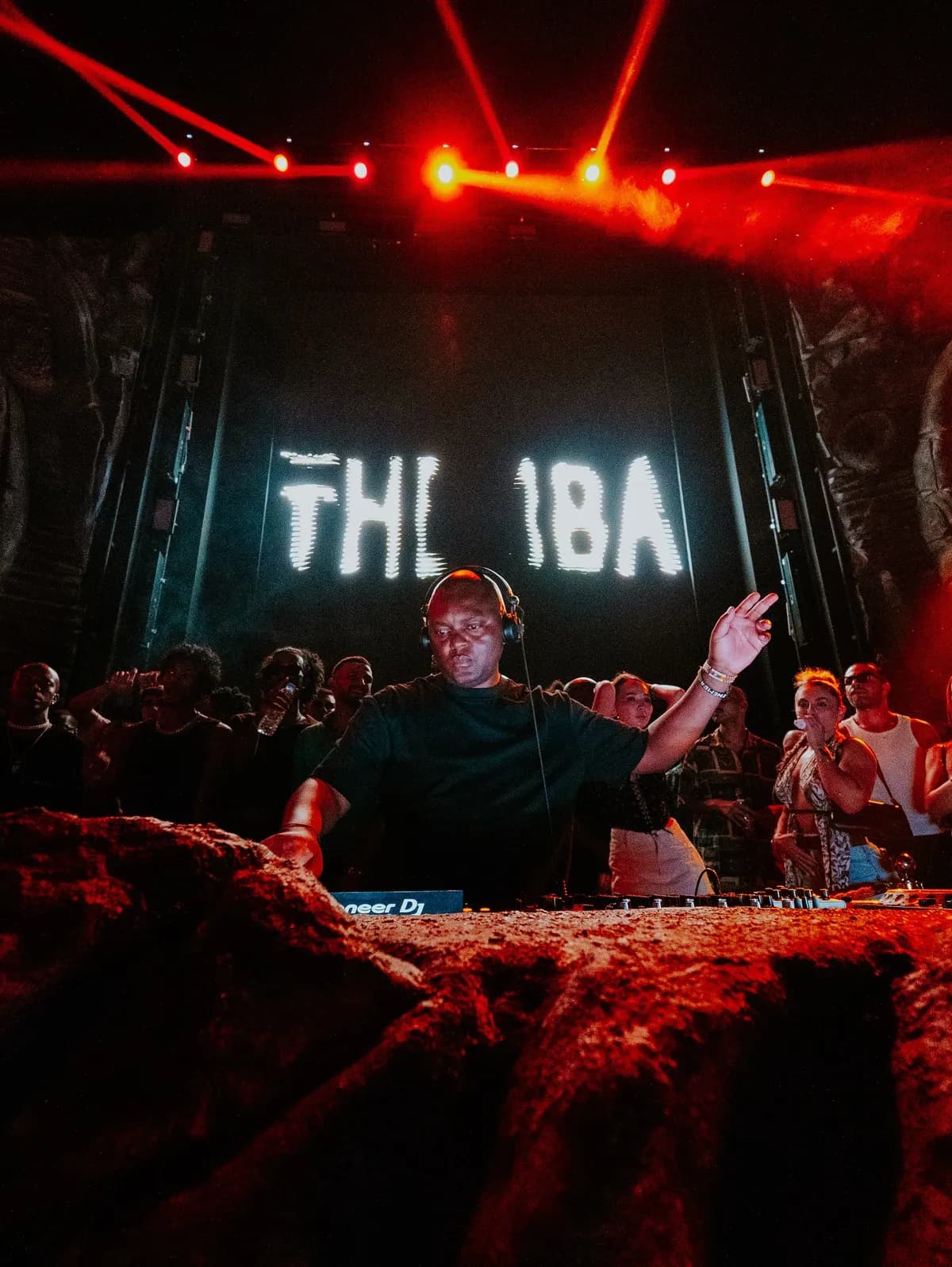
AMEME is also part of the current wave pushing the genre into bigger rooms, with recent lineup news placing Afro House squarely in the spotlight. Around them, the wider ecosystem keeps expanding. Labels, DJs, and festival curators are treating Afro House less like a side dish and more like the main course.
That shift matters because it changes how the genre gets heard, booked, and built into modern house sets. It's not just a sound anymore. It's a booking language.
From clubs to festivals
The sound has become a bridge genre, which is probably why it is everywhere. It slides between organic house, Afro Tech, amapiano influenced rhythms, and melody driven house without losing its identity. That flexibility makes it dangerous in the best way. It can warm up a room or own the peak hour without feeling out of place.
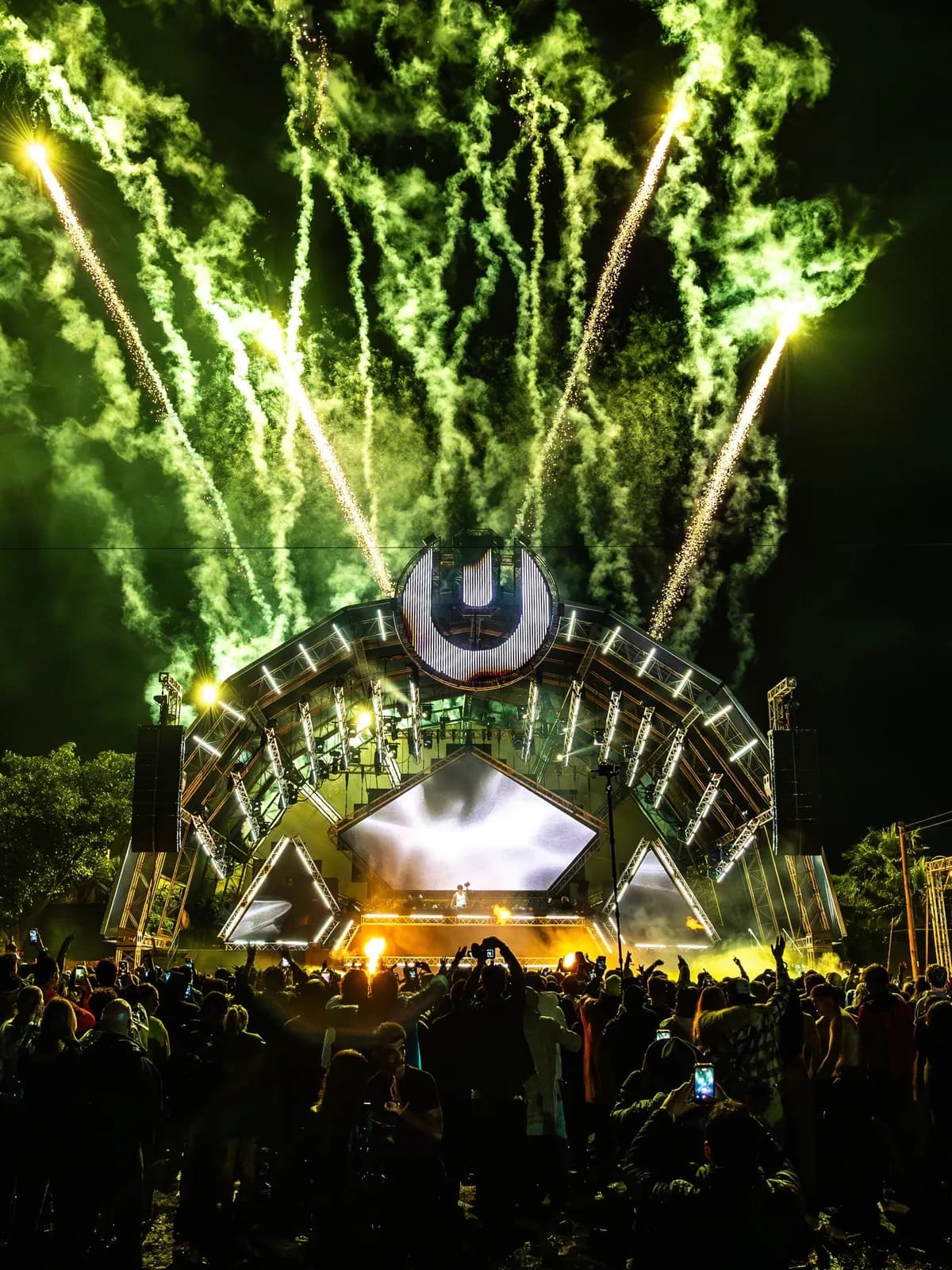
Festival calendars in 2026 reflect that reality, with Afro House and adjacent sounds showing up across global events and dedicated party series. You see it in touring platforms, beach stages, and major club programs. The genre is no longer waiting to be invited in. It is already on the guest list and somehow also controlling the booth.
What it means now
Afro House in 2026 feels like the heart of modern house because it understands mood. Its rhythmic without being cold, soulful without being soft, and powerful without needing to scream for attention. That is a rare lane, and the scene is clearly responding.
The bigger shift is that Afro House is no longer being treated like a special moment in a set. It is becoming the set. From open air festivals to packed club basements, the genre keeps proving that depth still works when the floor is ready to sweat for it.
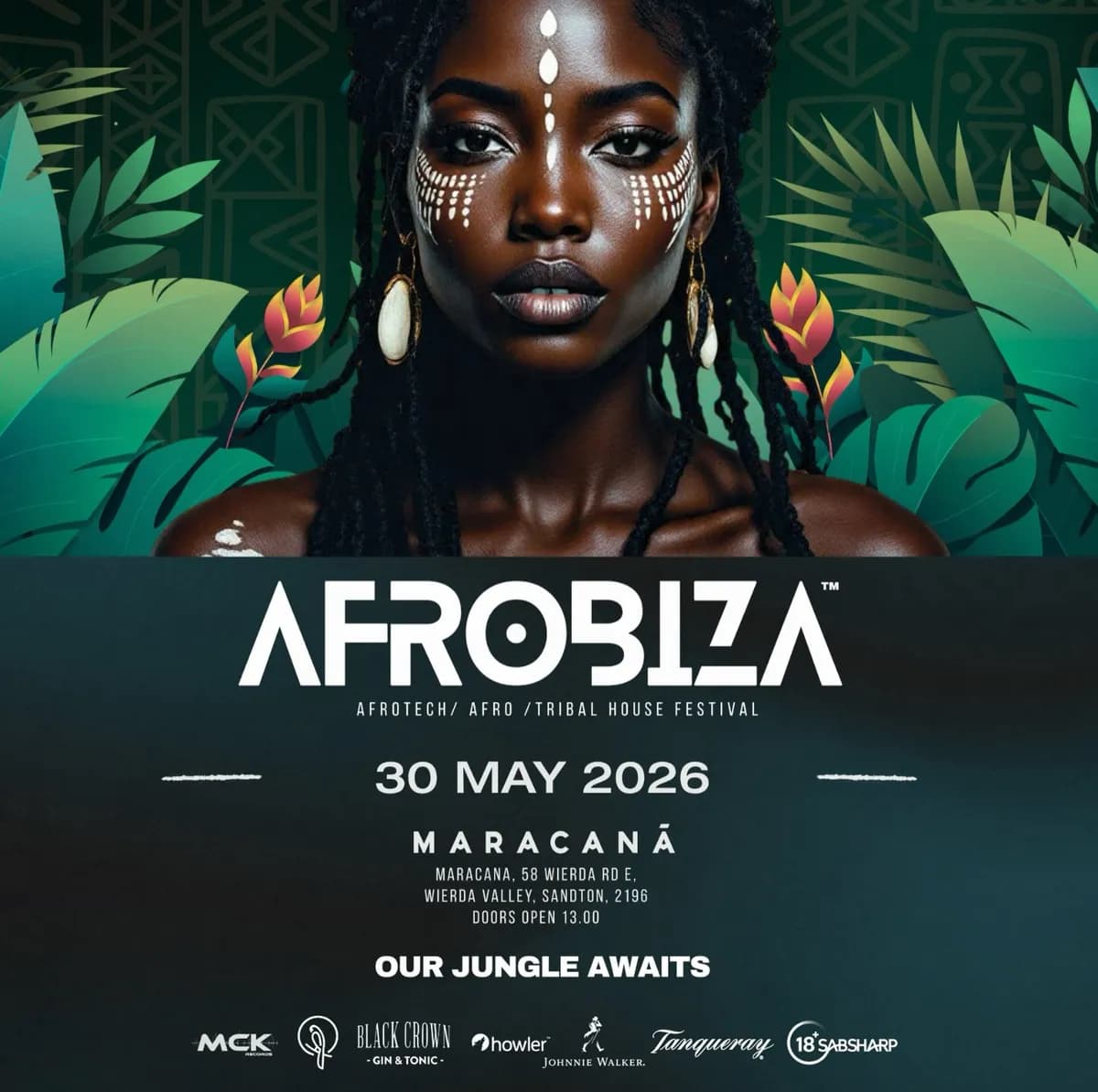
This is why promoters keep booking it, why DJs keep leaning on it, and why crowds keep getting pulled back in. Afro House does not chase attention. It locks in, builds pressure, and leaves the room changed.
Read Next

Stay in the loop
Asian electronic music, weekly