
Tag
Afro House
Afro house in Asia: the sound's rapid rise across the region's clubs and festivals, its headliners and local interpreters.
13 articles
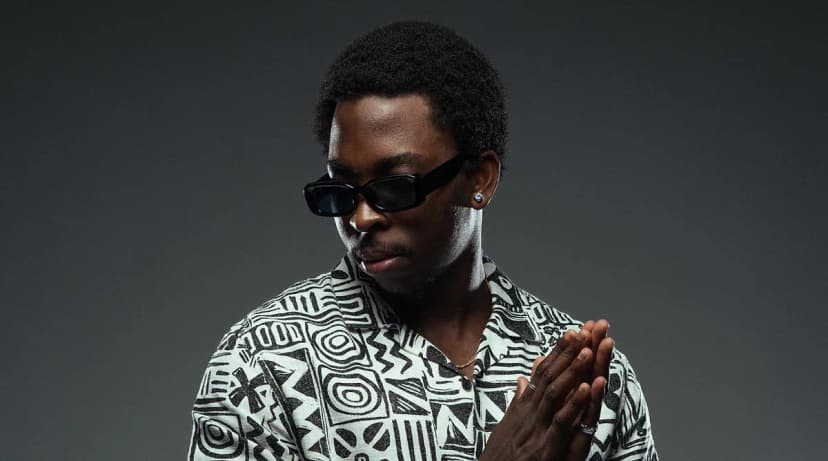
DJ Hydra Returns to Hong Kong's Soho House on October 17
The Nigerian Afro house DJ headlines Hydra's House at Soho House Hong Kong on October 17, back in the city where he held a residency at The Trilogy.
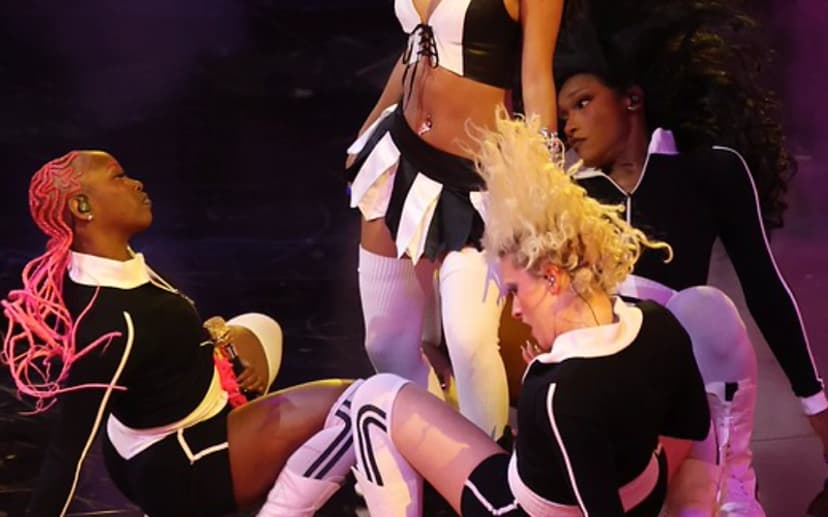
Amapiano, Explained: The Sound Behind Tyla's Grammy, and Southeast Asia's Only Weekly Home for It
Tyla's Grammy-winning "Water" made amapiano a global search term. In Southeast Asia's house and techno scene, it still has exactly one standing weekly night.
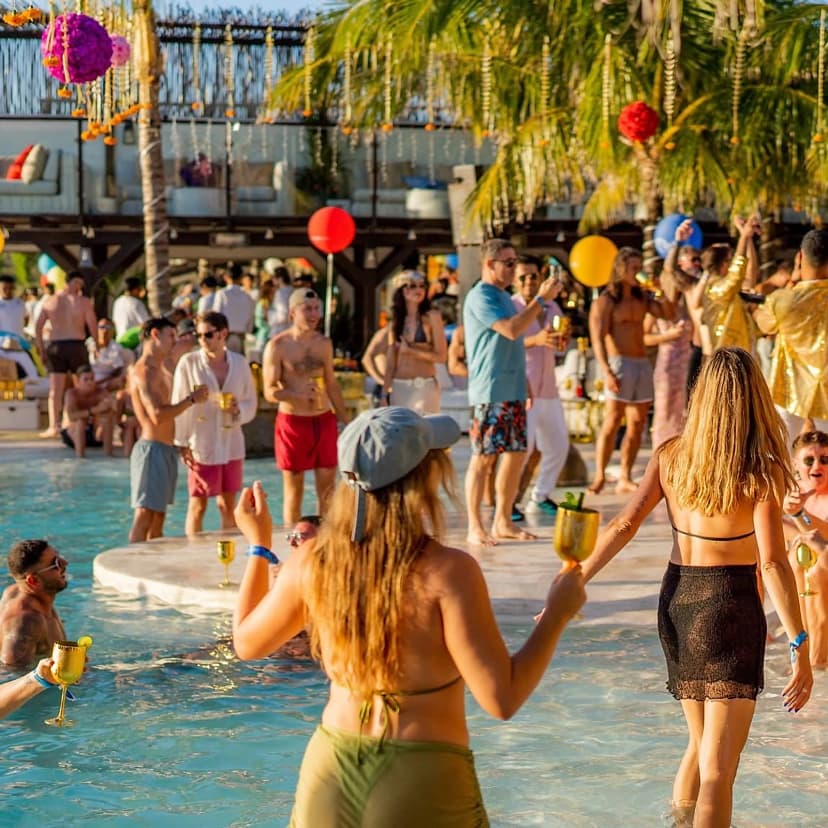
Bali's Day Parties: Where House and Techno Start Before the Sun Goes Down
On the Bukit peninsula, the party doesn't wait for dark. Here's how Bali's day-into-sunrise circuit actually works, club by club, with what it costs and how to get home.
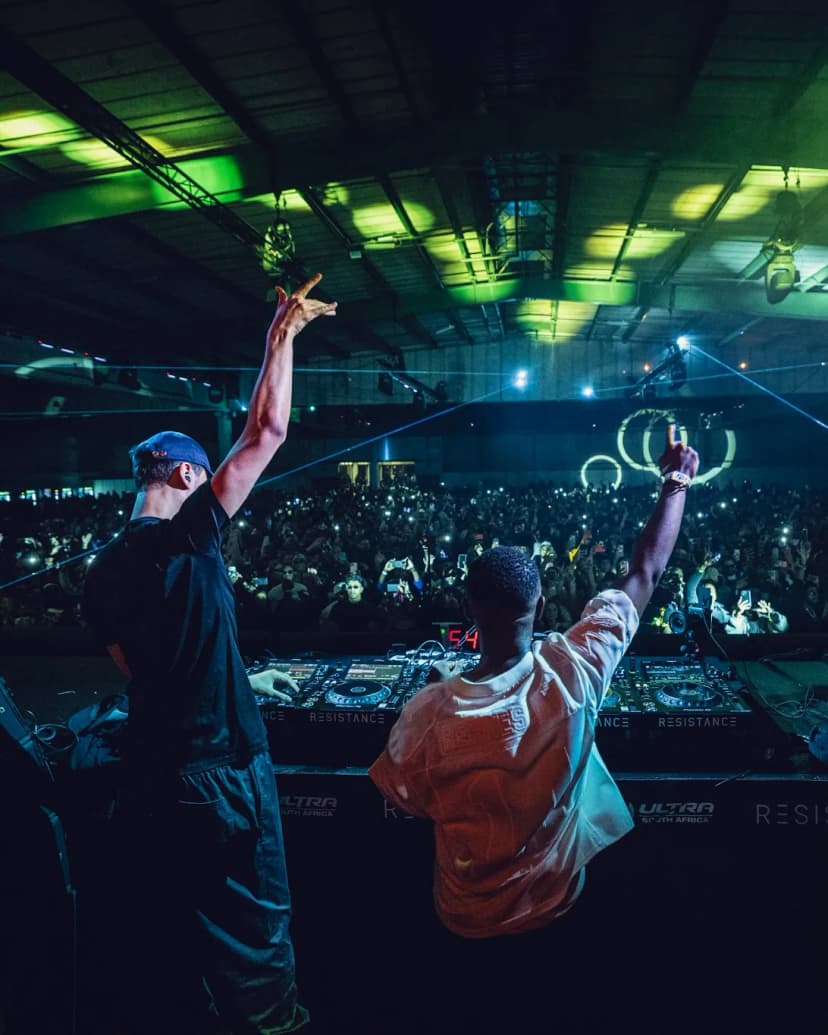
Afro House Takes Over: The New Heart of Modern House in 2026
Afro House is no longer circling the edges. In 2026, it is shaping clubs, festivals, and the whole modern house conversation with deep grooves, emotional tension, and serious dancefloor pressure.
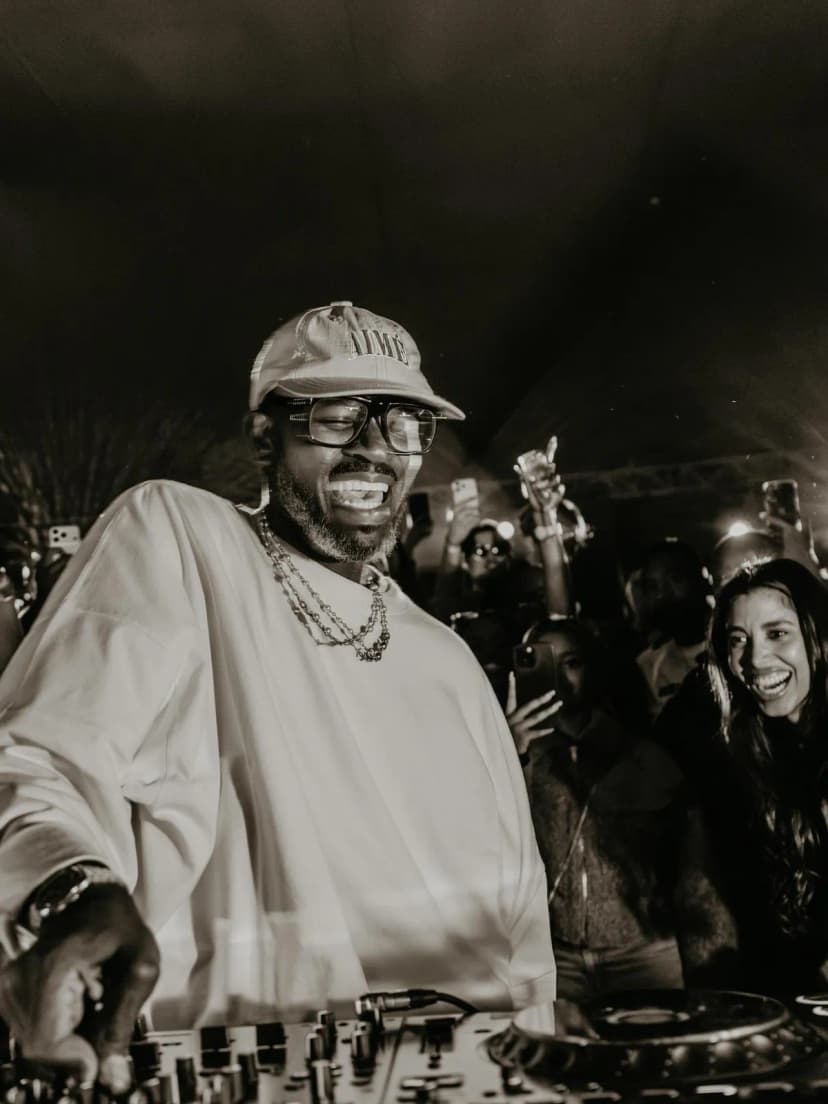
The Man Who Put Africa on the Dancefloor Is Coming for London
There is a moment in every Black Coffee set where time kind of stops. The bass gets deep. The drums get personal. And something that started as house music starts to feel like the entire African continent just sat down in the room with you. That is the thing about Black Coffee. He is not just playing records. He is doing something to the air.
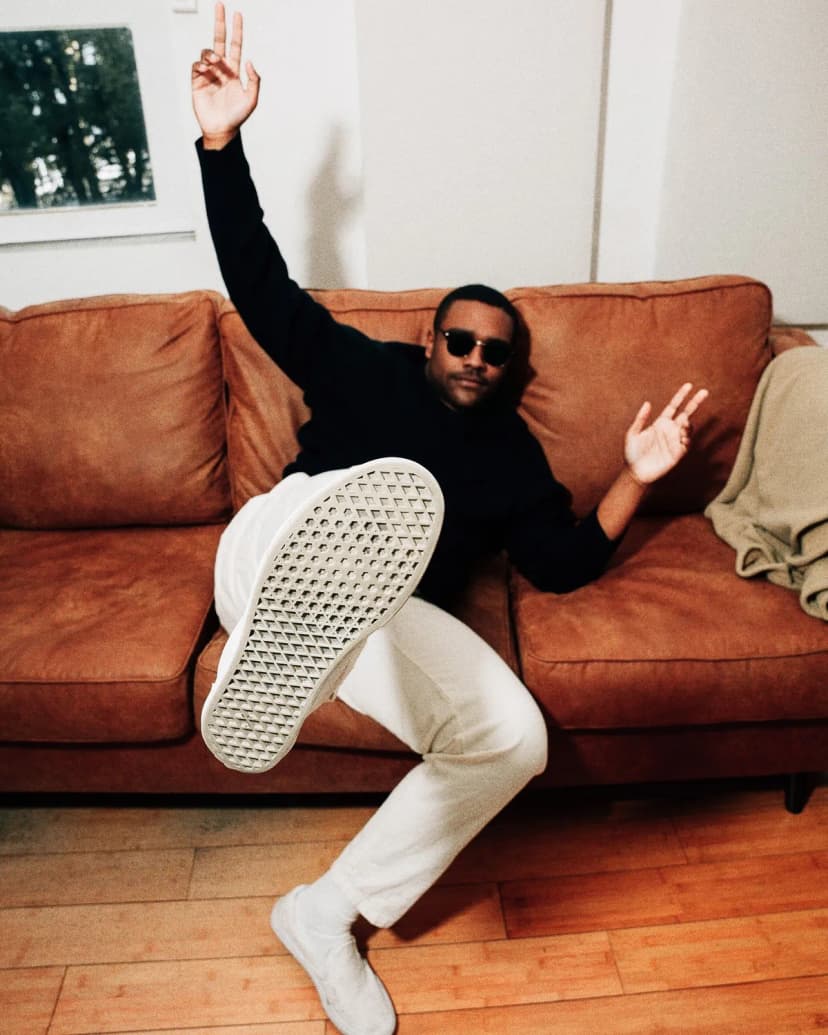
merchant: The Jamaican DJ Giving Afro House a Soul
merchant is the Jamaican born Afro house producer already backed by Black Coffee, Diplo and Pete Tong. He is making dance floor records with real emotional depth and the scene is paying attention.
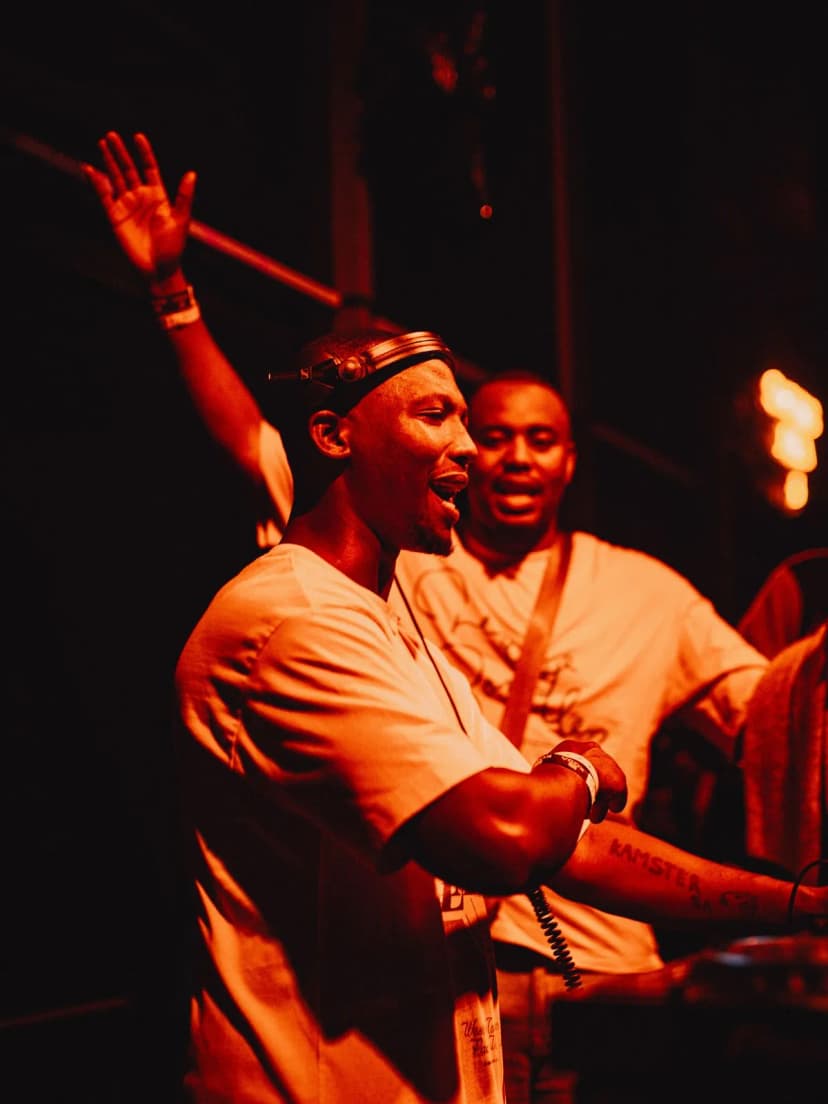
From Carletonville to the Global Dancefloor: JAZZWRLD is Here
South Africa has been cooking something serious and JAZZWRLD is proof. From teaching himself how to produce in Carletonville to landing global features with Tems and Omah Lay, this man's journey is not a coincidence. It is discipline, culture and a ridiculous amount of talent.

Soulful House Sunday: Designed to soothe the senses following High-intensity, High-BPM Festivals
After years of high BPM overload, the dance music world is craving something with real soul. Slower tempos, gospel vocals, and deep grooves are the new reset.
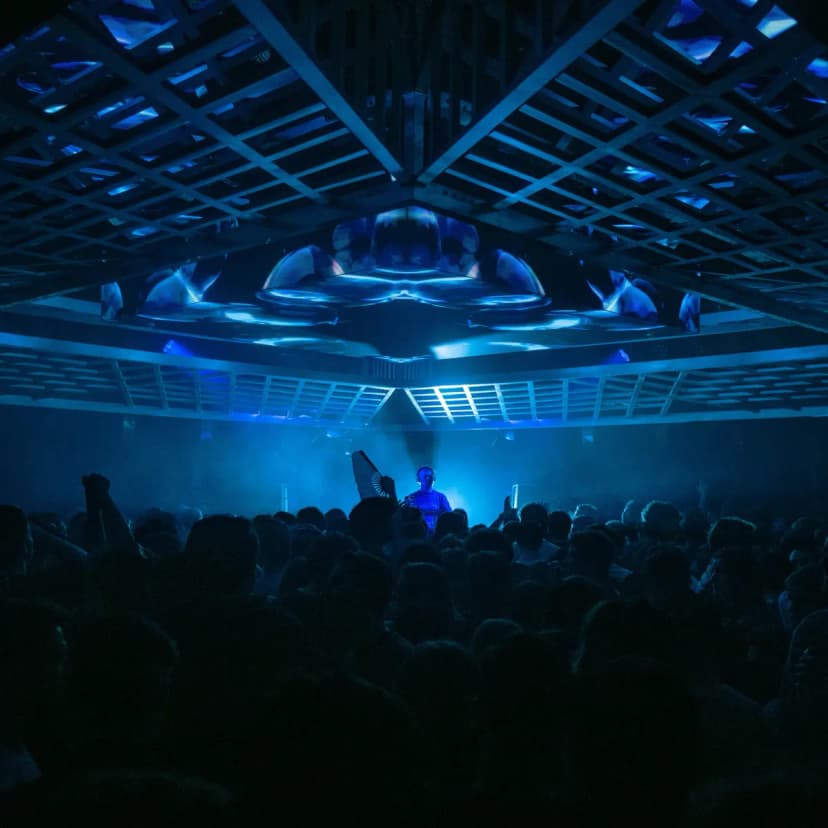
Matroda & Eden Prince Deliver Epic B2B at The BLINK, Ministry of Sound London
Matroda and Eden Prince lit up The BLINK at Ministry of Sound! Epic back-to-back bass bombs and tech house vibes sent London into frenzy.
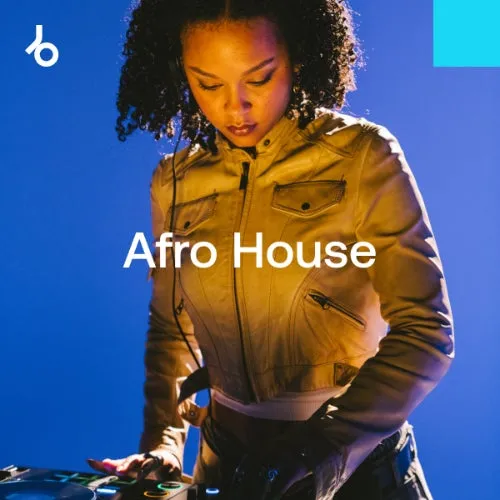
Beatport Removes Afro House from Charts After Genre Becomes “Too Popular”
In a move that has sent shockwaves through the electronic music community, Beatport has announced the immediate removal of Afro House from its genre charts, effective April 1, 2026. Citing concerns that the genre has become "too popular for its own good," the platform will reclassify all Afro House releases under a new category: "Mainstream Dance with Organic Percussion."
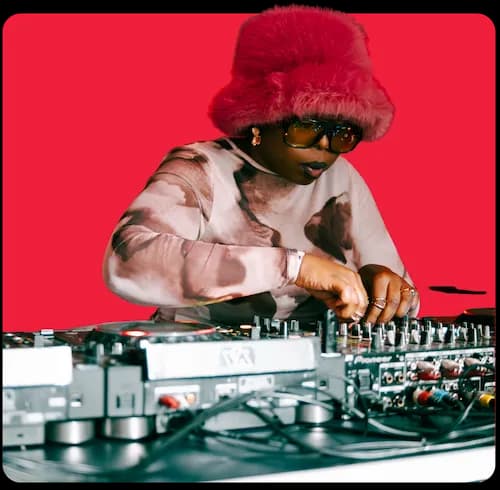
Afro House Named “Sound of 2026” by MIDiA Research and Splice
Industry analysts MIDiA Research and production platform Splice have identified Afro House as the “Sound of 2026.” The designation reflects growing global demand for rhythm-driven house music rooted in African percussion and club-oriented groove structures.
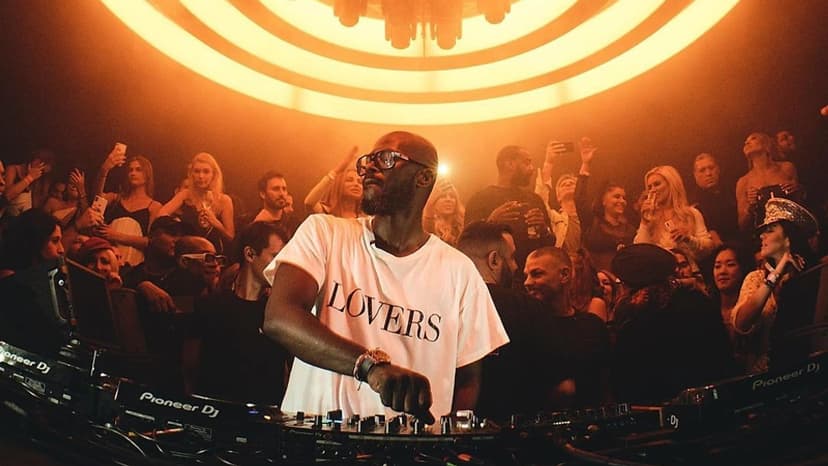
Black Coffee's Saturday Nights Take Over Hï Ibiza
Black Coffee returns to Hï Ibiza with an extended Saturday residency for summer 2025.
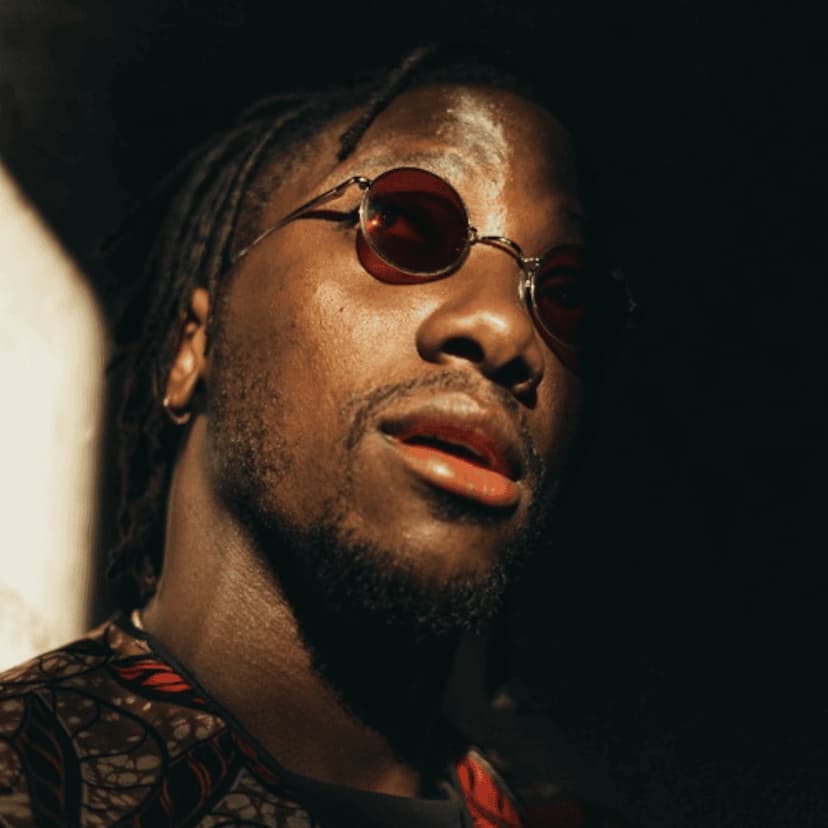
Trend Watch: Afro-House and Global Fusion
House music in 2025 continues to absorb global influences — from Afro-house to Asian electronic scenes.