
DJ Booth Design In 2026: How It Is Being Reimagined
The DJ booth in 2026 is no longer functional afterthought. YONT Studio's sculptural pink DJ booth at the SEVEN record store in Berlin represents a new approach: the booth as monolithic art object rather than technical infrastructure.
The booth was presented at Salone del Mobile 2026 in Milan as part of architectural and design discourse, not just DJ equipment discourse. Simultaneously, the modern DJ booth has evolved into something far more complex a carefully prepared ecosystem of edits, visuals, music stems, and live decisions that shifts depending on the crowd in front of the performer.
This creates a fundamental tension: booths must be architecturally sophisticated and technically flexible. Visually striking and functionally transparent. In 2026, the best DJ booths solve both problems simultaneously.
DJ Booth As Art
Berlin-based architects at YONT Studio transformed a former real estate office on Torstraße into a hybrid record store and cultural space for queer house music label SEVEN. The sculptural furniture from the studio's Brutalist Pink series includes a monolithic DJ booth developed for the store.
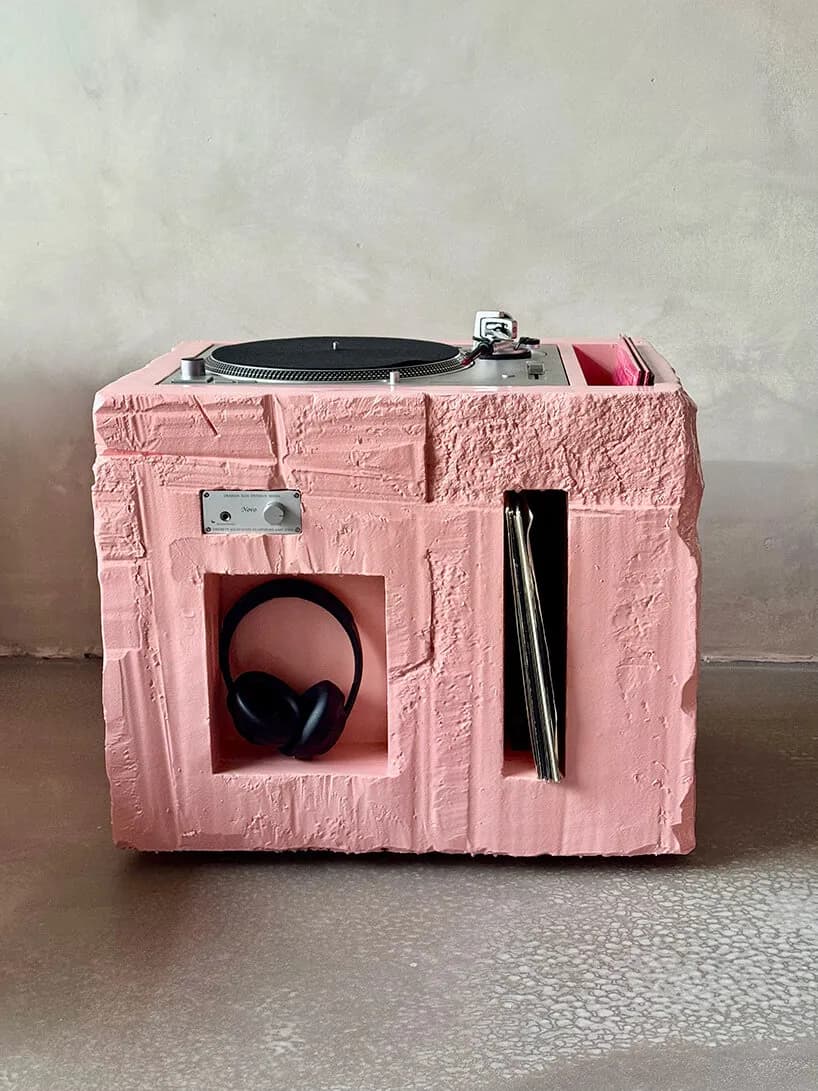
This approach represents the booth is not hidden behind technical specification sheets, it is presented in architectural magazines. The booth is discussed alongside contemporary art and furniture design.
The pink color choice is intentional that it contradicts decades of black-and-white minimalist DJ booth culture. The monolithic form contradicts the idea that booths must be cramped technical spaces. The architectural presentation contradicts the notion that booth design is secondary to booth function which signals permission for booths to be express philosophy through form.
Technical Flexibility
In 2026, compact system must be intelligent, hardware must translate across home studios, monitor rigs, corporate AV room, clubs and festival booths without compromise. DJs evolve faster than the environments that try to contain them, and the importance of selecting the right booth ecosystem rises sharply.
This creates demand for booths that accommodate multiple scenarios:
A booth that works in a 200-person club.
A booth that works in a 50,000-person festival.
A booth that works in a home studio.
The same booth, different contexts, this is different from traditional booth design, where booth structure was fixed to a specific venue.
Modular Philosophy
Parallel to these large-scale, theatrical installations, a quieter revolution is happening in how booths themselves are constructed. This flexibility is becoming a priority. A booth that works for a solo techno set may not work for a back-to-back with multiple performers. A booth that suits a 360-degree configuration requires different sightlines and access points.
JJ Boooth, a Berlin and Paris-based design service, creates custom DJ furniture in close collaboration with clients. Each piece combines knowledge of architecture with cabinet making and musical understanding. Clients send initial emails with needs, desires, and inspirations, then collaborate throughout the design process.
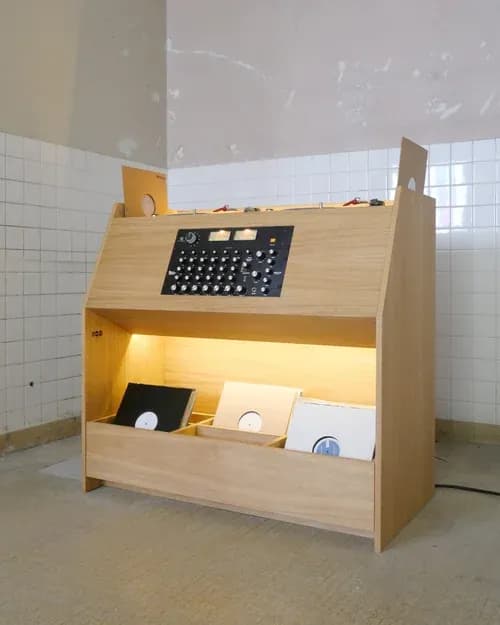
Rather than buying pre-fabricated booths, DJs work with architects and designers to create booths that express their specific philosophy. This represents the custom-booth movement that mades the booths look completely different from each other, yet all function at the highest level.
Sessiondesk’s SessionbloX, launched in January 2026, represents a new approach to acoustic treatment in performance spaces: panels that can be assembled and reconfigured without tools, adapting to different room sizes and acoustic requirements.
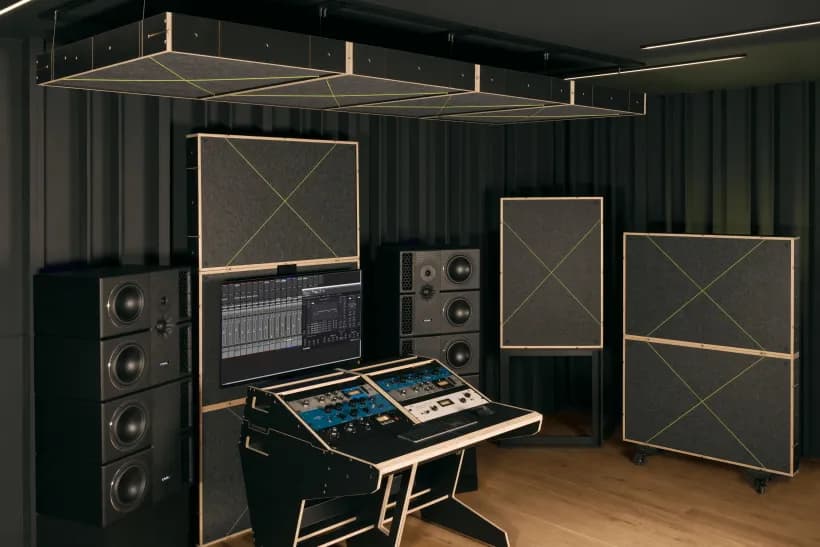
The modular approach serves multiple purposes. It extends the life of infrastructure across multiple events. It reduces waste. And it allows designers to respond to the specific demands of each space a flexibility that fixed, permanent structures cannot provide.
Connectivity Challenge
Industry standards like the Pioneer CDJ-3000 remain staples in booths around the world, paired with a DJM A-9 or V10 mixer. These are often paired with controllers that allow for deeper customization. Controllers trigger samples, loops, and effects in real time. Stems represent one of the biggest shifts in how modern sets are built. DJs can break songs into individual components vocals, drums, bass lines, or melodies and layer them together live, creating mashups that feel spontaneous and unique.
This technical evolution demands different booth design. Booths need space for multiple devices, need cable management that keeps equipment accessible, need ergonomic design that prevents repetitive strain during 6+ hour sets. Theses problems being solved in 2026 transparently, cable management becomes visual design element, equipment placement becomes performance geography.
Curved booth designs are emerging as alternative to traditional rectangular shapes. Some venues have designed DJ booths with curves instead of traditional rectangular shapes, giving clubs a more futuristic feel. The booth connects directly with the dancefloor instead of being separated, allowing artists to interact directly with fans and create unforgettable music experiences.
This removes physical barrier between DJ and crowd. The booth becomes stage rather than fortress. This architectural decision directly impacts the DJ-to-crowd relationship.
Ministry of Sound’s main room, The Box, has operated with a clear architectural hierarchy: DJ above, crowd below. In January 2026, as part of the most significant renovation in the club’s history, the DJ booth was lowered into the crowd and rebuilt as a modular structure.
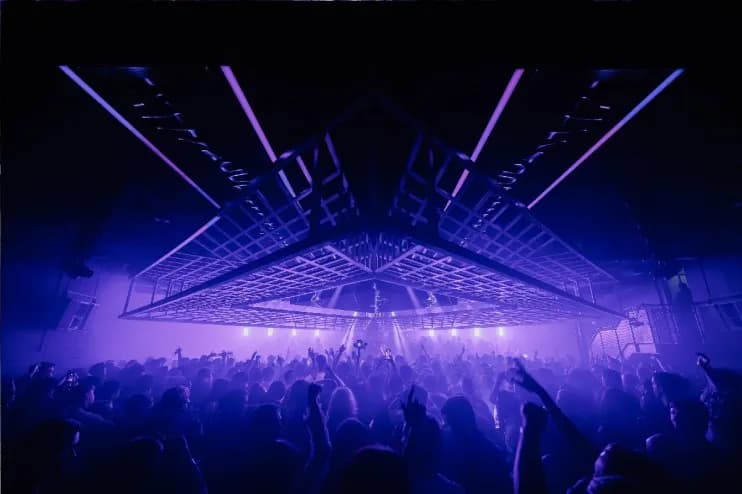
No longer a raised platform, it now sits at the same level as the dancers, surrounded by an elevated backstage area that adds capacity while reshaping the room’s flow. The new design allows for multiple stage formats, including 360-degree setups where the performer is encircled by the audience.
Across Europe, promoters and venues are experimenting with booth placement as a tool for intimacy. The logic is simple: when the DJ is accessible, the connection becomes visceral. When the booth becomes a hub rather than a pedestal, the dancefloor reorganizes itself around it.
Lighting Integration
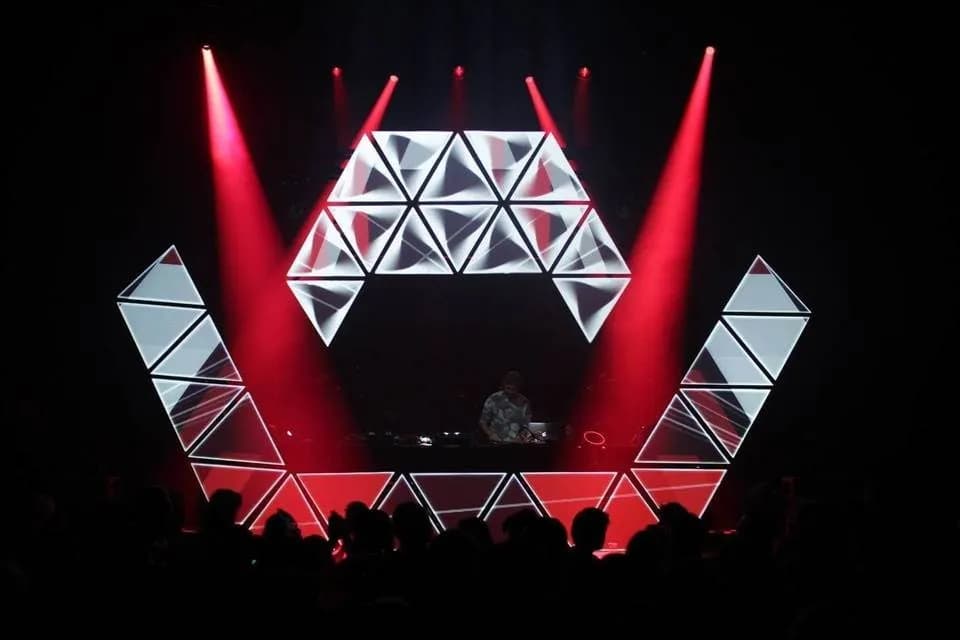
Lighting is integrated into booth design from the beginning. LED screens are built into booth structure in 2026. This changes how booths photograph. Social media images of booths now show sophisticated lighting design. The booth becomes visually compelling even when music is not playing.
Visual design has always been secondary to sound in club culture. The Ministry of Sound renovation included a 9㎡ state-of-the-art overhead light installation and new video and lighting design by Lucid Creates, the studio behind stages for Pacha Ibiza, Glastonbury, and Boomtown. The design features a vast, multi-layered metal structure suspended above the dancefloor, combining reflective frameworks, integrated video screens, and bespoke LED bar technology that creates a constantly evolving visual experience.
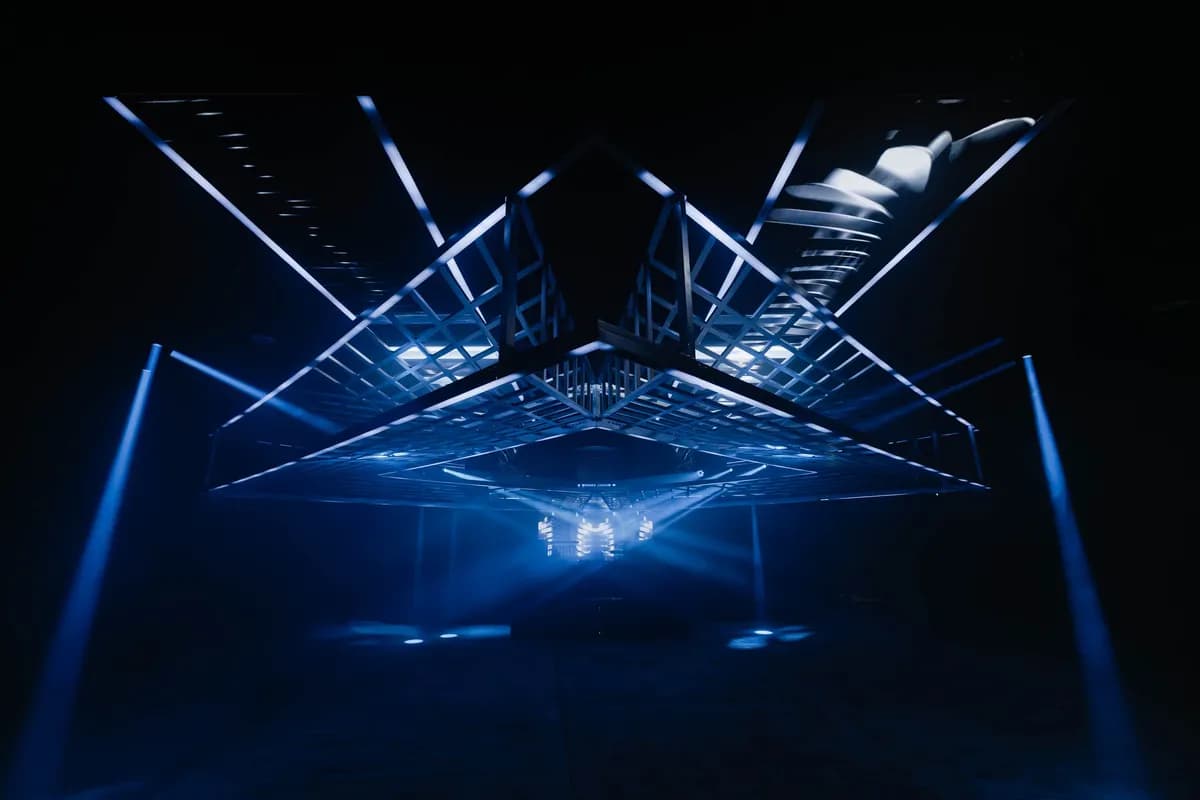
This integration of booth and lighting design represents a significant evolution. Previously, the booth was something the lighting illuminated. Now, it is something the lighting extends. The performer is not a silhouette against a backdrop but a figure embedded in a luminous environment.
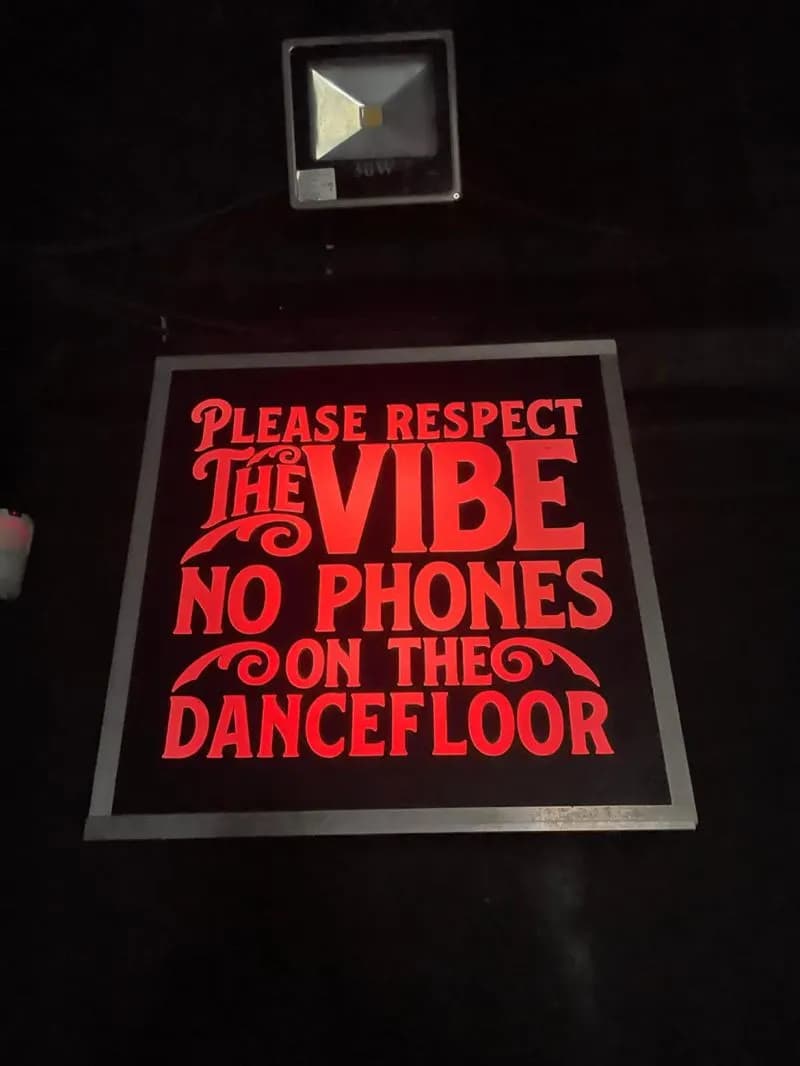
The blurring of the line between artist and audience speaks to a desire for connection that the past decade’s arena-sized, phone-dominated events have eroded. When the DJ is in the crowd, when the booth surrounds rather than towers, the experience becomes communal rather than spectatorial. The booth is no longer separate from venue design, it is fundamental to venue identity. A club's booth design communicates the club's philosophy before the first record spins.
The question these designers are answering is not “how do we make the DJ look important?” It is “how do we make everyone feel connected?” If the answer involves lowering the booth, electrifying the cage, or wrapping the room in reactive light, so be it. The dancefloor, after all, has always been a space where architecture and sound meet.
Read Next
Stay in the loop
Asian electronic music, weekly