
Germany's Underground House Music Scene: The 2026 Club Directory
Germany's underground house clubs 2026: Berlin Wall-born icons like Berghain. Panorama Bar. Tokonoma. PAL. Gewoelbe. Openground bunker. Real house lives here. You in?
In 2026, Germany does not require a festival stage or a stadium in order to prove its dominance in global house music culture. It has within itself something far more significant: the club.
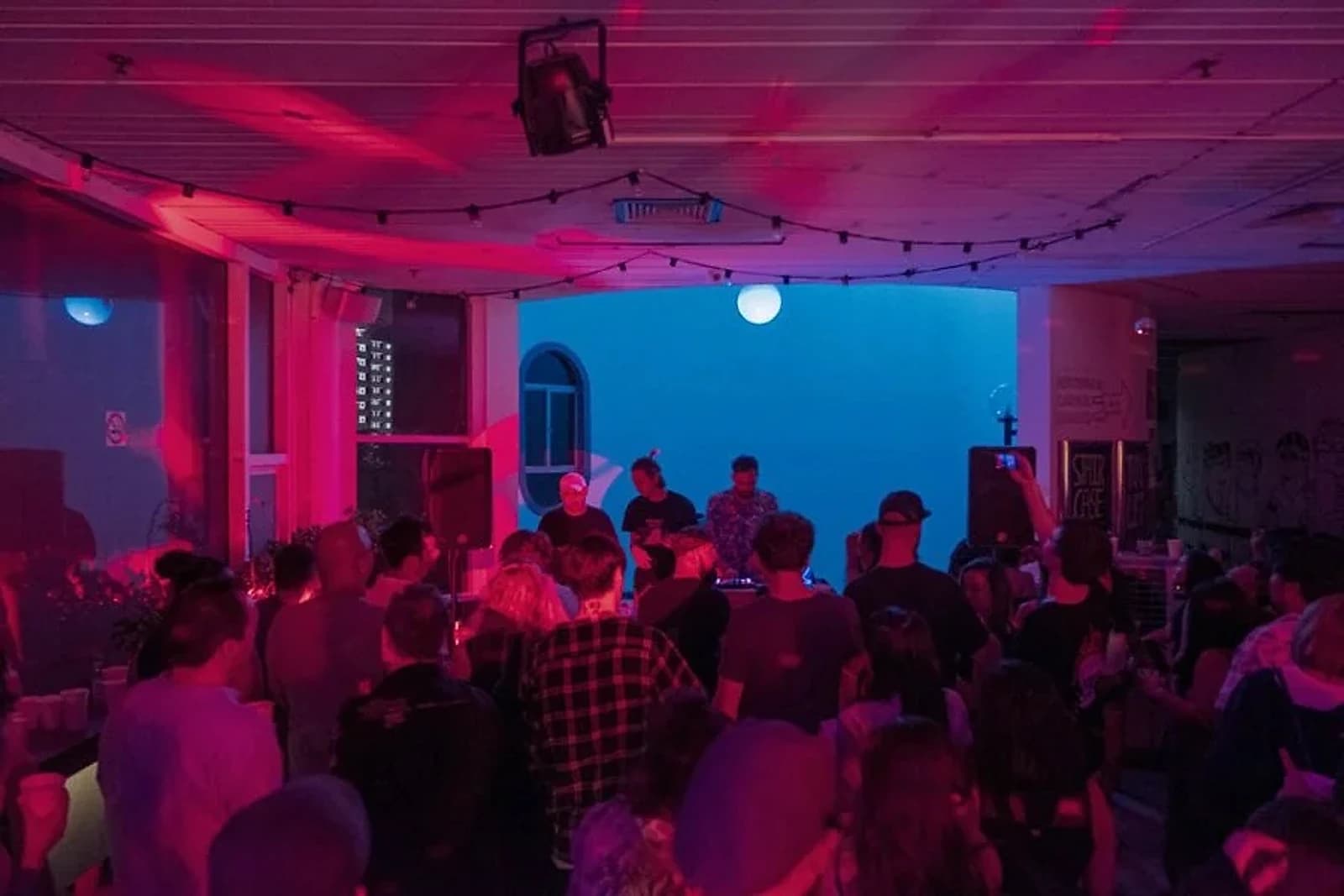
Dark basement rooms in Berlin, cavernous warehouse spaces in Leipzig and carefully architecturally designed house-focused settings in Frankfurt together form a national scene that is deeply rooted, defiantly underground and entirely devoted to the music above everything else. Deep house that welcomes you and draws you inward. Tech house that keeps you on your toes and on the move. Melodic house that makes 3:30 in the morning feel like the only moment that matters. The vibe shifts from city to city and room to room, but the mood stays the same: warm, almost hypnotic and unrelenting until the music itself decides it is ready to.
If you take house music seriously or just getting to know about it, and have never made the trip to Germany, think of this as your personal invitation.
In November 1989, the collapse of the Berlin Wall left the city with vast stretches of empty space and neglected buildings. Artists, musicians, and a generation of young people searching for new ways to express themselves quickly moved into these areas. Former factories, basements and storage warehouses were turned into makeshift venues for parties and live events. Because the legal situation around these spaces was unclear, it gave rise to a surprising level of creative experimentation and freedom, laying the groundwork for a whole new kind of nightlife culture.
House music was woven into that story from the very beginning, its four to the floor groove finding a radical new home in the broken spaces and fresh freedom of a reunified Germany. Those rooms ignited something that has never gone out, and Germany's venues remain the heart of the underground, drawing house music lovers who want to feel that original spirit of freedom still at work.
Berlin: Where House Music Became a Religion
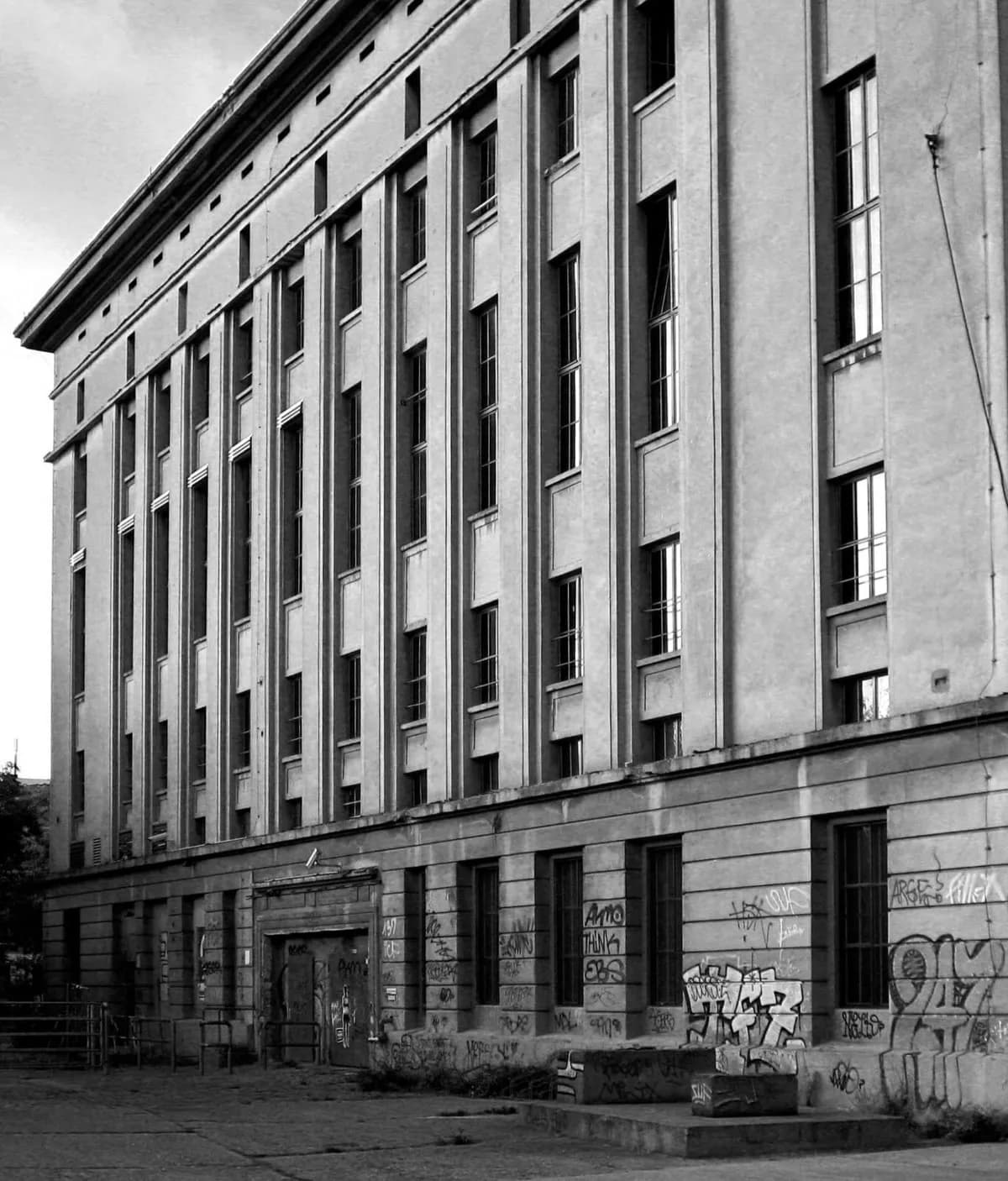
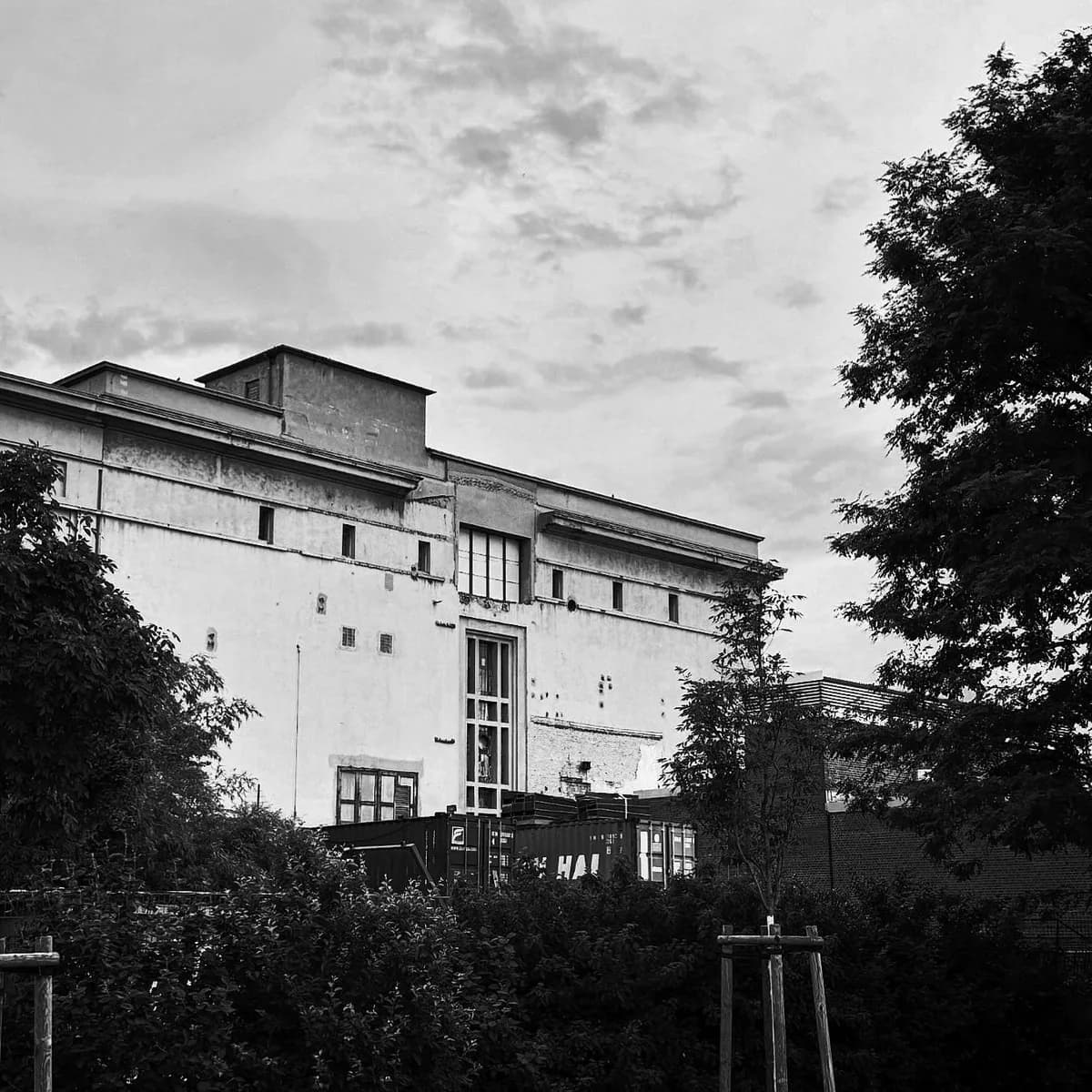
Berghain sits in a massive former East German power plant and has become a kind of pilgrimage site for dance music lovers. Above it, Panorama Bar offers a very different energy. Entirely dedicated to house music, it is celebrated worldwide for its sun-drenched Sunday house sessions that blur the line between club and open-air celebration. For anyone who cares about where house music lives and breathes, it is a room that feels essential to experience at least once. The venue's strict no-photo rule keeps the focus on the present, reinforcing the idea that experience is meant to be felt, not posted.
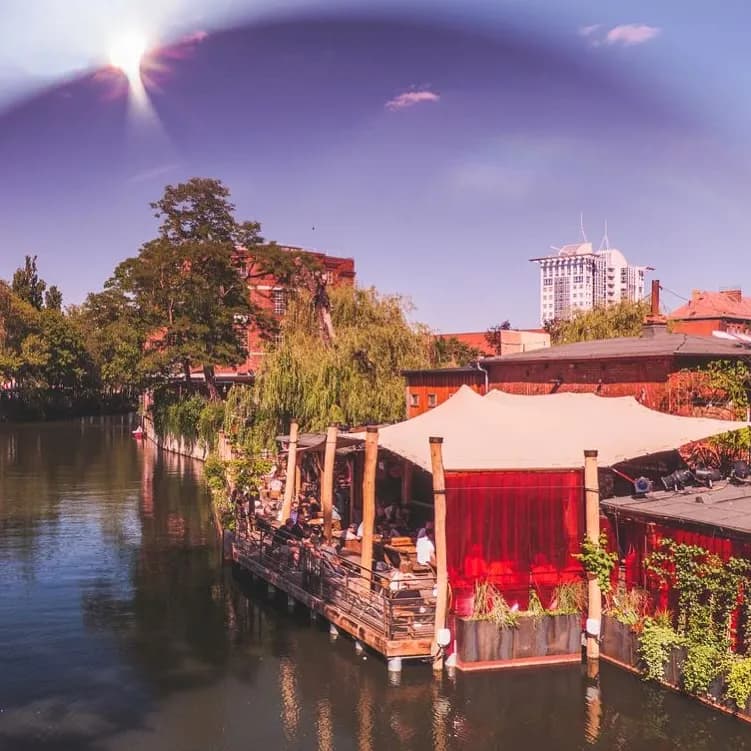
Club der Visionäre has been delivering some of the finest minimal house and dub techno on the banks of the Spree for over two decades, operating from May to September, seven days a week, from afternoon until morning. Small and unhurried, it is one of the most beloved spaces in the German scene.
Frankfurt: House Music as a Sensory Experience:
Tokonoma has become one of the most compelling house music spaces in Frankfurt, a venue rooted in Japanese design design and a multidisciplinary approach that blurs the lines between rave, art and underground culture. What began as a party concept has evolved into a club space carrying years of underground knowledge and a clear vision for what a house music venue can and should feel like.
North Sea Grooves: Hamburg's Deep House Hideouts
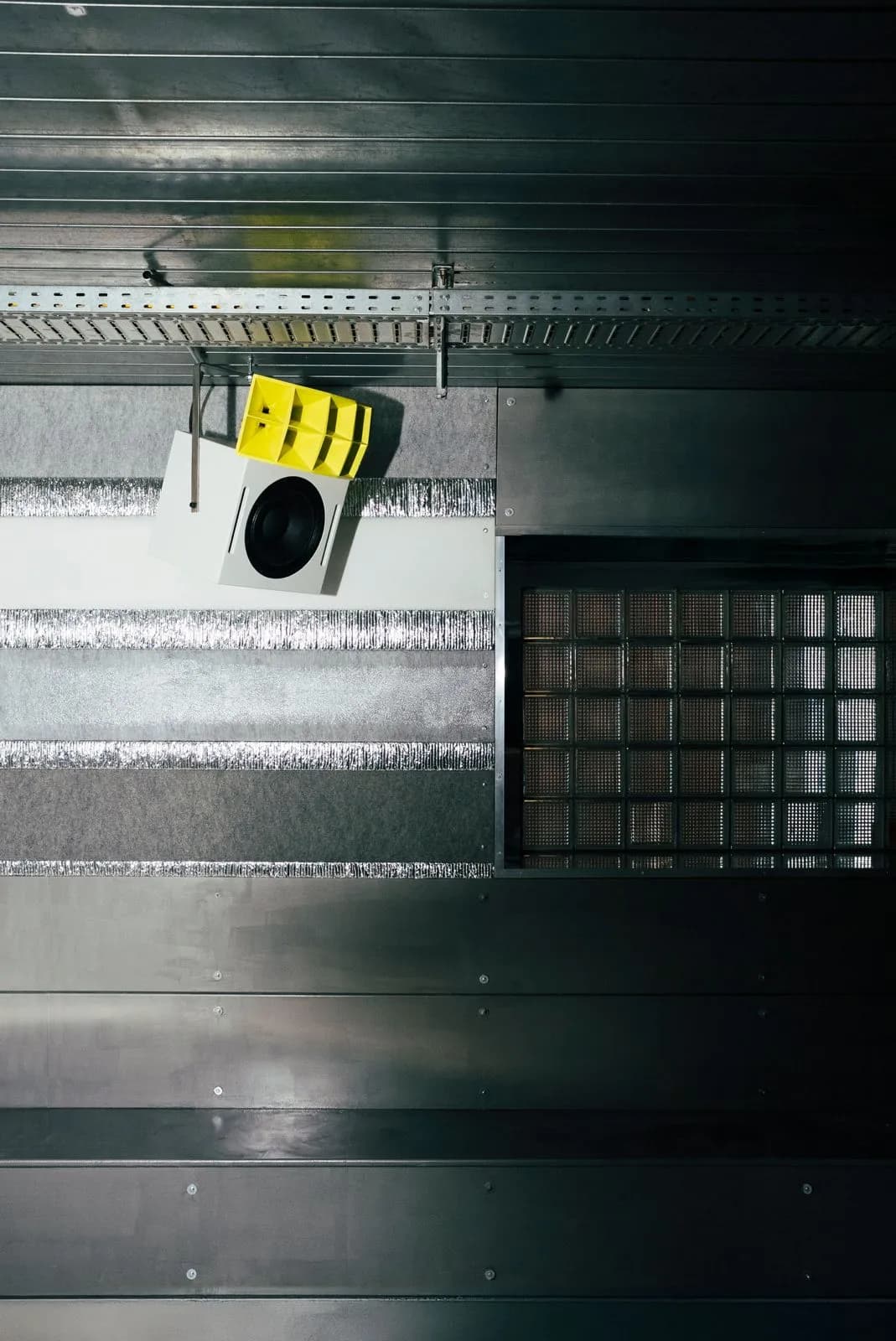
PAL is Hamburg's definitive house and tech house destination, It recently reopened after closing its previous location and consistently delivers lineups that rival Berlin's most celebrated clubs, all inside a striking glass encased building.
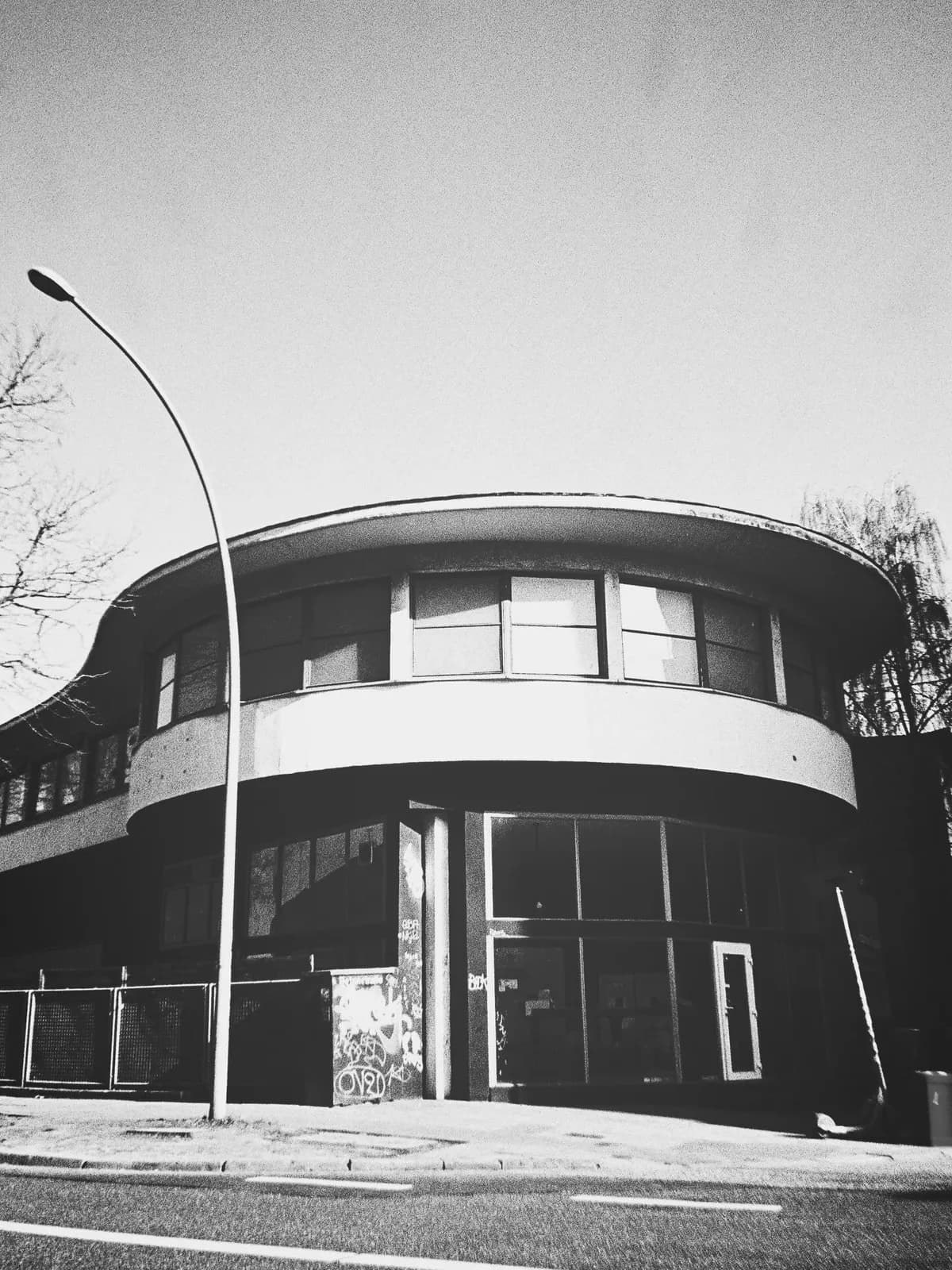
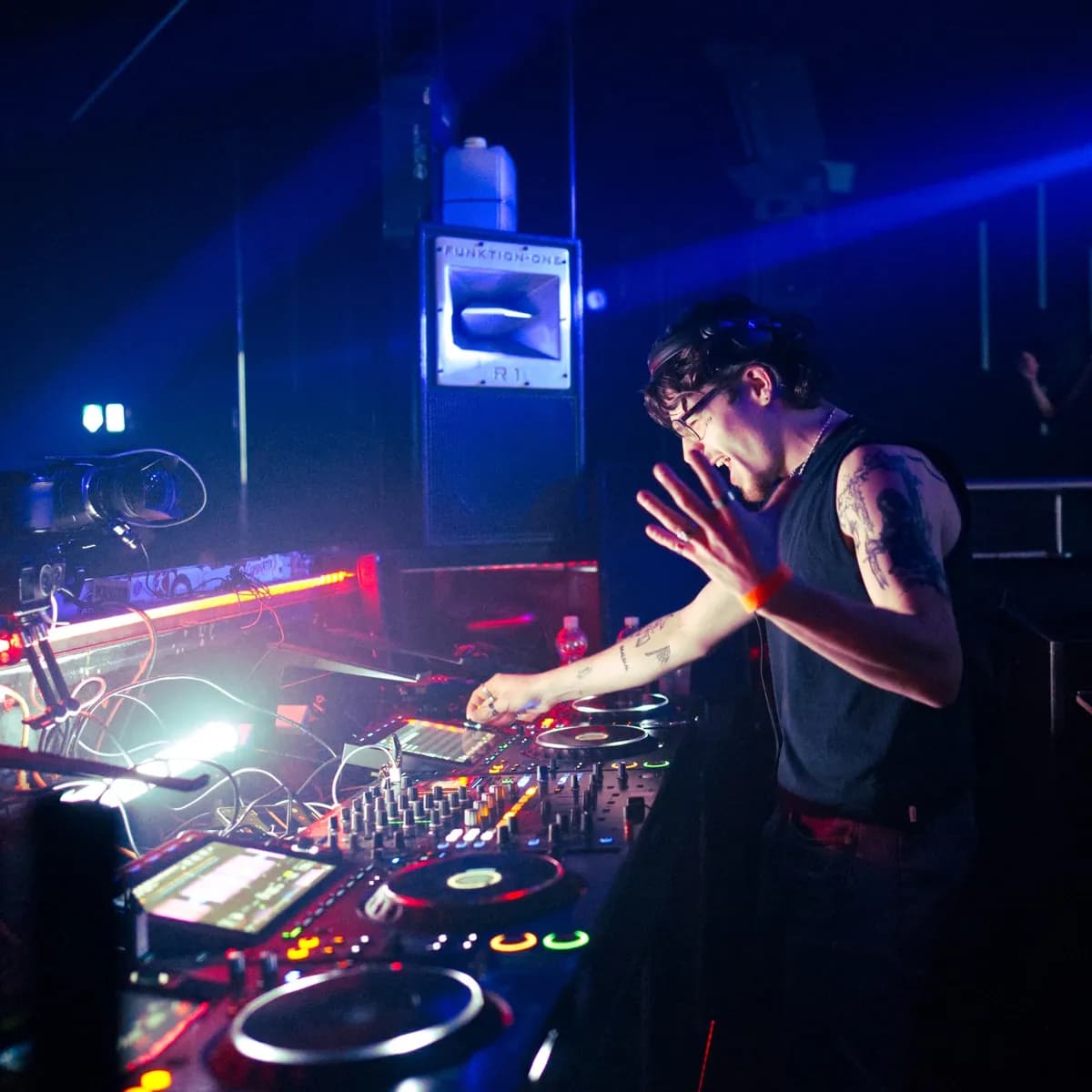
Baalsaal keeps the underground energy alive every Thursday through its respected in-house label Jeudi Records.
Cologne: The Underground's Hidden Heartbeat
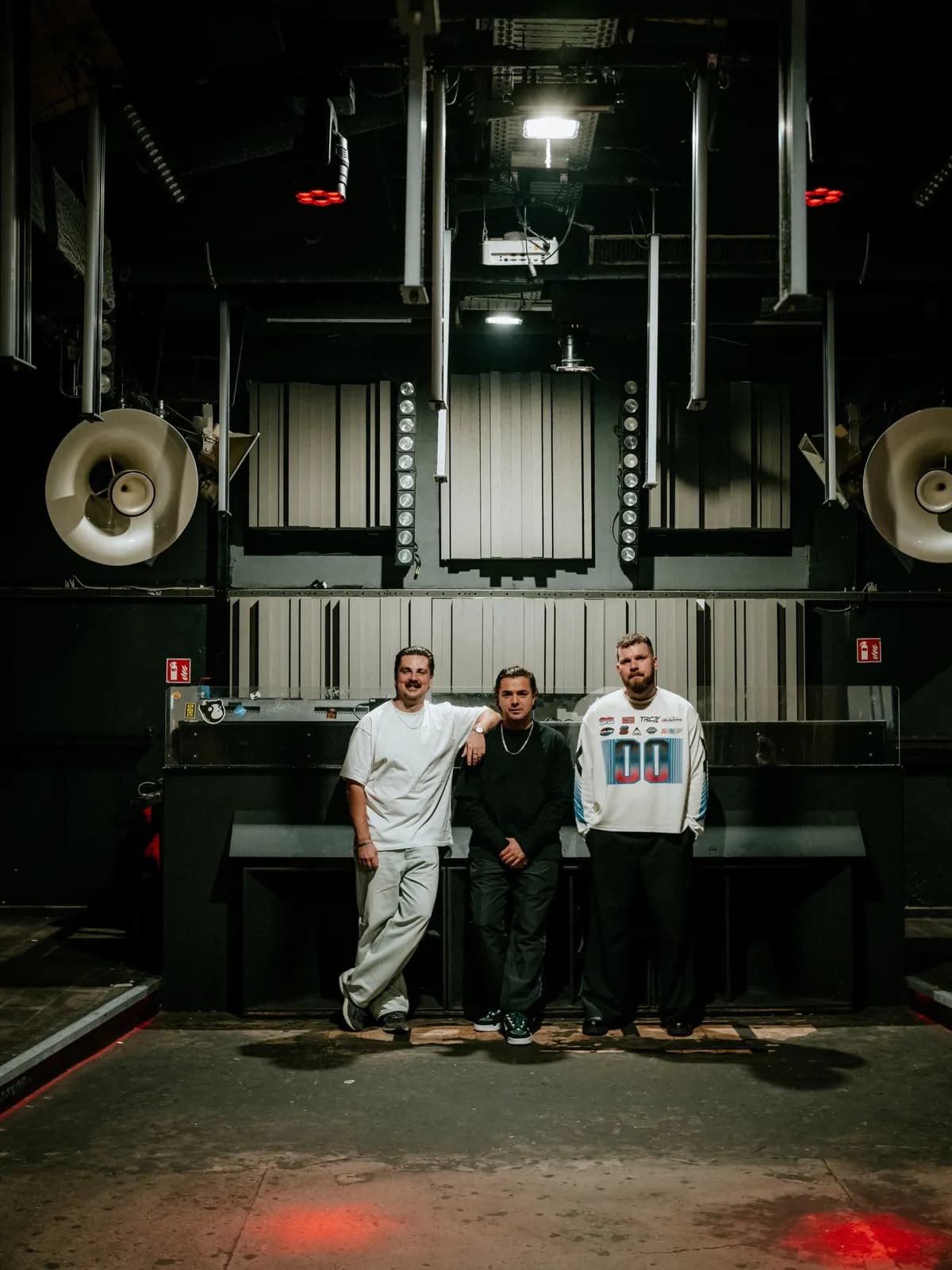
Gewoelbe in Cologne is the underground house lover's destination of choice in the city, a network of tight rooms leading to a central floor where some of the finest selectors in the scene play through a sound system that stays with you long after you leave.
Beyond the Headlines: Hidden House Rooms Across Germany
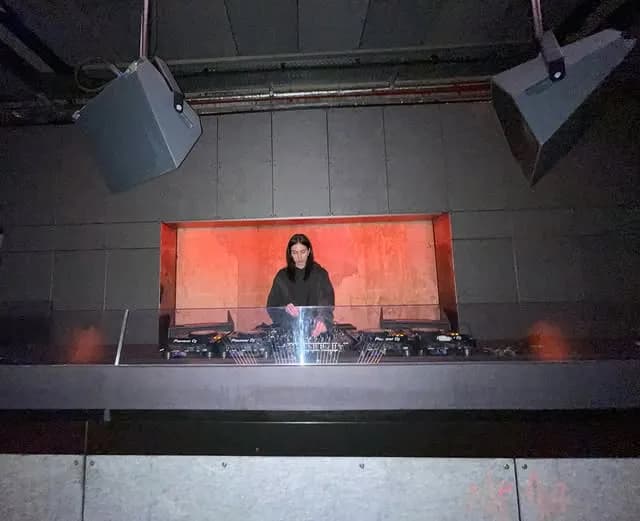
Openground in Wuppertal, housed inside a converted WWII bunker, has already earned the kind of praise that most clubs spend decades chasing, Floating Points called it probably the greatest sounding club in the EU, and its commitment to sound system culture and community makes it essential for any serious house music traveler.
Germany keeps building new rooms, discovering new selectors and fiercely protecting the conditions that allow house music culture to survive and grow. These are not simply clubs. These are the rooms where the music is kept alive, respected and heard exactly as it was always meant to be.
The night is always waiting in Germany. You just have to know where to find it.
Read Next
Stay in the loop
Asian electronic music, weekly