

Hien Spent Ten Years on a Debut Album in Three Languages That Opens With Her Grandfather's Cải Lương Guitar
Budapest-born, Brooklyn-based singer Hien built her debut album Trăng Qua from a decade of demos, bolero and chèo samples, and a guitar line she dug out of her grandfather's old cải lương tapes.
Official link
On "trăng ơi," the opening track of Hien's debut album, the first voice you hear isn't hers at all. No sample pack produced that. It's her grandfather, recorded decades ago, playing cải lương, the sung folk theater of Vietnam's Mekong Delta, on an instrument he wasn't even best known for.
Trăng Qua runs sixteen tracks. Vietcetera caught up with her this fall, and the interview adds a fuller picture of the record: not a straightforward singer-songwriter debut, but a decade of digging through a family archive and deciding, track by track, what still fit.

Three languages, one family tree
Hien, born Nguyễn Thanh Hiền in Budapest to a Vietnamese family, grew up speaking Hungarian before she grew up speaking Vietnamese. She's lived in Brooklyn for several years now, working as a producer and sound designer as much as a singer. Trăng Qua runs through all three languages, sometimes inside the same song, and she's been clear she didn't build it to prove she belongs to one place over another. Vietnamese carries the family history, Hungarian carries the childhood, English carries the life she's building now.
That meant relearning a language she'd never properly had. "I will never experience Vietnamese culture exactly like someone who was born and grew up there," she told Saigoneer, "but that distance also gives me an alternative perspective." It's an unusually honest thing to put on a press page. Most diaspora records this ambitious get sold with a tidier story than that.
What's actually sampled
The traditional material isn't decoration. "Trăng tàn trên hè phố," her first Vietnamese-language release, pairs bolero against a drum and bass pulse. The song itself was written by composer Phạm Thế Mỹ. "Next to you" leans into Latin bolero the same way. Chèo, northern Vietnam's traditional opera form, surfaces inside "Through this phase," folded into an electronic track.
The grandfather material is the real find. Trần Tượng Tư performed cải lương out of Bạc Liêu in the Mekong Delta and later worked the Trần Hữu Trang theater in Saigon and the national cải lương theater in Hanoi, playing đàn nguyệt, đàn nhị, guitar and violin. Hien went digging through old family tapes, found a stretch of his guitar playing, and built "trăng ơi" around it. However you want to read that gesture, it's a more specific and harder earned one than most records manage.

Worth the ten years?
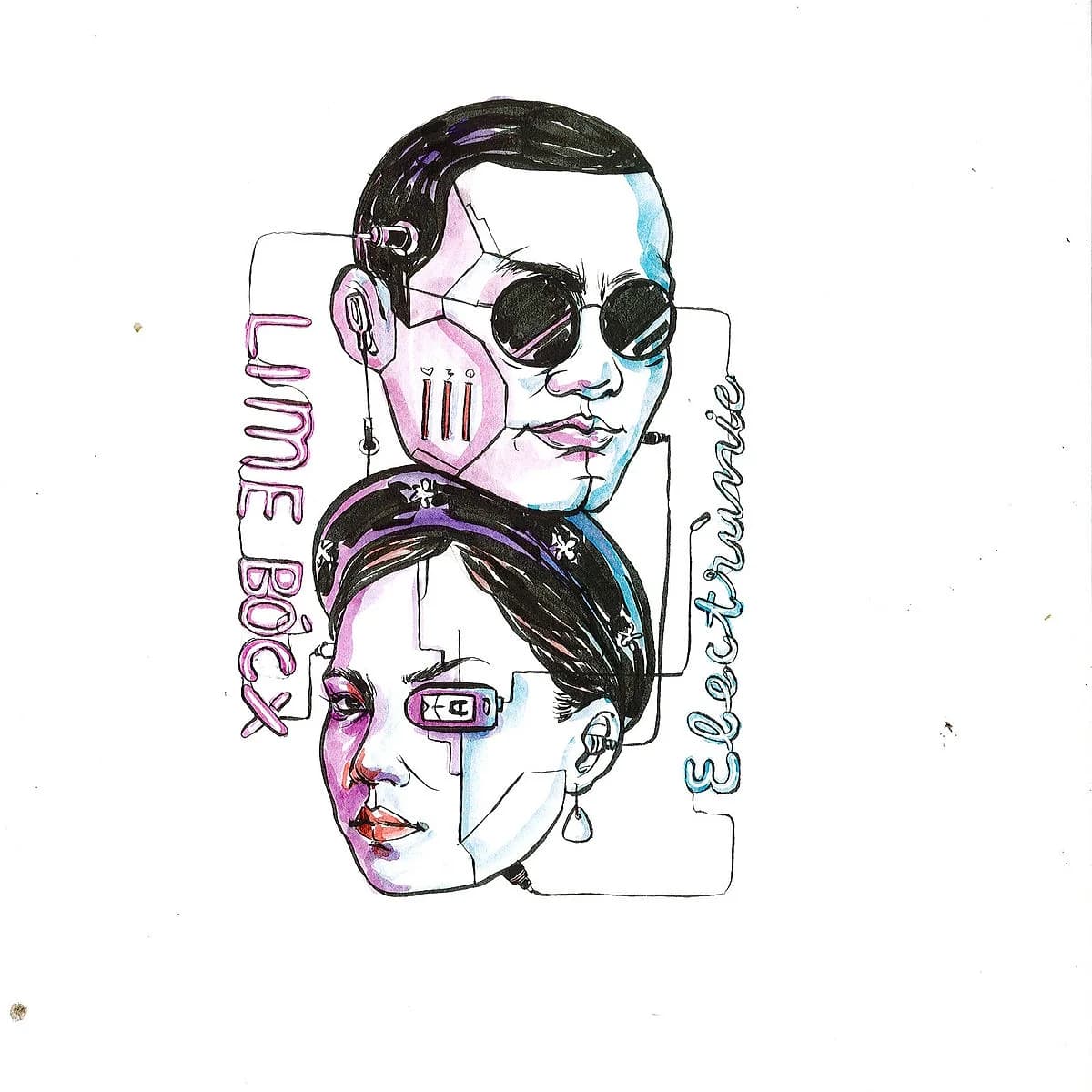
Nobody's pretending this belongs on a club soundsystem. Think headphones music instead: ambient electronic production, soulful vocal takes, the occasional left-field pop hook that sneaks up on you. The production stays rustic and unpolished, and it shows. Fair enough. Some of these sixteen tracks run two minutes and change, more sketch than song. A scrapbook record doesn't need padding. She's not the only Vietnamese artist mining this vein either: Limebócx has been turning classical Vietnamese poetry into electronic singles out of Hanoi.
Trăng Qua is out now on Bandcamp and major streaming platforms. Hien has said she hopes to return to Vietnam for a month around Tết to perform. Worth keeping an eye out for dates.
Cover: courtesy of Hien.
Read Next


Stay in the loop
Asian electronic music, weekly