
How House Music Festivals Are Going Sustainable in 2026
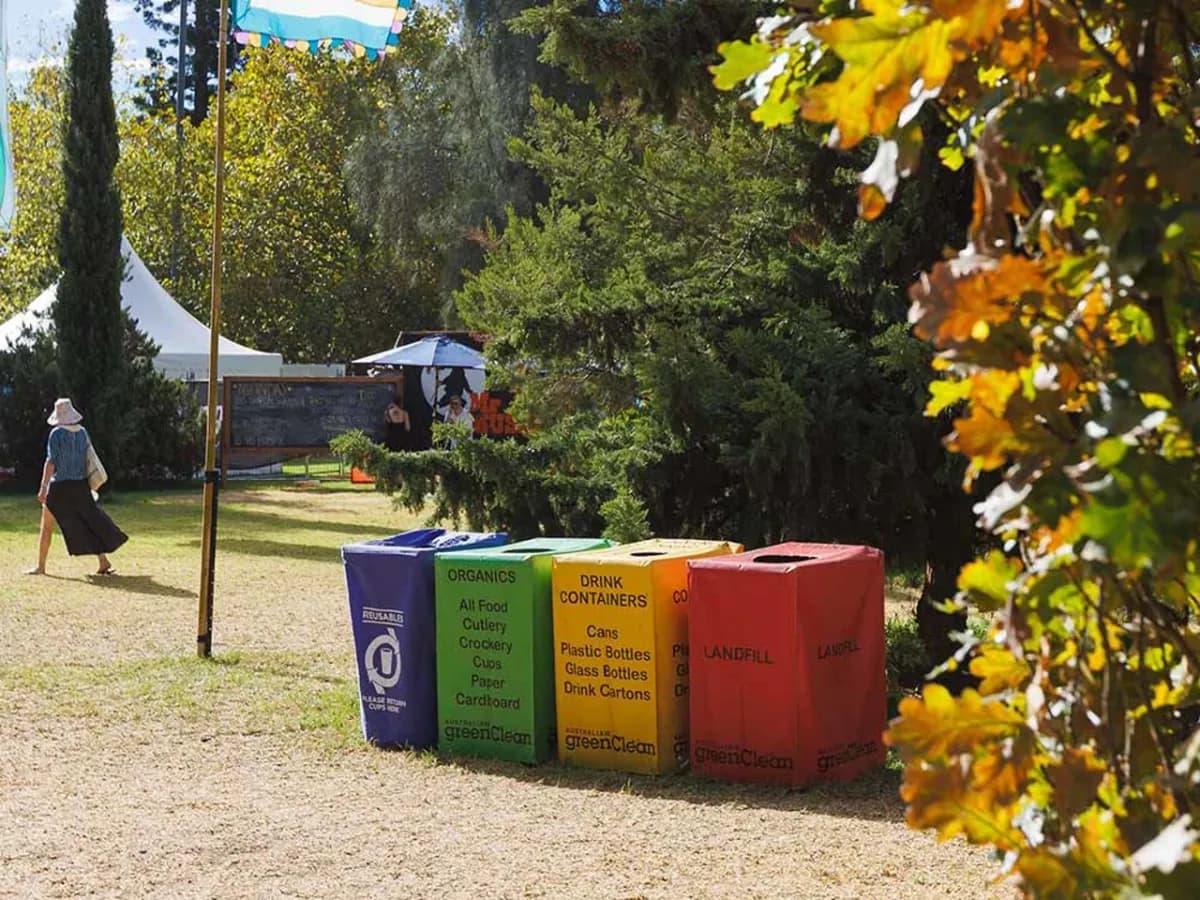
In 2026, house music events are implementing operational changes across energy, waste and programming. It's becoming central to how events are designed, marketed, and experienced. The shift is visible in festivals linked to festivals like WOMADelaide powering all stages with 100% renewable fuel to Envision Festival's radical overhaul of sanitation and waste systems, Sri Lanka's SOLA Festival operates on circular economy principles aiming for zero waste, festivals are tackling their environmental impact head-on.
The festival industry has long faced criticism for its environmental footprint: diesel generators, single-use plastics, waste mountains, and thousands of travelers flying in from around the world. A typical multi-day festival produces roughly 500 tons of CO2 emissions and tens of tons of trash. In 2026, that's changing, surveys show roughly 70% of festivalgoers factor a venue or event's environmental practices into their decision to attend. This means attendees are voting with their wallets. They are choosing festivals that care about the planet.
For House music specifically, this is important. House music culture values authenticity and community. Sustainability is an expression of that.
Standard: WOMADelaide's 100% Renewable Milestone
While not exclusively a house festival, WOMADelaide (March 6-9, 2026, Adelaide) has set a benchmark that every electronic music event should study. This year, they became South Australia's first festival to power all stages using 100% renewable energy.
How they did it
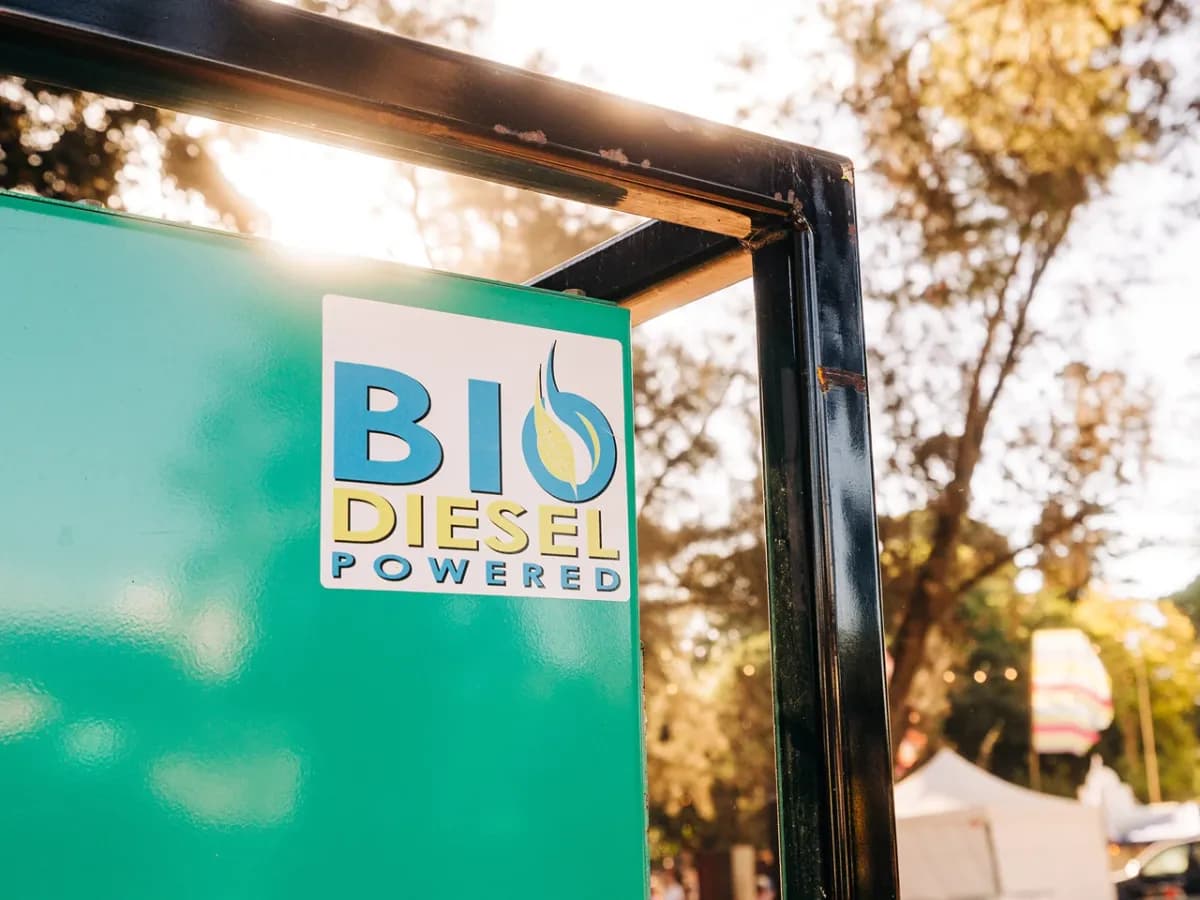
The festival uses a combination of two sustainable fuels:
B100 fuel: A biodiesel made entirely from organic matter, trialed at the festival since 2021
HVO (hydrotreated vegetable oil): Made from used cooking oil and animal fat waste, introduced in 2026
HVO is particularly significant: it produces approximately 90% less greenhouse gas than diesel and can directly replace it in existing machinery. At WOMADelaide, it powers the Foundation Stage, the festival's largest stage, which previously ran on mineral diesel.
The festival also hosts The Planet Talks, a three-day forum featuring leading voices on sustainability and the environment .
Relevance for house festivals: If a multi-genre festival with 80,000 attendees can achieve this, house-focused events have no excuse.
How House Festivals Are Going Green In 2026
Events like Glastonbury and DGTL are using solar power and kinetic dance floors to reduce their carbon footprint, while Shambhala and Bonnaroo run major recycling and composting programs. Let's look at specific innovations:
Solar Power: Massive Attack announced Act 1.5, the first 100% solar-powered festival in the United Kingdom, with the help of solar panels and battery packs that store sufficient energy on site without needing diesel generators. This is revolutionary. A 100% solar-powered House music festival is not hypothetical. It is real.
LED Lighting: LED lighting significantly improves festival sustainability by using approximately 80% less power than traditional incandescent stage lighting. This efficiency reduces the load on generators and lowers overall energy consumption. For House music, where lighting design is central to the experience, LED technology means spectacular visuals with minimal carbon cost.
Waste Management: The U.K.'s Shambala Festival has been meat-and-fish free since 2016; thanks to that change, food now accounts for only around 6% of its total carbon emissions. In 2025 Shambala even introduced on-site biogas fuel for cooking and hot showers.
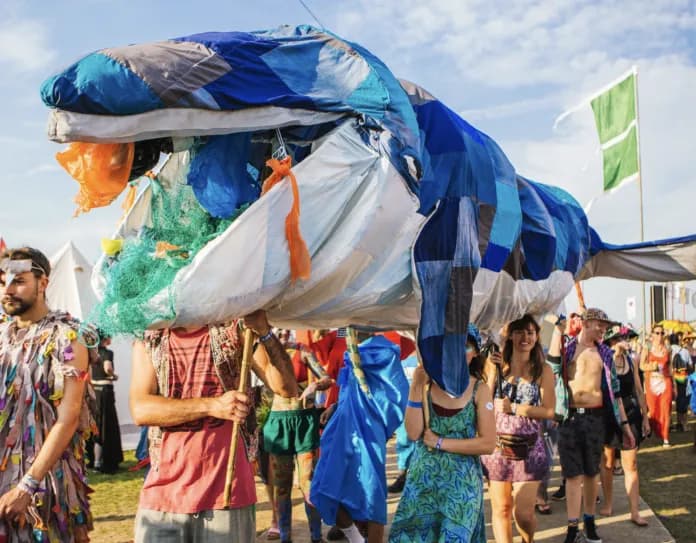
Glastonbury banned single-use plastic bottles, preventing over a million from ending up in landfills. They also use waste-to-electricity technology, which powers lights and charges phones while producing plant fertilizer as a by-product.
Water Systems: Strawberry Fields was awarded for launching a 100% reusable crockery system (dishes, platters, cups) called the "Rewash Revolution." They implemented a $4 sustainability charge per ticket, which virtually paid for the system entirely, and required patrons to pay a $4 deposit when purchasing food or drinks to ensure they returned their dishware to the washing station. The festival also uses 100% composting toilets and integrates eco-friendly gardens with greywater filtration systems.
Transportation: Bonnaroo incentivizes recycling and eco-friendly transport. This means shuttles from cities, carpooling discounts, and incentives for using public transportation.
LOCAL COMMUNITY BENEFIT: Festivals like Coachella and Insomniac's events donate leftover food to local shelters, providing thousands of meals to those in need. Insomniac Cares has raised over $2 million for community-focused causes, such as children's programs, cancer research, and reforestation projects.
What This Means For House Music Ravers
- Bring a Reusable Cup: Most festivals now use reusable cup systems. You pay a deposit, use the cup all weekend, and return it. This is normal now. Plan for it.
- Eat Plant-Forward: Festivals in 2026 are embracing plant-forward menus as part of their eco-initiatives. A single beef burger's footprint is many times that of a veggie burger. The best vegan and vegetarian food at festivals is genuinely delicious. Try it.
- Carpool or Use Shuttles: Festivals now offer carpooling incentives and shuttle services. Use them. Arriving by car with four friends instead of driving alone cuts your carbon footprint by 75%.
- Leave No Trace: This is House music ethics: clean up after yourself. Leave the dance floor as you found it. Do not leave a tent behind. Participate in the recycling and composting systems the festival sets up.
- Support Green Vendors: Look for vendors using sustainable practices. Vote with your dollars.
Looking Ahead
Talking green without tangible action (greenwashing) is a dangerous game. Seasoned operators know that claims of sustainability must be backed by data and real results. Fans quickly call out insincere "eco-friendly" messaging – a venue that touts its recycling while dumpsters overflow with unsorted trash will face social media backlash.
This is important for House festivals: the community will know the truth. House culture values authenticity. If a festival says it is sustainable but is clearly not, the community will call it out. To avoid this, venues should set clear sustainability goals and publicly track progress. For example, rather than vaguely claiming to be "green," a venue might pledge "80% waste diversion and 50% lower CO2 emissions by 2028," then share annual updates.
The entire vibe should be about simplicity and respect for the environment. From drum programming to synth design, sustainability is becoming part of how festivals operate. And the industry is embracing sustainability, it's now a core part of event planning. For House music, this is perfect. House music is already about sustainability of culture, sustainability of community. Now it is extending to environmental sustainability.
Read Next


Stay in the loop
Asian electronic music, weekly