

merchant: The Jamaican DJ Giving Afro House a Soul
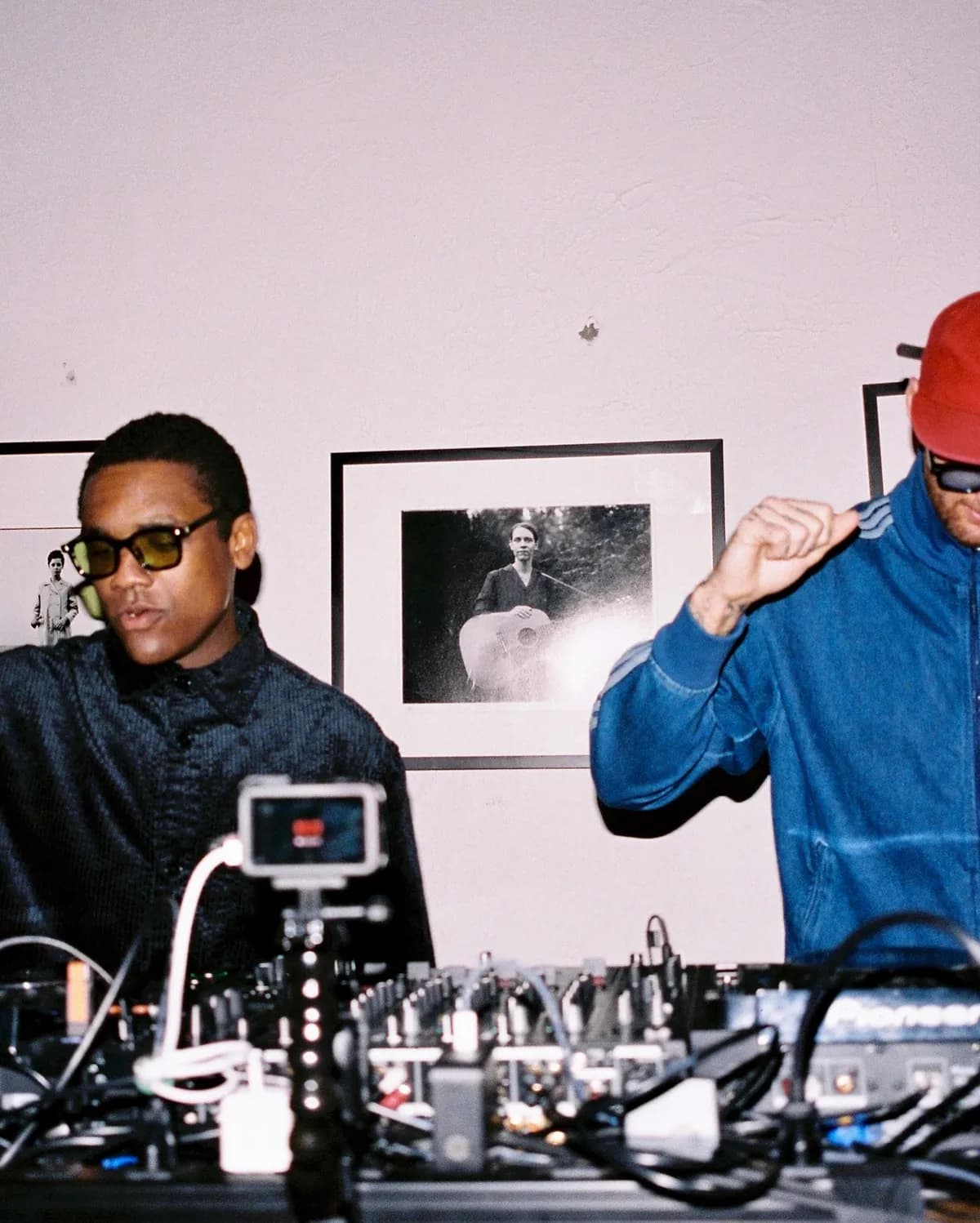
merchant is the Jamaican born Afro house producer already backed by Black Coffee, Diplo and Pete Tong. He is making dance floor records with real emotional depth and the scene is paying attention.
merchant Is the Name Your Afro House Playlist Has Been Missing
Who Is merchant?
You are hanging at a party with your friends. The music is doing what good music is supposed to do, making you forget the water bill, the situationship, the 8am alarm. Then a track drops that feels different. Not different like a new sound. Different like someone actually meant it, put a bassline underneath it, and sent it to the dance floor anyway.
That is merchant. That is the whole point.
The Jamaican born producer has been quietly building something the Afro house world is only just catching up to, and Beatportal put him on their April 2026 emerging artists radar, the kind of placement that tells you the people who actually matter are already paying attention.
The Names Already in His Corner
This part deserves a moment. Merchant has already pulled support from Black Coffee, Diplo, and Pete Tong, and he is sitting on millions of streams. Not thousands. Not a SoundCloud following his friends keep sharing. Millions of plays from real people who heard it and went back for more.
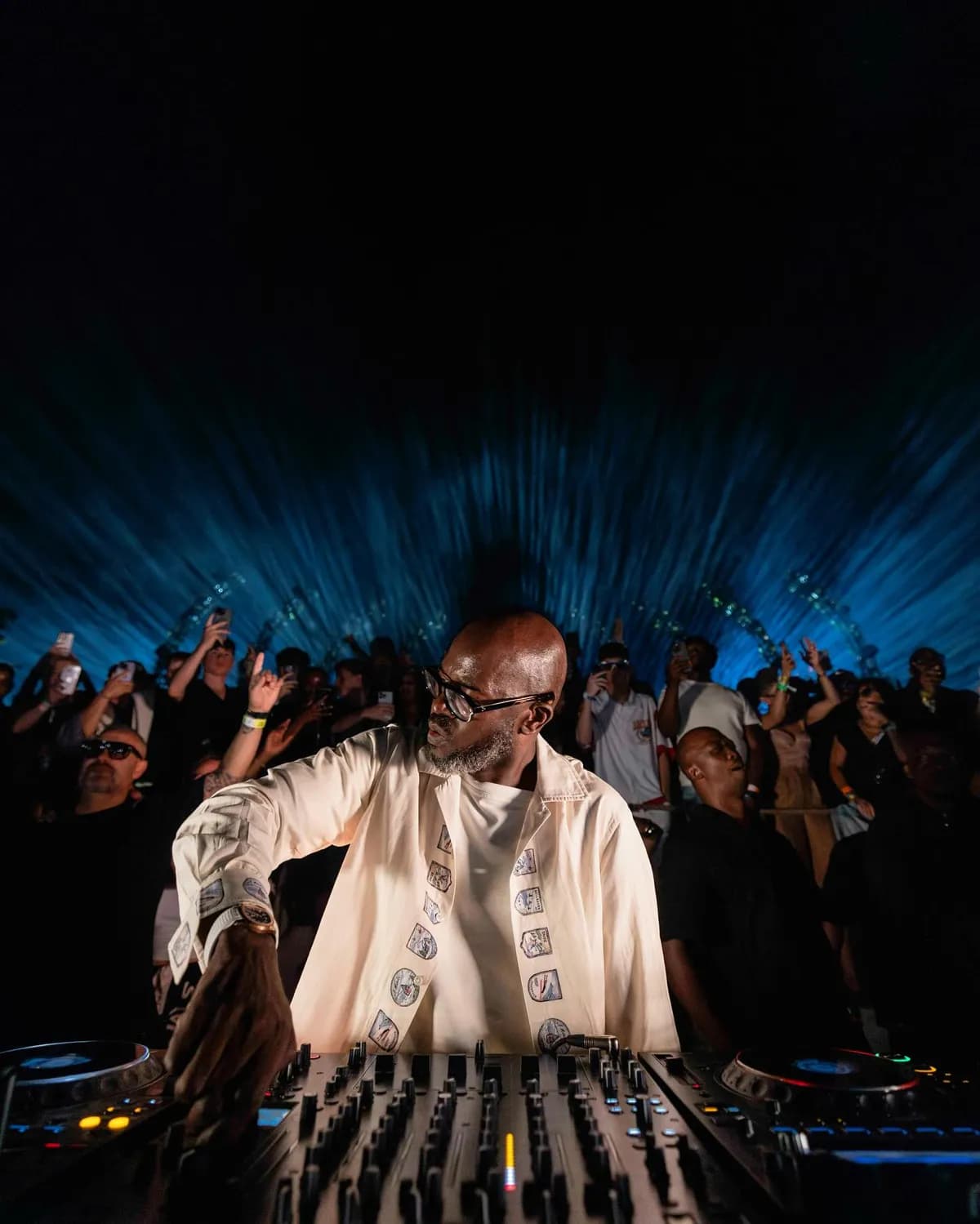
Black Coffee does not throw co-signs around lightly. He has spent nearly two decades building what most would call the most globally recognised Afro house sound on the planet and his backing means the music genuinely did something worth noticing. Diplo showing up in merchant's corner is chaotic in the best way. Pete Tong platforming him through BBC Radio 1, one of the most trusted ears in dance music history, is the kind of thing that makes other producers stare at their laptops in silence.
All three. Independently. That does not happen to music that is just decent.
A Sound That Travelled to Get Here
Merchant holds connections across Jamaica, Europe, and the United States, and you can hear all three of those places pulling at the music simultaneously without any of them fully winning. That tension is exactly what makes it work.
A lot of music sounds like it was made somewhere specific. Merchant's sounds like it was made everywhere at once, which is why it translates across a club in London, a rooftop in Kingston, and a festival in Berlin without changing a single note.
Dance Floor Music That Actually Has a Storyline
Here is where merchant does something genuinely unexpected. Most producers working in this space have one goal: make something that sounds right at 1am when everyone has already committed to the night. That is the job. Merchant is doing that job and quietly doing several other things on top of it.
He is putting together a larger body of work built around heartbreak, love, and loss, turning dance floor records into something with a real narrative running through them. The kind of track that hits your chest twice: once for the drop and once for whatever is underneath it.
He is building a lane where Afro house does not just land hard, it actually means something, and the dance floor is already starting to respond.

The Timing Could Not Be Better
Afro house in 2026 is not peaking. It is just getting started. Splice recorded 778 percent growth in Afro house downloads in a single year, going from around 760,000 in 2024 to nearly 6.7 million in 2025. Beatport moved it from the twenty third to the fourth most searched genre in under two years, and Tomorrowland built a dedicated Afro house stage for 2026 for the first time.
The novelty phase of the genre is finishing. What comes next is the serious era, where producers reach for more emotional depth and more complex storytelling. Merchant did not arrive late to that conversation. He was already in the room waiting for it to start.
The name is lowercase. The moment is not.
Read Next


Stay in the loop
Asian electronic music, weekly