
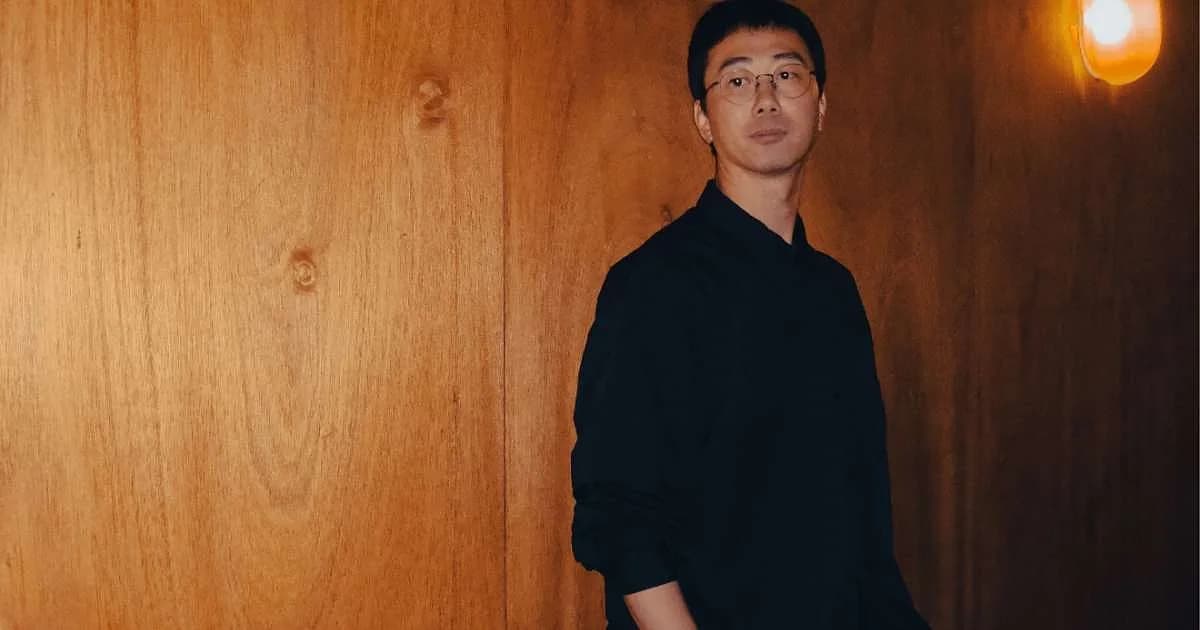
Idiotape's Dguru Started a Label for the Sounds That Don't Fit Seoul's Dancefloors
Nineteen years after co-founding the Korean electro-rock trio Idiotape, Dguru has started his own label, Sangsu Records, built around Seoul's club and live scenes and the sounds that don't fit neatly into either.
Official link
Nineteen years ago, Dguru helped turn Idiotape into one of the loudest exports of Seoul's club scene, a synth-and-drum-machine trio built to make electronic music sound like a rock show. His new label opens with something close to the opposite: nine tracks that spend more time bending rhythm out of shape than filling a dancefloor.
A drummer's band, minus the drummer
Idiotape formed when Dguru and fellow producer Zeze met in Seoul's club scene in 2007, adding drummer DR (formerly of pop-punk band Sugar Donut) three years later. The trio debuted with the EP '0805' in July 2010 and won Best Dance and Electronic Album at the Korean Music Awards in 2012 for their first LP, [11111101]. They played SXSW in 2011 and Glastonbury in 2015, building a reputation as a Korean electronic act who could hold a festival main stage on its own terms rather than as a novelty booking. That history is the reason Sangsu Records is worth paying attention to: this isn't a bedroom producer's vanity imprint, it's someone who has already had the big rooms deciding he'd rather build a small one.
"A fixed grammar"
Dguru named the label after Sangsu Station, a stop in western Seoul's live-music district. His stated reason for starting it is a complaint about electronic music itself: "After years in underground dance music, I began to feel that electronic music, in a broader sense, was settling into a fixed grammar," he said. "That grammar made things efficient, but it also narrowed the space for risk and experimentation. Sangsu Records grew out of the need to give that kind of work a place to exist and be documented." It's a familiar complaint from a lot of producers past a certain point in their career. What's less common is someone with an actual audience deciding to spend his own capital testing it.
Nine tracks, no house style
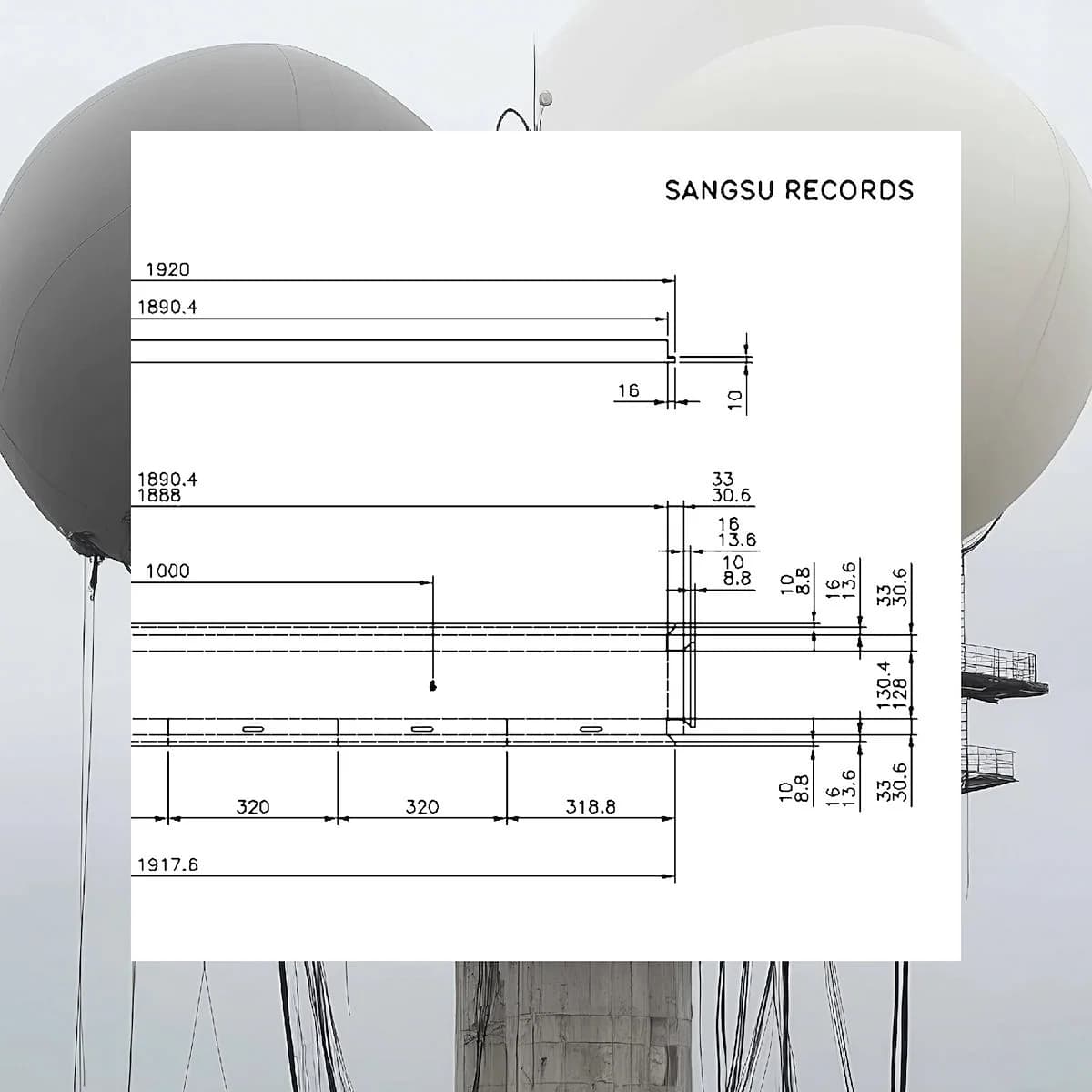
The label's debut, '상수 001,' pulls together ABOPF, Gisulbu, haihm, eosa, DGR (Dguru's solo alias), Lim Yong Ju, HWXXNG, Motoko and GAZAEBAL, none of whom make quite the same record. Motoko's 'm-sp-001' and GAZAEBAL's closing 'GrainWorks' both run past six minutes, built more like slow-burn live sets than club tools; haihm's 'Pitch Weave' and HWXXNG's 'powerful mercy' sit at the other end, short and unresolved. The compilation's own tagline, "we explore the unstable architecture of rhythm and tone," undersells how different those explorations sound next to each other. That's the point: a first release designed to show a range rather than announce a sound.
The launch happened in a basement, not a stream
Sangsu Records marked the release with a showcase at THILA Ground on January 17, curated by Dguru, with the roster playing live rather than DJing. Motoko's set from that night is online, and it's a better introduction to the label's actual sound than the label copy is.
Where to hear it
'상수 001' is up on Sangsu Records' Bandcamp now, nine tracks for whatever you want to pay. There's no Spotify or SoundCloud version yet, which fits a label whose whole premise is that some of this music was never going to fit the usual pipes. Seoul's underground has been quietly rewriting its own rules lately, from a techno club that spends one Sunday a month as a reading room to a 16-year-old band's drummer starting a label for music that refuses to resolve. None of it looks like the Seoul of five years ago.
Cover photo: Yabakinoko, via Mixmag Asia.
Read Next
Stay in the loop
Asian electronic music, weekly