

Munir Spent a Decade Splicing Indonesia's Lost Disco Records Back Together in Bandung
Bandung producer Munir has spent over a decade digging up and re-splicing Indonesia's forgotten 1970s and 80s disco records, from a Cultures of Soul compilation named after Jakarta's first discotheque to his own synth-driven Komputer EP.
Official link
The record that turned seven-year-old Harry Septiandry into a lifelong crate-digger came from an uncle who worked the shipping lines: a 12-inch of Positive Force's "We Got the Funk," hauled back from a port somewhere and handed to a kid in Bandung who had no idea what to do with it except play it until the grooves wore thin. Forty-odd years on, that kid, now known as Munir, runs a one-man archival operation out of the same city, and the record he's trying to save isn't his own. It's Indonesia's.
A Record From an Uncle Who Sailed the World
Munir has gone by a few names since he started producing: as a solo artist and as Midnight Runners, the loose, revolving-door project he's fronted out of Bandung since 2012. He calls it "channeling obscureness," a fair description of a catalogue built almost entirely from records nobody else was looking for. He's DJ, producer, label owner and graphic designer in one, drawing his own sleeves because nobody else draws them the way he hears the music.
Tanamur, the Club That Started It
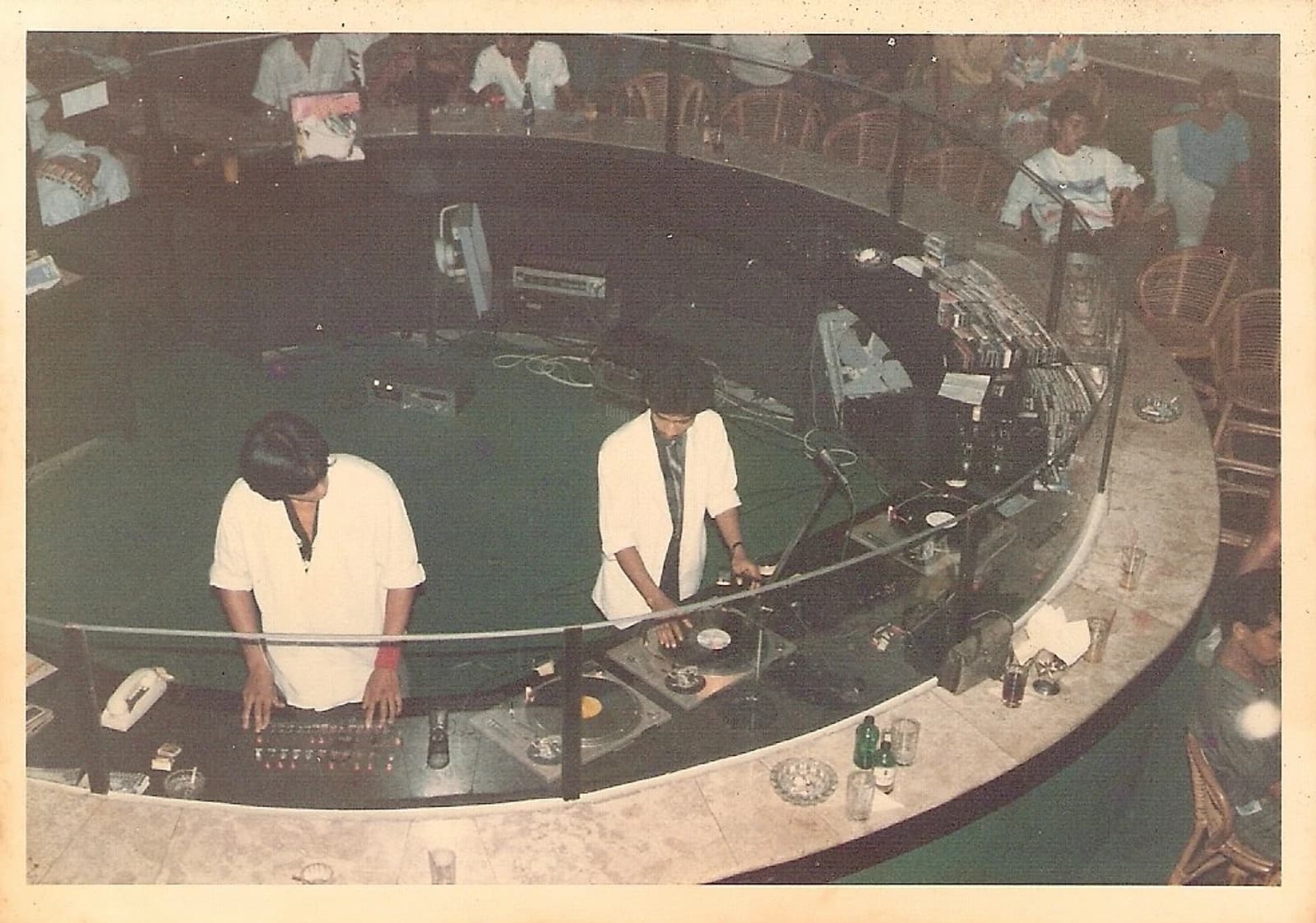
The records Munir digs for come from a narrow, strange window in Indonesian pop history. Under Sukarno, playing Western-style rock could get you arrested. Musicians in the pioneering band Koes Plus did time for it. After 1967, the door opened, foreign instruments and genres flooded in, and Jakarta got Tanamur, the country's first proper discotheque, a place glamorous enough to pull in international celebrities. A whole generation of Indonesian bands responded with AOR, boogie and city pop, some of it original, plenty of it note-for-note covers of American and British hits sung in Bahasa. Pressing vinyl was expensive and broadcast rights were tightly held, so most of it barely got played even by Indonesian DJs at the time, let alone anyone outside the country. Munir's compilation for the Boston label Cultures of Soul, Tanamur City: Indonesian AOR, City Pop, and Boogie, 1979 to 1991, is named for that club directly, and its cover is a grainy black-and-white photo of exactly the kind of backyard party the music was made for.
Splicing Old Records Into New Ones
What Munir does with the records once he finds them is where it gets interesting. His Nusantara Disco series, named for an old Javanese term for the wider Southeast Asian archipelago, doesn't just reissue lost 1970s party tracks, it re-edits them for modern sound systems, keeping what worked on a warehouse floor forty years ago and stripping the parts that didn't. His Asia/Africa Edits project goes further afield, splicing African records he's turned up crate-digging in Indonesia, a nod to the 1955 Asia-Africa Conference that was held in Bandung itself. "Instead of always trying to play catch up with the next new thing," he's said of the whole approach, "why not use existing resources of ideas and inspiration that we have?" He talks about it in the language of sustainability as much as music, repurposing instead of landfilling, which tracks for someone whose entire catalogue is built from other people's throwaways.
It's traveled well outside Indonesia. Munir's edits and originals have gone out on Omega Supreme Records, Neon Finger, Groove College, Hobo Camp and Dopeness Galore, plus London's No Bad Days and Singapore's Darker Than Wax, the jazz-and-soul label that just turned 15 without ever chasing a hit either, roughly Munir's whole philosophy in one sentence.
Komputer, His Own Label, His Own Sound
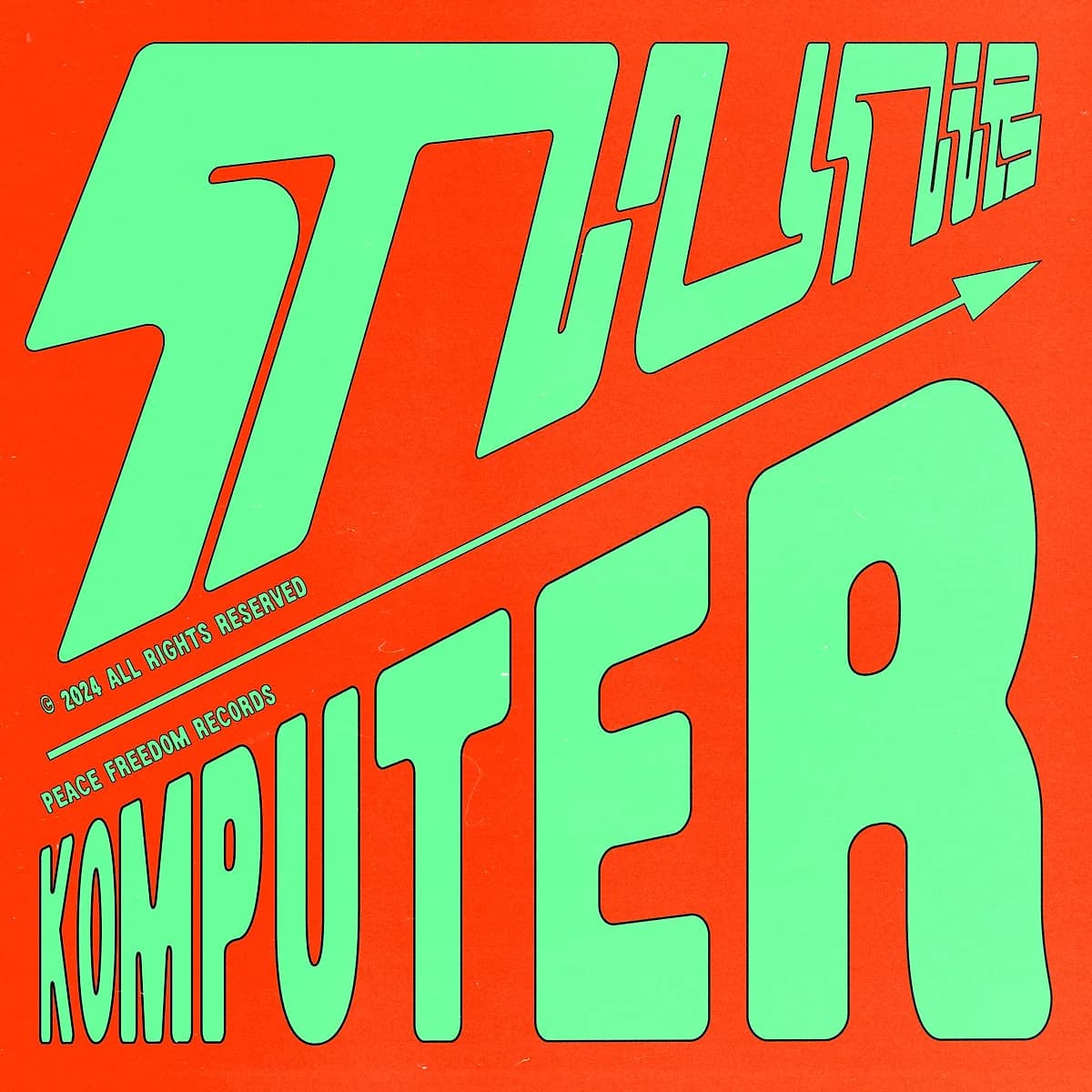
Digging up other people's records is only half of what he does. In February 2024, Munir put out Komputer, a four-track EP of original material on his own imprint, Peace Freedom Records: the title track, plus "Tuhan," "Sinden" and "Analogue," all built around the same funky basslines and dubbed-out breaks as his edits work but running them through synths and drum machines instead of a splicing block. It's the clearest evidence yet that Munir isn't just an archivist with good taste, he's using the archive as raw material for something new.
Bandung Doesn't Always Make It Easy
Bandung has its own underground history to draw on. The late Harry Roesli, the city's best-known avant-garde figure, was splicing tape and experimenting with what he called "bio-sampling" long before anyone had a word for it, and the punk, industrial and EBM wave that ran through the city in the 1990s still shapes how younger collectives like Bandung Null Emergence and Jangan Kolektif operate: informally, often outside clubs entirely, moving parties to warehouses and highland venues when licensing, or during the pandemic years, health rules got in the way. Munir has been blunt about the gap between that talent and the city's club infrastructure, telling one interviewer a few years back that Bandung's venues "don't really support the underground dance music scene." Nobody's confirmed whether that's changed since, and Munir isn't the type to soften it for a better quote. What he will do is point people toward who's worth hearing regardless: the label Funkbox Records, producers Awfi Muhammad (Axxf) and Jonathan Eka Adisaputra (Johny Indo), and DJs Fiky Ikbar (Dude Love) and Mohamad Adrian (Madflowerss).
An Archive, Not a Nostalgia Act
Southeast Asia's dance scene spends most of its column inches on whatever festival just announced a headliner. Munir's project runs in the opposite direction, backward into 1980s pressing plants and forward into new synth lines, on the theory that the region's most interesting export might already be sitting in a Bandung record shop nobody's opened the crate on yet. It's the same instinct that's driven Yogyakarta's RAMPAK G to splice South African gqom with Indonesian rhythm rather than import a foreign genre wholesale: the archive isn't a museum, it's a toolbox. Munir's just been building his for longer than most.
Cover photo: Munir behind the decks, via his Instagram (@munireng).
Read Next


Stay in the loop
Asian electronic music, weekly