
Playtime Festival 2026 Might Be Asia's Best Kept Secret
A festival in Mongolia probably was not on your 2026 radar, but Playtime Festival's underground electronic lineup might change that. From Helena Hauff and Aïsha Devi to surreal mountain landscapes and Naadam celebrations, this is one of Asia's most unique music experiences
Official link
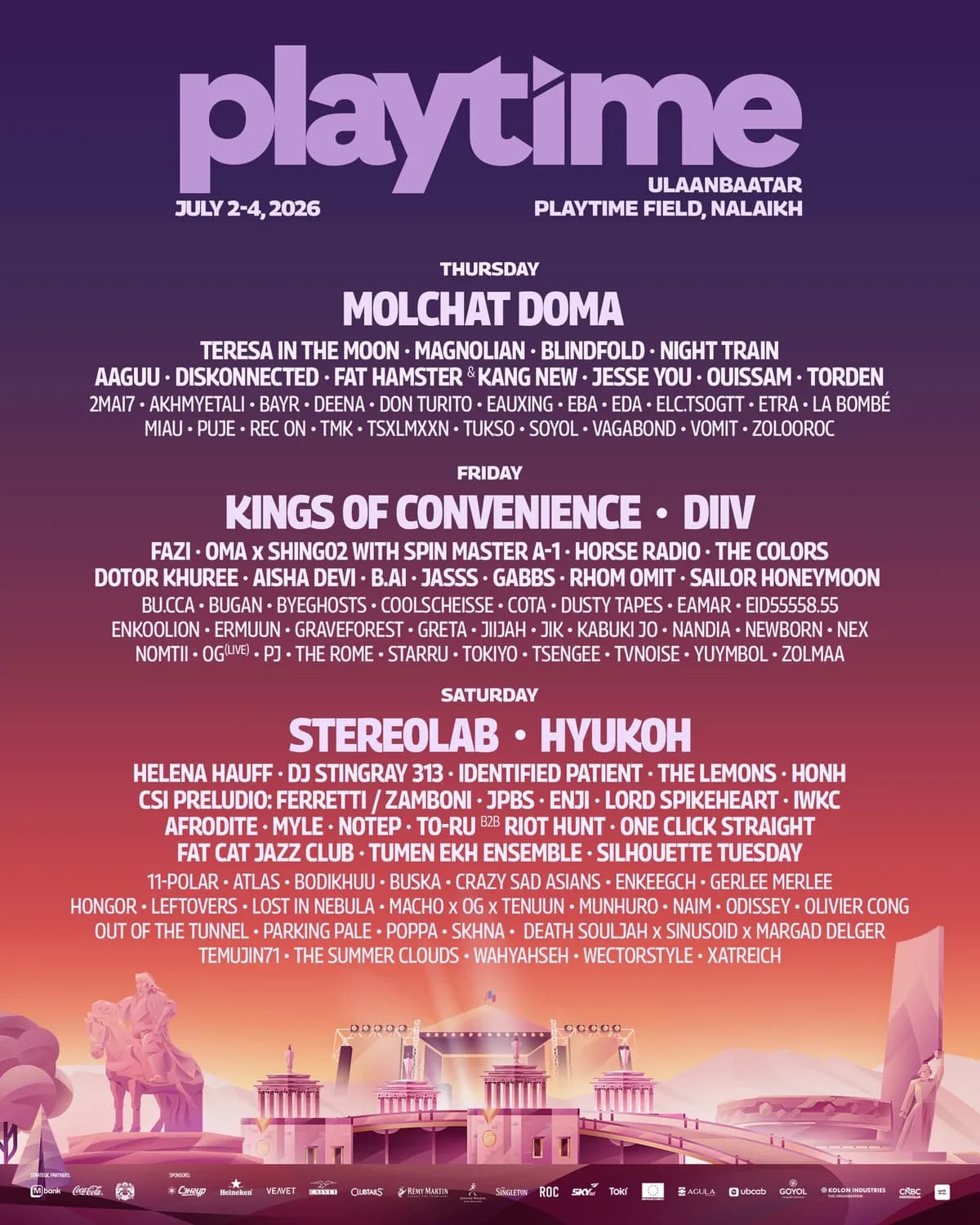
There is a festival happening in Mongolia this July and it has one of the most interesting lineups in Asia. That sentence alone should be enough to get you interested, like we are talking about Mongolia! Playtime Festival is the largest and longest running annual music festival in Mongolia, founded in 2002, and the 2026 edition takes place July 2-4 at Playtime Field in Nalaikh, Ulaanbaatar. It sits outside every obvious festival circuit, gets almost zero coverage in the European music press, and quietly books artists that would be headlining respected underground events anywhere else in the world. This is the piece it deserves.
What Playtime is all about
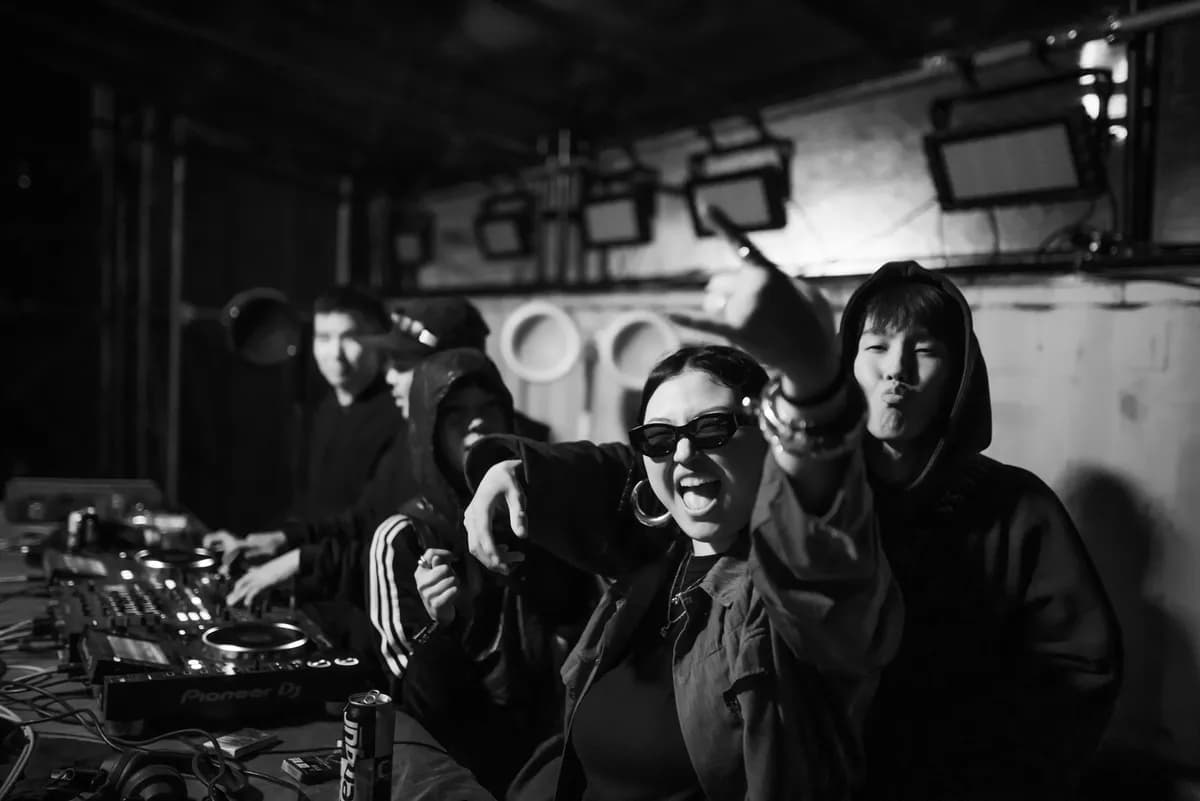
What started as a one-day concert showcasing local rock and indie artists in Ulaanbaatar has evolved into a multi-day camping festival emphasising eco-friendly practices, diverse genres including rock, metal, indie, pop, hip-hop, electronic, and world music, and a blend of local Mongolian performers with international acts across multiple stages. That evolution didn't happen by accident. It happened because founder Natsagdorj "George" Tserendorj has spent more than two decades building something with a clear sense of identity rather than chasing whatever was popular in the rest of the world at any given moment.
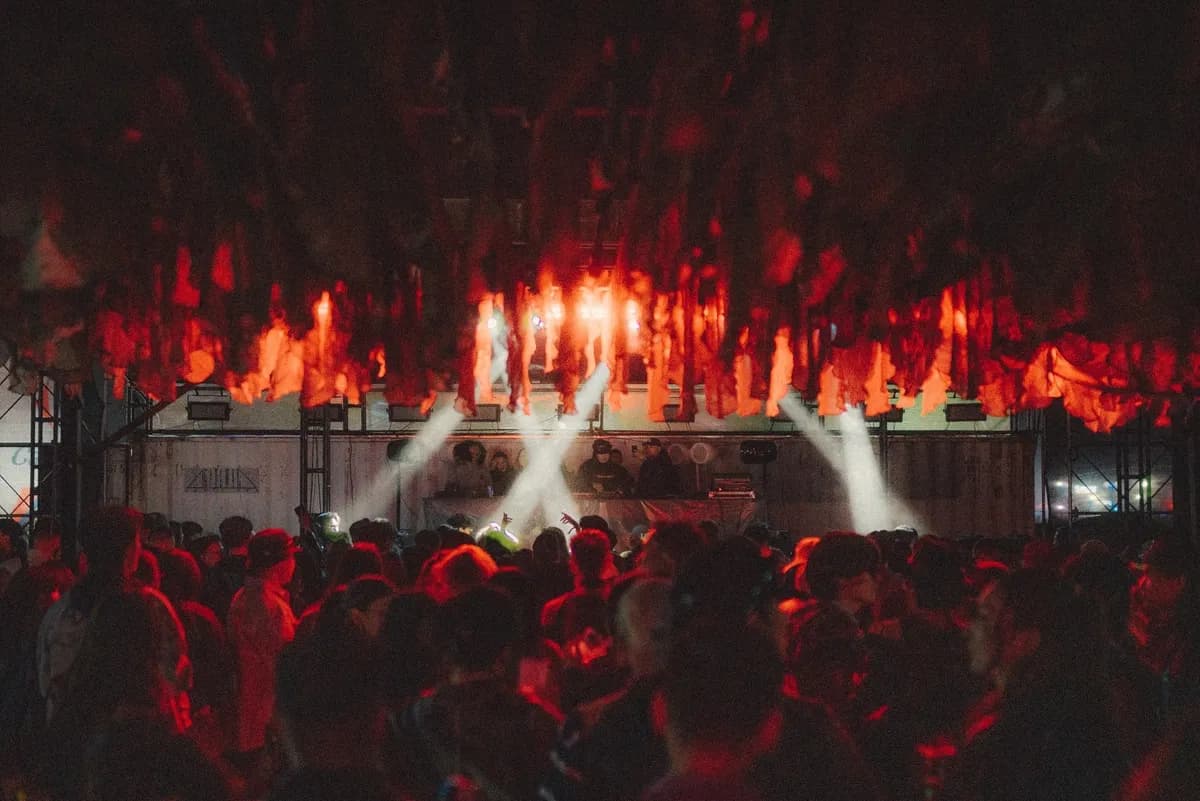
In 2014 the festival introduced a new electronic music stage named Naaglihats, coming from the Mongolian word for electricity spelled backwards, providing a platform for DJs and expanding its musical offerings. By 2016 it had grown to three days and included five stages. The electronic programme has grown significantly since then, and the 2026 edition reflects how seriously Playtime now takes that side of the bill.
The 2026 electronic lineup
The 2026 lineup includes Jesse You, Rhom Omit, Ouissam, Lord Spikeheart, AAGUU, B.AI, MYLE, Afrodie, Gabbs, Aisha Devi and JASSS, alongside Helena Hauff who appears on the confirmed artist list. That is a credible assembly of artists for any underground electronic event anywhere in the world. Aïsha Devi is one of the most singular voices in experimental electronic music. Helena Hauff needs no introduction to anyone who pays attention to serios techno. Ouissam has been one of the most sought-after selectors on the Asian underground circuit. JASSS brings a rawer, industrial sensibility. The fact that all of these people are coming together on a field in Mongolia in early July is remarkable.
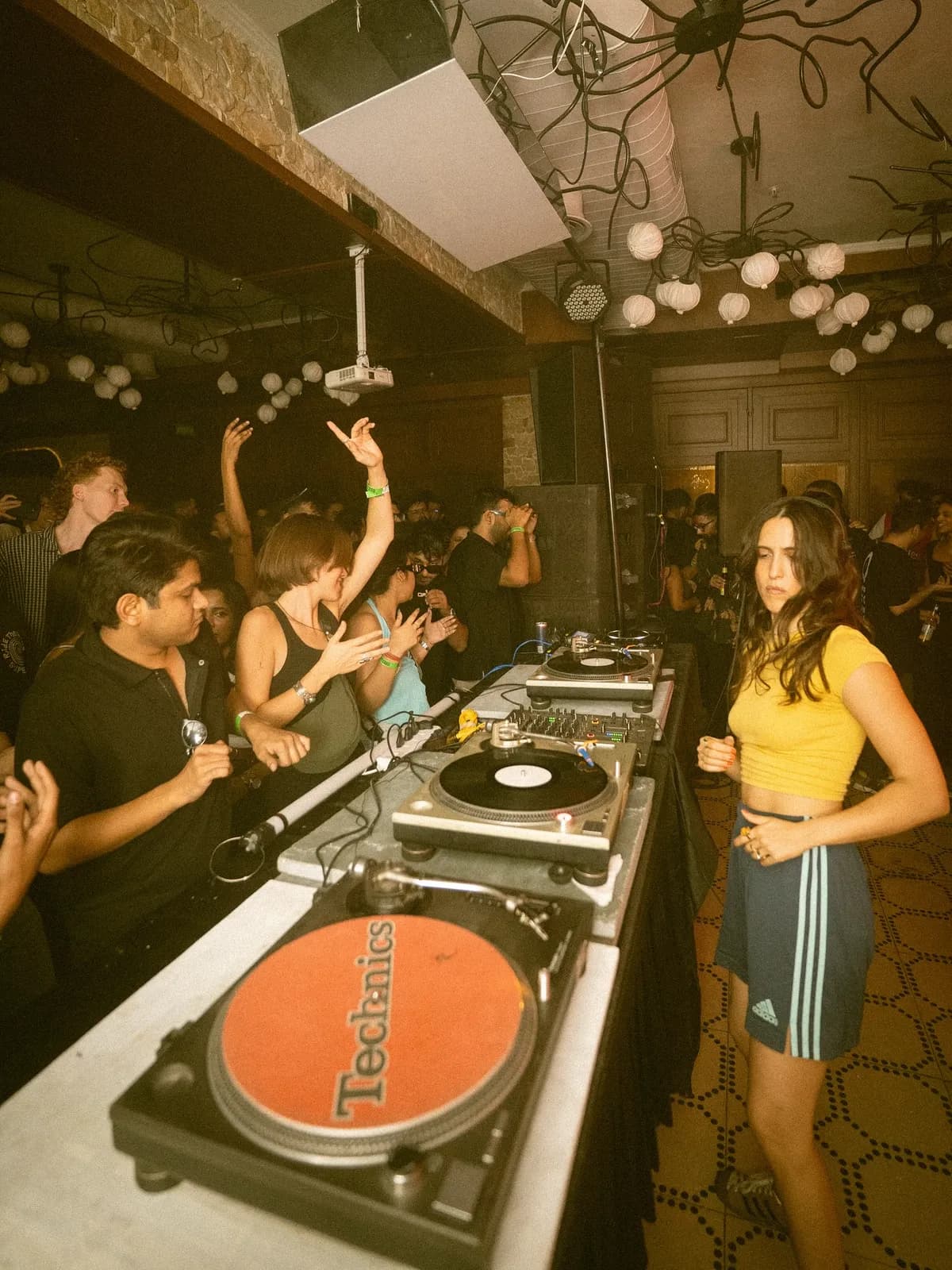
The curation is led by founder Natsagdor Tserendorj as head programmer and specialists including Bilguun Tuvshinbold for the electronic stage, with a philosophy that emphasises a balanced lineup of approximately 35 percent international artists from countries including South Korea, Japan, France, and Germany, alongside 65 percent local Mongolian talent to support the domestic scene and foster cultural exchange. That ratio matters. Playtime is not a festival that imports a European lineup and drops it into an exotic location. It's a festival that treats its domestic scene as the foundation and builds everything else around that.
The venue and the setting
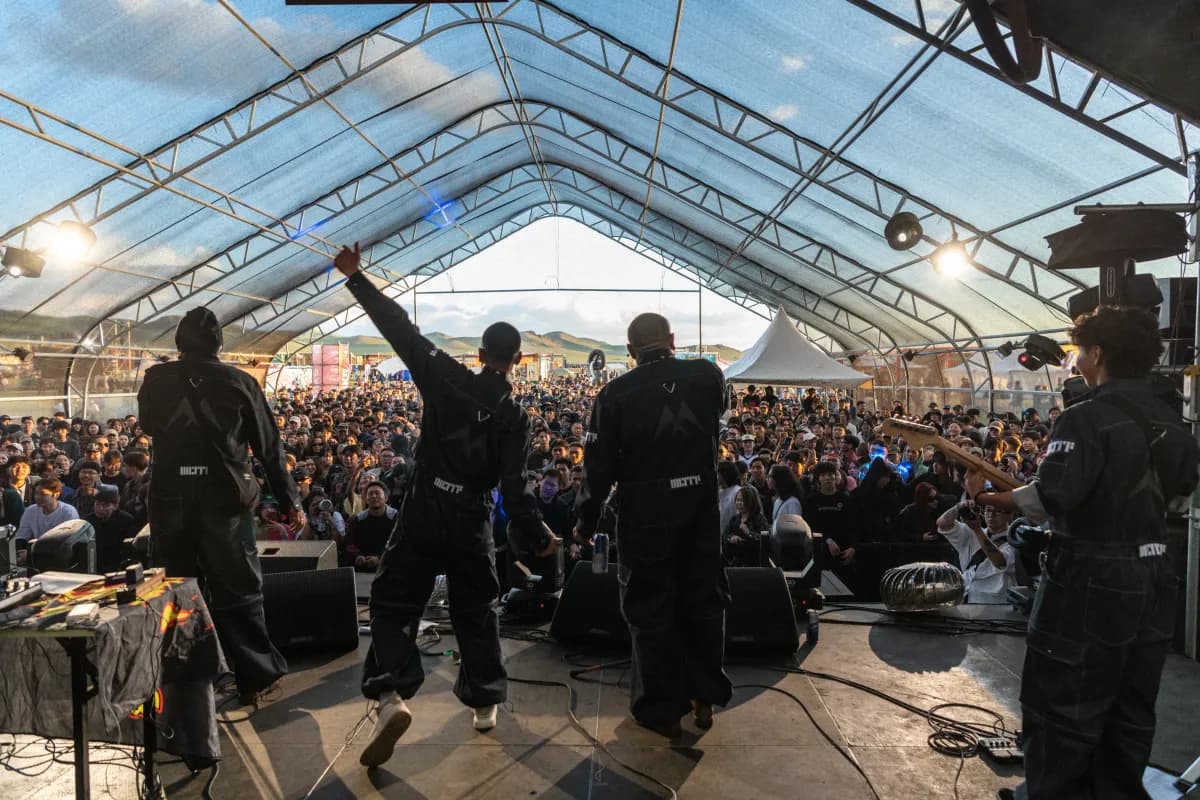
Playtime Field in Nalaikh, roughly 50 kilometers from the city centre, acoomodates up to 30,000 attendees daily and emphasises sustainability with eco-friendly initiatives including a botanical garden, self-sustainable clean energy solutions and an eco-friendly camping site. The field is shaped to echo the traditional Mongolian ger dwelling, a circular design that gives the site a visual identity unlike any other festival venue in the world. Surrounding mountains frame the stages. The Mongolian summer sky at that time of year delivers the kind of uninterrupted light that makes dusk sets feel almost surreal.
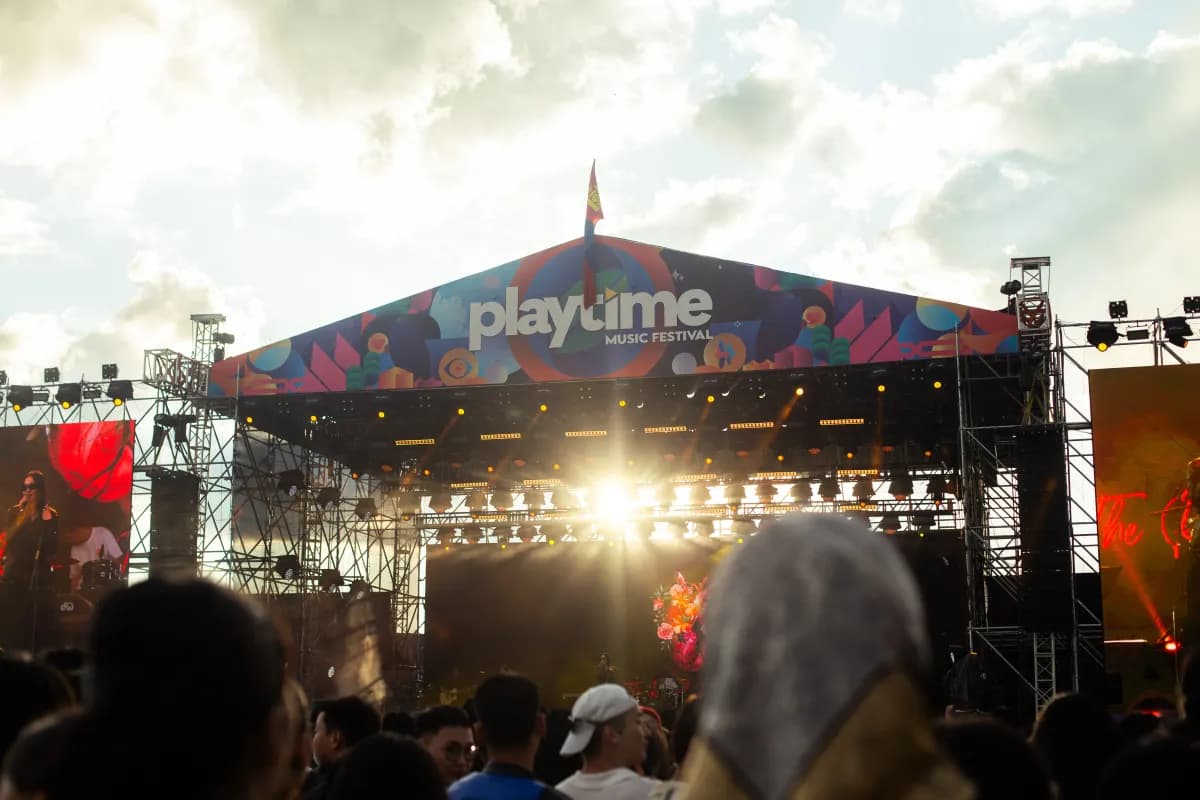
The festival operates on a format that divides the day into daytime sessions featuring lighter acoustic, world music and jazz acts alongside workshops on music production and cultural crafts, transitioning to nighttime headline sets. That arc from afternoon to late night, from local cultural programming to international electronic headliners, is one of the things that makes Playtime unlike any European equivalent. You are not just attending a festival. You are being taken through something that has a very specific relationship to the place it exists in.
The Naadam connection
One of the most unique things about Playtime's identity is its timing. Playtime takes place right before Naadam every year, almost like a tradition. Many people go to Playtime and then head straight to the countryside to celebrate Naadam, creating a perfect combination for visitors: they can experience Mongolia's open steppes, see the Gobi desert, celebrate Naadam and enjoy an international-quality music festival all in one trip. Naadam is Mongolia's most significant national festival, a celebration of wrestling, horse racing and archery that has been inscribed on UNESCO's Intangible Cultural Heritage list. The fact that Playtime sits right before it's not incidental. It creates a window in early July where Mongolia becomes one of the most genuinely interesting places in the world to be, and Playtime is the reason a growing number of international visitors now choose that specific window to come.
About 2,000 tourists came to Mongolia specifically for Playtime last year, creating significant added value for the economy across the broader cultural and creative sectors. That number will grow. Once word spreads in the right circles about the quality of the electronic programming. Playtime will start appearing on the plans of people who currently spend their summers bouncing between the same circuit of European events.
The challenges that make it more impressive
Running a festival of this scale in Mongolia is hard in ways that most festival organisers will never encounter. The weather is a major challenge where its rain or wind. In 2023 the final day had to be cancelled due to flooding, and the team relocated to a new area to avoid future floods. The climate int Mongolia is very unpredictable and the question always remains: what if it's too windy, what if it rains. Equipment has to be imported from neighbouring countries. Technical riders for international artists have to be met with resources that require signicant logistical effort to source. The level of preparartion required to maintain international production standards in this environment is enormous, and the fact that Playtime consistently delivers its a testament to how seriously the team takes the craft of running a festival.
Why it matters for the Asian underground
Playtime aims to achieve top-five status among Asian music festivals by 2027 through expanded sustainability efforts and projects attendance exceeding 100,000, with seven stages planned for 2026. Those are ambitious targets but not unrealistic ones given the trajectory of the past few years. The 2024 edition drew 71,000 people. The electronic programme has progressively attracted more internationally recognised names. The venue infrastructure has been rebuilt from the ground up to support larger crowds and better production.
What Playtime represents in the context of the broader Asian underground scene is something important. It proves that serious electronic culture can exist and flourish in places that have no obvious connection to the European circuits that dominate most coverage of the genre. Mongolia is not on anyone's standard festival map. Playtime is quietly changing that, one edition at a time, by doing the work consistently and letting the quality of the experience speak for itself.

The 2026 edition runs July 2 to 4. Be there, don't miss out.
Read Next

Stay in the loop
Asian electronic music, weekly