
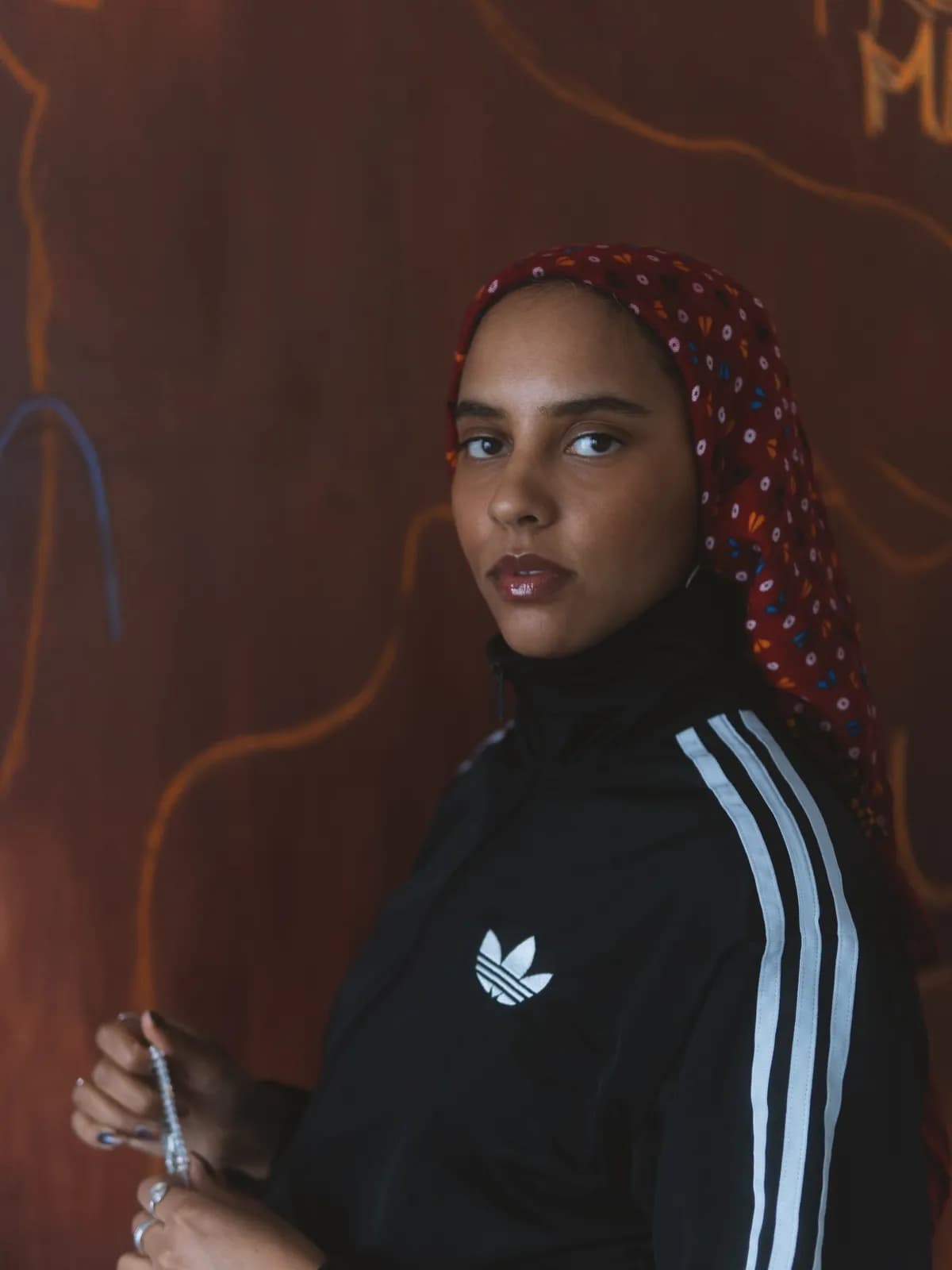
Dunya Means World. Khadija Is Building One.
There is a producer in Berlin making the most personal project in house music right now. Her name is Khadija. Dunya means world in Arabic and the trilogy she is building on Radio Slave's REK'D label explores exactly that. Faith, grief, resilience, one chapter at a time. Dunya I came in January. Dunya II just landed May 1. One chapter still to come. Get familiar before the world catches up.
There Is a DJ in Berlin Who Builds Worlds, Not Just Records
Not every artist announces themselves loudly. Some of them just put the music out and let it do the talking, and then you find yourself standing on a dancefloor somewhere wondering who made what you are currently listening to and why it is hitting you somewhere you did not expect.
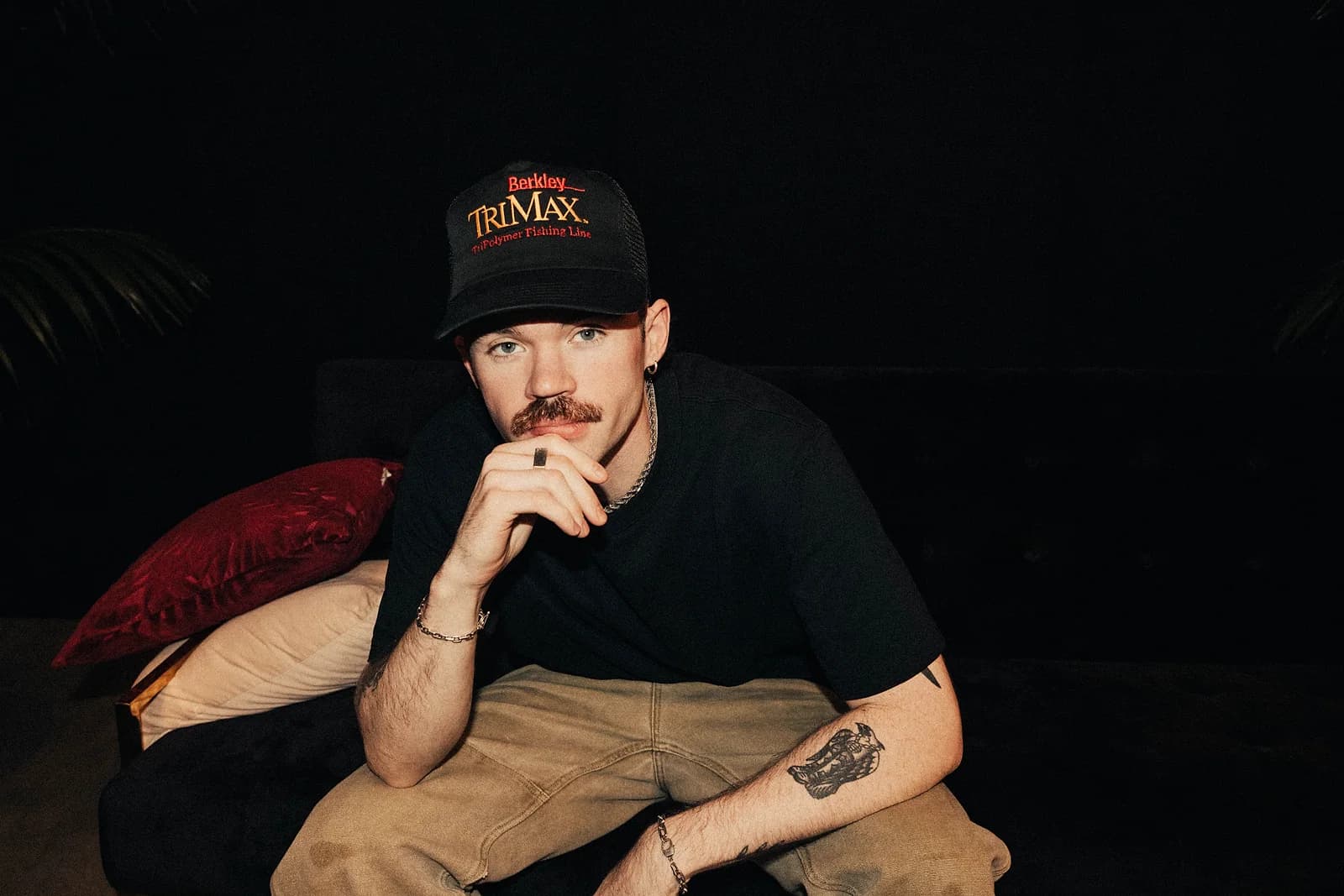
Khadija is that kind of artist. Berlin-based, Eritrean-rooted, self-taught, and operating entirely on her own terms, she has just released Dunya II, the second chapter in a three-part series on Radio Slave's REK'D label, and it dropped on May 1, 20 2ithout fanfare, without a campaign, without a single piece of noise that was not the music itself. That is not an accident. That is a philosophy.
The house music world is catching up to her. It is about time.
Where 'Dunya' Begins
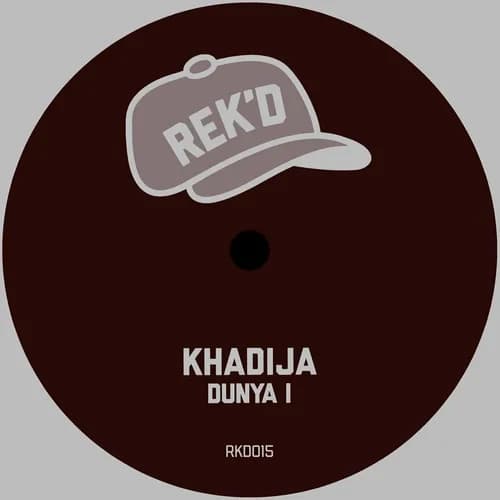
Dunya I, the first chapter of the trilogy, arrived on REK'D on January 23, 2026. Two tracks. Quiet, unhurried, devastating in the best way.
DJ Mag described it as "a quiet reminder that less can be more, authoritatively delivered across two artful deep house soothers." It opens with 'Dreaming', a gently swinging, atmospheric deep house cut, with luxuriant pads, elastic percussion, and the strains of a heavenly choir. On the flip is 'Soul Clap', an 11-minute trip built on a vocal loop that expands into a hypnotic, locked-in groove, complete with gospel harmonies and swelling strings.
The record did not sound like it was trying to get played by anyone in particular. It sounded like it was trying to say something true. That is a distinction that matters, and it is exactly why the people who found it could not stop talking about it.
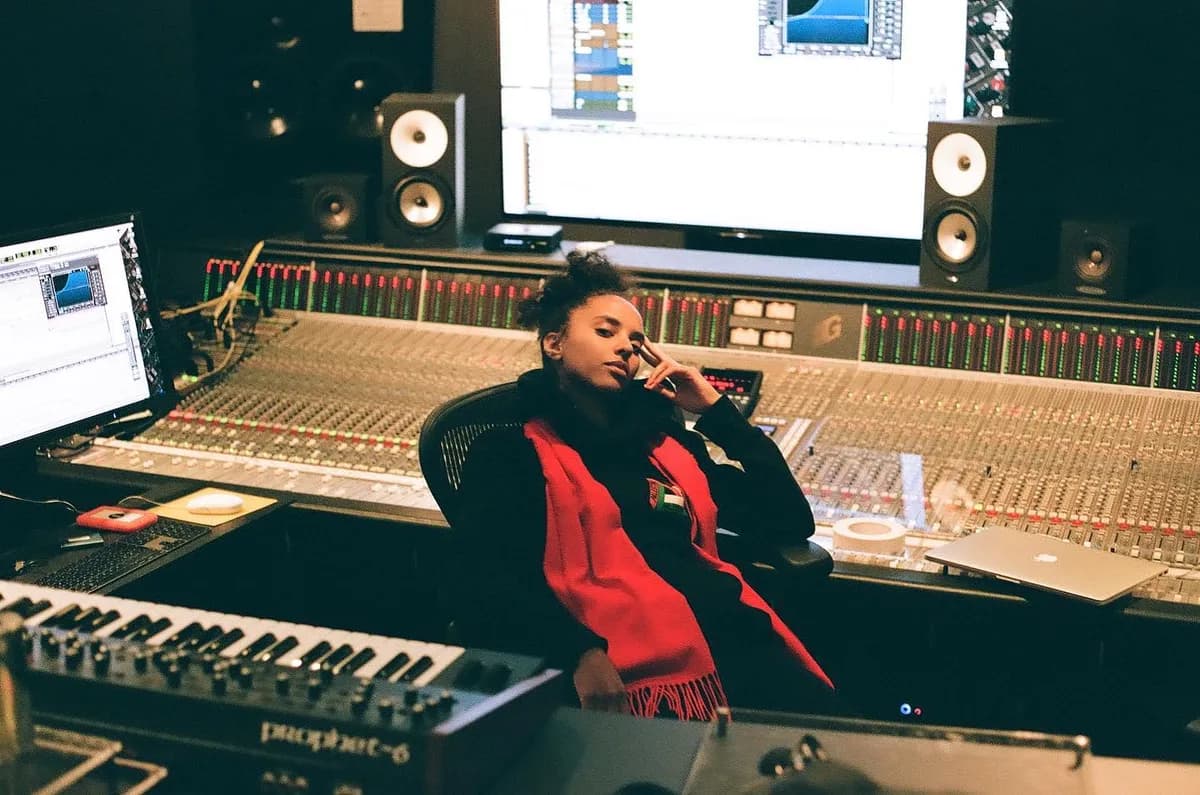
Khadija described the project simply: "Dunya I is the first chapter of a trilogy and a deeply personal heart project born in my kitchen in Berlin in August 2025. Created during a period of family crises, personal challenges, and intense reflection, every sound was guided solely by my heart.
Dunya explores life, faith, resilience, and emotion, my personal testimony of finding strength, hope, and connection even in the most difficult times."
Dunya, for context, means "world" in Arabic. She is not using the word lightly.
And Then Came Chapter II
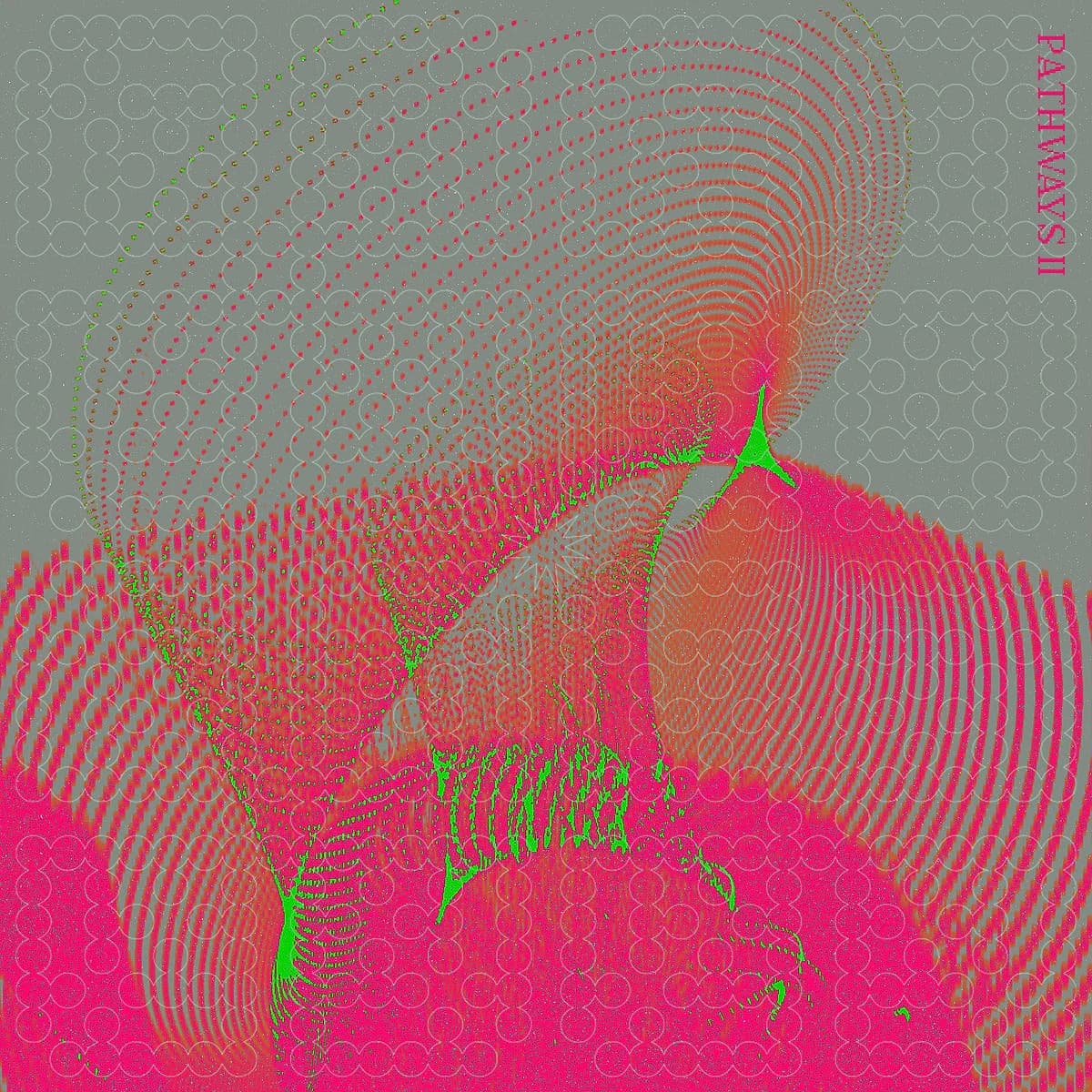
Dunya II arrived May 1, 2026, three tracks, each named with the kind of directness that makes you pay attention before a single note plays: Good. Heart. Soul.
The opening track, 'Good', leads with a chorus of heavenly voices over uplifting piano, before the keys give way to a sizzling synth line and a distinctive spoken testimony. 'Heart' follows with a beautiful acoustic guitar underpinning expressive vocals. 'Soul' closes the record with further gospel-inspired elements over a cool bass and an addictive shuffle of drums.
Magazine Sixty described it as "equally tasteful... simple, unfussy, direct storytelling that does what it does best." Three tracks. Twenty-two minutes. No wasted space.
What the two chapters together establish is something rare in 2026 dance music: an artist with a genuine point of view, releasing records that belong to each other, building toward something larger than any single moment on a dancefloor.
The Background That Made the Music
Growing up in southern Germany, Khadija first had an early obsession with dancehall, reggae, and Michael Jackson, and later played in jazz and soul bands. She describes herself as a working class child, a background that shaped a production journey built entirely on self-teaching, online tutorials, and relentless practice, without any of the formal pathways or industry connections that tend to smooth other people's roads.
Her soulful sound is intrinsically tied to her Eritrean heritage. "We were taught Arabic, Tigre, Tigrinya," she has said. "These languages themselves are very emotional. You express yourself and you articulate the way you feel for someone else, for God, for the flower, for the ocean. It's all very deep."
That depth does not arrive as a concept or a brand. It arrives in the music itself, in the pacing, in the space between sounds, in the way her records seem to breathe.
Her father used to sit with her and listen to instrumental music full of strings and flute, from Eritrea, Sudan, Egypt, and Yemen, telling her to listen to the different instruments and elements. That early education in attentiveness runs through everything she makes. She has put it plainly: "Long tracks, they take time. You walk through it, like a journey. You have to let yourself merge with the music."
The Scene Around Her
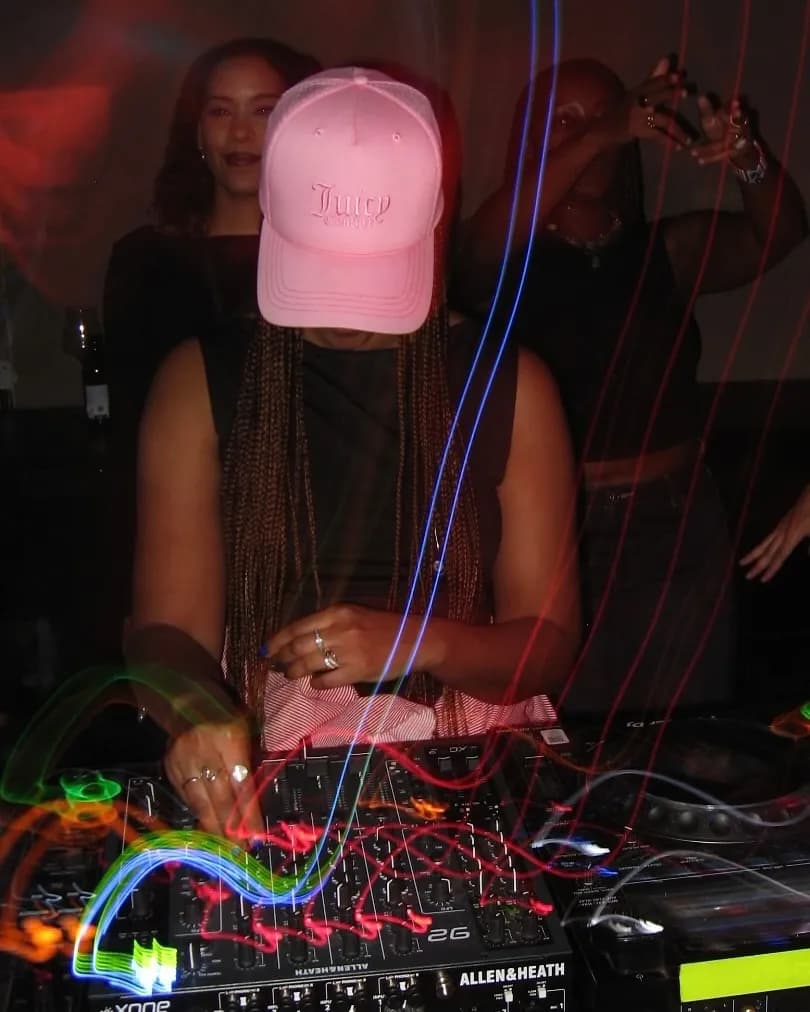
Khadija is a resident at Heideglühen and the founder of the Rafiki artist collective, four friends, she has said, connected by music across very different walks of life. Her live CV includes Robert Johnson, Tresor, and Fusion Festival. These are not venues that book artists as favors. They book artists who belong in the room.
Her collaboration with Detroit's Stacey Hotwaxx Hale earned playlist support from Keinemusik, who also hosted her for a guest radio show. When Keinemusik, one of the most trusted tastemaking outfits in contemporary house music puts your name on something, the rest of the scene pays attention.
REK'D itself, the label she is releasing through, was launched in October 2024 by Radio Slave's Matt Edwards as a home for no-nonsense house music, free from the limitations of his parent label Rekids. It has become a home for dancefloor-focused releases from artists including Avision, Rocco Rodamaal, James Curd, and Denney. The company Khadija keeps on that roster says everything about where she sits in the conversation.
Why She Matters Right Now
House music in 2026 has a surplus of energy and a shortage of patience. The genre rewards volume and velocity, and a lot of what gets heard is built for the fastest possible impact. Khadija is building something entirely different, a trilogy of records rooted in grief, faith, community, and heritage, released quietly on one of the most respected labels in the underground, with no shortcut in sight.
Dunya II just landed. Dunya III is still to come. The world she is building, track by track, chapter by chapter, is one of the most considered projects in house music right now.
The kitchen in Berlin where this all started was small. The music that came out of it is not.
Read Next
Stay in the loop
Asian electronic music, weekly