
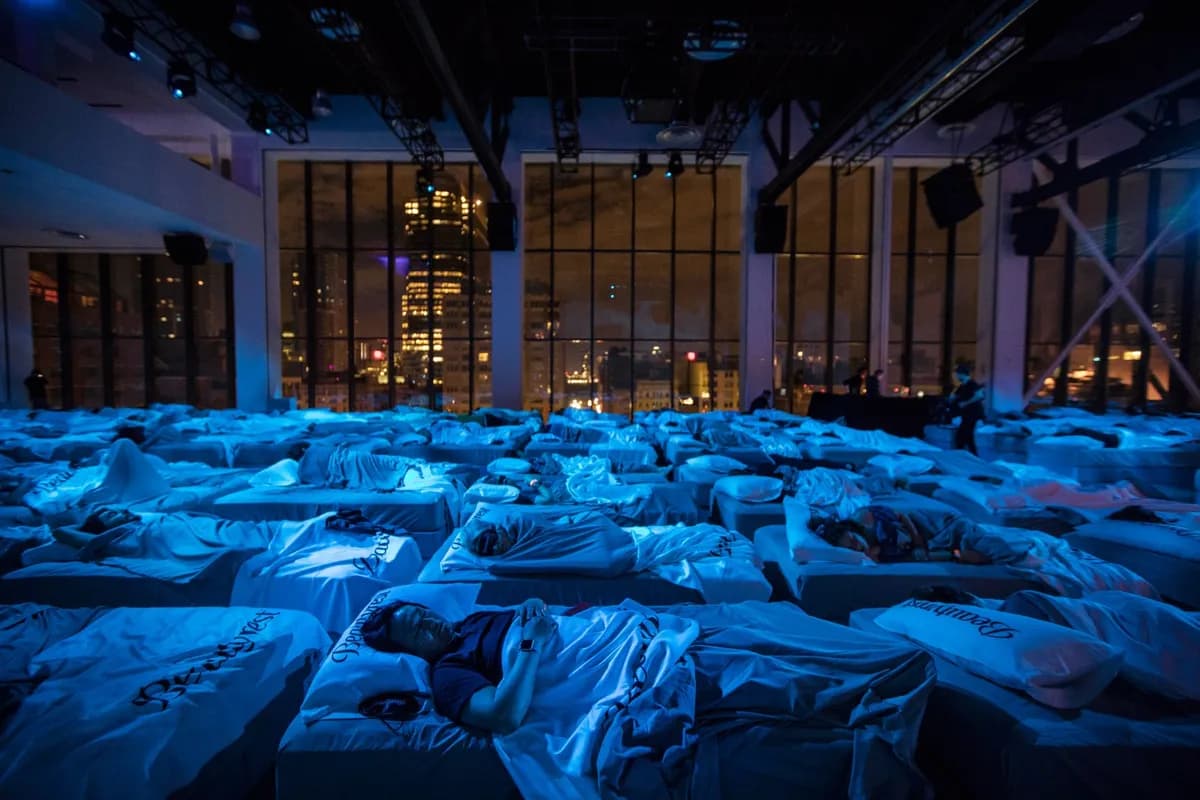
Sleep House 2026: How Ambient Grooves Became a Wellness Ritual
From the chillout room to the bedroom playlist, from soft raving to ambient house, electronic music and rest have always had a complicated relationship. In 2026, that relationship is finally being taken seriously.
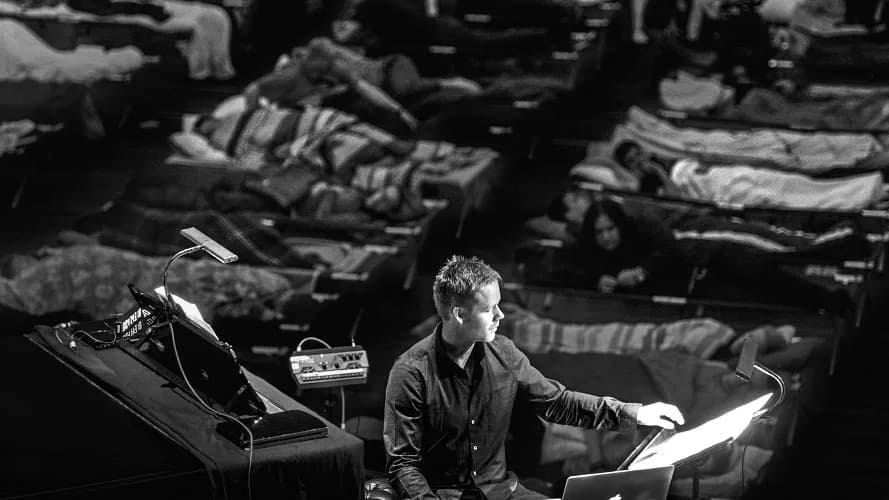
In 2026, sleep-focused house music has moved beyond “background listening” and evolved into a hybrid culture combining wellness tech, immersive art spaces, and high-end lifestyle branding. Deep House, Ambient House, and Lounge are now being curated as tools for night-time recovery, not nightlife escapism.
There has always been a room at the back of the club where nobody was dancing. Lined with sofas, lit in amber, playing something slower and warmer than whatever was rattling the main floor. The chillout room was where house music and sleep first made their arrangement. People went in to recover.
They went in to come down. Sometimes they went in and just stayed, letting the music do whatever it was doing without being asked to do anything in return. That room, and the music that filled it, was as essential to the culture as the dancefloor itself. In 2026, the room has gotten bigger. It has, in some senses, become the entire building.
The shift has not happened overnight, and it has not happened for one reason. A generation that grew up with house music on streaming platforms, fed to them by algorithm while they studied, slept, cooked, and recovered, does not relate to the genre the way a club-raised generation did.
For them, the beat was always ambient, always background, always present without demanding presence. At the same time, a broader cultural reckoning with rest with sleep as something that matters, that can be designed, that is worth protecting has met house music at an intersection neither side fully anticipated.
From Dancefloor to Meditation Space
House music has always carried hypnotic qualities. The repetitive groove, the steady tempo, and the emotional restraint of deep arrangements make it naturally compatible with meditative states. In 2026, the scene is actively leaning into that connection. A growing number of festivals and art venues are now designing events where electronic music is paired with mindfulness concepts. Instead of a traditional club narrative, these spaces treat sound as an immersive tool.
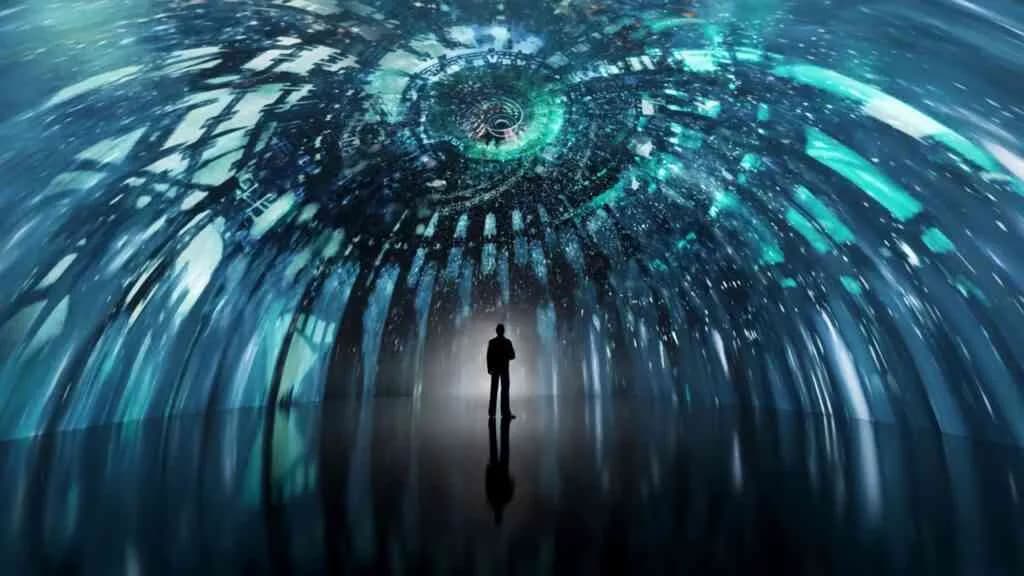
In Hong Kong, the FutureScope project at Kai Tak Sports Park has become a reference point for how electronic sound design can merge with multi-sensory installation culture. The experience integrates ambient electronic textures, vocal elements, and spatial audio environments to create a calm, almost therapeutic atmosphere. This is not a club environment, and it’s not pretending to be one. It is positioned as sensory architecture.
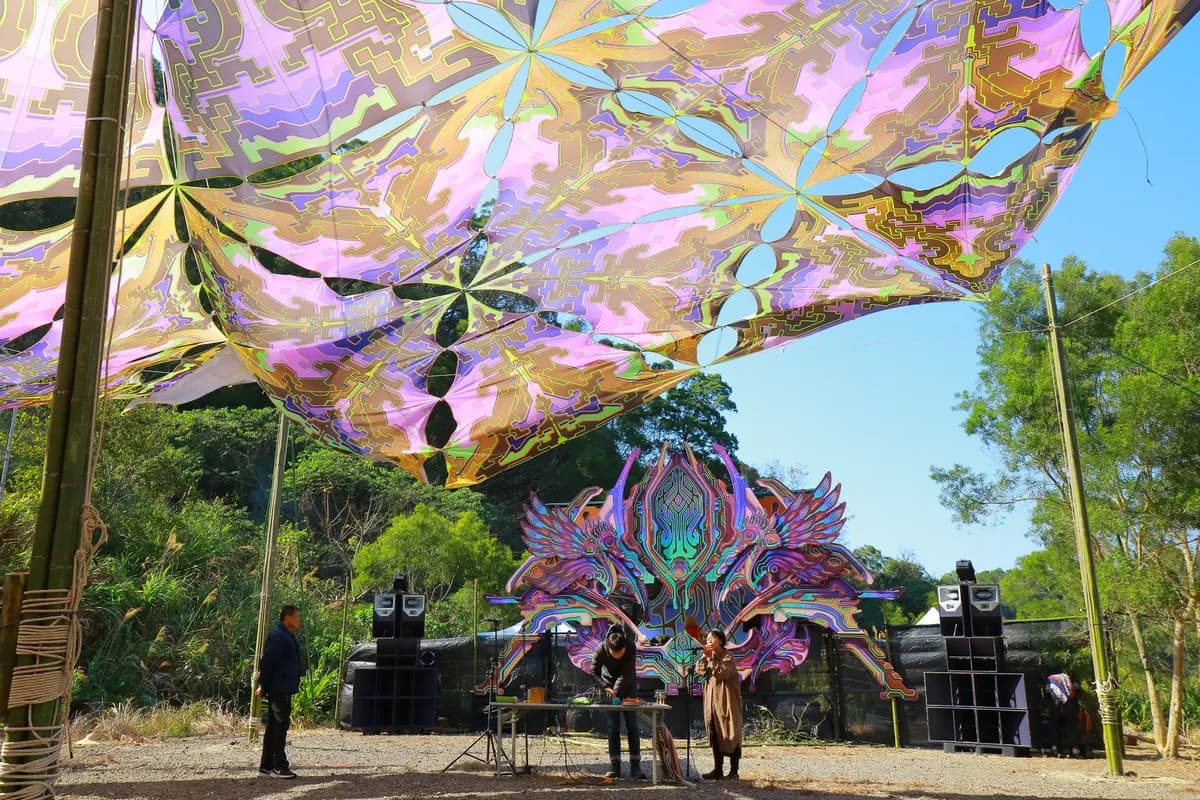
Similarly, themed events like Miracle 2026 Music & Arts Festival emphasize the idea of rhythm as a reset mechanism. Instead of selling “party energy,” these festivals sell restoration. The crowd is not there to chase peaks. They are there to slow down, to disconnect, and to experience electronic music as an emotional environment rather than a nightlife product.
Sleep Day Mixes and Functional House Music
One of the clearest signs of this movement is the emergence of music created specifically for sleep-related milestones. For World Sleep Day 2026, producers Mark Barrott and Richard Norris released a dedicated DJ mix on Apple Music. It’s a small cultural moment, but symbolically significant: electronic music is no longer simply “listened to before bed,” it is being marketed as part of a sleep toolkit.
This aligns with what is happening across platforms like YouTube, where “Deep House 2026 Chill Out” and “Lounge House Sleep Mix” content continues to dominate long-form listening culture. The production formula is consistent: low BPM ranges, minimal rhythmic tension, warm pads, gentle basslines, and slow-evolving harmonic movement.
Unlike club deep house, these mixes often avoid aggressive transients and sharp percussion. The focus is on continuity and softness. The groove still exists, but it is engineered for nervous system regulation rather than dancefloor release.
Sonic Healing, Texture Culture, and Futurist Atmospheres
Another major element of sleep house culture in 2026 is the rise of “sound healing” language in electronic music spaces. The audience is paying closer attention to texture, tone, and narrative. Producers are increasingly designing tracks as environments rather than songs. This is where ambient house overlaps with sound art and futurist listening culture.
Albums like Mengdong’s Tomorrow Sound explore psychedelic ambient structures with futuristic sound design, offering a kind of cinematic calm that works best in late-night solitude. The listening experience is less about rhythm and more about atmosphere expansion.
The Challenge
One challenge about this trend is terminology. What do we call this music?
Ambient house is the most established term, but it carries historical baggage (The Orb, The KLF, early 90s chill-out rooms).
Deep house works for some of it, but deep house has also come to mean something more dancefloor-oriented.
Sleep house is emerging as a descriptor, but it’s not yet widely adopted.
Chill house is used by playlist curators (Francis Skyes has “Chill House 2026” playlists with “Good Vibes Only” as the tagline), but it risks sounding like background music rather than serious art.
Perhaps the best approach is to recognize that this music exists on a spectrum: from the most functional (tracks explicitly designed for insomnia relief) to the most artistic (øjeRum’s thirty-minute meditations). What unites them is a shared commitment to atmosphere, duration, and a different kind of listening experience.
The Wellness Turn and What It Means for the Genre
The broader context cannot be ignored. House music's encounter with sleep culture in 2026 is happening inside a much larger shift in how nightlife and wellness relate to each other. Coffee-led dance events, morning listening sessions, and early daytime parties are becoming normal in cities where people still want music but no longer want the physical cost attached to traditional nights out.
The same impulse that is filling morning rave events is also filling Spotify's sleep playlists with ambient house edits. It is a generation that wants the feeling without the price: the warmth of the bassline without the three-day recovery that sometimes came with it. Wellness raves, sauna gatherings, cold plunges with soundtracks keep the collective feeling, remove the rituals that no longer feel essential.
The logic extends into the bedroom. If you can experience the emotional register of house music without needing the club to deliver it, then the club's monopoly on the genre is over. And that, for the music, is not a crisis. It is an expansion. None of this should be read as house music retreating from energy.
The genre's ability to sustain a four-on-the-floor pulse for hours, to build tension and release it, to carry a dancefloor through the small hours of the morning these capacities have not diminished. What has changed is the understanding of what makes those capacities possible. A body that has slept well dances better. A crowd that is not chemically overwhelmed can feel more.
House music, with its long history of understanding what bodies need in the dark, is well placed for that conversation. The chillout room was always there. In 2026, it has finally made it, ambient house offered a sonic sanctuary for inward reflection with contemporary producers creating emotionally nuanced electronic music that substitutes abrasive intensity with evolving soundscapes and atmosphere synths.
Read Next
Stay in the loop
Asian electronic music, weekly