
Underground Club Culture vs. Festival Culture: Two Worlds, One Dancefloor
The Dancefloor Divide, how Underground Clubs and Festivals Are Becoming Two Completely Different Electronic Music Universes. Electronic music's club culture is facing an existential moment as bigger venues, higher ticket prices and social media turn dance floors into spectator events. Underground EDM is rooted in artistic integrity and community, while mainstream EDM is more pop-influenced and festival-oriented.
The split between these two worlds has become irreconcilable. An underground House club in Berlin operates according to different logic than Ultra Miami. A basement techno warehouse operates according to completely different philosophy than Tomorrowland. In 2026, these are not opposing approaches to the same culture. These are two separate cultures that happen to use electronic music.
The rise of festival culture over the past two decades has fundamentally altered how electronic music is consumed, experienced, and understood. In 2026, the tension between the underground club and the festival is sharper than ever. This feature explores what each culture preserves, what each risks losing, and whether the dancefloor can still hold both.
The Fundamental Philosophical Difference
The Club
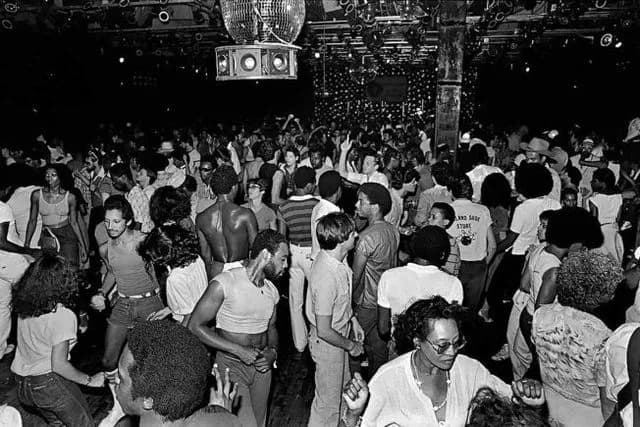
The underground club is not a venue. It is a container for a specific kind of experience: dark, sweaty, unpolished, and deeply communal. The architecture, low ceilings, sound systems tuned to the room, a booth tucked in the corner serves a single purpose: to focus attention on the music and the crowd.
In the club, the DJ is not a performer but a guide. The booth is not a stage but a bridge. The lighting is not a spectacle but a mood. Everything is designed to dissolve the individual into the collective.
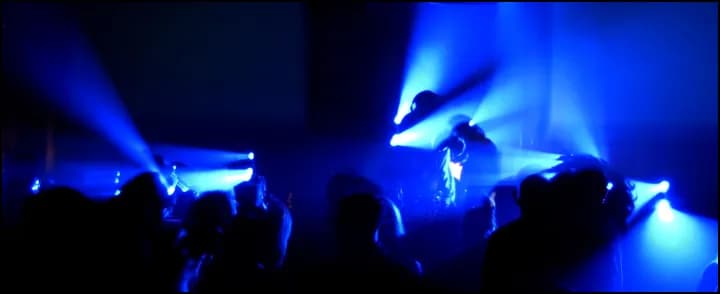
Underground clubs operate on three principles:
1.Artistic integrity over commercial viability
2.Community over spectacle
3.Patience over immediacy
The club operates on a different economy. It is not built for profit at scale but for sustainability, a door price that covers the talent, a bar that keeps the lights on, a community that returns week after week because it recognizes itself in the space.
The Festival
The festival, by contrast, is designed for scale. Tens of thousands of attendees, multiple stages, synchronized lighting, fireworks, and headliners whose fees alone exceed a club's annual operating budget. The experience is curated, marketed, and packaged.
The festival offers something the club cannot: accessibility. No secret handshake, no intimidating door policy, no need to know which DJ is playing which room. A festival is an event you attend; a club is a world you enter.
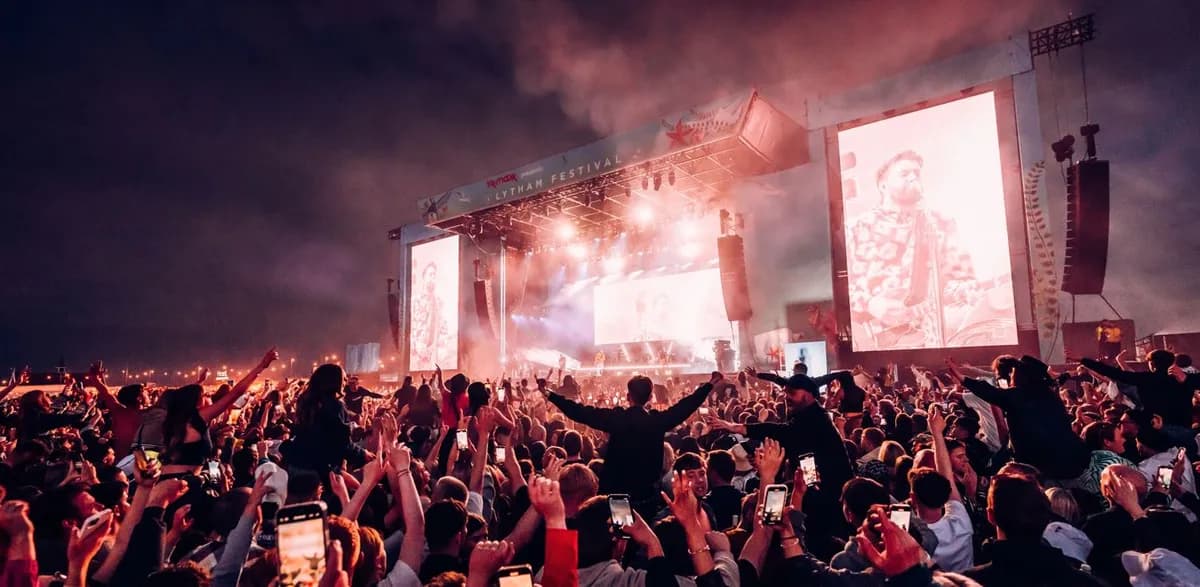
Festivals operate on three different principles:
1.Commercial viability requires artistic appeal
2.Spectacle builds community
3.Immediacy creates memory
But accessibility comes at a cost. The festival flattens context. A track that was built for a dark room at 4 AM becomes background music for a sunset set. The DJ who spent years refining their craft in small rooms becomes a figure on a screen, visible to thousands who will never see them up close.
What The Club Preserves
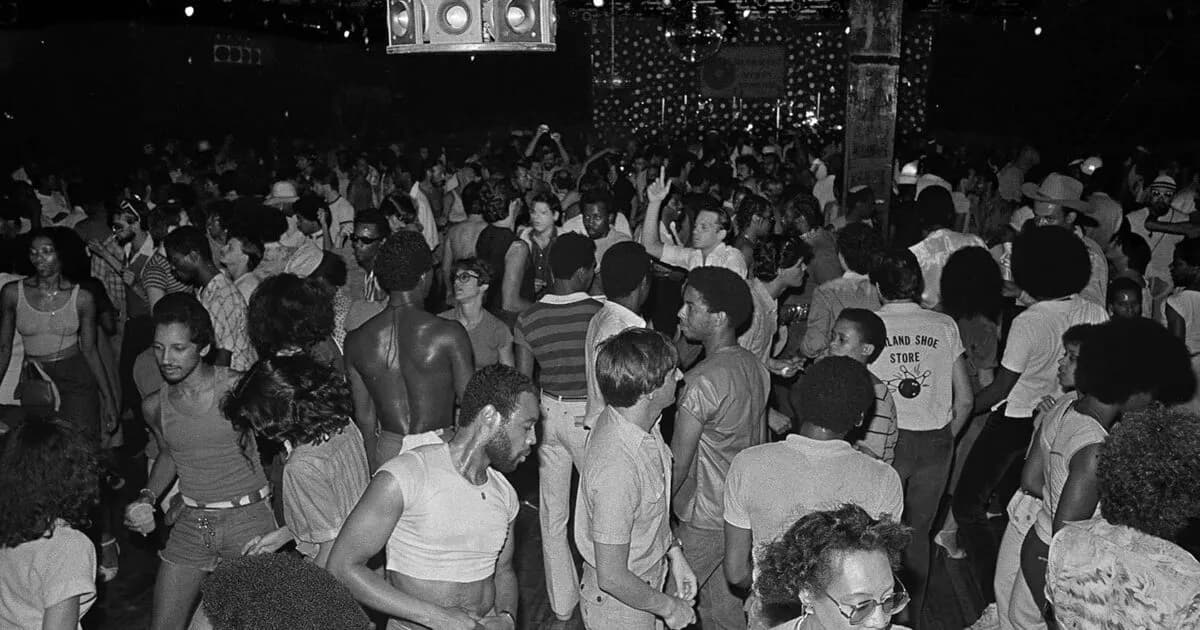
House music was born in Chicago's warehouses, spaces that were marginalized, illegal, and deeply political. The club scene preserved that history even as the music went global. The underground club is where the lineage remains intact: the connection to Larry Heard, Frankie Knuckles, Ron Hardy. The understanding that this music was created by Black and queer communities as an act of liberation.
The club transmits this knowledge through practice, not through marketing. You learn by watching, by dancing, by being in the room when a veteran DJ drops a record that connects the past to the present.
A festival set is scheduled. The DJ knows when they start, when they finish, and what kind of crowd they're playing to. The club set is open-ended. It can stretch for six hours, veer into unexpected territory, follow a mood rather than a plan. That willingness to risk the floor is what creates the moments that define a night: the track that no one expected, the transition that changes the energy, the hour when the room becomes something other than a collection of individuals.
A festival crowd is transient. It assembles for a weekend and disperses. A club community is continuous. It returns week after week, season after season. It knows the door staff, the sound engineer, the bartender. It recognizes faces across years. That continuity matters. It creates accountability. The DJ who plays badly one night will hear about it from people they see every week. The promoter who books the wrong artist will feel it in the room.
What The Festival Offers
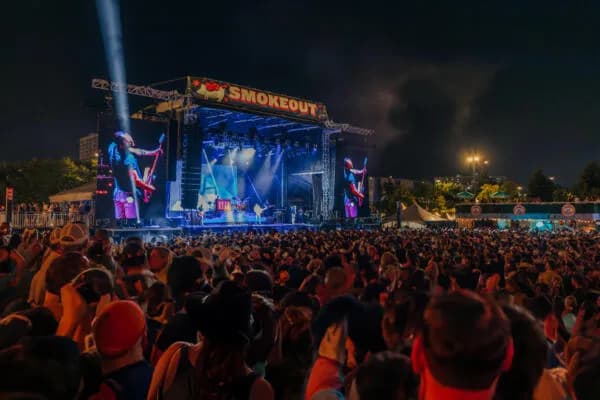
A festival can introduce more people to electronic music in one weekend than a club can in a decade. That scale matters. It creates entry points for people who would never step into a dark room at 2 AM. The festival also creates discovery at scale. A curator can book artists who would never headline a club night but who reach new audiences through festival exposure.
The tent becomes a filter: those who are curious will follow the sound, find the artist, and then find their club shows. The production values that festivals pioneered have also filtered back to clubs. Intimate venues now invest in lighting, sound, and visual design in ways that would have been unthinkable a decade ago. The boundary between club and festival has blurred in both directions.
For many artists, festivals provide the income that allows them to play clubs. The fees are higher, the exposure is wider, and the touring schedules are more predictable. The economic reality is that clubs alone cannot sustain a career for most artists. Festivals have become the industry's economic engine, subsidizing the smaller venues and scenes that produce the culture.
Where We Are in 2026
In 2026, the relationship between underground club culture and festival culture is more interdependent than ever.
The Festival: Festivals remain the primary entry point for new audiences. The festival-goer of today is the club regular of tomorrow or at least, that is the hope.
The Club: As festivals have grown larger and more commercial, clubs have become sanctuaries for those seeking something more focused. The post-festival club night is now a ritual for those who found the main stage lacking.
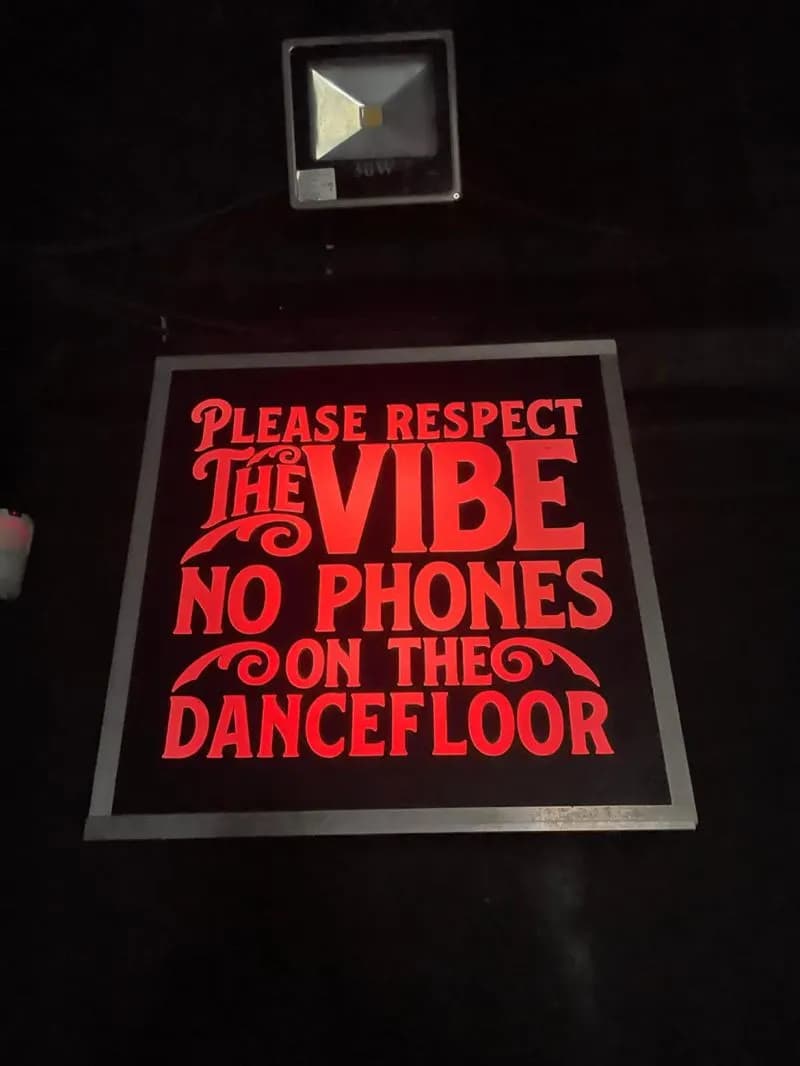
Increasingly, festivals are creating spaces within themselves that mimic the club. Smaller stages, extended sets, no-phone policies, and curated lineups that prioritize depth over spectacle. These are attempts to import the values of the club into the festival environment. Conversely, clubs are expanding. Multi-room venues, day-to-night programming, and weekend-long events blur the line between club and festival. The 24-hour license has turned the night out into a weekend-long experience.
The relationship between underground club culture and festival culture is not a zero-sum game. The club does not need the festival to fail. The festival does not need to replace the club. The club offers intimacy, transmission, and continuity. It is where the culture is preserved and passed down. The festival offers access, scale, and spectacle. It is where the culture is spread to new audiences. It is not a replacement for the club, and it should not try to be.
The dancefloor remains the point, the music still works, the community still forms. The question is not which format is better but whether both can continue to exist in a relationship that serves the culture rather than extracting from it.
Read Next
Stay in the loop
Asian electronic music, weekly