
What Is EBM, Explained: Kraftwerk Coined It, Hong Kong's Klasse Wrecks Still Presses It
EBM stands for electronic body music, a phrase Kraftwerk's Ralf Hütter coined in 1977. Forty-odd years later, a Hong Kong label is on its 62nd release of it, and a Bangkok record store pressed its own EP.
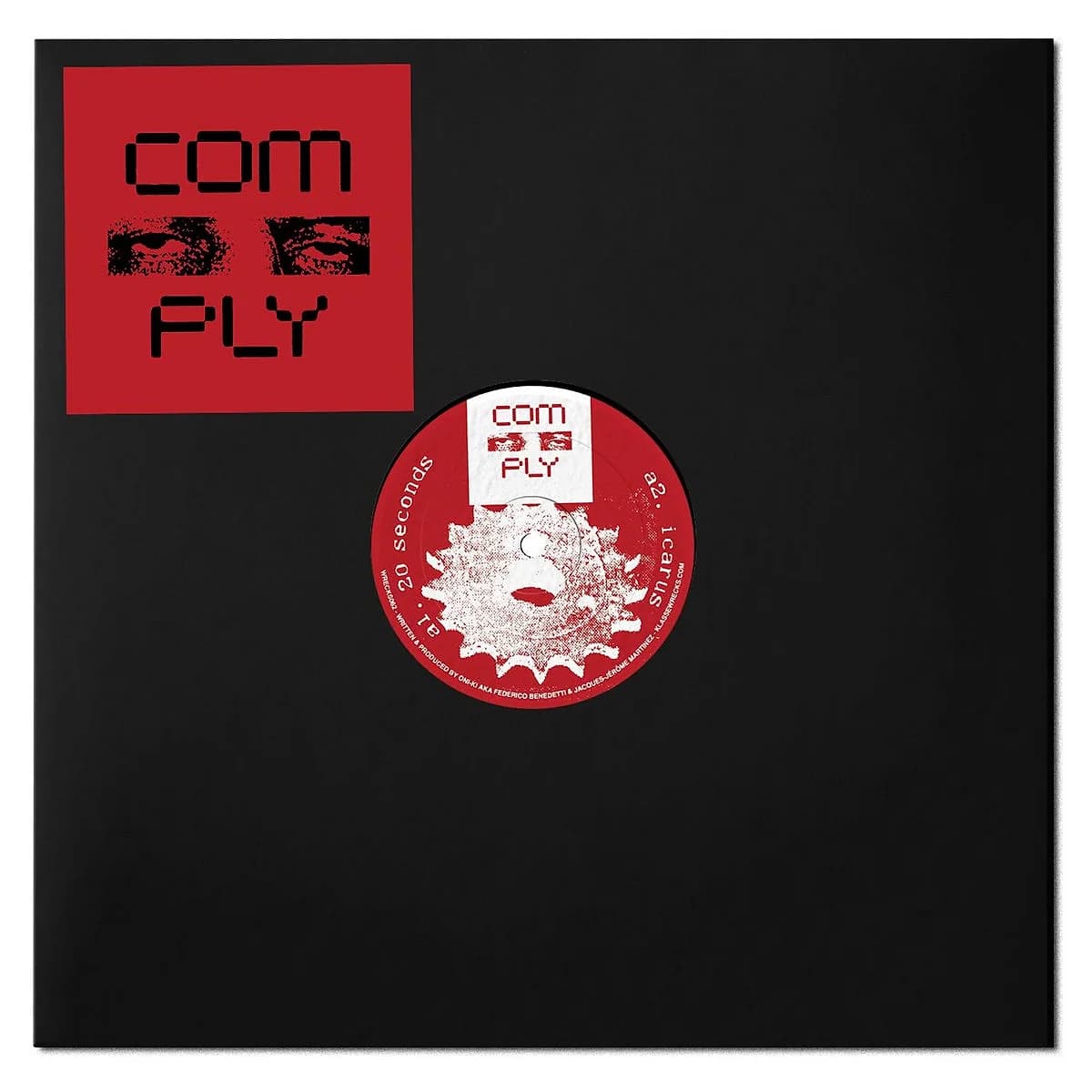
The opening track on 'Comply,' the Hong Kong label Klasse Wrecks' 62nd release, is titled '20 Seconds to Comply' and samples ED-209's boardroom warning from RoboCop, lifted whole. It's a cheap gag with a long pedigree. Militaristic menace set to a sequenced bassline is the entire premise of EBM, a genre that is forty-plus years old, never left, and is currently being pressed to vinyl in both Hong Kong and Bangkok.
What EBM Actually Stands For
EBM means electronic body music, and the name has three separate claimants. Kraftwerk's Ralf Hütter used the phrase in 1978 to describe the more physical, sequenced sound of The Man-Machine. Germany's DAF is short for Deutsch Amerikanische Freundschaft. In 1981, they called their own danceable electropunk "Körpermusik," body music. The term stuck for good in 1984, when the Belgian group Front 242 titled an EP No Comment and used "electronic body music" to describe it. Within a couple of years Britain's Nitzer Ebb, formed in Essex in 1982 by Vaughan Harris, Douglas McCarthy and David Gooday, had joined Front 242 and DAF as the genre's reference points.
None of this happened on a dancefloor. EBM grew out of the same late-70s industrial and post-punk scenes that produced Throbbing Gristle, but it borrowed disco's four-on-the-floor pulse and ran it through drum machines and analog sequencers instead of a live kit. The vocal style, barked rather than sung, came straight from punk. The result sounds like a military drill set to a club beat, which is more or less the point.
How EBM Differs From Techno and Industrial
EBM sits in the gap between its two neighbors. Industrial music, the genre it grew out of, cared more about texture and noise than rhythm; EBM is built to be danced to, with a steady, repetitive beat designed for a packed floor. Techno, which emerged in Detroit around the same years, shares EBM's drum machines and its debt to Kraftwerk, but it dropped the vocals and the martial aggression for something more mechanical and abstract. EBM kept the voice, the lyrics about control and obedience, and the sense that the music is giving you an order rather than a suggestion. That's also why it has aged into an adjective: a producer can make a house or techno track "EBM-leaning" just by adding a barked vocal hook or a sequencer line that marches instead of grooves.
Who Is Still Making EBM in 2026
Klasse Wrecks, the Hong Kong label behind 'Comply,' has been doing this for roughly fifteen years, mostly on vinyl and cassette, with side projects in zines and clothing. Co-founder Lucas Hunter sums up the label's approach in three words: "outside the industry." Partner Michael Ho puts it more simply: "we have always and continue to release music that we like." Comply is the duo's debut as a pair, credited to Onirik (Federico Benedetti) and JJ Martinez (Jacques-Jérôme Martinez), and the label describes the four-track EP as a soundtrack for "our current dystopian and surreal surroundings," built from "EBM, dark acid and rave ghosts lost in the mist." It came out on July 2, 2026, as a 12-inch and digitally.
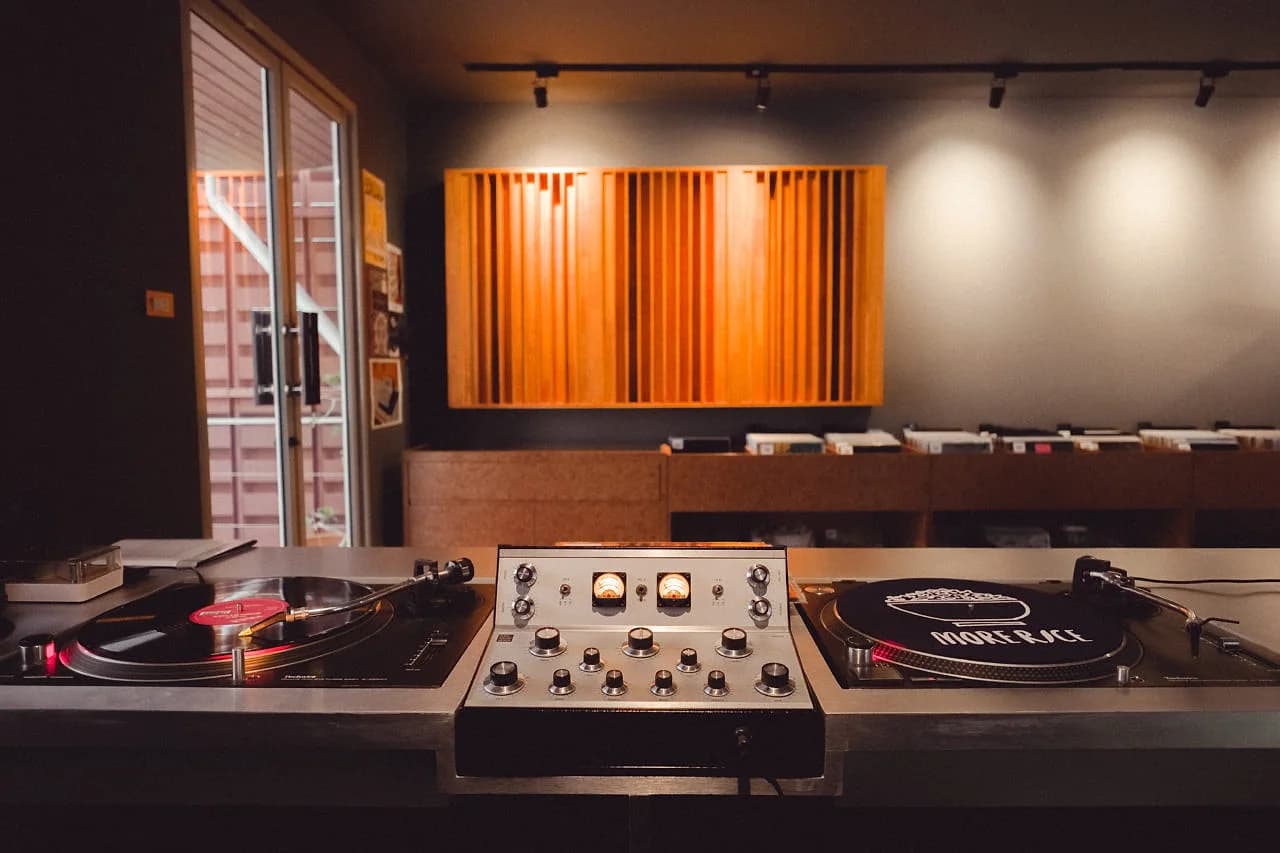
Bangkok's More Rice Records was founded in 2016 by Sarayu, DOTT and Mikhail Schemm. The label pushed the same direction with Work, an EP from the producer DZ that the label describes as loopy and driving, with space left open to be filled. A remix of Metalwork pushes the EP further into EBM. The label runs a physical record store and HQ on Sukhumvit 31. It keeps its catalogue on Bandcamp rather than a Spotify editorial playlist. Sarayu sums up the label's approach in her own words: "I think now it's about localization, not globalization. As we're from Asia, we're able to stand out from labels in Europe."
Where To Start Listening
If you want the genre's own founding document, start with Front 242's No Comment EP from 1984, the record that gave the style its name. For the current end of it, Klasse Wrecks' Comply and More Rice Records' Work are both on Bandcamp and both pressed to vinyl, which is still how most of this genre's audience actually buys it.
FAQ
What does EBM stand for?
EBM stands for electronic body music, a term Kraftwerk's Ralf Hütter used in 1978 and Belgium's Front 242 made permanent with their 1984 EP No Comment.
Who invented EBM?
Front 242 started blending danceable rhythms with repetitive sequencer lines. Britain's Nitzer Ebb was formed in Essex in 1982. Nitzer Ebb was influenced by DAF.
Is EBM the same as industrial music?
No. EBM developed as an outgrowth of both punk and industrial music. It combines sequenced repetitive basslines and programmed disco rhythms with command-like vocals.
Is there an EBM scene in Southeast Asia?
Yes. Bangkok's More Rice Records released Work by DZ in August. Hong Kong's Klasse Wrecks put out the EBM duo Comply's debut EP in July as its 62nd release.
What's a good EBM record to start with?
Front 242's No Comment came out in 1984. Klasse Wrecks released Comply. More Rice Records put out Work.
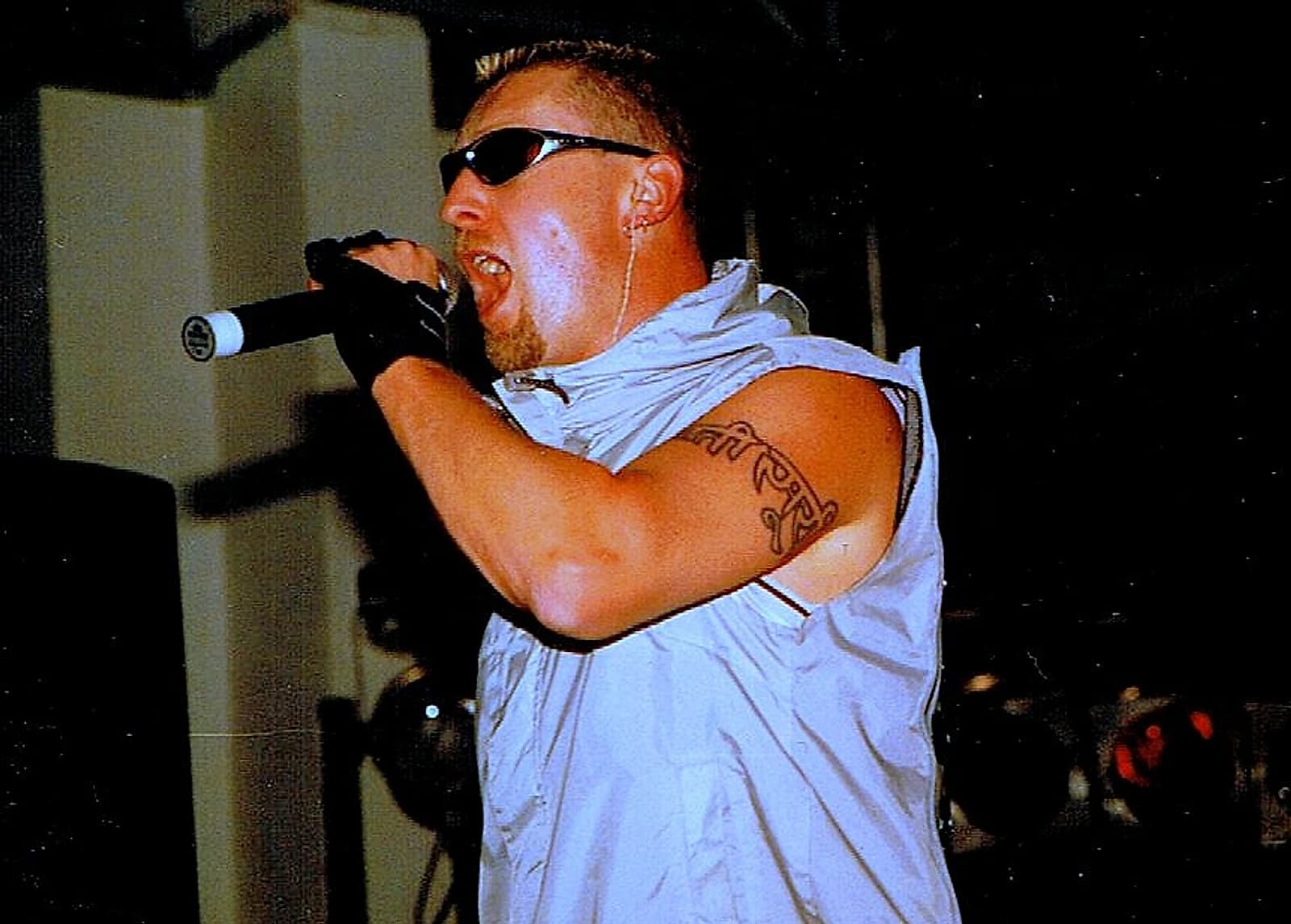
Cover photo: Front 242 live at Werk II, Leipzig, 2007. Photo: Matthias Alfa, CC BY-SA 3.0, via Wikimedia Commons.
Read Next

Stay in the loop
Asian electronic music, weekly