
Tag
Club Culture
Club culture in Asia: residencies, door policies, sound systems, the economics of a night out and the people who run the rooms.
99 articles
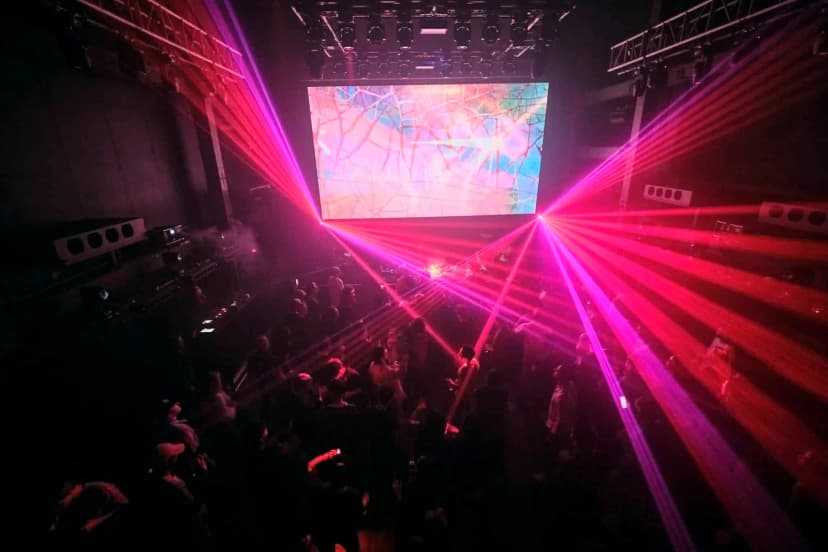
WOMB's Techno Night Session Turns 25 in Tokyo, and Bart Skils Is Headlining
Session, the long-running techno residency at Shibuya's WOMB, hits its 25th year tonight with Drumcode's Bart Skils on the main floor and three stages running until 4:30am.
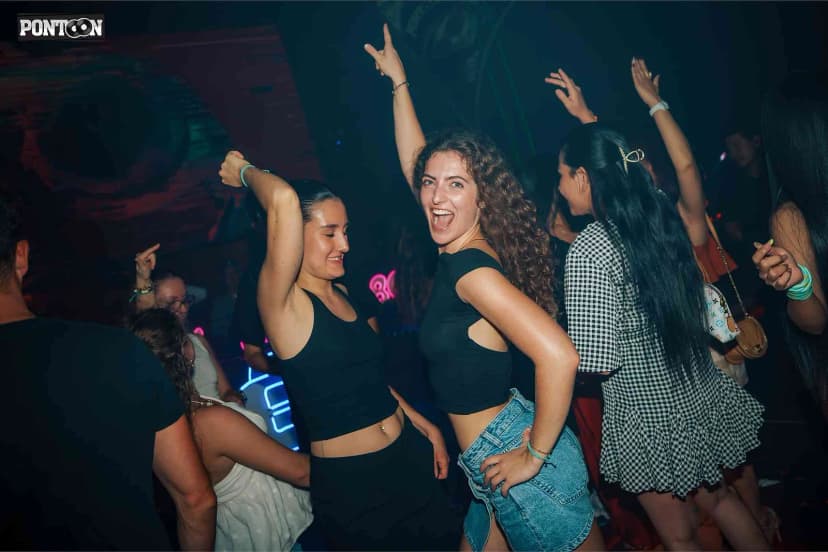
Pontoon Sank on Its Opening Night in the Mekong, and Phnom Penh Is Still Dancing There
On opening night, Pontoon's floating dancefloor took on water under the weight of its own crowd and sank into the Mekong. It got hauled out, moved onto dry land, and kept booking international DJs through Phnom Penh's best and worst years, including a three-time DMC world champion this month.
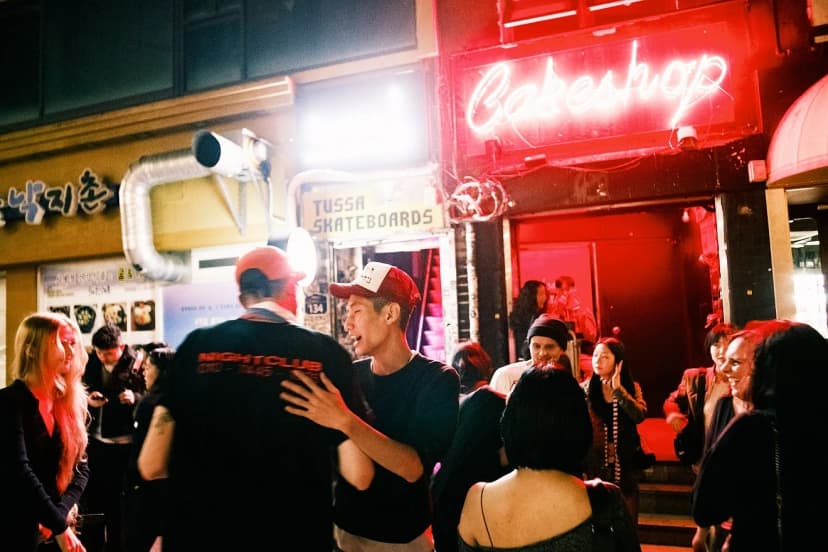
Seoul's Cakeshop Turns 14 With a 12-Hour Takeover of Two Itaewon Venues
Cakeshop marks 14 years on October 17 with a 12-hour party across Cakeshop and Pistil, headlined by Beijing cloud rap artist Bloodz Boi and more than 20 Seoul DJs and crews.
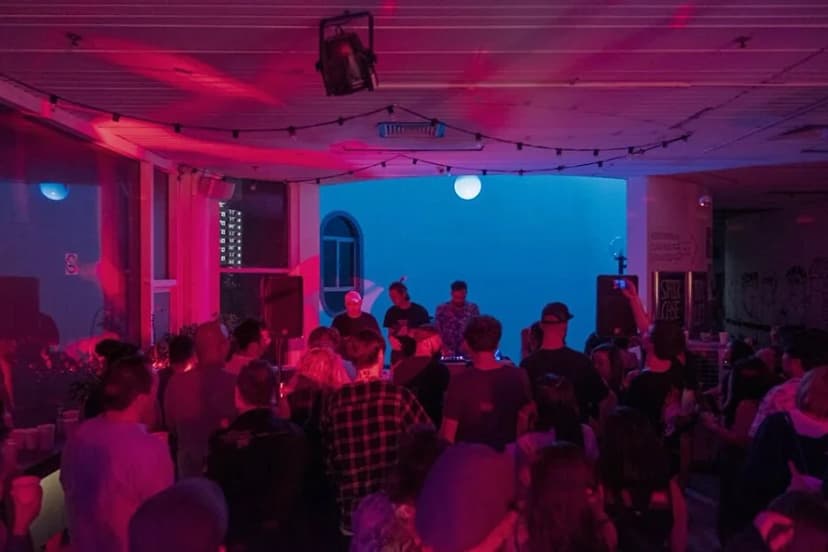
Midnight Shift Has Spent Over a Decade Resisting Singapore's EDM Boom, One Party at a Time
Midnight Shift started as a reaction against Singapore's EDM-chasing clubs: house and techno parties that refused to announce headliners. More than a decade on, its roster, its Modal nights and its newest tattoo-and-techno crossover are still running.
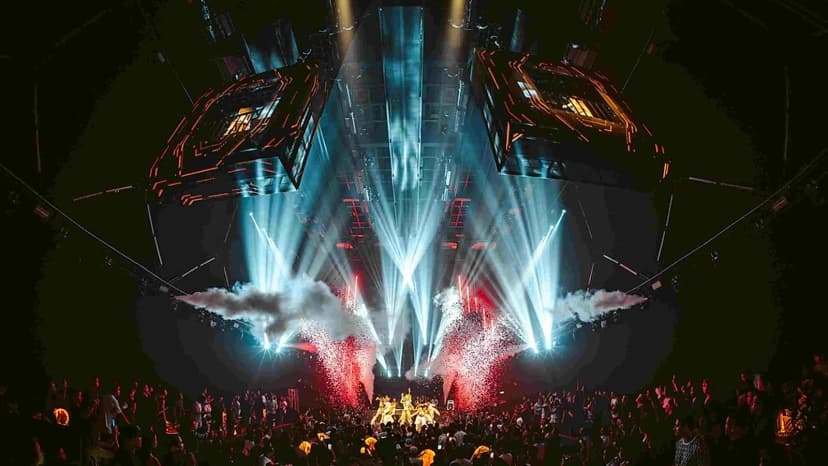
Vietnam's House and Techno Scene, Explained: What's Happening in Hanoi and Saigon Right Now
Savage Hanoi lost its villa to a government redevelopment, and Saigon's longest-running club closes this month too. What's replacing them, and where to actually hear house and techno in Vietnam right now.

Di Linh Has Lost Two Home Clubs in One Year, and She's Still DJing in Hanoi
Savage shut down on New Year's Day. The Observatory in Saigon closes at the end of this month. Hanoi's Di Linh built her whole career inside those two rooms, and she's still booked.
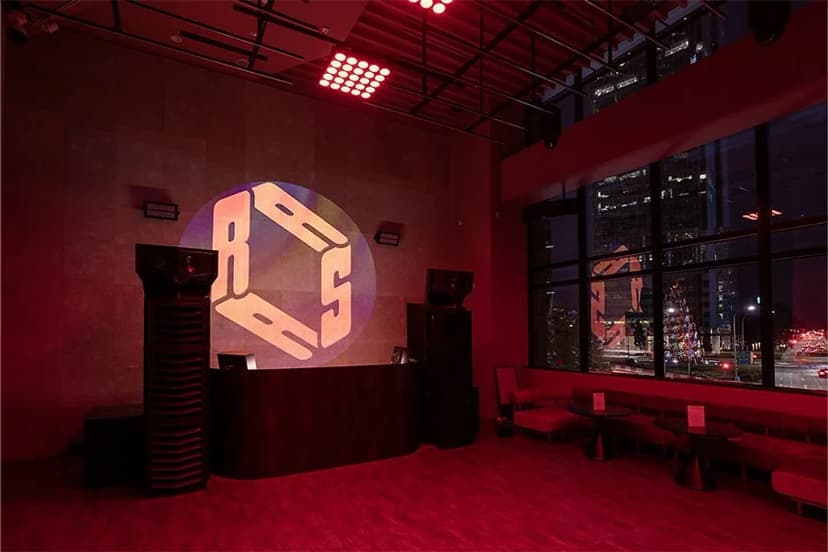
Ouissam Returns to RASA's Chocolate City as Kuala Lumpur's Alam and Shazan Take Over the Floor
RASA and Sivilian Affairs bring Hanoi's Ouissam back for Chocolate City's sixth edition on October 16, with Kuala Lumpur's Alam and Shazan leading the Floor inside a 66-storey Singapore office tower.

FVTURE Bangkok's Hyperclub Has Been Dark Since February
Southeast Asia's first hyperclub opened in Bangkok with ARTBAT, Kölsch and CamelPhat inside seven weeks. It's been dark since mid-February, with no reopening date given.
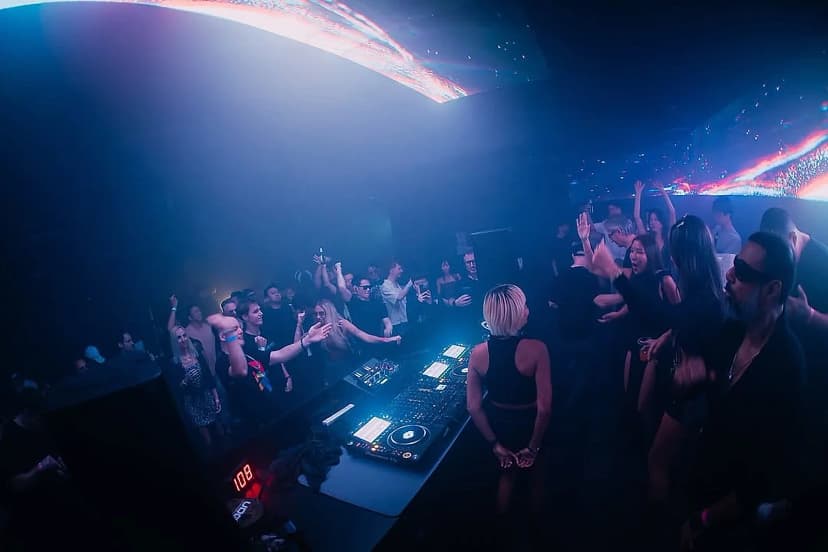
Bangkok Named World's Best City by Condé Nast Traveller, Weeks After Topping Time Out's Nightlife Ranking
Condé Nast Traveller put Bangkok first in its 2026 Readers' Choice Awards, a city that wasn't even in the top 20 a year ago. Time Out had already called its nightlife the best on the planet.
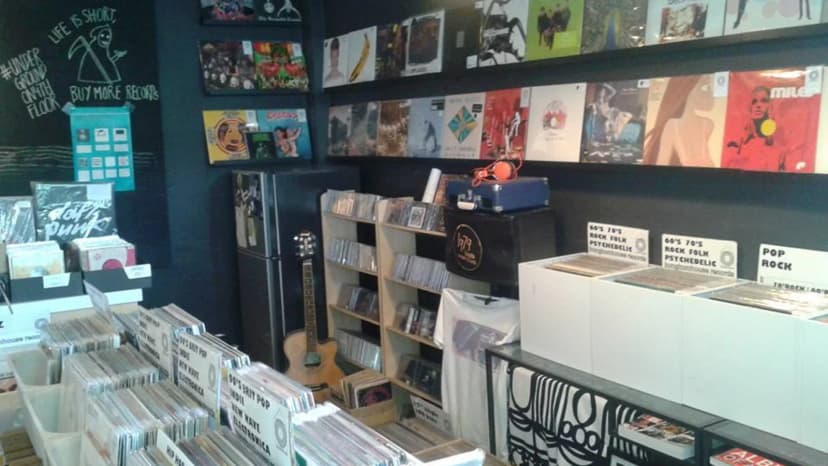
Where Southeast Asia's DJs Actually Buy House and Techno Vinyl
Bangkok's most famous record shop sells molam and luk thung. Singapore's best-known vinyl bar closed in 2020. Here is where Southeast Asia's house and techno DJs actually dig, city by city.

Brooklyn's Jadalareign and Tokyo's FU Bring Their Soul Night to Manila's Nokal Tonight
Before flying to headline Circus Tokyo on October 16, Nowadays booker Jadalareign and Tokyo selector FU make a Friday stop in a Makati mall basement that used to be a cinema.

MI/EN Took a Sold-Out London Techno Night and Brought It Home to Kuala Lumpur
Justine Mei Ern built her name on London dancefloors and a Pioneer DJ training programme. Mixmag Asia just named her one of 2026's artists to watch, and she's back in Kuala Lumpur running a sold-out psychedelic techno night and teaching the next generation on open decks nights.
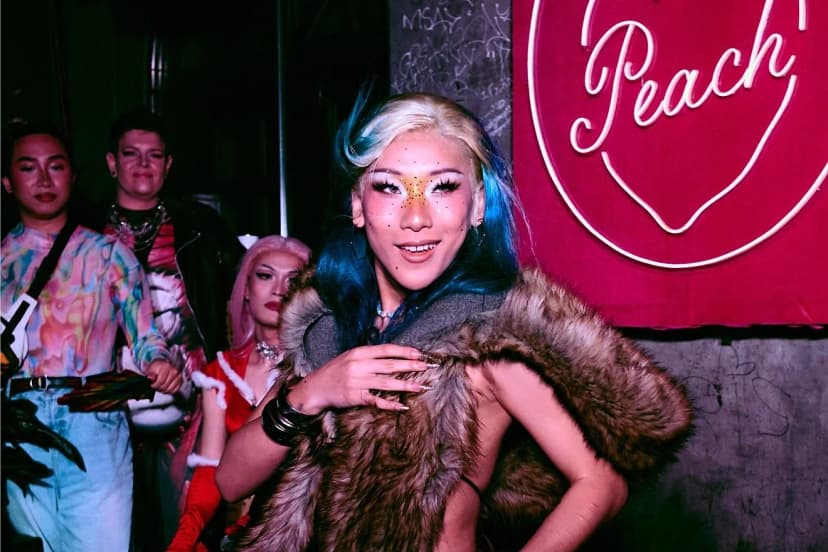
Snug's Queer Night Takes Over The Observatory for One of Its Last Saturdays Before Ho Chi Minh City's Techno Landmark Closes
The Observatory, Ho Chi Minh City's 13-year house and techno club, closes at the end of October. On the 10th, it hands the night to Snug, a queer party with a drag set from Peach.
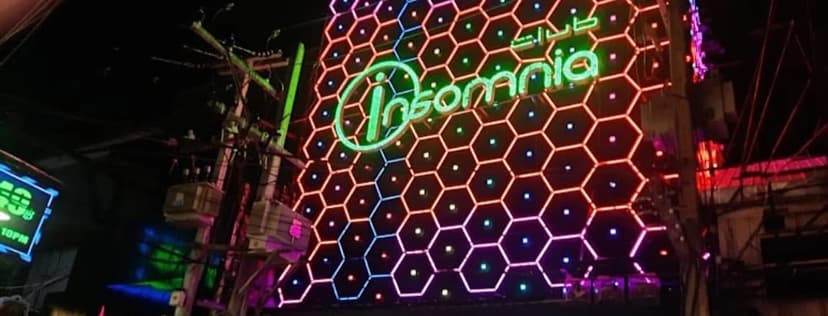
Pattaya's Clubs: World House and Republic Made DJ Mag's Top 100, and Club Insomnia Is Where the House and Techno Actually Plays
Pattaya has a reputation built on Walking Street's beer bars and go-go clubs. It also has two venues on DJ Mag's 2026 Top 100, and one room that actually plays house and techno.
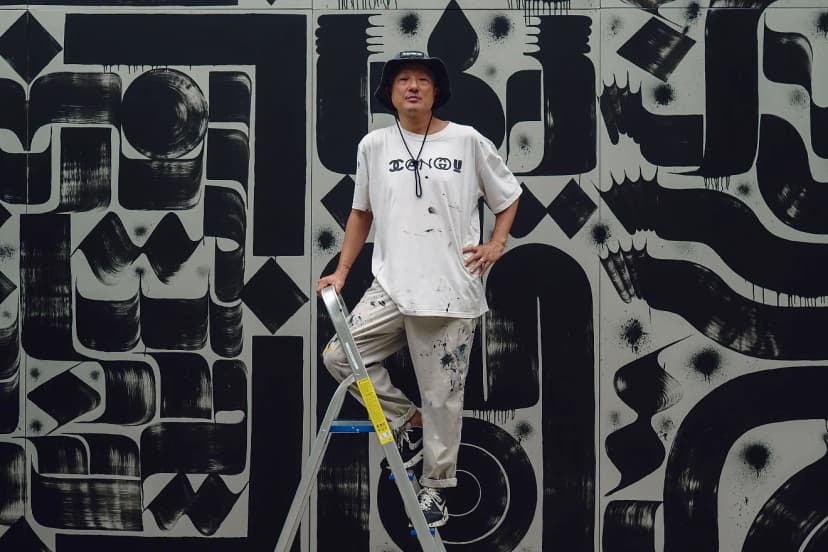
Rostarr Wraps Bali's Potato Head Beach Club in His Biggest Mural Yet
On October 16, Desa Potato Head unveils a 1,644 square metre mural covering the Beach Club's entire facade, timed to an open-air party with Archie, Eric Duncan and a live gamelan ceremony.
Savage, Studio Lam and Thugshop: Why Southeast Asia's Clubs Keep Closing
Hanoi's Savage lost its site to a government opera-house project. Bangkok's Studio Lam closed on its own terms. A city-by-city look at why Southeast Asia's most important clubs keep disappearing, and what replaces them.
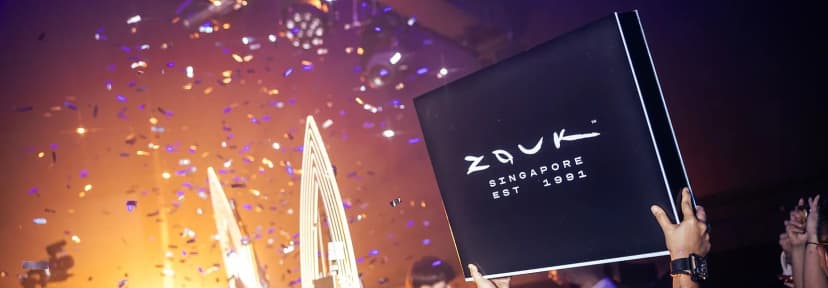
Singapore's Electronic Music Scene, Explained: Zouk's Rise and Thugshop's Shrinking Underground
Zouk got evicted by its own neighbors and came back as a DJ Mag top-20 club. Thugshop's HQ closed on its own terms after a decade. Singapore's house and techno scene actually splits in two.
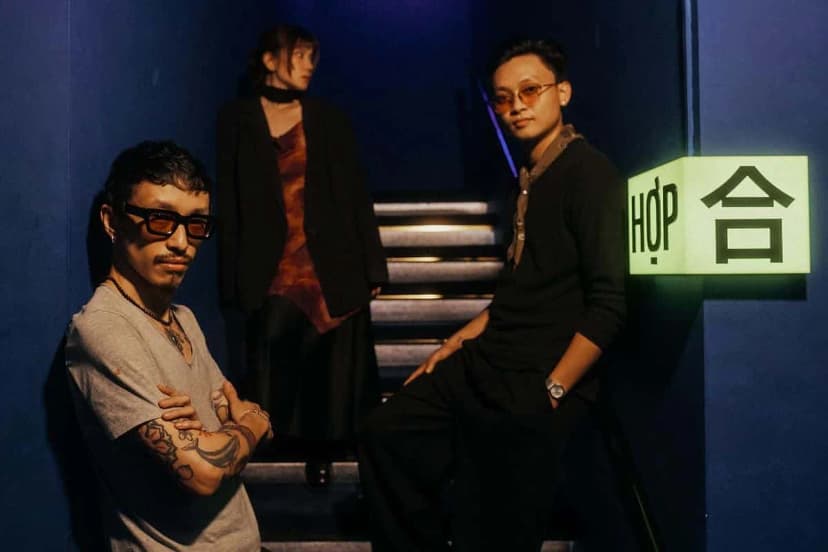
DJ WAAI's Người Nhà Collective Built Saigon's House Music Home on a Rooftop
Twenty-six floors above District 3, DJ WAAI, Dekay and Fanglanx turned a sky bar called HỢP 合 into Ho Chi Minh City's steadiest house music residency, and WAAI is already running a second room.
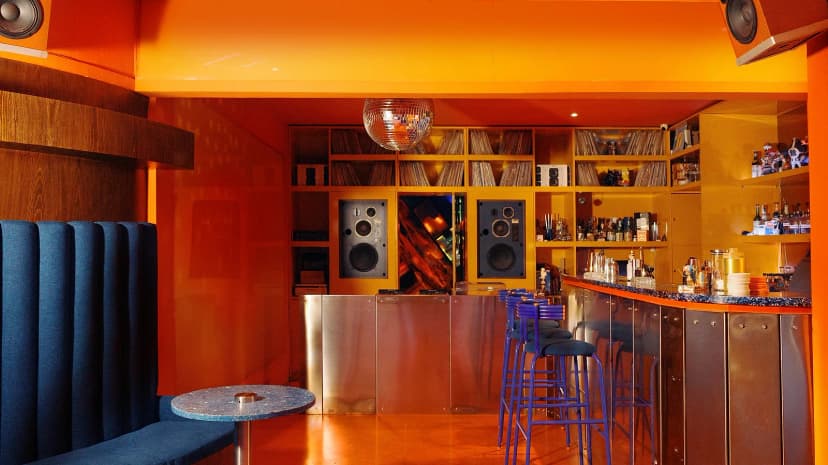
Peels Records & Bar Is Where Bandung's House and Techno Scene Actually Lives
Bandung has produced disco archivists, Berlin-booked producers and the first Indonesian woman to DJ Panorama Bar, but it still doesn't have a dedicated house and techno club. The city's real scene runs through an orange-lit record bar, a handful of labels, and warehouse parties nobody advertises.
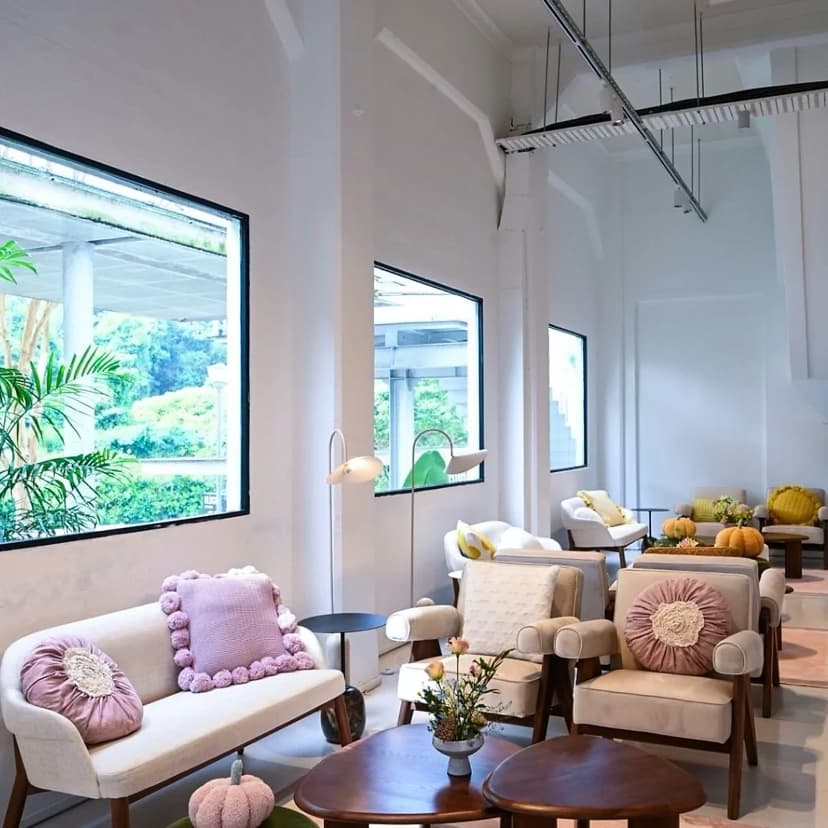
Darker Than Wax's Decade-Old Day Party Brew Finds a Third Singapore Home at Ida's Bar
Darker Than Wax's long-running daytime party Brew has outgrown a hardware store courtyard and a Dempsey lawn. On October 24 it tries a cocktail bar in Gillman Barracks instead.
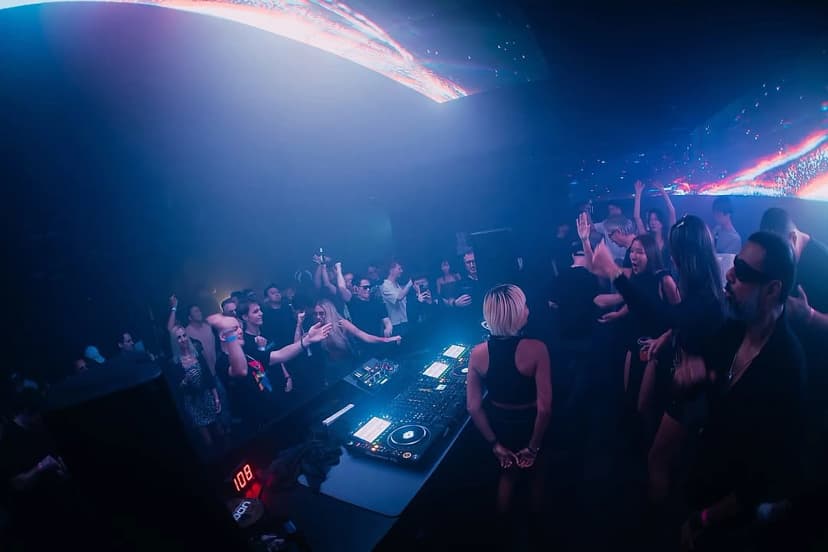
Berlin BKK Put Bangkok's Newest Techno Room on the Fifth Floor of a Japanese Discount Store
Bangkok's techno scene keeps colonizing buildings nobody designed for it. The latest is the fifth floor of a Donki discount mall in Ekkamai, where Berlin BKK runs hard techno past the instant noodles.
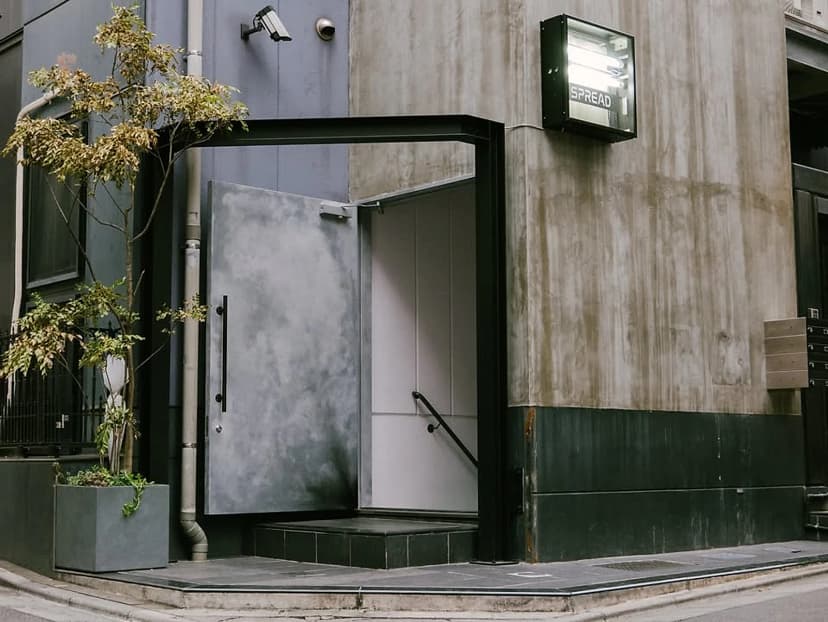
Tokyo Club SPREAD Turned Its Dancefloor Into a Silent Reading Party, and 1,200 Reddit Comments Followed
SPREAD in Shimokitazawa covered its dancefloor in carpet for Jucy Book Rave on September 26th. A video of the event went viral on Reddit days later, and the club's regular club nights run on the same floor.
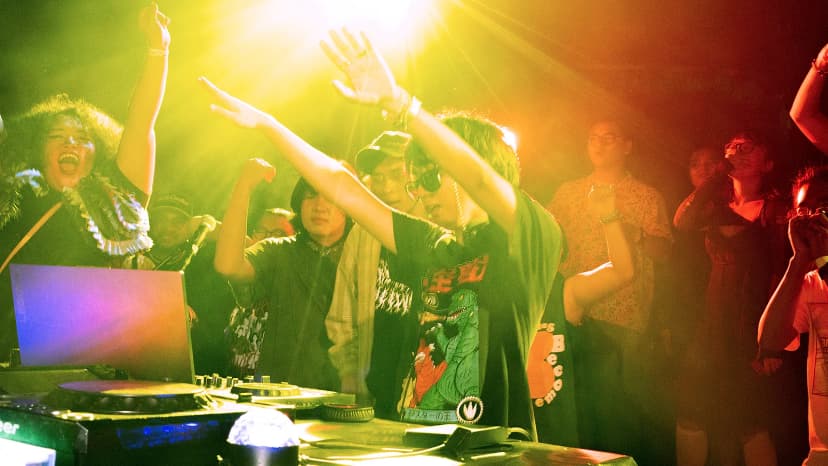
Boiler Room and Keep Hush Have Only Filmed Four Southeast Asian Cities So Far
Boiler Room has broadcast from Southeast Asia four times total: Manila in 2017 and 2023, Bangkok's Maho Rasop festival in 2022 and 2023. Keep Hush has quietly filmed more cities with less reach. Here's where to actually watch the region's DJ culture for free, and where nobody has pointed a camera yet.
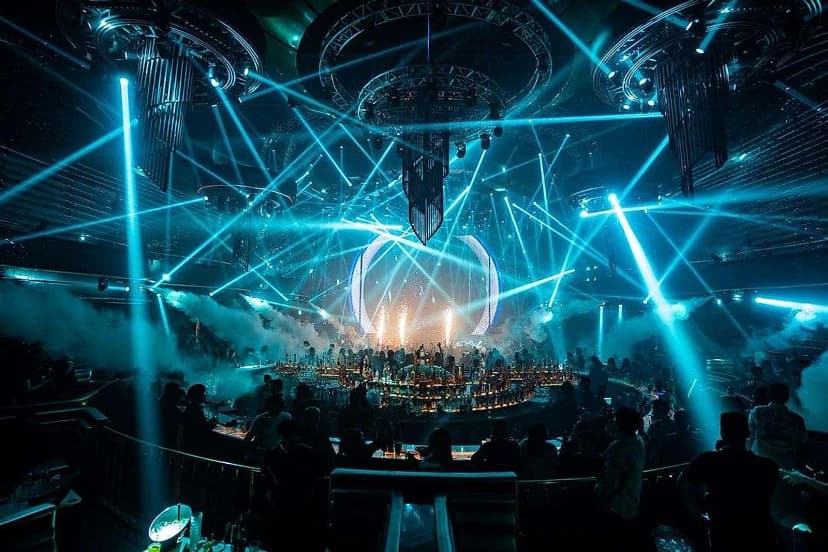
The H Club Jakarta Cracks DJ Mag's Top 100 Clubs With NOAH and Agnez Mo, Not House DJs
The H Club debuts at No. 55 on DJ Mag's Top 100 Clubs 2026, one of three new entries this year for owner Holywings Group. Its grand-opening month booked a rock band, a pop star and exactly one house DJ, which says something about what global recognition actually measures.