
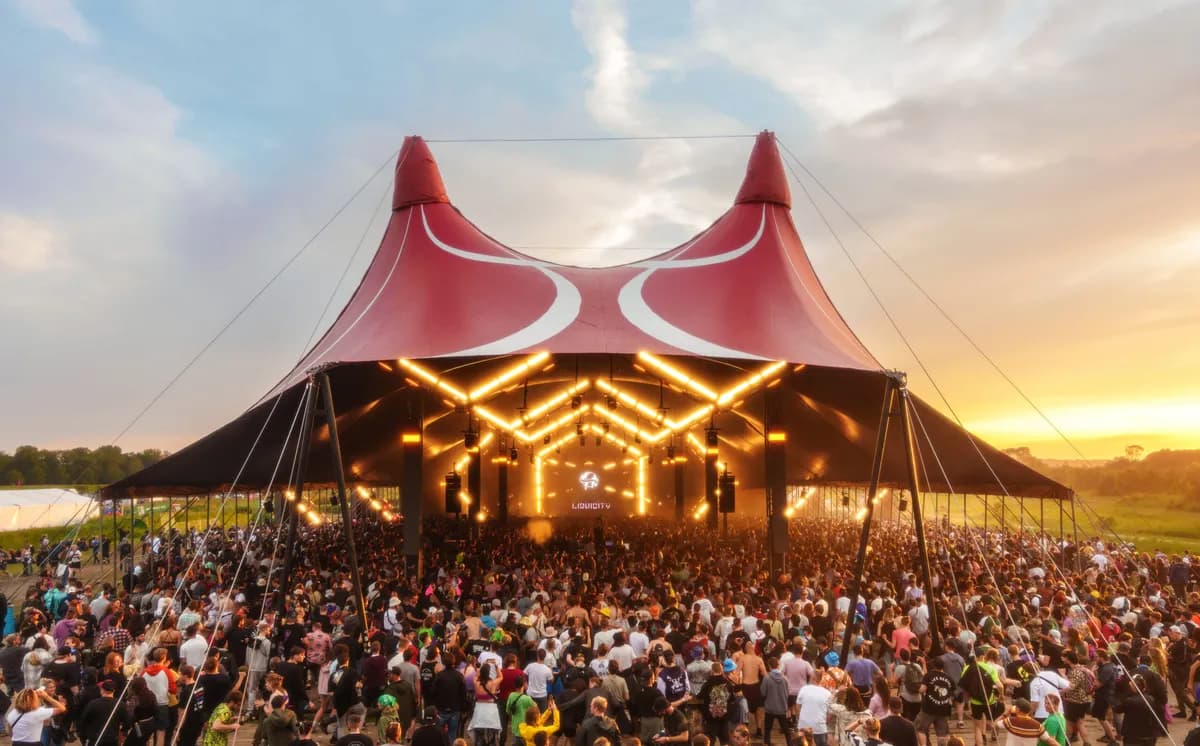
The Visual Identity of House Music in 2026: Culture Aesthetic
Walk into a House music club in Berlin, London, or Mumbai in 2026, and notice something: the posters don't look like they did five years ago. Where designers once made cold, minimalist flyers for underground events, they now embrace drama, 3D textures for techno/house nights, bold typography that jumps off the wall, eerie or surreal imagery that makes you stop and look twice.
The disco album covers of the 1970s featured glitter, girls, and spandex. But House music visual culture for decades was the opposite: black backgrounds, minimal text, industrial fonts. You had to know what you were looking at. In 2026, that's changing. House culture is adding color back. Adding narrative. Adding the kind of visual richness that actually matches the emotional depth of the music.
For 25 years, House music had a visual uniform. Black or white backgrounds, minimal text, sometimes a single image or color. Designers creating flyers for House events are now using 3D techniques, bold typography, eerie imagery, and drama. A poster for a techno/house night by Lucid Dreaming Records might feature cold cyborg-like designs or unsettling visuals that make one feel something before even hearing the music.
A House club flyer in 2026 can be:
Colorful (not just black and white)
Dramatic (not just minimal)
Textured (not just flat)
Emotional (not just informational)
It remains absolutely House which is still credible.
The Labels
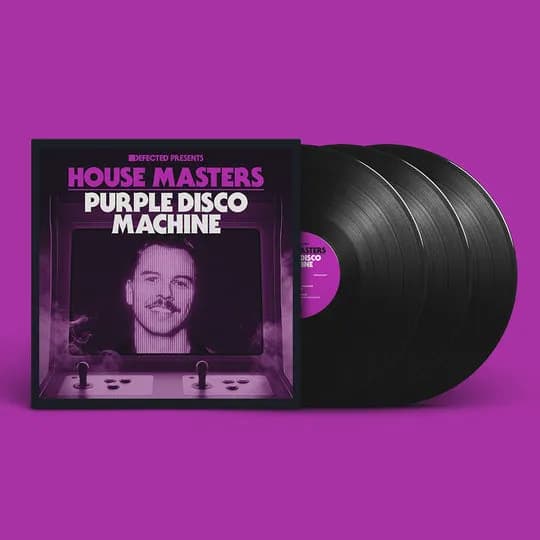
Defected Records has been the standard-bearer of House visual culture. For 27 years, album sleeves maintained consistency: clean, minimal, focused on the music. Defected's aesthetic was defined by restraint, the visual equivalent of letting the music speak for itself. But looking at Defected's 2026 releases and compilations, the core Defected minimalism persists, yet there is more color, more intentionality, more visual richness than even three years ago.
The Festival
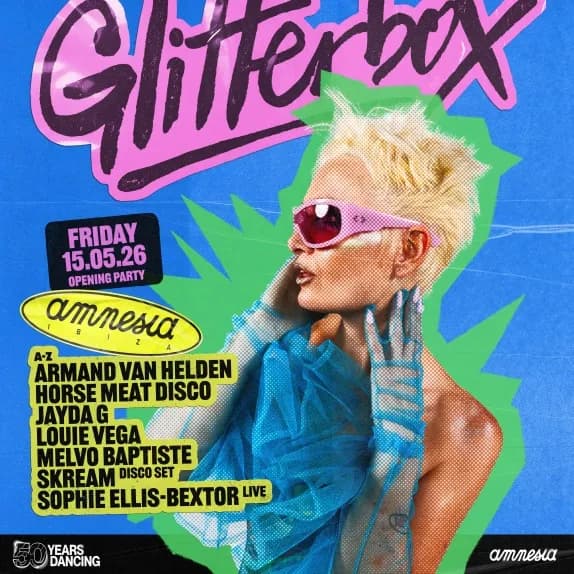
The Adriatic Sound Festival in Fano, Italy, unveiled its 2026 identity through a collaboration with Sangria Creative Studio. The theme is "Beyond Time," drawn from Roman mythology. The system operates across three layers: Celestis Mundi (sun, moon, stars), Axis Mundi (Janus, Saturnus, Mercurius), Terenus Mundi (Vesta, Neptunus, Tellus). Each archetype has its own custom icon, rendered in both flat and 3D forms.
It is, by any measure, beautifully designed. The color palette Aerial Red and Neptune Blue echoes the Adriatic landscape. The typography is precise, geometric, professional. The festival is positioning itself not just as a party, but as a cultural event with philosophical weight.
The Poster
House music posters in 2026 vary by city, reflecting each scene's values:
Berlin: Still minimal, but with theatrical lighting design. Black backgrounds with single neon colors. The minimalism is now a choice, not a requirement.
London: Adding texture and depth. Defected-influenced but with richer detail. Less stark than 10 years ago.
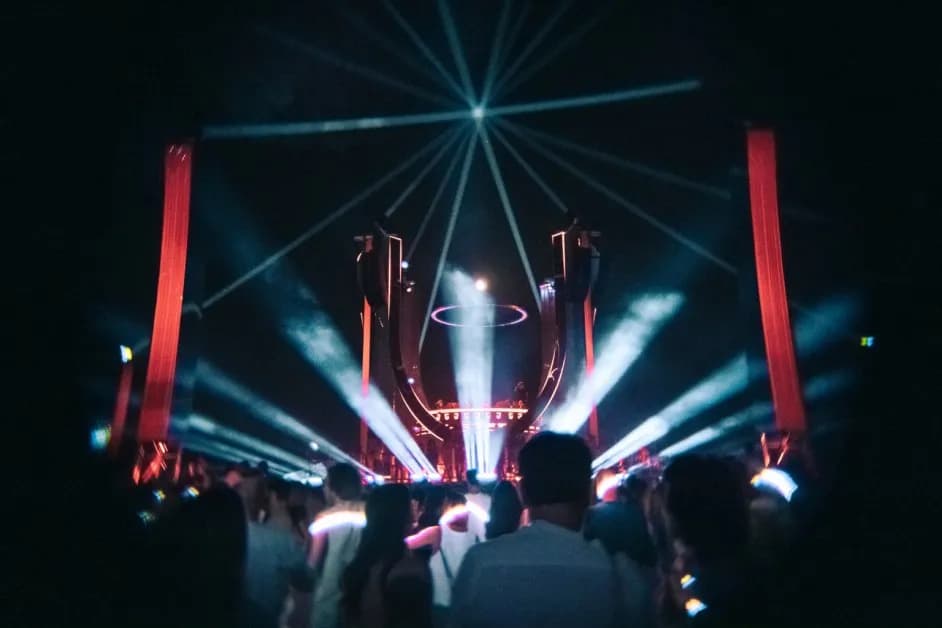
New York: Experimental and bold. Designers creating flyers for underground queer House nights like Sksksks use 3D and surreal imagery that feels less like "club advertising" and more like "art one happens to see at a club".
Ibiza: Theatrical and seasonal. Summer posters are richer and more colorful than winter ones. The visual culture shifts with the temperature.
The one thing all these cities share: legibility. Whether it's the port-o-potty or the main stage pit, fans need to get there quick. The poster still needs to tell who, what, when, where. But now it can do that while also being visually interesting.
How Merch Became Visual Culture
Merchandise used to be secondary. T-shirts with the label logo. Basic stuff. In 2026, merch IS visual culture. When festival and club merchandise is thoughtfully designed when it functions as cultural uniform rather than advertisement, it builds community far more effectively than logo-heavy branding.
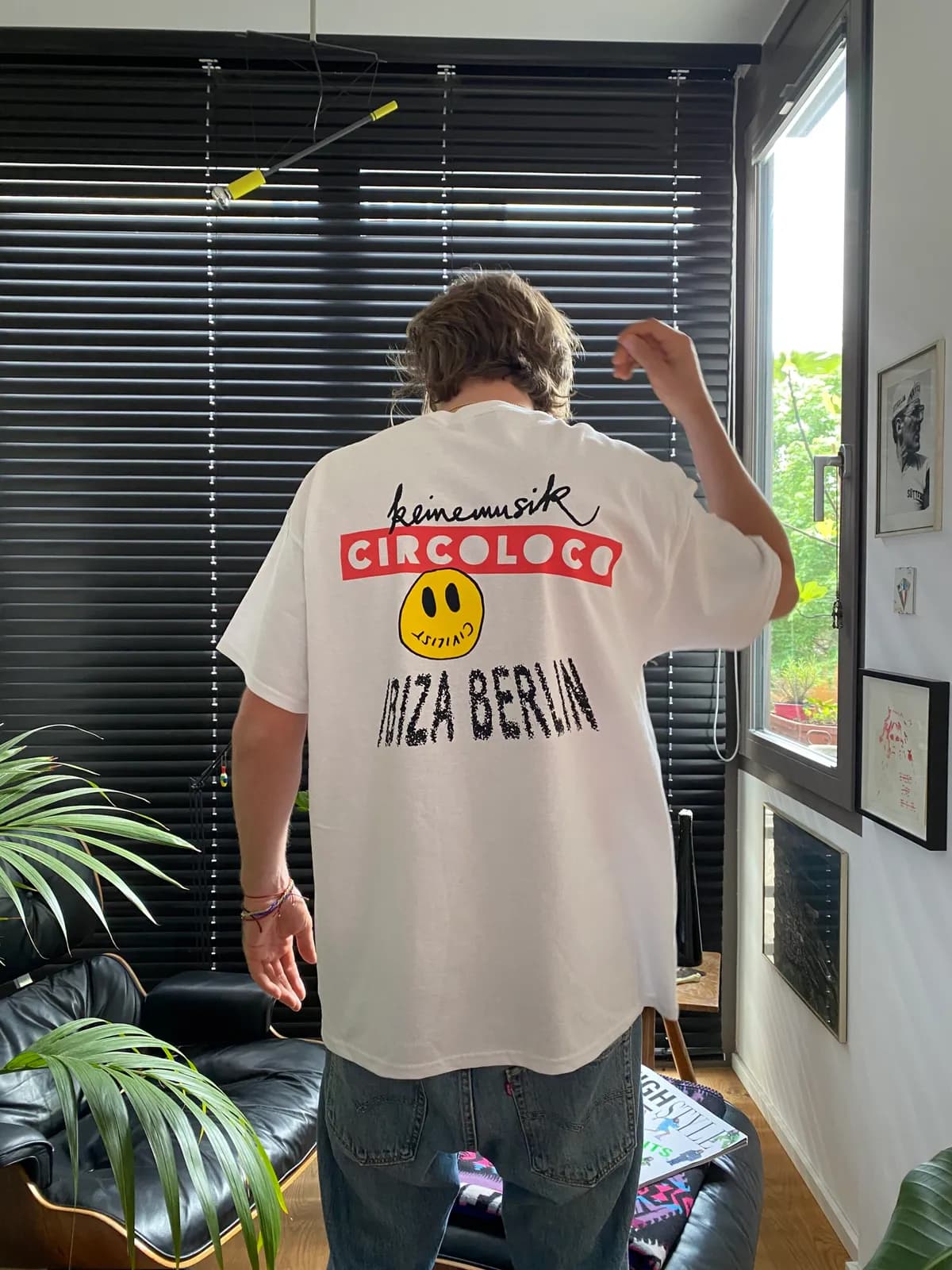
As House labels invest in quality merch, DJs are now wearing their own label gear as part of their look. When merch functions as cultural uniform when it is beautiful and meaningful, DJs wear it as part of their identity. Wearing a Defected, Innervisions, or Anjunadeep shirt in 2026 is not just promoting the label. The wearer is making a visual statement. The merch quality reflects this commitment.
Instead of cheap cotton with a logo, labels are investing in:
- High-quality fabrics
- Thoughtful color choices
- Design that works without the logo
- Limited editions that feel special
The Role of Social Media
The visibility of house music in 2026 is real. It is also complicated. For artists, it means new audiences and new revenue. For the culture, it means the risk of being reduced to an aesthetic. Instagram and TikTok have forced House visual culture to evolve. A poster that works for a printed flyer does not work for a phone screen.
So designers are creating:
More vertical formats
Bolder colors (so they pop on Instagram)
Text-heavy designs (so content is readable when scrolling)
Multiple versions of the same event (minimalist for the serious followers, colorful for the casual ones)
House music is being seen in 2026. That is real. But visibility is not the same as understanding. Aesthetic appreciation is not the same as cultural transmission. The question is not whether house music belongs on a runway or a logo or a festival poster. The question is whether, in the process of being seen, it can still be felt.
The dancefloor remains. The music continues. The community, the messy, unpolished, unmarketable heart of house still exists. But it exists alongside a polished, visible, marketable version. And those two versions are not the same. The clothes fit. The symbol flies. The branding is beautiful. But the culture was never meant to be easy to sell.
Read Next

Stay in the loop
Asian electronic music, weekly