
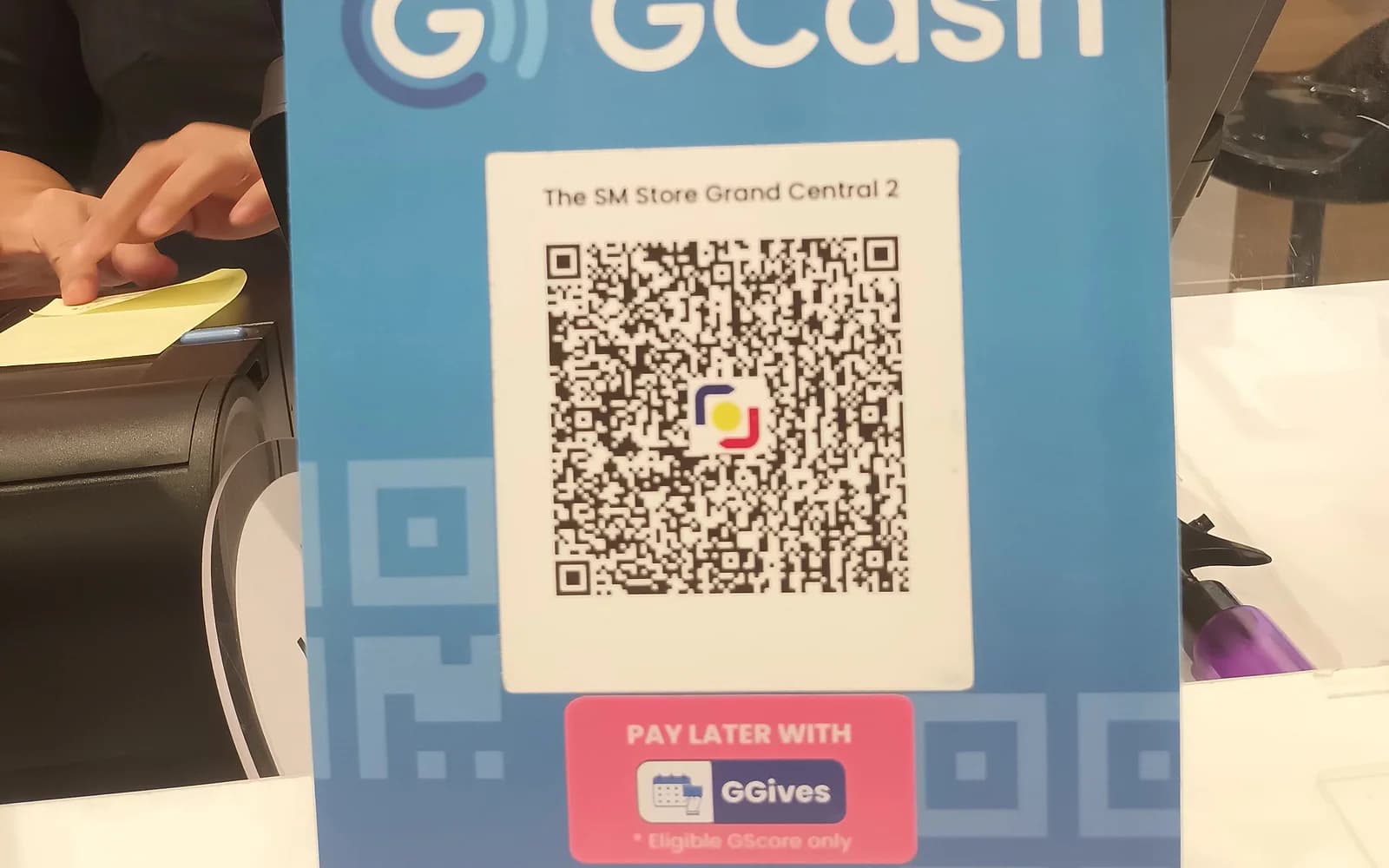
GCash Has 94 Million Users. Most of Southeast Asia's Club Doors Still Want Your Cash.
GCash and Maya dominate everyday spending in the Philippines, QRIS covers most of Bali's bar tabs, and Singapore's clubs are nearly cashless. So why do Bangkok, Manila and Saigon's doors still want cash? A country by country guide to what to actually carry on a night out.
At a 7-Eleven two blocks from Poblacion's club strip in Manila, a commuter taps her phone against a reader and walks out with an iced coffee in about four seconds. She's one of roughly 94 million Filipinos who use GCash, a figure widely reported this year, in a country where digital wallets and QR payments now cover more than half of all retail transaction volume. Ten hours later, at the door of a club two streets over, the guy checking IDs wants pesos. Folded. Exact change appreciated.
That split, a region racing toward cashless everyday spending while its nightlife quietly insists on paper, is the most useful thing nobody tells you before a night out here. Other guides on this site have already priced the drinks and the tables; this one is about what actually gets you through the door in the first place, country by country.
The Only Fully Cashless Floor: Singapore
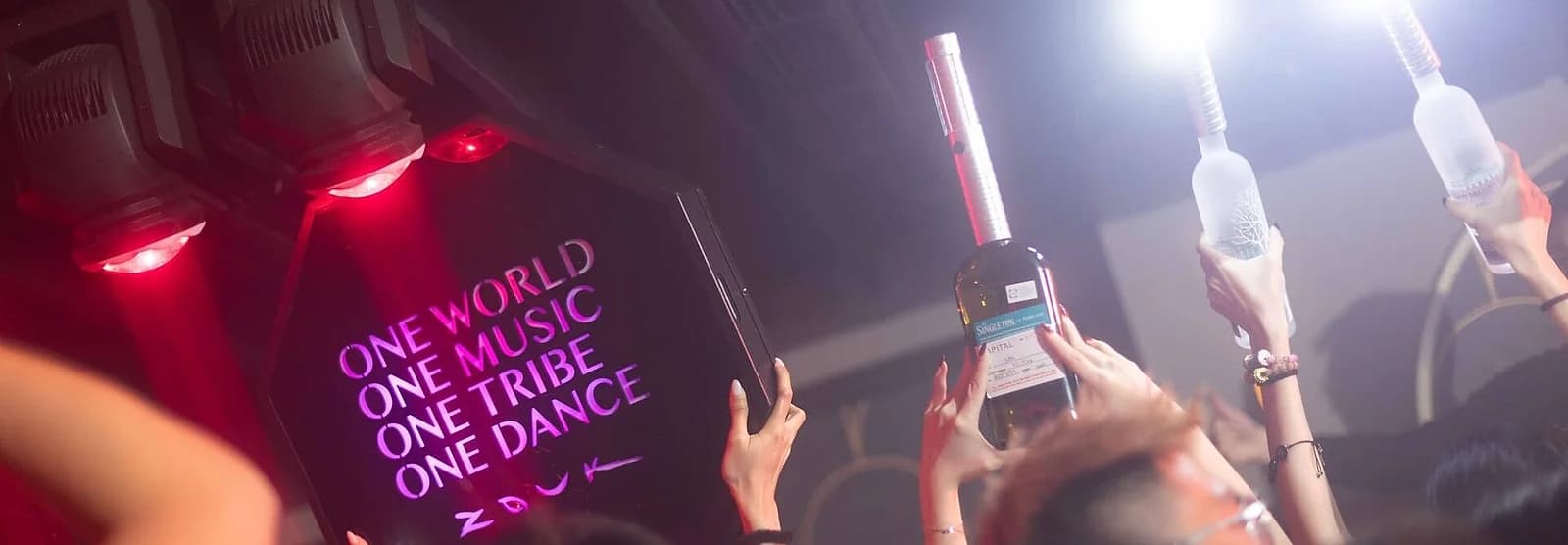
Singapore is the exception that makes the rest of the region look old-fashioned. At Zouk, cover runs S$25 to S$80 depending on the night, service charge and GST are already folded into the bill as "10++", and nobody expects a cash tip on top of it, some staff read it as faintly patronizing if you try. Card or phone tap covers the whole night, bar to door, and Singapore's contactless infrastructure (NETS, PayNow, every major card network) means an ATM run before a night out is close to pointless. The one thing worth carrying in cash here is for the cab home once the MRT stops running, not the club.

Digital Wallets Rule the Economy, Cash Still Rules the Door: Philippines and Indonesia
The Philippines is the region's clearest paradox. GCash and its rival Maya together reach something like 95 percent of digitally active Filipinos, and combined with the national QR Ph standard, digital payments now account for 57.4 percent of transaction volume nationwide. And yet, according to the 2026 Global Payments Report, cash still covers 42 percent of in-store transaction value in the Philippines, the highest cash usage of any market the report tracks in the region. Manila's own club scene backs that up on the ground: at Poblacion's rooms, cash still moves faster than cards at the door, whatever's happening at the register two doors down.
Bali tells a similar story from the other direction. QRIS, Indonesia's unified QR standard, has close to universal adoption in the island's tourist areas by now, and most beach clubs and upscale bars in Seminyak, Canggu and Uluwatu take it alongside Visa and Mastercard without blinking, despite the occasional headline claiming the government has made it mandatory (it hasn't, cash and cards both still work everywhere they always did). Where Bali's clubs still want physical notes is the same place our own reporting on tipping already found: a bottle-service host who ran your table well expects IDR 50,000 to 100,000 in your hand, not a QR code, and staircase and door tickets at rooms that don't take reservations are frequently cash-only on the night.
Cash and Relationship Economies: Thailand and Vietnam
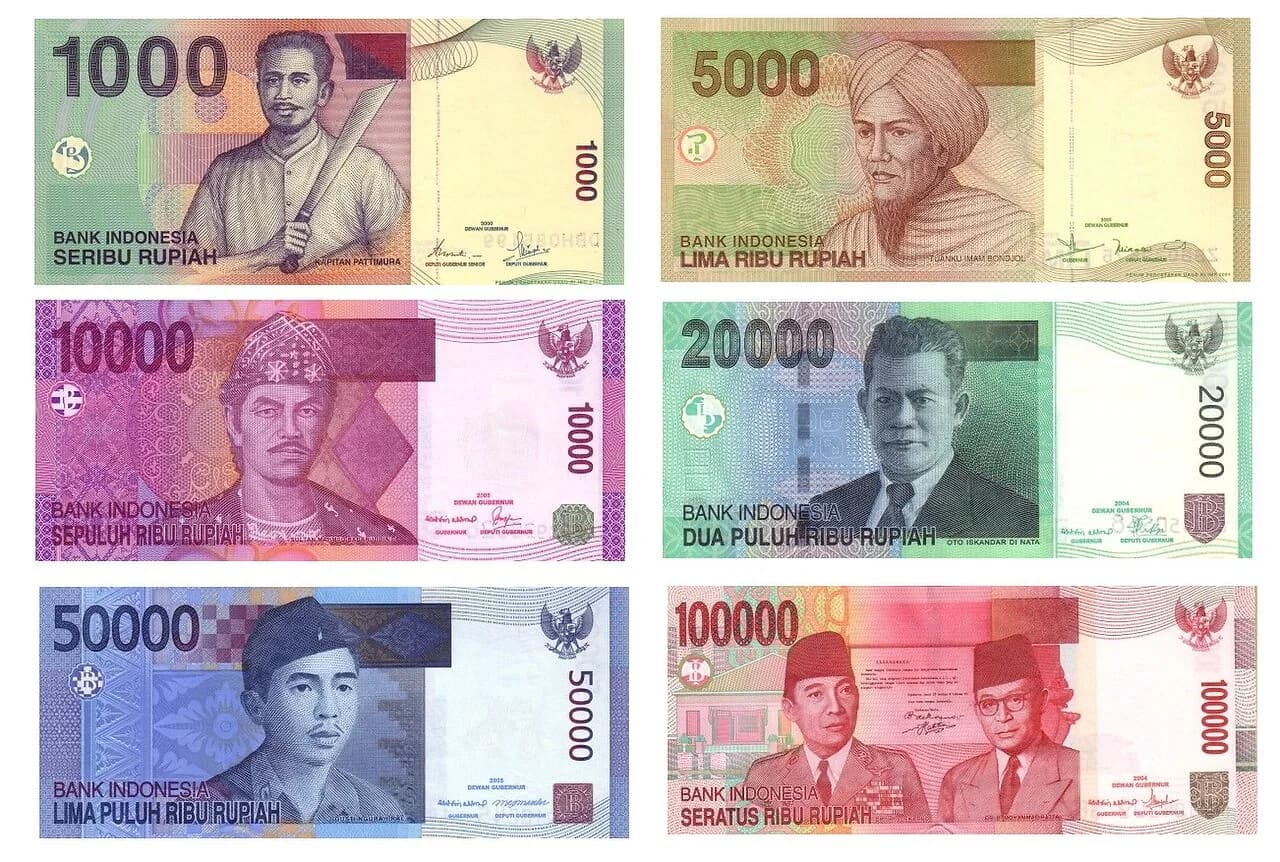
Bangkok runs on something closer to a favor economy than a price list. Table operators at RCA and Sukhumvit clubs work through Instagram DMs and WhatsApp rather than a storefront rate card, and the quoted minimum for the same table on the same night can shift depending on who's asking and how well the operator knows them. It's not a scam, it's how a cash-and-relationship nightlife economy has always priced things here, and it means carrying enough baht to settle a negotiated number on the spot still matters more in Bangkok than in almost any other capital on this list.
Vietnam looks digitized on paper and cash-only at the door in practice. The country crossed a real inflection point in 2026, with mobile wallets like MoMo (more than 31 million users) and QR codes now standard at coffee shops, market stalls and even motorbike-taxi drivers in tier-1 cities. None of that reaches Ho Chi Minh City's clubs the same way. Vibes Club's weekly Techno Thursday charges no cover at all and bans phones and cameras inside, so there's no digital payment happening there either way, and the rare nights with a cover at rooms like APLUS collect it the same way Bui Vien's street bars always have: dong, in hand.
Where Cash Is a Backup, Not a Requirement: Malaysia
Kuala Lumpur sits closer to Singapore's end of the spectrum than Bangkok's. DuitNow QR, Touch 'n Go and GrabPay are standard at most bars in TREC and Changkat Bukit Bintang, and a card covers the bar tab at almost every room worth going to. The exceptions are the ones that matter: Volt, the techno room inside TREC, moves tickets through UberTickets rather than a walk-up cash door, while some of KL's smaller rooms still expect cash even where the bar upstairs happily takes a card. Carry some ringgit anyway. Not every ATM near a club strip stays stocked through a busy weekend night, and ride-hailing home after the trains stop is a cash-or-app decision you don't want to make with an empty wallet.
What to Actually Carry
The practical version of all this: bring a card everywhere, it will work at more bars than it used to. Bring cash everywhere too, in the local currency, not dollars, because a Bangkok table host, a Bali bottle-service captain and a Manila door guy all want the same thing regardless of what's happening at the register. Small notes matter more than large ones, especially in Indonesia and Vietnam, where breaking a big bill at 2am is its own small negotiation. And keep a little on you for the ride home, in case a card reader or an app payment fails at the worst possible moment, the same logic that applies to knowing the last train time before you leave the house in the first place.
FAQ
Do clubs in Southeast Asia take credit cards?
Increasingly, yes, especially in Singapore and Kuala Lumpur, where card and phone tap cover most of a night out. Cash still matters more in Bangkok, Manila, Ho Chi Minh City and at Bali's smaller or reservation-free rooms.
Is Singapore's nightlife scene cashless?
Close to it. Card, NETS and PayNow cover cover charges, table minimums and bar tabs at rooms like Zouk, with the 10 percent service charge and 9 percent GST already built into the bill.
Do I need cash for clubs in Bali?
Some of it. QRIS and cards cover most bar tabs and beach club bills now, but staircase or door tickets at rooms without reservations, and tips for a bottle-service host, still mostly move in physical rupiah.
Why does the Philippines have such high digital wallet use but still run clubs on cash?
GCash and Maya dominate everyday spending nationwide, but the 2026 Global Payments Report still puts cash at 42 percent of in-store transaction value there, the highest of any market it tracks in the region, and Manila's club doors follow that pattern rather than the wallet-adoption headlines.
Should I carry US dollars instead of local currency?
No. Every country on this list prices its clubs, tables and tips in the local currency, and a table host or door guy dealing in dollars at 2am is a worse conversation than carrying baht, rupiah, dong or pesos in the first place.
Cover photo: an Alipay-powered GCash QR code at a shopping mall in Caloocan, Philippines. Reyrefran, CC BY-SA 4.0, via Wikimedia Commons.
Read Next
Stay in the loop
Asian electronic music, weekly