
Ho Chi Minh City Nightlife: Where House and Techno Actually Live in Saigon
Forget the Bui Vien bucket-cocktail strip. Saigon's real house and techno scene runs through a 500-capacity institution on the 10th floor, a brand-new superclub with a first-in-Vietnam sound rig, and a crew that's been throwing techno parties since December 2012.
Bui Phong didn't set out to run a booking agency. He just wanted somewhere in Saigon to play the techno he'd been collecting since he was a teenager, back when "electronic music" in Vietnam mostly meant a DJ cutting Vinahouse remixes for a wedding reception. So he built one. Haustek Agency now represents a roster of Vietnamese DJs and producers, runs the community hubs techno.vn and haus.vn, and put together the lineup for Boiler Room's first-ever Ho Chi Minh City broadcast back in 2019. That's the version of this city's electronic scene most visitors never find, because it isn't on Bui Vien Street with the bucket cocktails and the street-side speaker walls. It's a floor above, a basement below, or a warehouse a Grab ride away.
Ho Chi Minh City has spent the last decade quietly building a house and techno scene with real depth, and 2026 is the year it got a genuine headline venue to go with the underground one. If you're planning a night out and don't want to just wander into whichever club has the loudest doorman, here's where the sound actually lives.
The New Superclub: APLUS Saigon
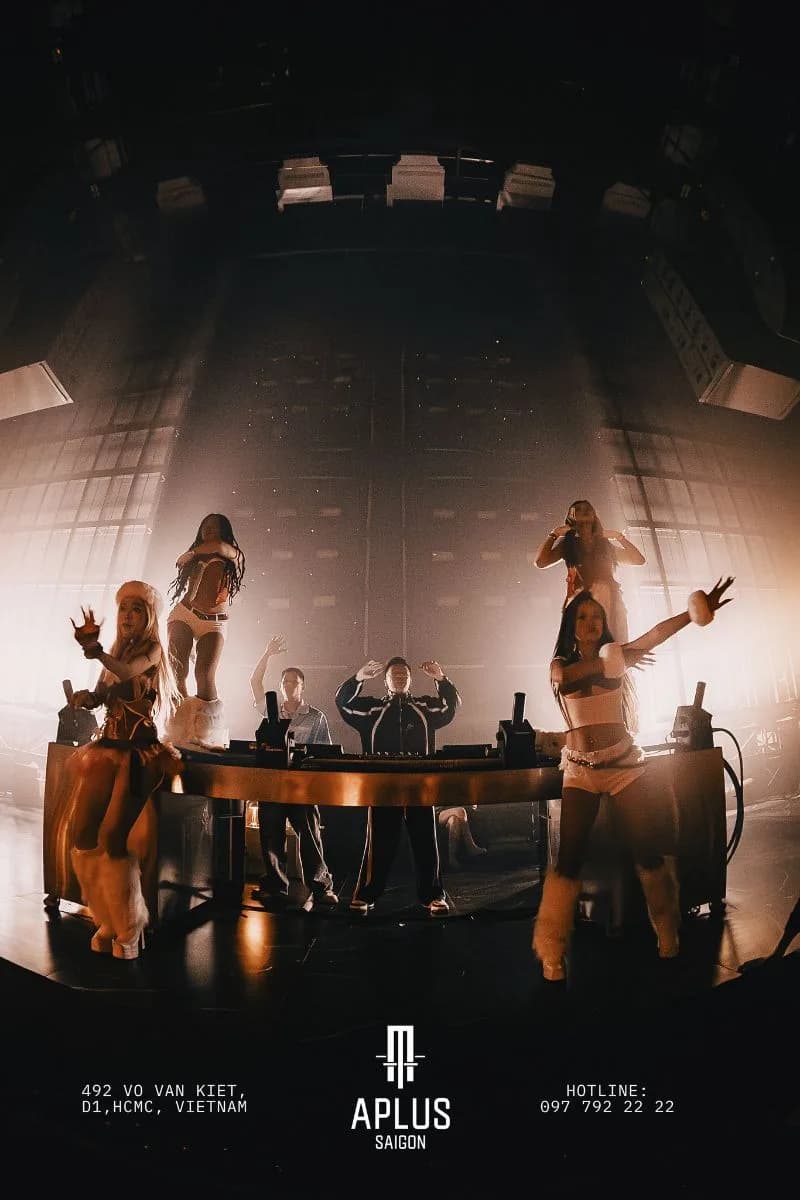
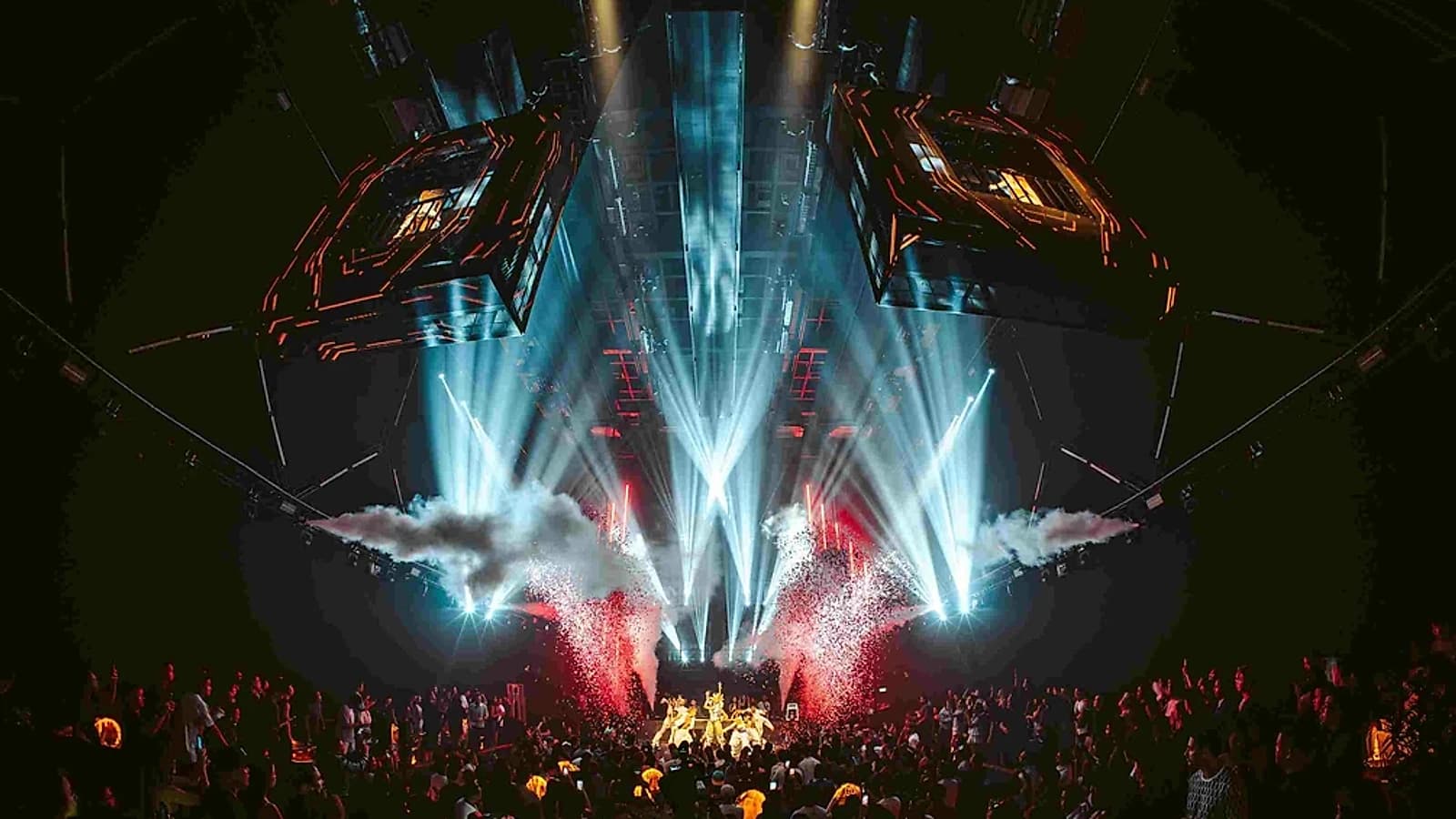
APLUS Saigon opened its doors at 492 Vo Van Kiet in District 1 this past January, and it did not open quietly. The soft-opening weekends brought in Dombresky on January 17 and Argy on January 23, both flown in for a room DJ Mag describes as a 3,000-square-foot space wired with an L-Acoustics L Series rig, the first of its kind installed in the country. That's the same tier of sound system you'd find on a Coachella stage, dropped into a Saigon warehouse. It worked: APLUS landed at #59 on DJ Mag's Top 100 Clubs for 2026 as a new entry, a fast turnaround for a venue that had barely finished its opening month when voting closed.
Is it a little much? Sure. The opening flyers lean hard into spectacle, all fog and LED and dancers on podiums, closer to an EDM festival stage than the sweaty basements this city built its reputation on. But the booking has stayed credible (melodic techno, house, proper festival-caliber names) and if you want to see what happens when serious money meets Saigon's dance floor, this is it.
The Institution: The Observatory
If APLUS is the new money, The Observatory is the scene's grandparent, and it earns the title. Dan Bi Mong, who also DJs as Hibiya Line, opened it in October 2013 with Nic Ford and Dan Lo, starting small and moving twice before landing at its current home on the 10th floor of 85 Cach Mang Thang Tam, where it's stayed since. The room holds around 500 people and now runs 18 resident DJs across house, techno and whatever they feel like exploring that week. That's the point, actually. Dan Bi Mong has said the club exists to let residents chase unconventional sounds rather than chase the crowd, and the booking history backs it up: Frank Gossner, Oskar Offermann, Toby Tobias, Berghain's Nick Höppner, the Giegling crew, Soichi Terada and Peter Van Hoesen have all played there.
The 10th anniversary in 2023 got a five-week celebration and a proper renovation, including a new K-Array and Harmonic Design sound system and a balcony rebuilt into what the club calls a retro-futuristic tropical garden. It's still, underneath the upgrades, the closest thing Saigon has to a cultural center built around house and techno rather than just a room to get loud in. For a wider read on why smaller, artist-first venues outlast the flashy ones, our Bangkok club guide makes a similar case a country over.
The Free Weekly Worth Building a Trip Around: Vibes Club
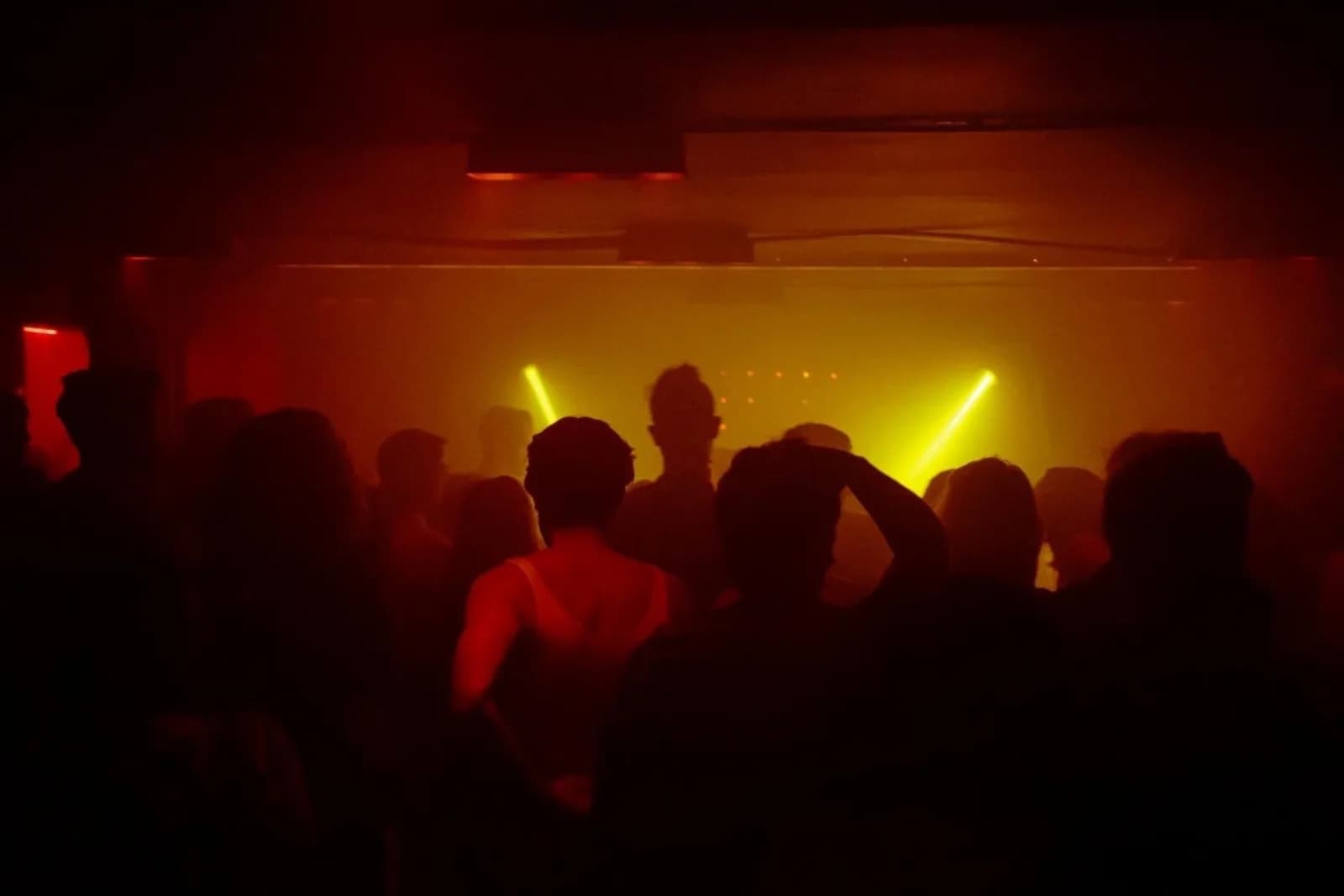
Down in the basement at 27-29 Bui Vien Street, tucked right into the strip most tourists write off as backpacker chaos, Vibes Club runs Techno Thursday every week: free entry, doors from 9 PM to 11:30 PM, resident sets from Haustek Agency artists alongside a rotating cast pulled in by local partners including Gừng & Nghệ Republic (that's "ginger and turmeric" in Vietnamese, a name that tells you exactly how unpretentious this crew wants to be), Saturday Sunset and TEK2DWN. It's short, it's free, and it's exactly where you go to find out what Saigon's underground actually sounds like before you commit to a cover charge anywhere else.
The Crew That Started It: Heart Beat Saigon
Before any of the above existed, there was Heart Beat Saigon. Christoph Wolter, a German DJ who'd been playing in Hanoi, teamed up with Paul Tonkes and Jan-Erik in December 2012 to throw a hard techno party at a bar called Red Bar, backed early on by the German Consulate of all things. About 400 people showed up to a scene that, by Wolter's own account, barely existed yet. Red Bar is long gone, but Heart Beat kept going, eventually spinning off a lighter, more melodic sister series called HRBR for nights that call for house rather than a pounding four-to-the-floor. If APLUS is where the scene is headed, Heart Beat is where it started, in a bar nobody could find twice.
If You Go
Getting around: Grab is the only sane option after midnight. A ride across District 1 rarely runs past 60,000 VND (about $2.50), and it beats haggling with a street taxi whose meter may or may not be running honestly.
Cover and drinks: Most nights, there's no cover at all. When there is, on a big-name night, expect 100,000 to 200,000 VND (roughly $4 to $8), often with a drink included. Cocktails run cheap on Bui Vien itself, think 20,000 to 50,000 VND for a beer, and climb to 150,000 to 500,000 VND at the upscale rooftop spots further into District 1.
Hours: Bars are technically supposed to wind down around midnight to 1 AM and clubs by 2 AM, but that rule bends hard on weekends. APLUS and The Observatory both run well past it when the crowd's still moving.
Dress code: Casual is fine almost everywhere, sneakers and jeans will get you in. The rooftop and hotel-adjacent venues draw the line at flip-flops and beachwear, so pack one slightly nicer outfit if you're hitting more than one type of venue in a trip.
Safety: District 1 is genuinely the safest patch of the city for nightlife, and it's where nearly everything worth going to is anyway. Keep your phone off the table on Bui Vien, that strip has its share of pickpockets, and don't leave a drink unattended anywhere. Basic stuff, but it's the stuff that actually gets ignored at 2 AM.
Saigon's dance floors don't announce themselves the way Bangkok's do, and there's no glossy district built entirely around them. You find this scene by asking around, by ending up in a basement on a Thursday because someone said the sound was good there, and by occasionally getting it wrong before you get it right. That's still the most honest way to hear a city.
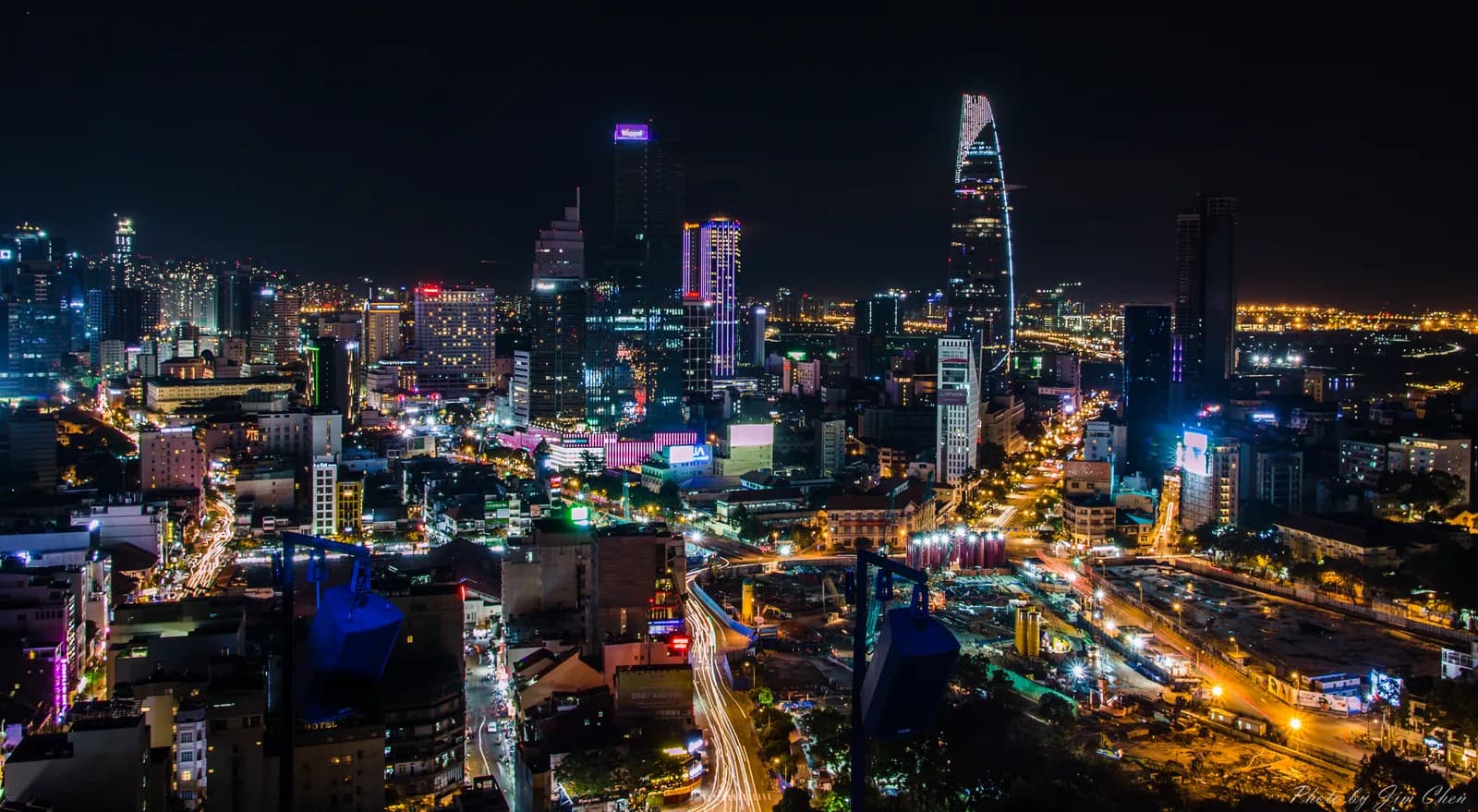
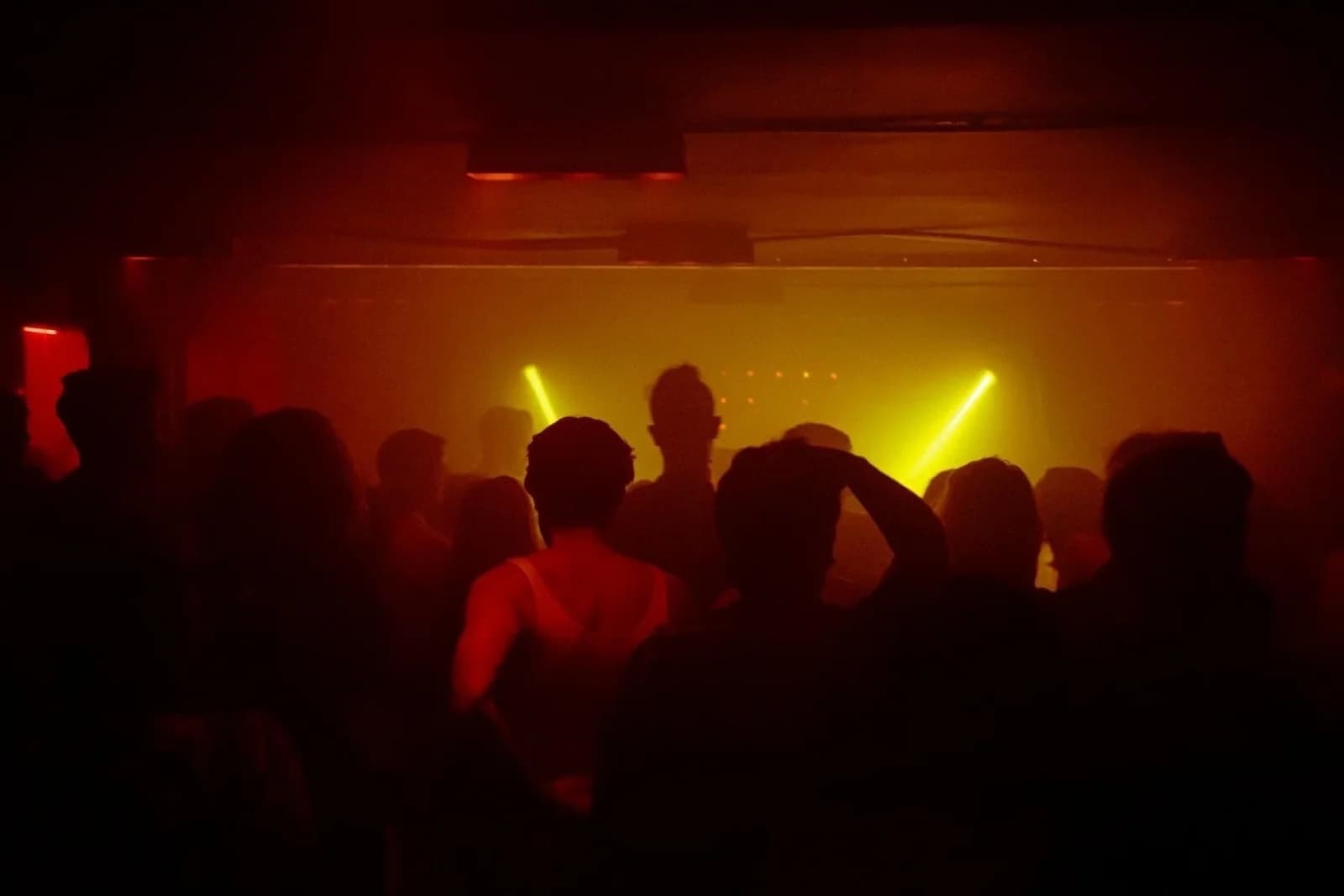
Cover photo: Jim 陳 (teuton1127), CC BY-SA 2.0, via Wikimedia Commons.
FAQ
Is there a free techno night in Ho Chi Minh City?
Yes: Vibes Club, in the basement at 27-29 Bui Vien Street, runs Techno Thursday every week with free entry and doors from 9 PM to 11:30 PM. Resident sets come from Haustek Agency artists alongside a rotating cast brought in by local partners.
What is the best-established house and techno club in Saigon?
The Observatory, open since October 2013 and now on the 10th floor of 85 Cach Mang Thang Tam, holding around 500 people with 18 resident DJs across house and techno. Past bookings include Nick Höppner, the Giegling crew, Soichi Terada and Peter Van Hoesen.
How much does a night out cost in Saigon?
Most nights there is no cover at all; on a big-name night expect 100,000 to 200,000 VND, roughly $4 to $8, often with a drink included. A Grab ride across District 1 rarely runs past 60,000 VND, about $2.50, and Grab is the only sane option after midnight.
Read Next
Stay in the loop
Asian electronic music, weekly