
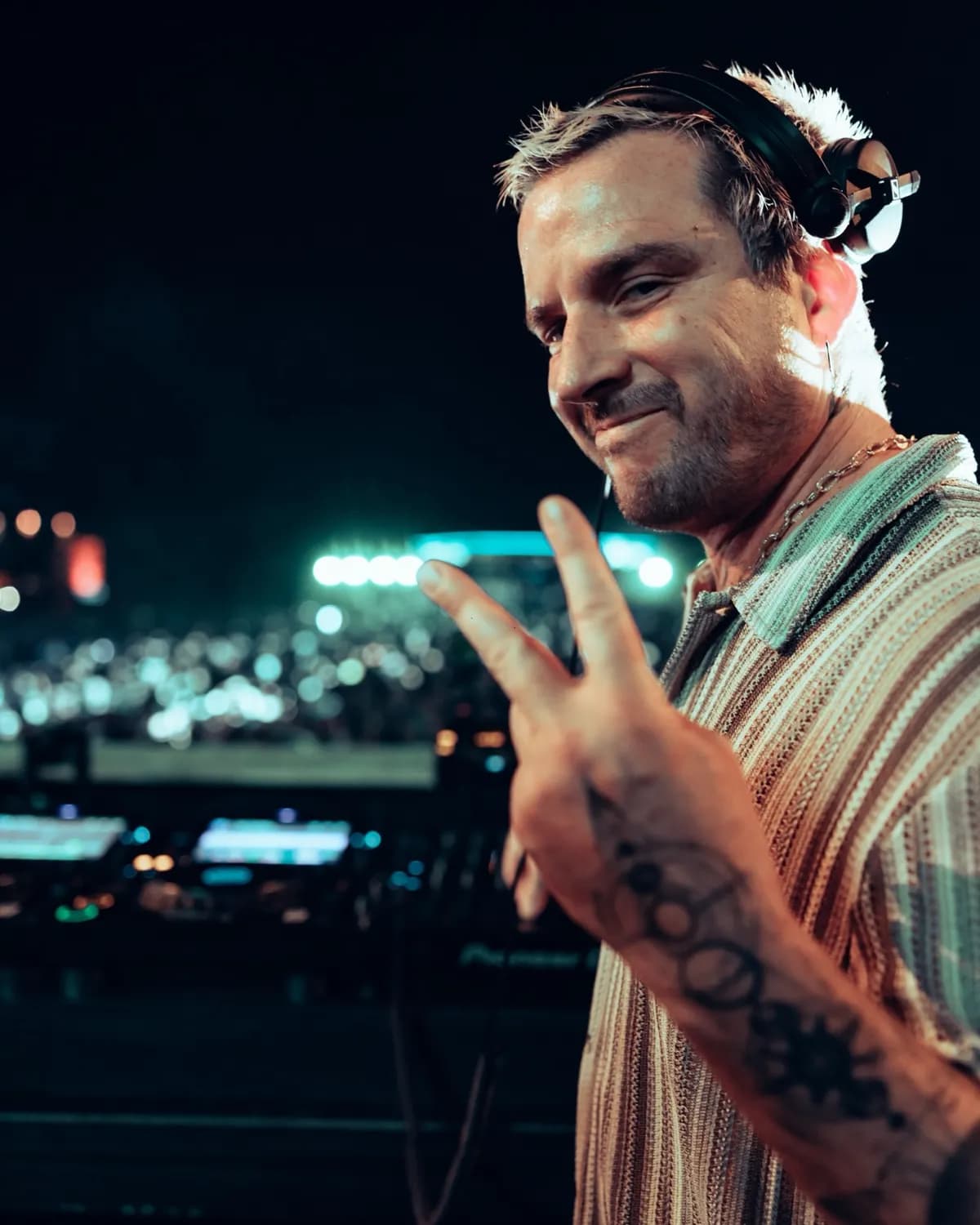
Luciano: From Chilean Roots to Pioneer and House Music Legend
Santiago to Ibiza. Thirty years of Latin heat and house music history. The full Luciano feature is out now
The Moment Everything Changes
There is a moment in every great DJ set where the room stops being a collection of individuals and becomes something else entirely. The air changes. People stop thinking and start feeling. For anyone who has stood on a dance floor while Luciano plays, that moment arrives early and stays long after the music stops. It is not an accident. It is the product of thirty yeards of obsession, failure, resilience, and an unshakeable belief that house music is one of the most powerful forces a human being can experience.

Two Countries, One identity
Lucien Nicolet grew up between two worlds. Born in Switzerland in 1978, he spent most his formative years in Santiago de Chile, after his parents separated and his mother brought him saouth at the sage of eleven. Santiago in the late 1990s were okay. Santiage in the late 1980's was a rock city through and through. Cumbia drifted through the streets, guitars were in every venue, and the idea of a kick drum repeated by a machine rather than a himan being was treated with deep suspicion by almost everyone. His father, who spent his working to be repairing jukeboxes and his evenings surrounded by records, had already given the young Luciano an education in the power of recorded sounds without either of them knowing it.
From Guitar Strings to Sequencers
The guitar came first. His mother bought him one at twelve and within a few years he was playing in a punk band at school, channelling the same raw confrontational energy that punk had always carried. It was a useful apprenticeship. The aggression, the physicality, the sense that music should do something to a body rather than simply fill a background, all of it would resurface later in a very different context. The shift happened when Luciano came across E2-E4, a recording made in 1984 by German artists Manuel Göttsching. One sitting was all it took. The idea that a single person could construct an entire sonic universe using machines and sequencers rewired somesthing fundamental in him. The punk band dissolved from his ambitions. The synthesiser took over.

Santiago's Underground and the Art of Persistence
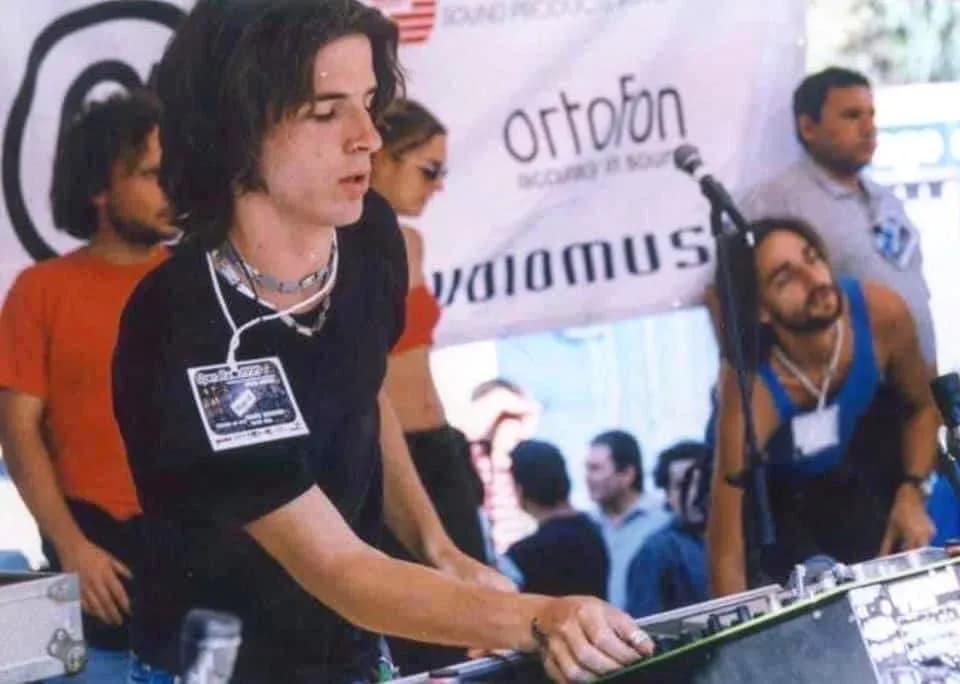
What followed in Santiago during the mid 1990s was less a career move and more an act of faith. Electronic music existed there in the shadows, sustained by a small group of true believers who threw parties in spaces that were never designed for them, imported records from Europe at considerable expense, and argued with club owners who could not understand why anyone would want to dance to music with no live instruments. Luciano was among the youngestand most persistent of this group. He played at clubs he was too young to legally enter, sometimes concealing himself backstage when police arrived. He played to rooms that wanted rock and kept playing until some of those rooms changed their minds.
The Villalobos Connection
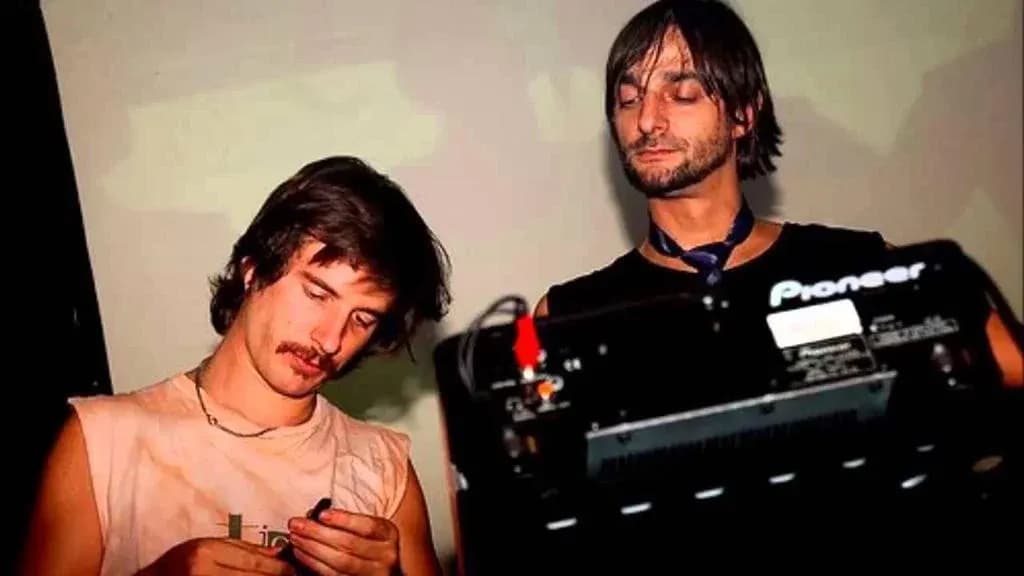
It was during this period that Luciano met Ricardo Villalobos, who would become one of the most important relationships of his musical life. Villalobos was a Chilean raised in Germany who returned to Santiago periodically, and when he did and Luciano connected the creative conversation was immediate. Together they developed what they called rhythmic electronic music, threading Latin percussion and organic warmth through the skeletal structures of minimial techno. The parties they threw under the name Sense Club became legendary within Santiago's underground and the reputation of both men began travelling beyond the city limits. By 1999 Luciona had played Chile's first Love Parade. By 2000 he was in Geneva, hungry and ready.
A Sound That Runs Warmer Than the Rest
Understanding what Luciano actually sounds like requires letting go of easy genre labels. He emerged from minimal techno but his music never felt the way European minimal typically felt. The German and Swiss minimal scenes of that era had a certain clinical precision, beautiful in its own way but cool to the touch. Luciano's version ran warmer. It moved differently.
Growing up absorbing the rhythmic language of Chilean and broader Latin American music meant that when he began building his own tracks and his own sets, clave patterns and tumbling congas arrived not as decorative additions but as structural elements, as natural to his music ask the kick drum itself. The result was a form of house music that carried genuine cultural memory inside it, music that told you where it came from simply by the way it felt in your body. His sets became known for their patience and their architecture. building slowly and releasing tension at precisely the right moment, constructed with the deliberateness of a composer rather than someone simply reading a crowd.
Cadenza Records and Ibiza
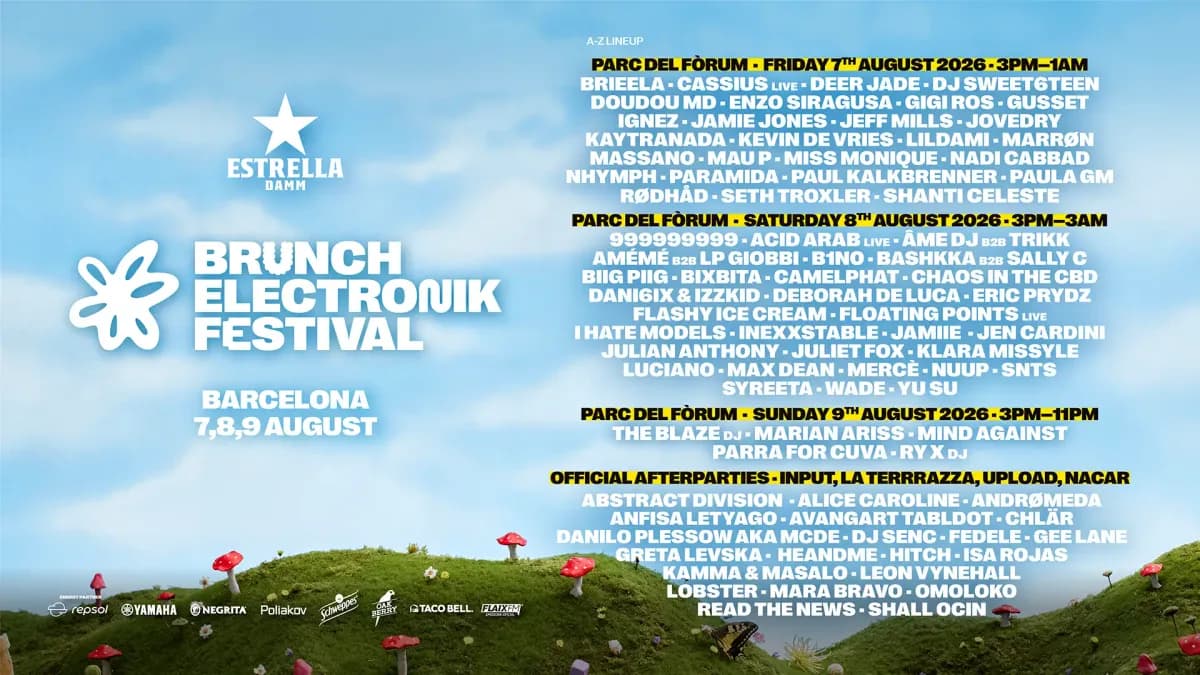
In 2003 Luciano founded Cadenza Records alongside collaborator Philippe Quenum, a label that grew from a single accidental release into one of the most respected homems in underground house and techno. The Vagabundos compilation series he curated across several editions earned a permanent place in house music history. Ibiza became the stage on which Luciano global reputation was built, from his Monday night residency at Amnesia with the Cocoon team through to DC10 and the Circoloco party. His Luciano and Friends events at Ushuaïa grew into weekly sell outs of 4,500 people. In 2024 the Icon of Ibiza Industry Award arrived as formal recognition of what dancers had understood for decades.
Still Moving Forward
At 48, Luciano shows no interest in slowing down. A new live experience launched in 2025 combining improvised performance with synchronised visuals. Cadenza continues championing new voices. More than 20 Award wins and a 2025 nomination confirmed the indstry has not stopped paying attention. He is proof that house music carries geography, culture, and personal history inside it, and that the most powerful dance floor experiences come from artists who bring all of themselves to be
Read Next
Stay in the loop
Asian electronic music, weekly