
Malaysia's Electronic Music Scene, Explained: How a 2014 Festival Tragedy Built Today's Club-First Scene
A stadium festival death scare in 2014 never got replaced. Malaysia's house and techno scene now runs through Zouk Genting's casino-zone exception and a handful of KL and Penang clubs instead of festival grounds.
Six people died at a dance festival in Kuala Lumpur in March 2014, and organisers pulled the plug on day three before the headliners even loaded in. Twelve years on, Malaysia still hasn't gotten a festival that size back, and that one gap explains more about how the country actually parties now than any lineup could.
The Night That Ended Festival-Scale Dance Music in Malaysia
Future Music Festival Asia had grown fast since launching in 2012, from around 15,000 tickets to roughly 85,000 by 2014, and that March it filled Bukit Jalil Stadium for a bill headlined by Pharrell Williams, Eric Prydz, Rudimental and Macklemore & Ryan Lewis. On the first night, six attendees died. Police blamed drug overdoses within hours, and promoters cancelled the closing day "in the interest of public safety," on the authorities' advice, with three days of ticket sales and a stadium of unplayed sets left on the table.
The story didn't end there, and it got messier. A pathologist's post mortem, reported over a year later by Malaysian outlets including The Star and Malay Mail, attributed the deaths to heatstroke rather than drugs, pointing to the packed, humid stadium rather than what anyone had taken. By then it hardly mattered for the festival's future. Organisers moved the 2015 edition to Singapore, where the Ministry of Home Affairs refused it a public entertainment licence, citing the Kuala Lumpur deaths as part of its reasoning. Future Music Festival Asia never played Malaysia, or the region, again. No festival of that scale, the kind Thailand now books for Tomorrowland Thailand or Indonesia books for DWP and Wonderfruit, has filled the gap since.
One Country, Several Rulebooks
Malaysia doesn't regulate nightlife from a single desk in Putrajaya. Entertainment licensing sits largely with state and local authorities, and in the states run by the Islamist party PAS, that means something close to prohibition. Kelantan and Terengganu heavily restrict alcohol sales to non-Muslims, and Kelantan tightened its entertainment venue regulations in 2024, raising fines for unlicensed events to as much as RM50,000 starting January 1, 2025. It isn't theoretical: in mid-2026, a retro disco night in Kota Bharu went viral, and the municipal council confirmed afterward that the organiser never applied for approval to hold it.
Kuala Lumpur, Selangor and Penang run on a different, far more permissive set of local rules, which is exactly why the country's house and techno scene lives almost entirely in those three places. Ask a promoter in Kota Bharu to book a techno night and you're asking them to break the law. Ask one in KL, and you're asking what time doors open.
Genting Highlands: The Loophole With a Chandelier
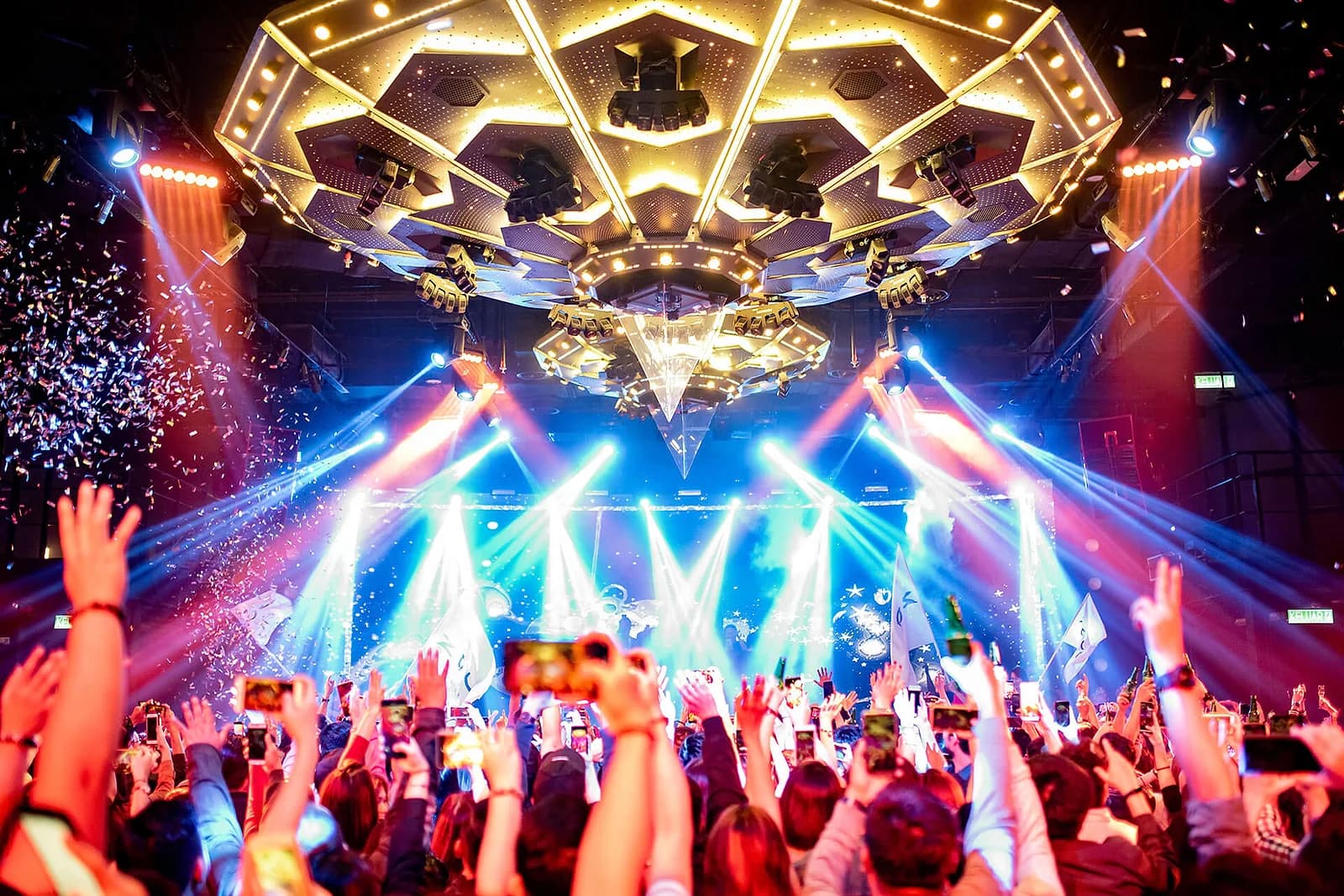
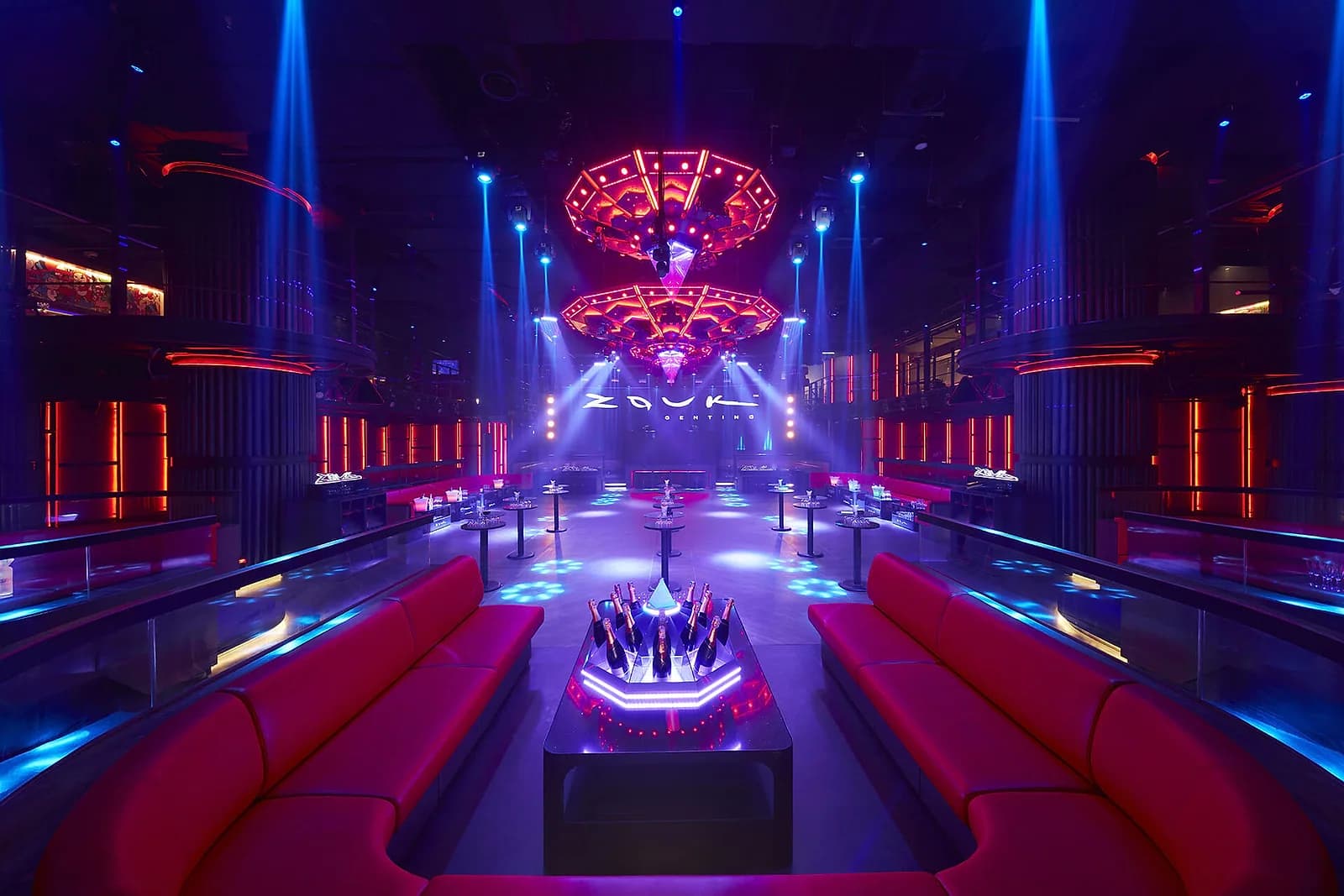
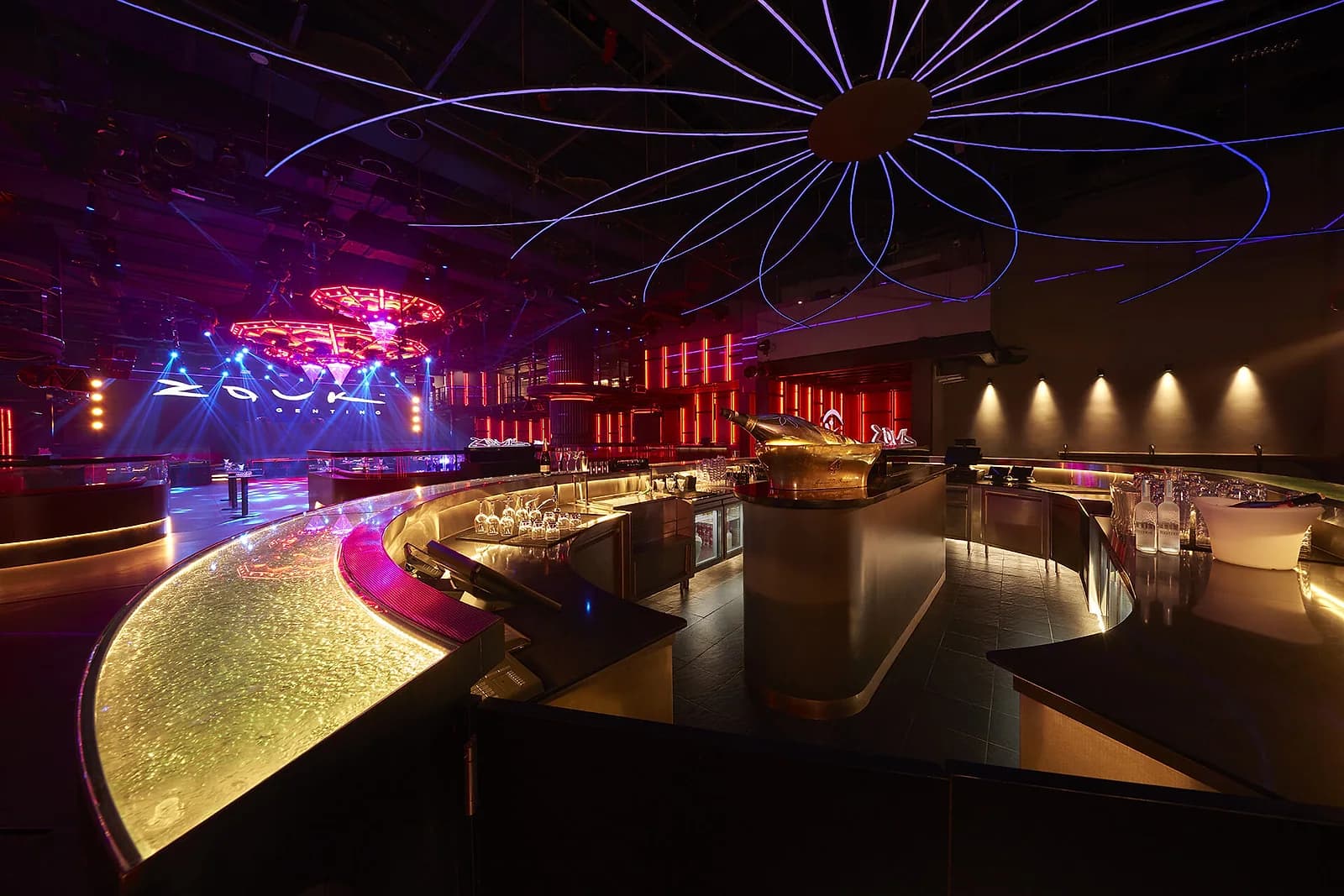
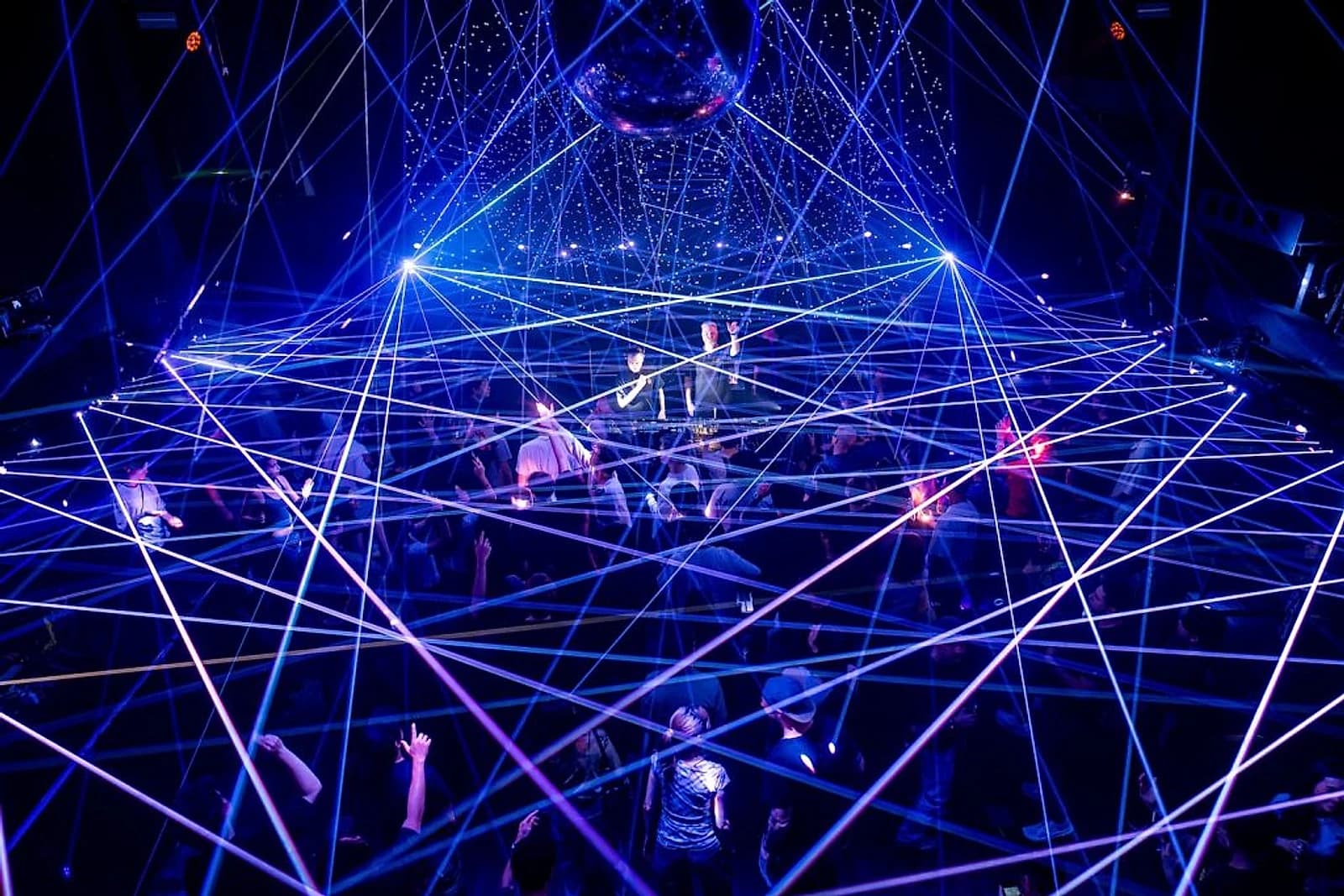
The clearest illustration of that split sits an hour outside KL, on top of a mountain. Resorts World Genting holds a casino licence the federal government first granted in 1969, renewed on a rolling three-month basis ever since, and it remains the only legal casino in the country. That federal gaming arrangement carves the resort out of the patchwork below it, which is how Zouk Genting gets to run a full production nightclub, complete with a hanging light rig the size of a small stage and a main room that fills with confetti on a good night, on a hilltop in a country where a neighbouring state would shut the same party down for an unlicensed permit. It's the closest thing Malaysia has to a Vegas exception, and it works.
Where the Scene Actually Lives
Kuala Lumpur's version runs through TREC, the Jalan Tun Razak entertainment strip where Zouk KL relocated in 2015 after leaving its original Jalan Ampang home. It shares the district with rooms like KYO, built into a five-star hotel basement, and BLAK Arena. Loopliner's own Kuala Lumpur club guide covers that cluster in more detail, and the gap between the KL and Singapore versions of the same brand is real: Zouk Singapore cracked DJ Mag's Top 100 Clubs list this year; Zouk KL didn't.
Penang's George Town carries the country's other real scene, smaller and scrappier. Ritual Cafe, forced out of its original space by a leaky roof, reopened inside a 128-year-old clan temple rather than fold, which tells you more about how this scene survives than any press release would.
What It Means If You're Actually Going
Don't plan a Malaysia trip around a festival. There isn't one on the region's calendar, and there hasn't been since 2014. Plan around KL or Penang instead, and check the state before you check the lineup: alcohol is sold normally in KL, Selangor and Penang, and tightly restricted in Kelantan and Terengganu. Doors, dress codes and cover charges in KL and Genting run close to what you'd expect in Singapore or Bangkok. What you won't find is a stadium show. Malaysia's scene rebuilt itself smaller, indoors, and closer to home, and twelve years on, that's still the shape of it.
FAQ
Is clubbing legal in Malaysia?
Yes, in most of the country, though rules are set state by state rather than nationally. Kuala Lumpur, Selangor and Penang run normal nightlife licensing, while Kelantan and Terengganu heavily restrict alcohol sales and entertainment venues.
What happened to Future Music Festival Asia?
Six attendees died at the 2014 Kuala Lumpur edition, initially attributed to drug overdoses and later, per a pathologist's finding, to heatstroke. The festival relocated to Singapore for 2015, was denied an entertainment licence there, and never returned to the region.
Where do people actually go clubbing in Kuala Lumpur?
Mostly around TREC on Jalan Tun Razak, home to Zouk KL, KYO and BLAK Arena, plus Zouk's second Malaysian venue an hour away at Resorts World Genting.
Why can Zouk Genting operate like a Vegas club when other venues can't?
It sits inside Resorts World Genting, which has held Malaysia's only legal casino licence since 1969. That federal gaming arrangement exempts the resort from the stricter local and state entertainment rules that apply elsewhere in the country.
Does Malaysia host any major electronic music festivals now?
Not on the scale of Future Music Festival Asia. The region's big festival dates, Tomorrowland Thailand, DWP and Wonderfruit in Indonesia, are booked elsewhere; Malaysia's scene runs through clubs, not festival grounds.
Cover photo: Zouk Genting, Resorts World Genting. Courtesy of Zouk Group Malaysia.
Read Next
Stay in the loop
Asian electronic music, weekly