
The Rise of Indonesian House Music: From Jakarta's Underground to Bali's Booths
A British label put Bali on a house compilation in 2010. The scene it captured was actually built in Jakarta, by a DJ crew that spent a decade playing to rooms nobody outside Indonesia was watching.
Sixteen years ago, a British house label put an Indonesian island on the same compilation sleeve as Chicago and Ibiza. Defected in the House: Bali '10 called Junction "Bali's biggest house music festival" and asked two DJs steeped in the local scene to bottle it for European dancefloors. Most of the people who bought that disc had never been within a thousand miles of Jakarta, let alone the room in Kebayoran Baru where the sound they were dancing to had actually taken shape.
That's the part of the story Bali's beach clubs don't tell you. The island's current run of attention, DJ Harvey rebuilding a sound system for Desa Potato Head's KLYMAX, Defected sets turning up across Southeast Asian club rosters, isn't Indonesia's house scene arriving out of nowhere. It's the scene cashing a check that Jakarta wrote more than a decade earlier, mostly unnoticed, by people who were tired of playing the same drop.
Jakarta's Answer to Big-Room EDM
In 2012, six friends founded House Cartel because Jakarta's club calendar was, in their own description, "rampant with big room and commercial dance," and none of it sounded like the Chicago, Detroit and early acid records they'd grown up on. Nandi, Robin, Yorri, Sixteen, David Tjin and Tandunz started throwing their own nights instead of waiting for a promoter to book what they actually wanted to hear. Three of the six, Sixteen, David Tjin and Tandunz, eventually relocated to other parts of Indonesia; Nandi, Robin Rahardian and Yorri kept the name going as a trio.
It worked well enough that international bookers noticed. The collective has opened and closed for John Digweed, Ben Klock, Bicep, Dubfire, Chus & Ceballos and Kraak & Smack, names that don't play warm-up sets for scenes they consider decorative. This past summer, quietly and with no press release, the crew turned itself into House Cartel Records, releasing Halal Sol's Tell Me? EP in June and Waiteasa's Unspoken EP in July, both built around a mission to release "music from Indonesia, the rest of Asia, and the wider underground" without waiting for a European label to validate it first.
Jakarta's rooms have caught up too. Vault, on the 25th floor of Multivision Tower in Kuningan, opened in July 2025 with a Wednesday house and techno night called HERTZ. Le Cirque in SCBD runs deep house, tech house and disco for a 250-capacity room under a stated philosophy of "immersion over excess." Zodiac, tucked into Jalan Senopati Raya in Kebayoran Baru, plays techno, disco and afrobeats to a no-dress-code crowd and shows up on Resident Advisor's own listings. None of these rooms are large. Jakarta's actual mega-clubs, the 7,000-square-metre H Club in SCBD chief among them, still run EDM and Top 40 and still pull the bigger crowd on any given weekend. House in Jakarta remains a boutique proposition next to that, not a majority one.
The Producer Who Took It International
If House Cartel is the scene's underground half, Dipha Barus is its export model. He started producing at 12, drawing on Aphex Twin and drum'n'bass, and landed his first real gig as a semi-resident at Zouk Kuala Lumpur before coming home to become music director at Potato Head Jakarta, the same club group that would later build KLYMAX in Bali. His 2016 single "No One Can Stop Us," featuring singer Kallula, wove Sundanese angklung, Balinese rindik and Javanese gamelan into a house record and won him his first AMI Award, Indonesia's national music award, for Best Music Production.
The fusion wasn't a gimmick that stayed local. Ultra Records, the American label behind Ultra Music Festival, signed him in 2019 and released his first international single, "You Move Me," the same year. Tiesto and David Guetta have both played his records since. It's a rare route for an Indonesian producer to take: not stripping out the local instrumentation to sound more "international," but making it the hook that got him signed in the first place.
Bali Cashes the Check
Bali's part of this story is better documented, mostly because it's the part with beaches attached. Junction was already being called the island's biggest house festival back in 2010, when Defected packaged it for European listeners who'd never set foot there. Fifteen years on, the difference isn't that Bali finally has international attention, it's who's actually playing when that attention shows up. At KLYMAX, the room DJ Harvey helped design inside Desa Potato Head, every resident booked to play the system is Indonesian, a deliberate choice rather than an oversight. Bali's club calendar in 2026 runs through rooms like Savaya and Zumana, spaces that didn't exist when that 2010 compilation was pressed, and it's Indonesian selectors filling most of the weekly bills rather than visiting headliners parachuted in for a season.
What's Still Missing
It would be dishonest to call this a finished arrival. House and techno in Indonesia are still concentrated in exactly two cities, and even there they're the minority format: Jakarta's biggest dancefloors still run EDM and Top 40, and a 250-capacity room like Le Cirque is a rounding error next to H Club's 7,000 square metres down the street. Surabaya, Yogyakarta and Bandung, cities with genuinely active live music scenes, don't yet have a documented house night anyone outside them could name. The honest version of this story is two cities doing the work for a country of more than 280 million people. What's changed since 2010 isn't really the size of the scene. It's who gets the credit for building it, and increasingly, that's Indonesians themselves rather than the label that flew in to record them.
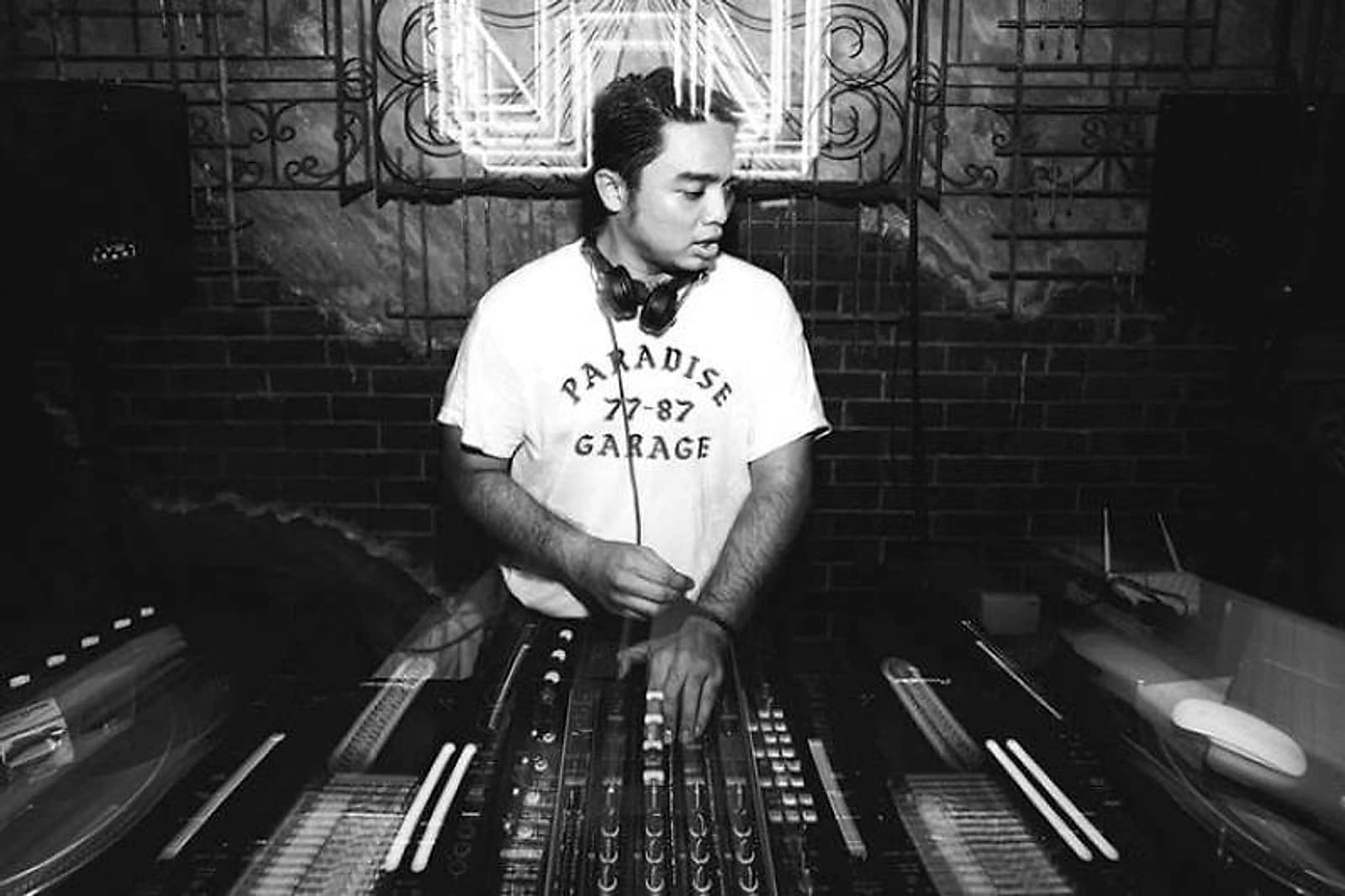
Cover photo: Dipha Barus, courtesy of The Beat Bali.
Read Next

Stay in the loop
Asian electronic music, weekly