
Tokyo After Midnight: The Underground Scene the World Wants
Tokyo's clubs run until 5am, the crowds know exactly what they came for, and the DJs treat a set like a commitment not a highlight reel. The world is catching up to what Japan built.
It's for everyone who shows up anyway. Inside the clubs, DJs, and relentless energy pushing Tokyo's house and techno scene to the top of the global conversation in 2026.
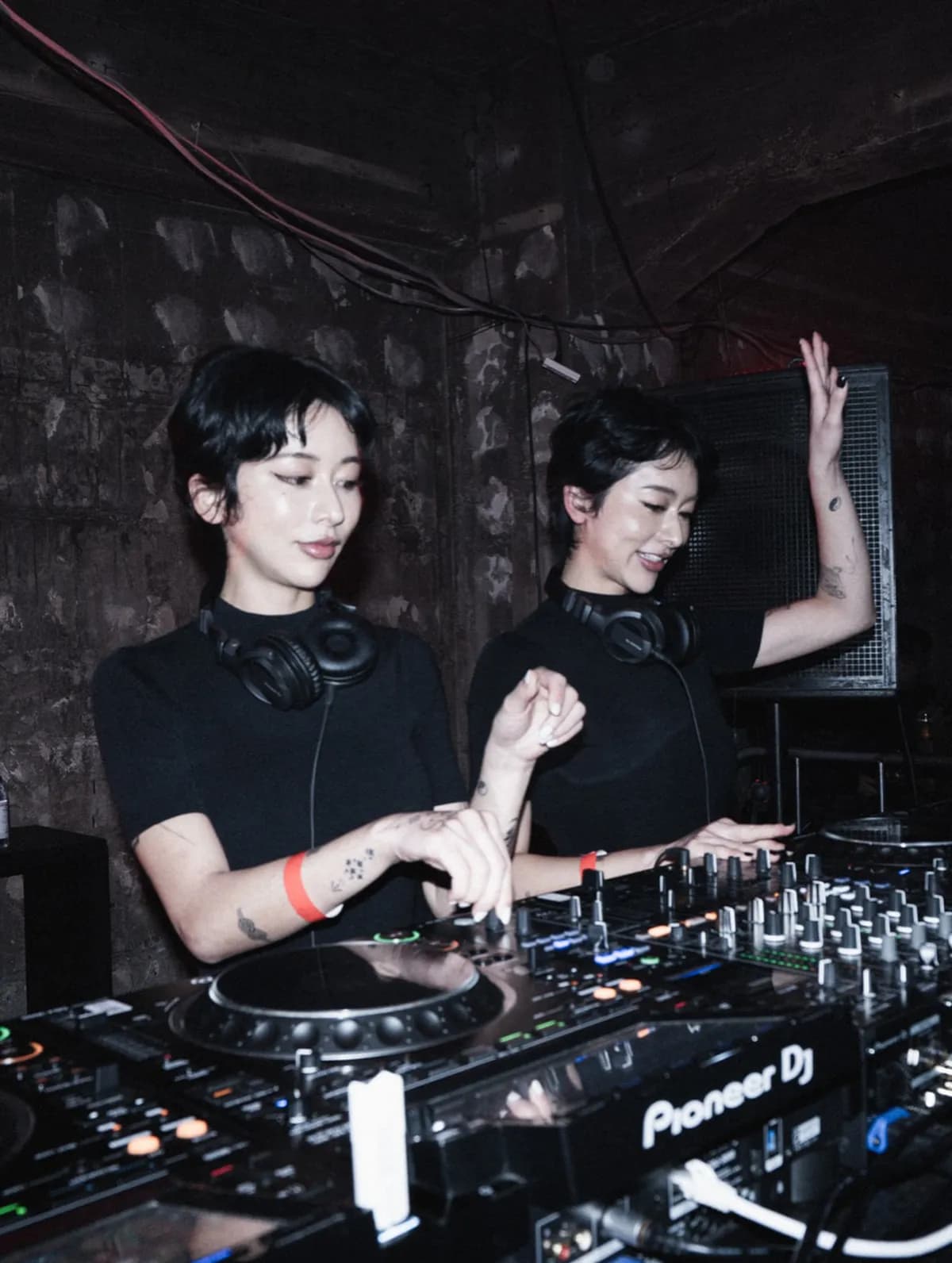
There is a moment, somewhere around 3am in a Shibuya basement, when you stop thinking about where you are and just become part of the room. The bass hits different when the ceiling is low, the sound system is Funktion-One, and the DJ has been building toward this exact moment for the last forty minutes. This is Tokyo. This is the point.
While every other global city is having a quiet crisis about its club scene, venues shutting, scenes splintering, and everyone going home at midnight, Tokyo keeps going. The clubs run until 5am when the trains resume. The crowds know exactly what they came for. And right now, the rest of the world is finally paying attention.
It Survived The No Dancing Law. It Will Survive Anything.
Dancing in Japan was technically illegal under a postwar entertainment law until 2015. Venues operated under constant pressure. Small clubs got shut down for letting people move their feet. And still, the underground kept building. What that pressure produced was a scene obsesses with the music itself and not the aesthetic or the clout. Audiences in Tokyo know what they are hearing. You do not talk on the dancefloor. You listen. You move. You earn your place in the room by caring as much as the person next to you.
Running an underground club in Tokyo is, as one industry observer put it, financial suicide wrapped in artistic passion. Noise regulations are tight. Rents are astronomical. Licensing is a maze. When Contract faced closure in 2020, the community raised millions of yen through Save Contract parties. Collectives like Trekkie Trax and Bunkai Kei Records keep money moving within the underground economy. This scene doesn't passively exist. It actively refuses to die.
Two Rooms, Two Completely Different Arguments
WOMB has been in Shibuya since 2000. Four floors, a Funktion One system, and a programming philosophy built entirely around taking the music seriously. Then there is Contact, accessed through a parking lot on Dogenzaka and a basement room with a Void acoustic system where DJs play four hour sets with no announcement, building something across the whole night rather than just showcasing tracks. Two venues. Two completely different arguments for what a club can be be. Both correct.
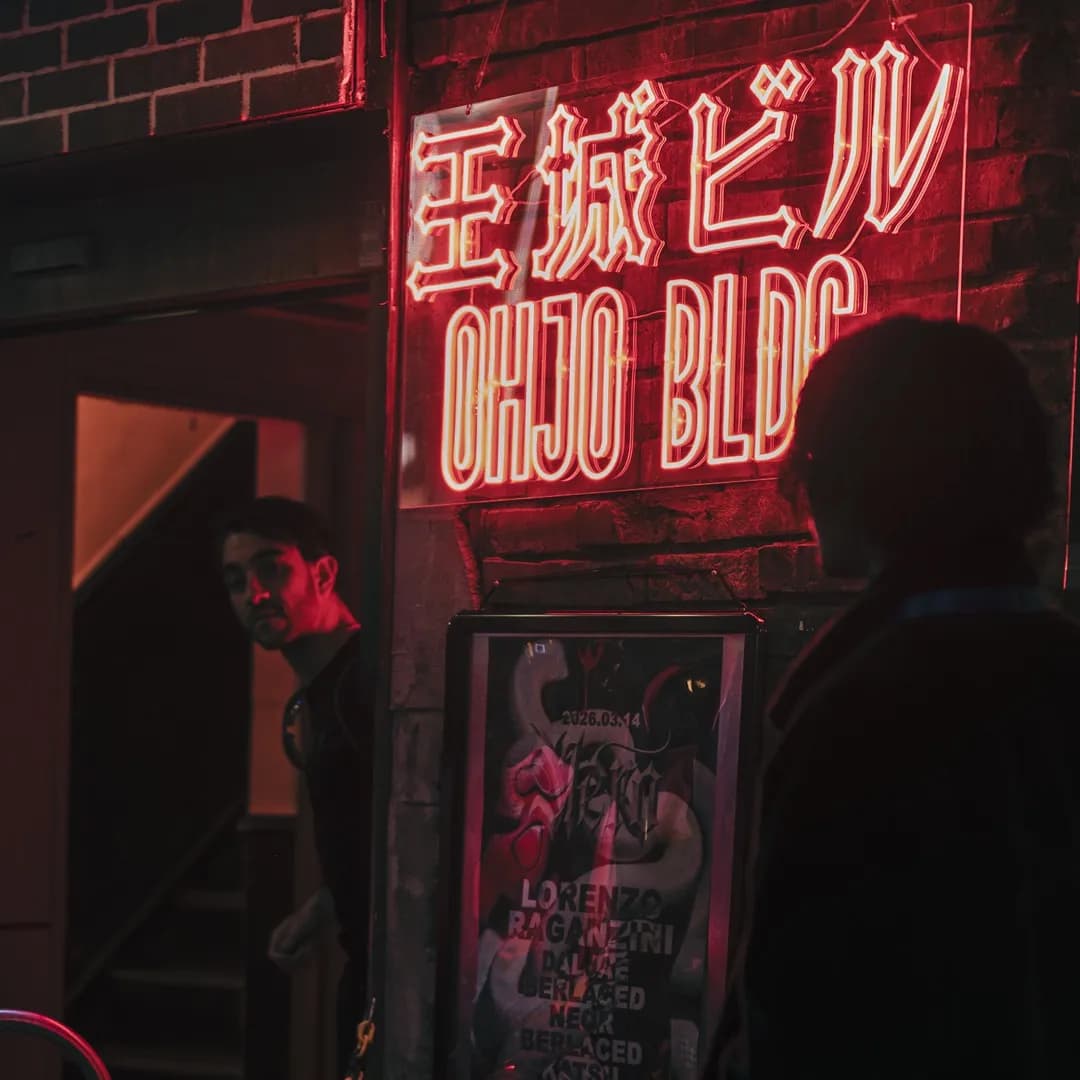
The newest name in the conversation is OHJO, a three floor venue inside a red brick building in Kabukicho that looks like someone dropped a medieval castle into the most chaotic nightlife district in Tokyo. In 2025 alone, it hosted Layton Giordani, Héctor Oaks, Radio Slave, and Alan Dixon. Its NYE 2026 event ran seven plus hours across three floors of techno, house, trance, and schranz. It now has one of the highest foreign visitor rations in the city. The momentum is real and it's rising!
The culture of respect for the music, for the space, for the experience is taken seriously in ways that feel unusual to visitors from scenes where nightlife is more spectacle than listening.
The Names Doing The Work
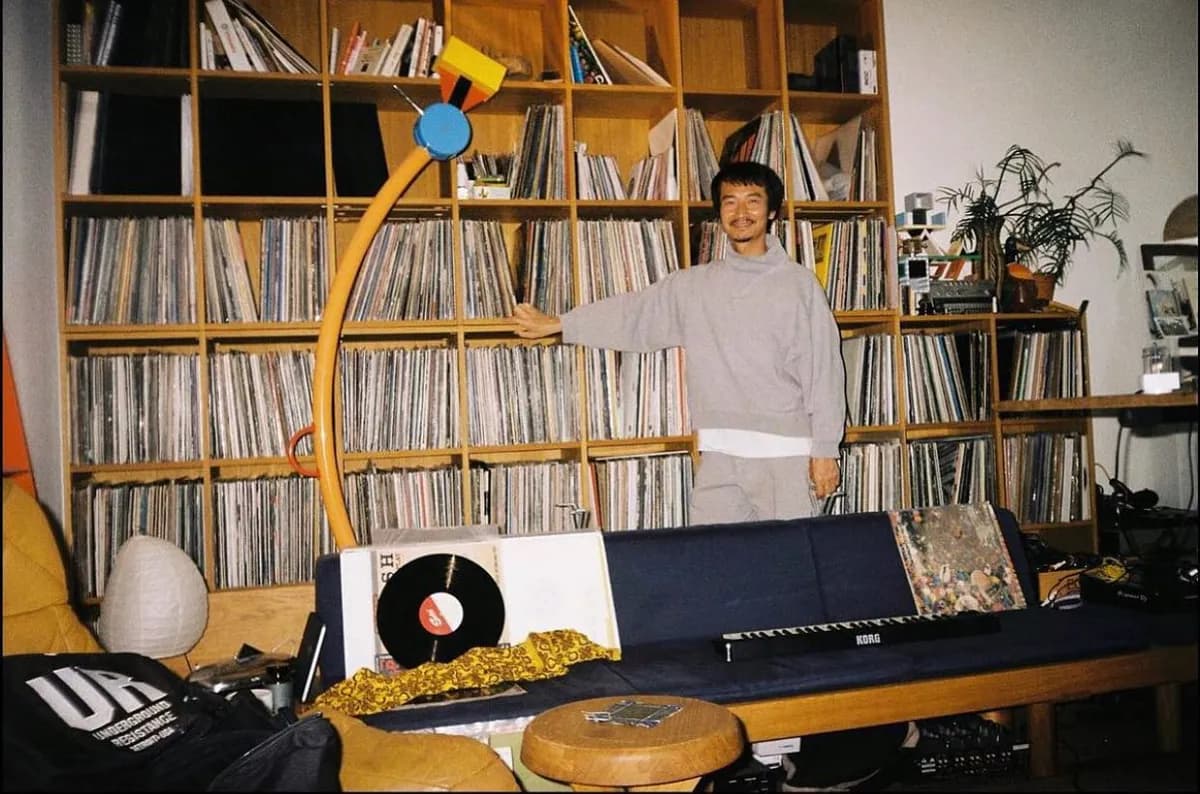
Soichi Terada founded Far East Recording in 1989 and spent the 90s making warm, melodic deep house that sounded like nothing else. Partly because he and collaborator Shinichiro Yokota were actively trying to recreate the New York house sound they loved and, by their own admission, failing beautifully into something better. The music stayed underground for decades until Dutch label Rush Hour had DJ Hunee compile it for a 2015 release that cracked the whole world open. A 2025 reissue arrived with new packaging. Ten years later, still essential.
DJ Nobu runs Future Terror, one of the city's most important underground event series, often announced only days before via social media. He went from Tokyo local hero to Dekmantel regular without losing whatever makes his sets feel unmistakably Japanese. Delicate, detail obsessed, the opposite of the Berlin style.
Then there is Gonno, a hidden gem.
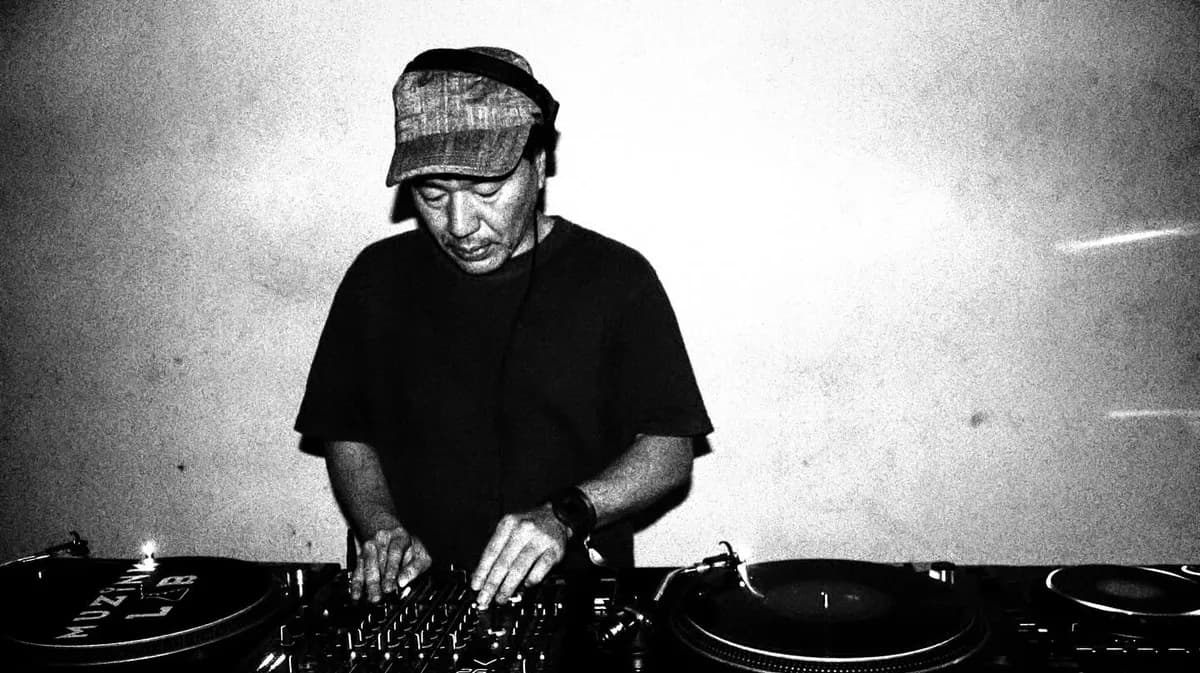
He fell in love with DJing at 18 at legendary Tokyo clubs Gold and Yellow, quit his band on the spot, bought two turntables and a mixer, he spent years doing nothing but digging for vinyl and practicing before a single production ever came out. That kind of commitment shows up in the music. His releases have landed on International Feel, Beats In Space, and Ostgut Ton, which is Berghain's label, which tells you just about everything you ought to know about where the global scene places him. Acidic, melodic, house rooted and completely his own. As recently as October 2025, he was sharing a bill with Paris legend DJ Deep in Tokyo and sounding like the headliner.
What It Actually Asks Of You
Phones away. Not in your pocket at a weird angle, actually away. Camera stickers at the door are common. Contact enforces strict no photography on the main floor. You do not talk on the dancefloor. You arrive at midnight and not 2am. You dress for comfort because you will be dancing for five hours. The last train is at midnight and the first is at 5am and you decide before you go which kind of night is going to be.
There is no shortcut into the community. Show up consistently. Buy records. Talk to the bar staff. Come back. At some point around 3am, in a room that demands everything you have got, the floor becomes yours too.
Read Next


Stay in the loop
Asian electronic music, weekly