Techno explained: what the genre is, how it differs from house, and where Kuala Lumpur's Over & Above fits in.
Techno has a named inventor, and dance music lost him on October 31, when Juan Atkins was found unresponsive in a Mexico City hotel room ahead of a show at YuYu Cine Club. He was 64. Kevin Saunderson, one of the two friends who built the genre alongside him, posted a tribute calling Atkins "the originator of Techno, a true visionary who opened the door for so many of us." That's barely a metaphor: it is the most literal possible description of what happened in a Detroit suburb in the early 1980s.
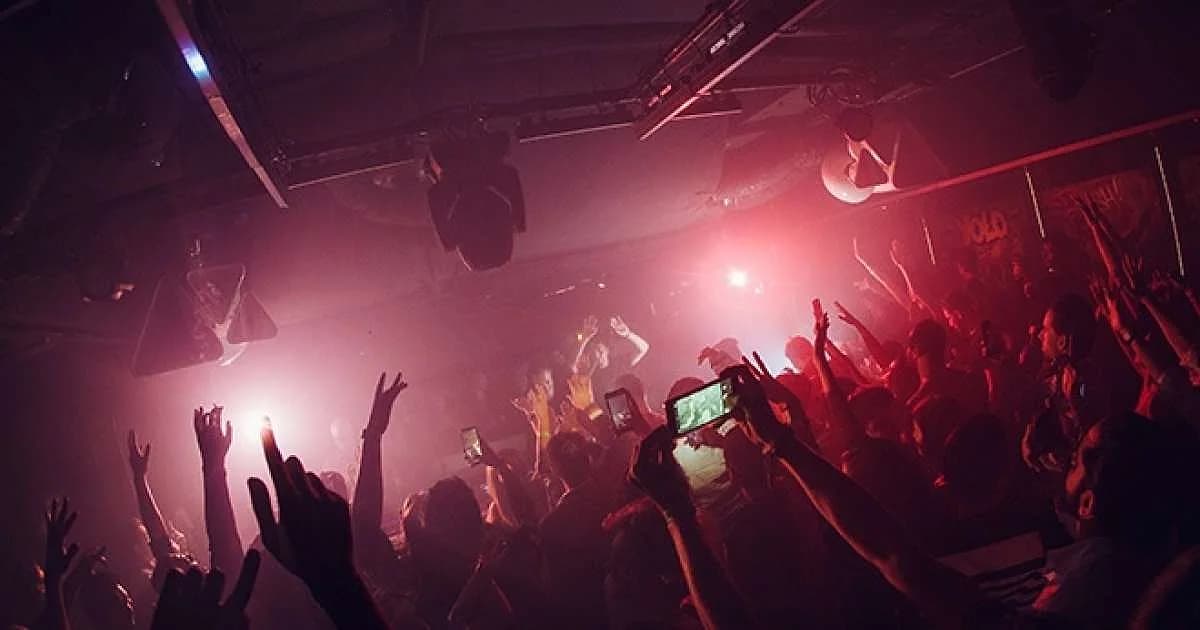
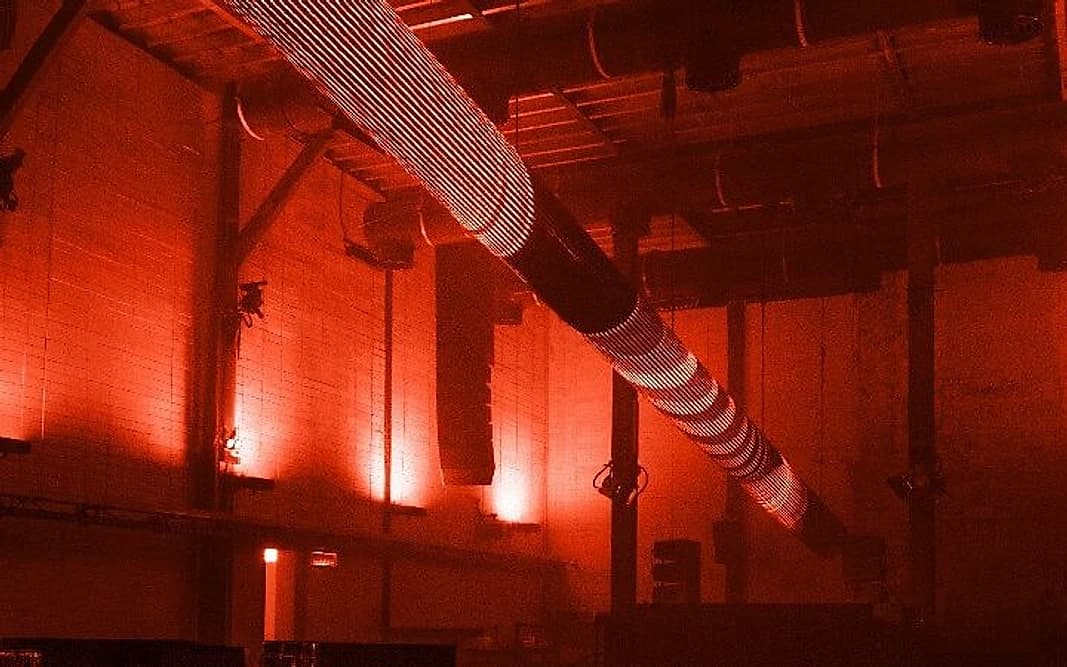
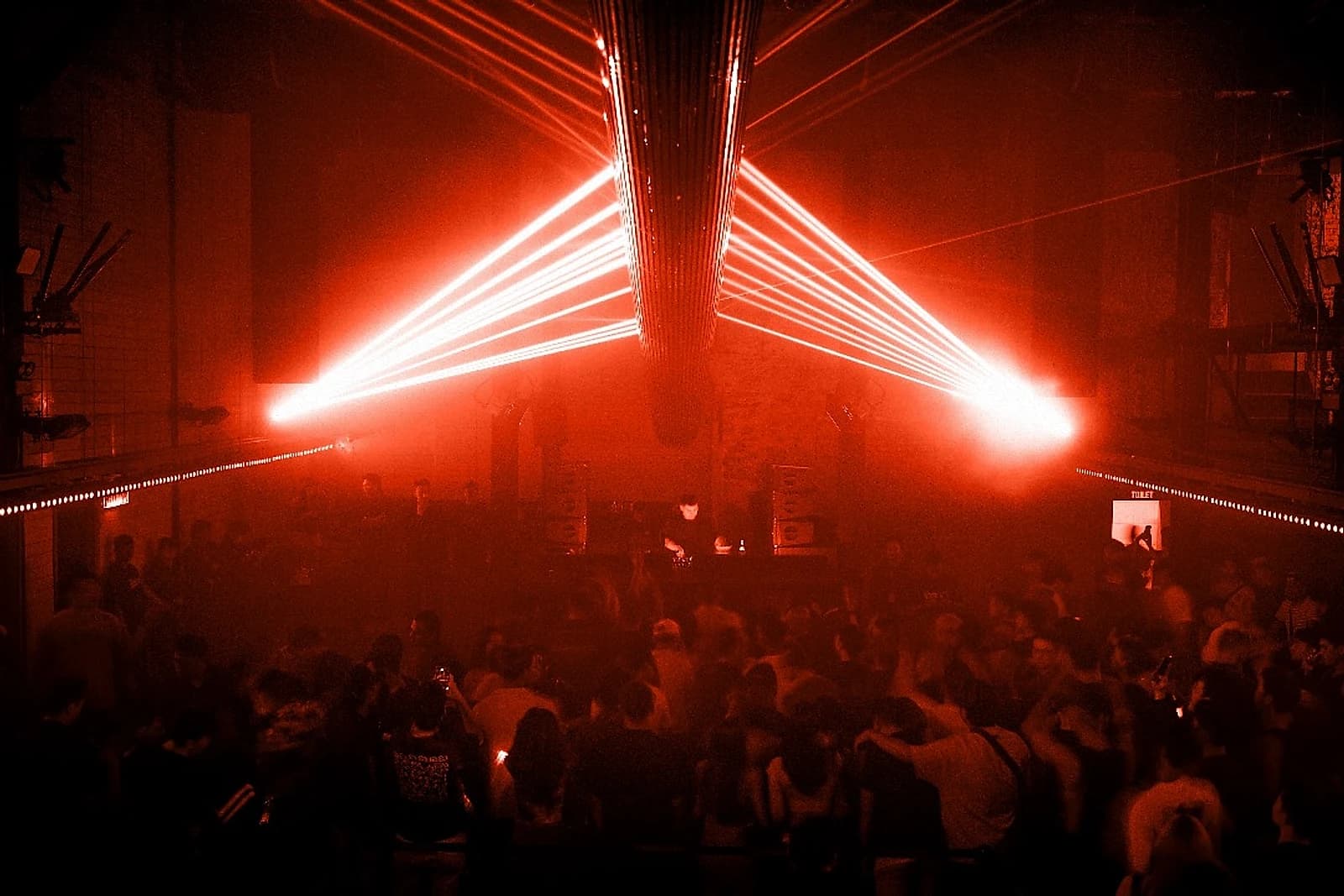
Strip away the mythology and techno is a specific, describable thing: a genre built on drum machines, sequencers and synthesizers, generally produced for a continuous DJ set with a repetitive four-on-the-floor beat at roughly 120 to 150 beats per minute. That's also the comparison Kuala Lumpur's Over & Above makes about itself: an 800-capacity room built from six merged shophouses, inspired by Printworks and Berghain, with a light installation conceived with a Russian lighting-artist studio.
Detroit, Not Berlin
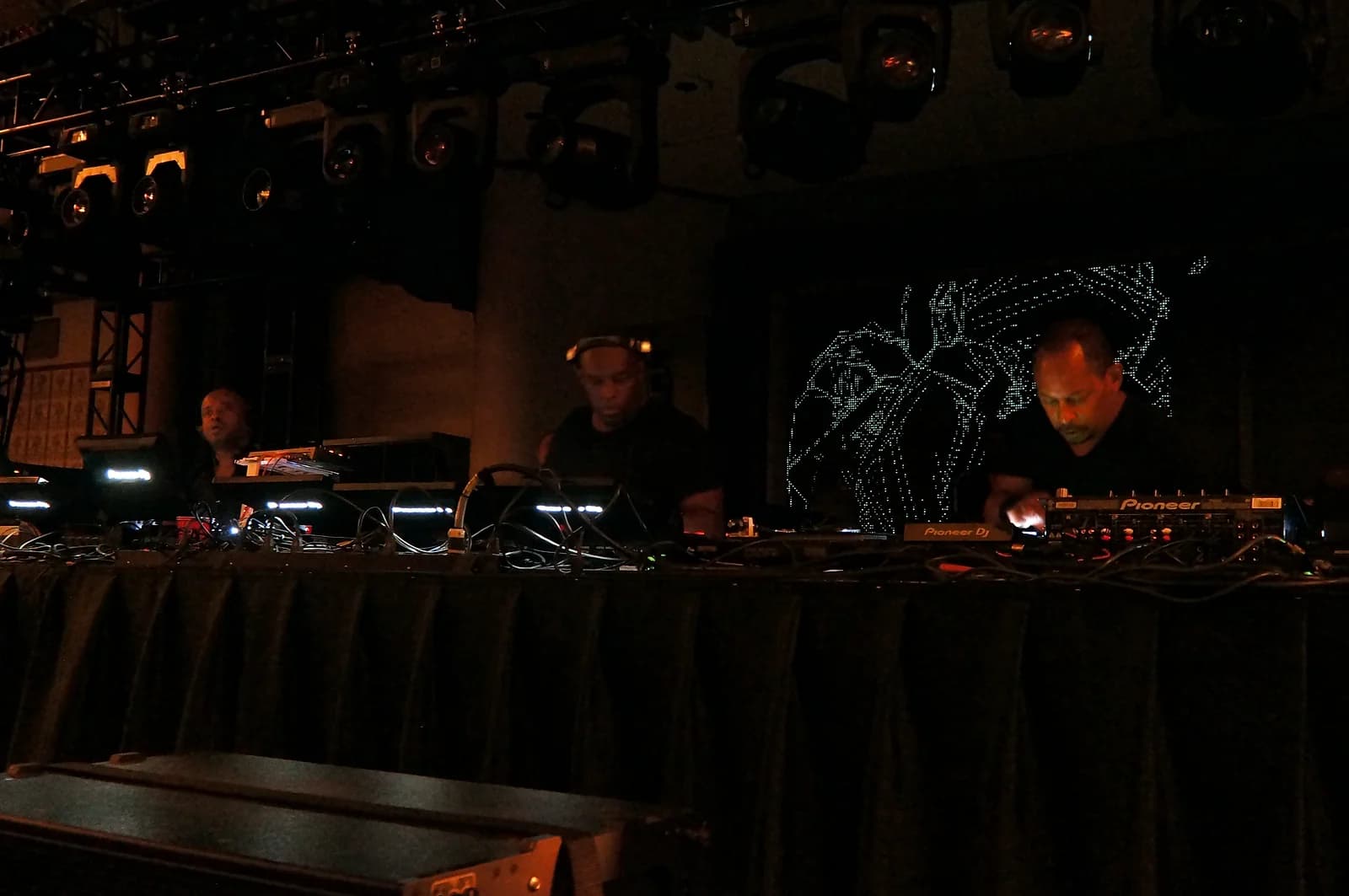
Most people asked to name techno's home city say Berlin. The genre started in Belleville, Michigan, a Detroit suburb, where Atkins met two junior-high classmates, Derrick May and Kevin Saunderson. The three later got a collective name, the Belleville Three, and most of what followed in dance music is some version of what they worked out together. Atkins got his first synthesizer, a Korg MS-10, at 16. In 1980 he formed Cybotron with Richard Davis, mixing Kraftwerk's rigid electronic pop with Parliament-Funkadelic's live groove and the late-night radio sets of Detroit broadcaster the Electrifying Mojo. Cybotron's 1983 album Enter produced "Clear" and "Alleys of Your Mind," both now treated as founding techno records. When the group split in 1985, Atkins kept going solo as Model 500 and started his own label, Metroplex, to release the music himself, beginning with the single "No UFOs."
Why Berlin Gets the Credit Anyway
Berlin's claim on techno isn't invented, just later. Berlin's scene took off after the Wall fell in 1989: free underground techno parties spread through the east of the city, and clubs including Tresor opened near the old Wall line from 1991 onwards. Berlin didn't write techno's first record, but it supplied the all-night licensing and the physical rooms that turned a Detroit sound into dance music's default global reference point, which is why a club in Kuala Lumpur reaches for Berlin rather than Detroit when it wants to explain itself in one word.
House and Techno Trace Back to Different Cities
Loopliner covers both under one banner, but they trace back to different decades and different cities. House grew out of 1980s Chicago, where DJs reworked disco songs into a more mechanical beat built around a singer or sampled vocal hook. Techno, built in parallel in Detroit, is generally produced for a continuous DJ set, built to disappear into hours of mixing instead of standing alone as a single track. The line blurs constantly in practice, and plenty of DJs play both in the same set, but the distinction is real enough that a club booking "techno" and a club booking "house" are usually promising a different night.
Where to Hear Techno in Southeast Asia
Over & Above's booking sheet has run from hardcore DJ Angerfist to Bollywood-pop crossover artist Panjabi MC since the club opened in October 2024, a wider range than the Berghain comparison alone would suggest. The venue sits at 53 Jalan Tun H S Lee, behind a row of converted shophouses. It's one entry point into a regional scene that runs from Bangkok's dedicated techno rooms to Jakarta's underground, covered in full in Thailand's house and techno scene, explained.
FAQ
What is techno music, in simple terms?
Techno is electronic dance music built on drum machines and synthesizers rather than live instruments, with a steady four-on-the-floor beat around 120 to 150 beats per minute and few or no sung vocals, designed for continuous DJ mixing, not standalone songs.
Who invented techno?
Juan Atkins, working with school friends Derrick May and Kevin Saunderson in Belleville, Michigan, outside Detroit. The three are known as the Belleville Three. Atkins released the genre's early records as Cybotron and later as Model 500 on his own label, Metroplex.
Is techno the same as house music?
No. House developed in Chicago in the 1980s, pioneered by DJs including Frankie Knuckles. Techno developed in parallel in Detroit and generally skips the vocal hook in favor of rhythm and sound design, though the two genres overlap constantly in practice.
Why is techno associated with Berlin instead of Detroit?
Detroit built the genre in the 1980s. Berlin scaled it after 1989, when the fall of the Wall left the city with cheap industrial buildings and few restrictions on all-night clubs, conditions Detroit's own scene didn't have at that point.
Where can I hear techno in Southeast Asia?
Kuala Lumpur's Over & Above, built from six merged Chinatown shophouses, runs regular techno and hard techno nights through its resident TCHUNO. Bangkok and Jakarta both carry active techno scenes, detailed in Loopliner's wider regional coverage.
Cover photo: Over & Above KL, via overandabove.com.my.
Next nights in Kuala Lumpur
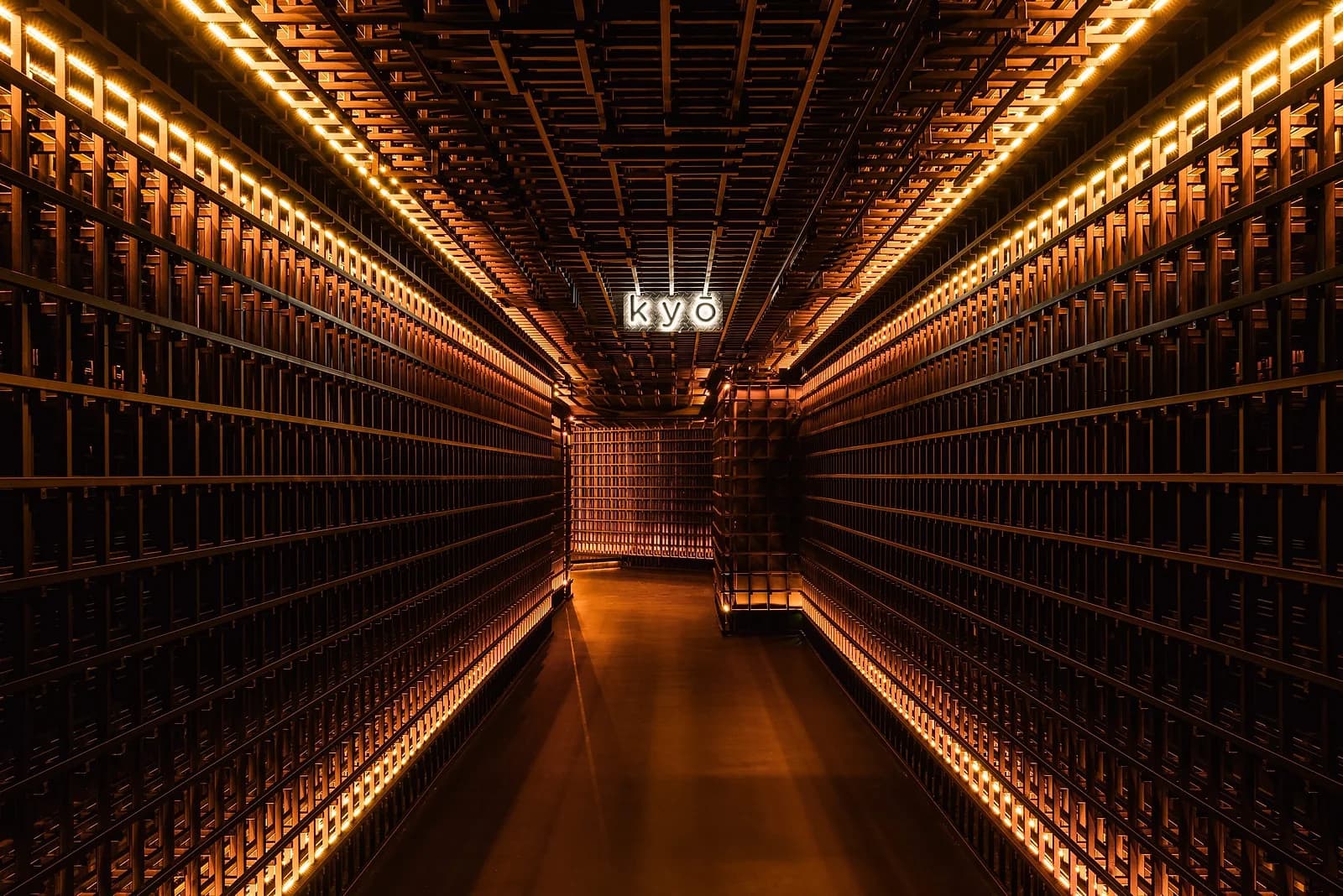
- Thu 19 Nov Kuala LumpurArthi x CALDEEKyo, Kuala Lumpur
- Fri 20 Nov Kuala LumpurGive. Presents THISODrip Kuala Lumpur, Kuala Lumpur
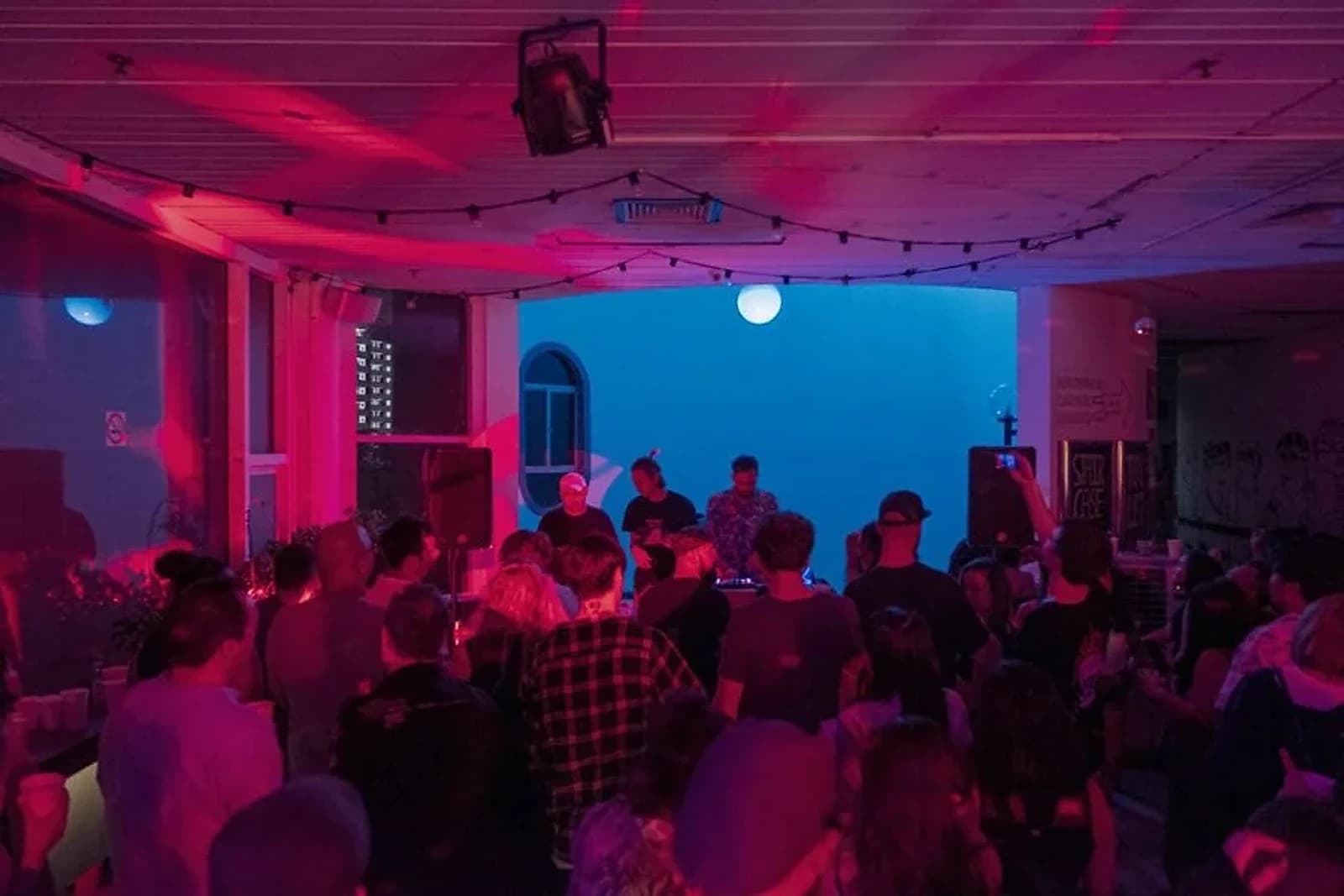
- Sat 21 Nov Kuala LumpurCreationOfEden presents: J Wax (UK)Sky Society KL
- Thu 26 Nov Kuala LumpurJoseph CapriatiKyo, Kuala Lumpur
- Fri 27 Nov Kuala LumpurDJ HABIBEATSSTARR @ TRX, Kuala Lumpur