A former Google and ByteDance AI researcher spent years building machine learning tools for other people's music. Now he uses them to turn Thai ceremonial instruments into club tracks, including a 2022 AI Song Contest winner.
Official link
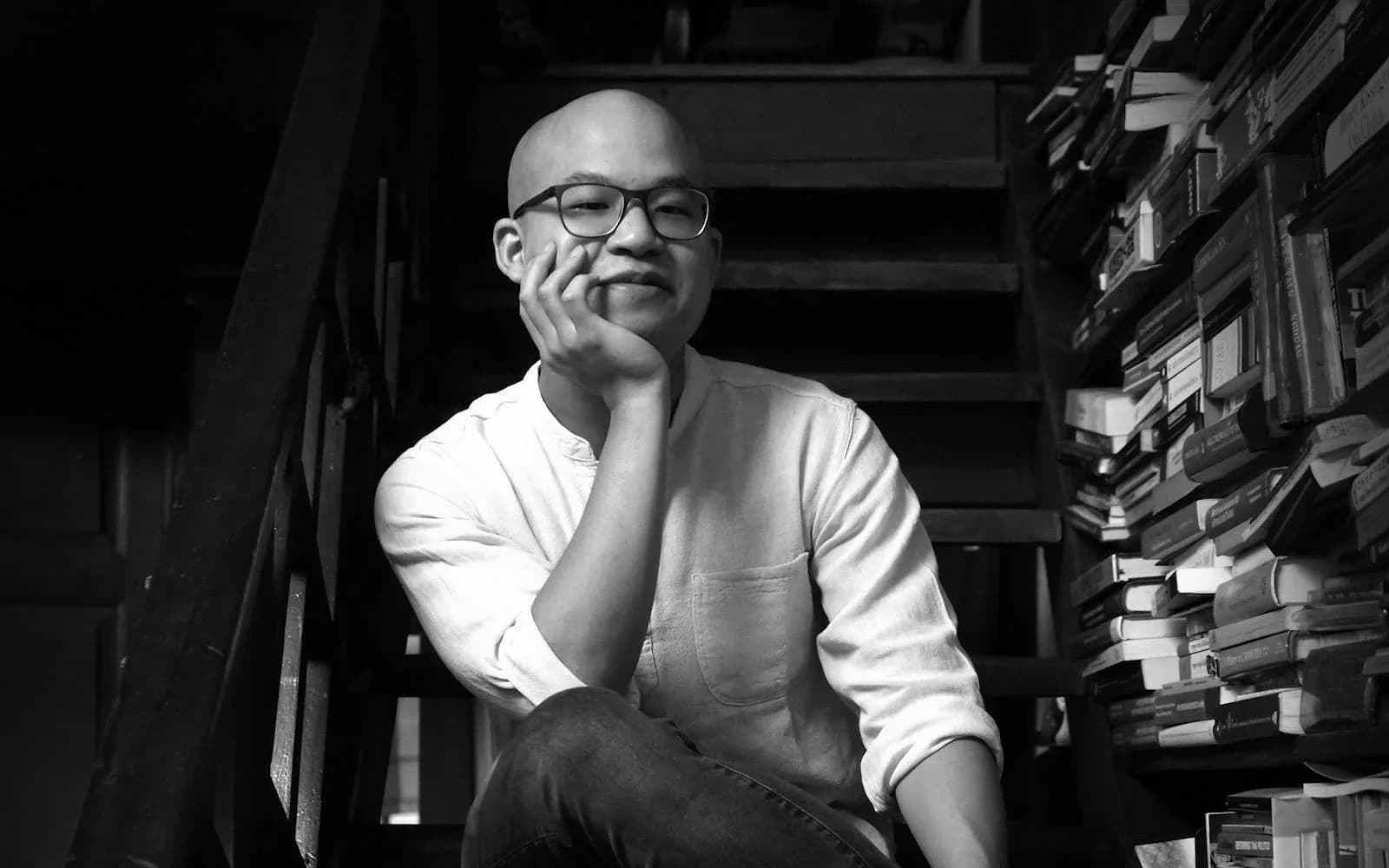
Lamtharn Hantrakul spent seven years building AI tools inside Google, ByteDance and TikTok, including Google's open source DDSP sound library and ByteDance's SEED-Music system. Then he pointed some of that same code at the phi chawa, the reed instrument played at muay thai matches, and won an international AI music competition with the result.
That win came in 2022. Hantrakul's entry for the AI Song Contest, "Enter Demons and Gods" (อสุระเทวะชุมนุม, Asura Dheva Choom Noom), sets a scene from Thai mythology, demons and gods clashing in an ocean, over a track built around the phi retuned through AI so a player can improvise in its native scale rather than the Western one most music software assumes. "Melodies from many parts of Southeast Asia, the Middle East and Africa do not follow the same western scales and tunings assumed by most music AI systems," he wrote about the project.
Hantrakul double-majored in applied physics and music at Yale. The DDSP library he co-authored at Google and the SEED-Music system he helped build at ByteDance are both aimed at the same underlying problem: getting machine learning models to work with the specific sound of a real instrument rather than a generic synthesized one. The AI Song Contest, which pairs musicians with machine learning researchers, gave him a reason to point that research at an instrument nobody in the AI world had trained a model on before.
The Instrument, Not the Preset
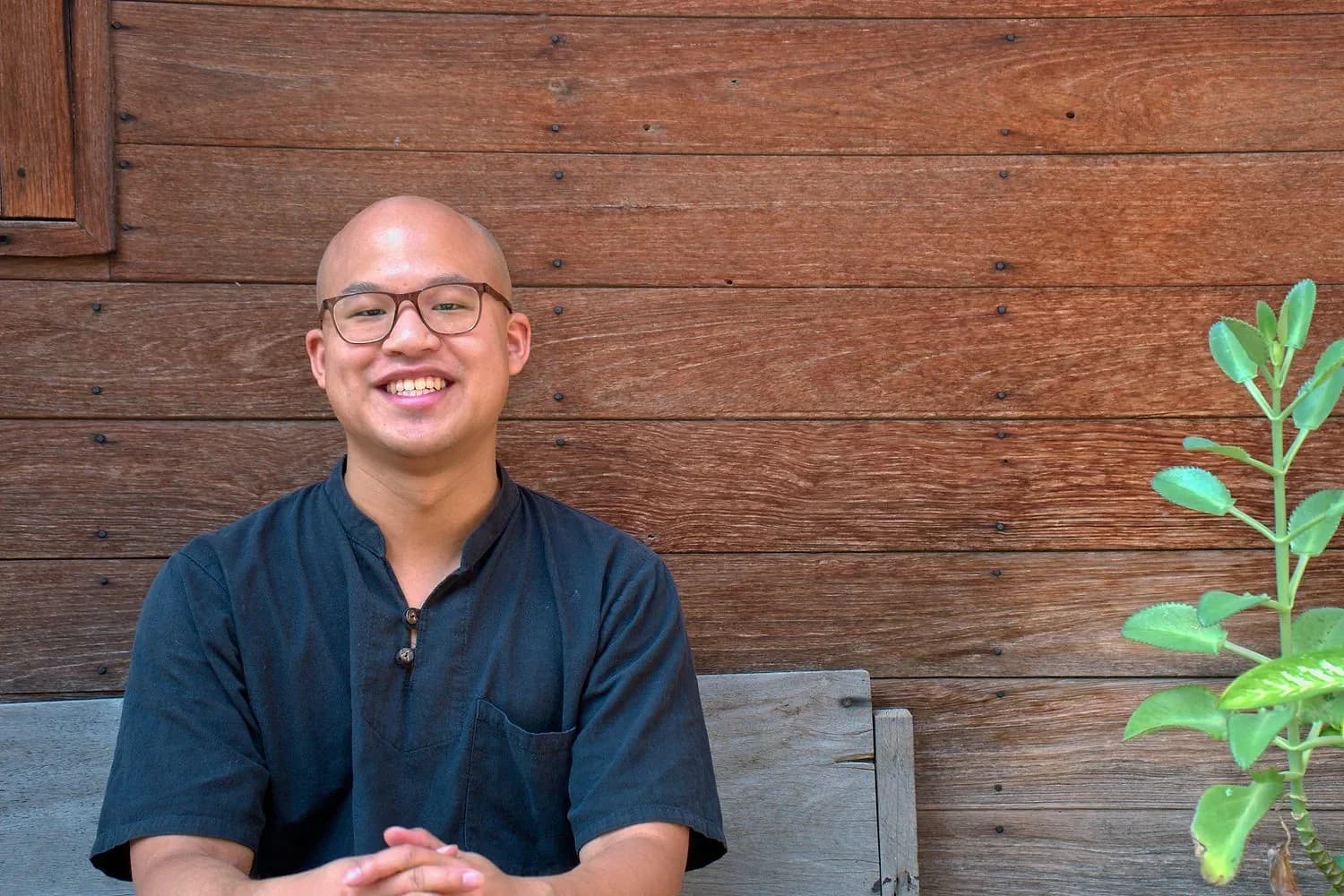
Working as yaboihanoi, Hantrakul builds tools that learn the specific textures of Thai ceremonial and performance instruments. He develops AI systems that recognize the micro-inflections of the phi nai, a ceremonial oboe played by Ajarn Joey, a master performer he collaborates with directly, and the kraw nai rhythms used in Khon masked-dance demon-army marches, then transfers those textures onto flutes and synthesizers. For percussion, he generates new ching cymbal sounds from scratch with text prompts describing a metallic, reverb-heavy clang. The goal is for the instrument's identity to survive the transformation. "If you want a filthy lead, it can still be a phi," he told Blaqlyte in 2024.
From Research Labs to Sónar
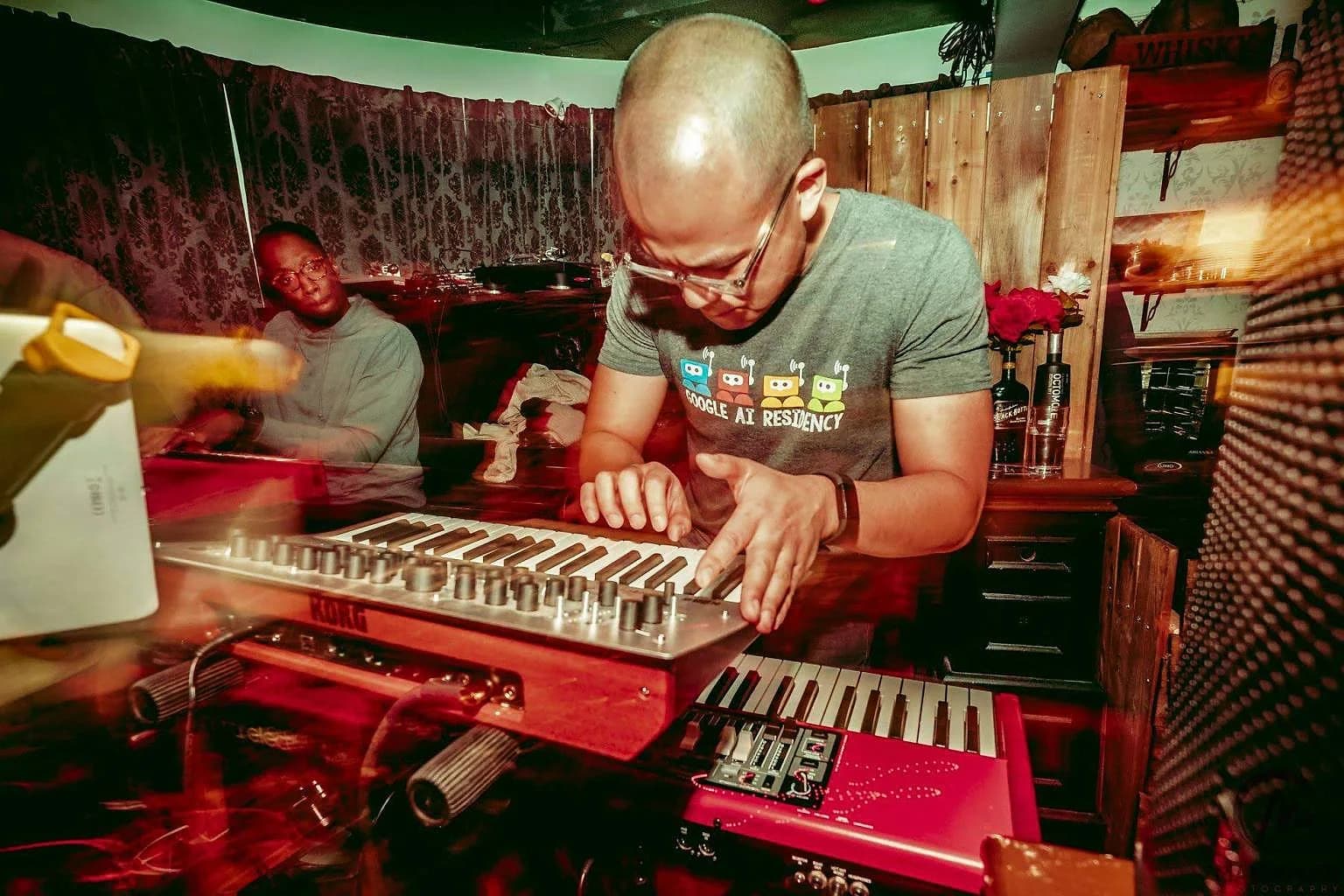
In June 2025, Sónar+D, the Barcelona festival's technology and research track, listed a yaboihanoi talk titled "Lemongrass & Bass: A Thai Recipe for AI Music."
Bangkok's electronic underground has more than one person doing this kind of digging. Pissawong Records, the label behind what it calls "Thai house," samples 90s ghost-show intros and Buddhist chanting over four-to-the-floor drums elsewhere in Bangkok's clubs. What sets yaboihanoi's version apart is the tooling: he trains software to recognize an instrument's grain, then lets it play things that instrument never made before.
Khon, the masked dance-drama Hantrakul pulls the kraw nai marches from, and muay thai's ringside phi chawa both got along fine without an AI researcher for generations. What yaboihanoi adds is a way to hear them somewhere they have never played: a club system, a Sónar stage, a five-dollar Bandcamp download tagged, alongside "Thai" and "Bangkok," with the word "genai."
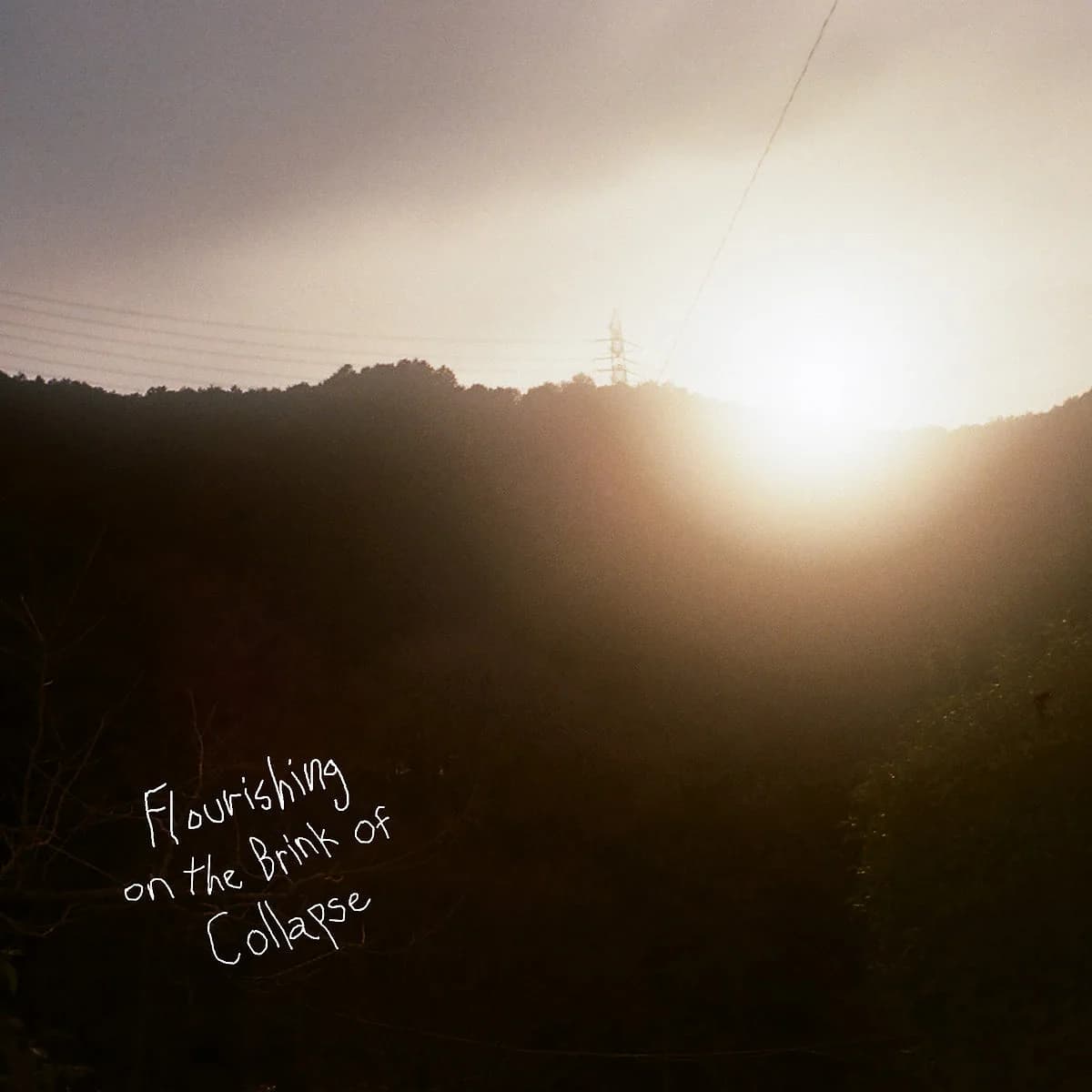
His catalogue is on Bandcamp now, phi tones, Khon war drums and all, still carrying the 2022 win in its track listing.
Cover photo: Press photo via Royal Ballet and Opera.
Next nights in Bangkok
- Thu 19 Nov BangkokKittenpop Experience at Elsewhere, BangkokElsewhere, Bangkok
- Thu 19 Nov BangkokPOCARI with Bugsy, Karmasub, DEE182 and MoreBar Temp., Bangkok
- Thu 19 Nov BangkokThursday: Happy Airlines with Jorgium, Mae Happyair, WisarutHorn, Bangkok
- Fri 20 Nov BangkokArt islandBangkok Island, Bangkok
- Fri 20 Nov BangkokHARD EDGE: Dark & Industrial Hard TechnoCulture Cafe, Bangkok