
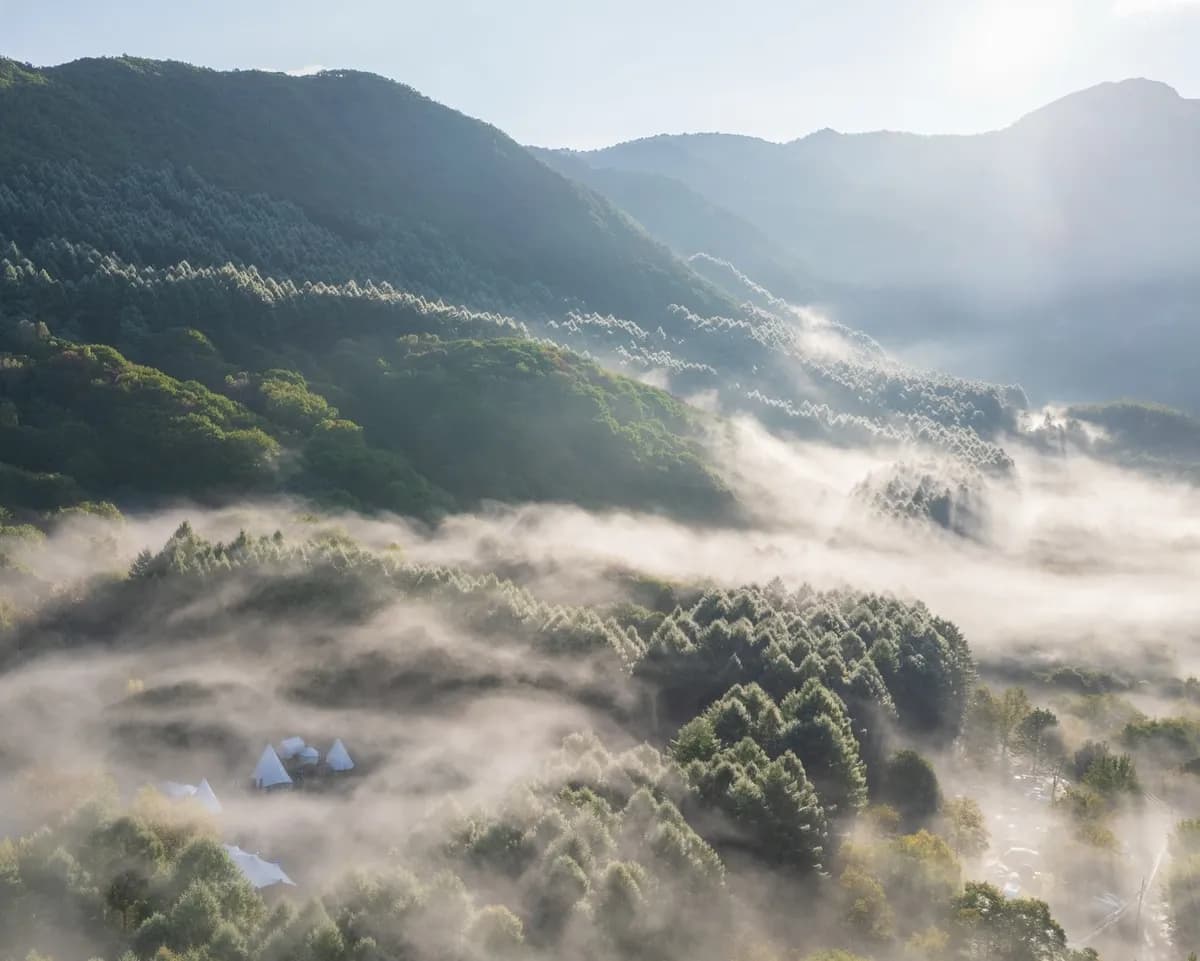
Deep in Japan’s Mountains, The Labyrinth Returns This October
The Labyrinth returns to Japan’s mountains this October with no lineup, no gate tickets and a reputation so trusted that fans still buy tickets before a single artist is announced.
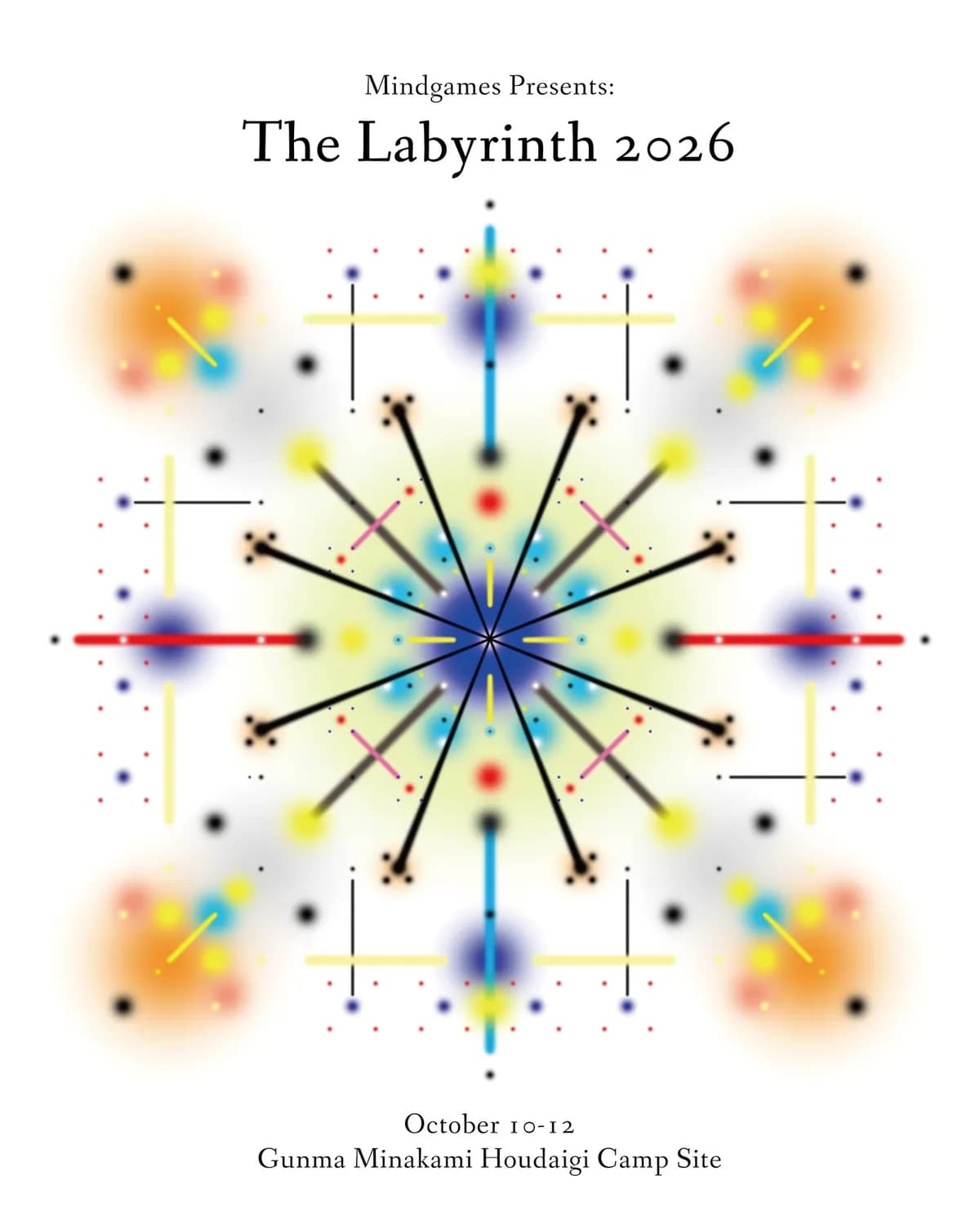
The 2026 edition of The Labyrinth has no confirmed artist lineup. No on-site ticket sales. It takes place at a campground in the mountains of Gunma prefecture that most people outside Japan have never heard of. The first two ticket categories are already sold out. The third is going at 27,000 yen. The event runs October 10 to 12. People are paying without knowing who is playing. They do this every year.
Founded in 2001 by Mindgames, The Labyrinth has spent over two decades quietly becoming one of the most trusted events in underground electric music, not through aggressive promotion or viral moments, but through a consistent refusal to do things the conventional way. That refusal is the whole product.
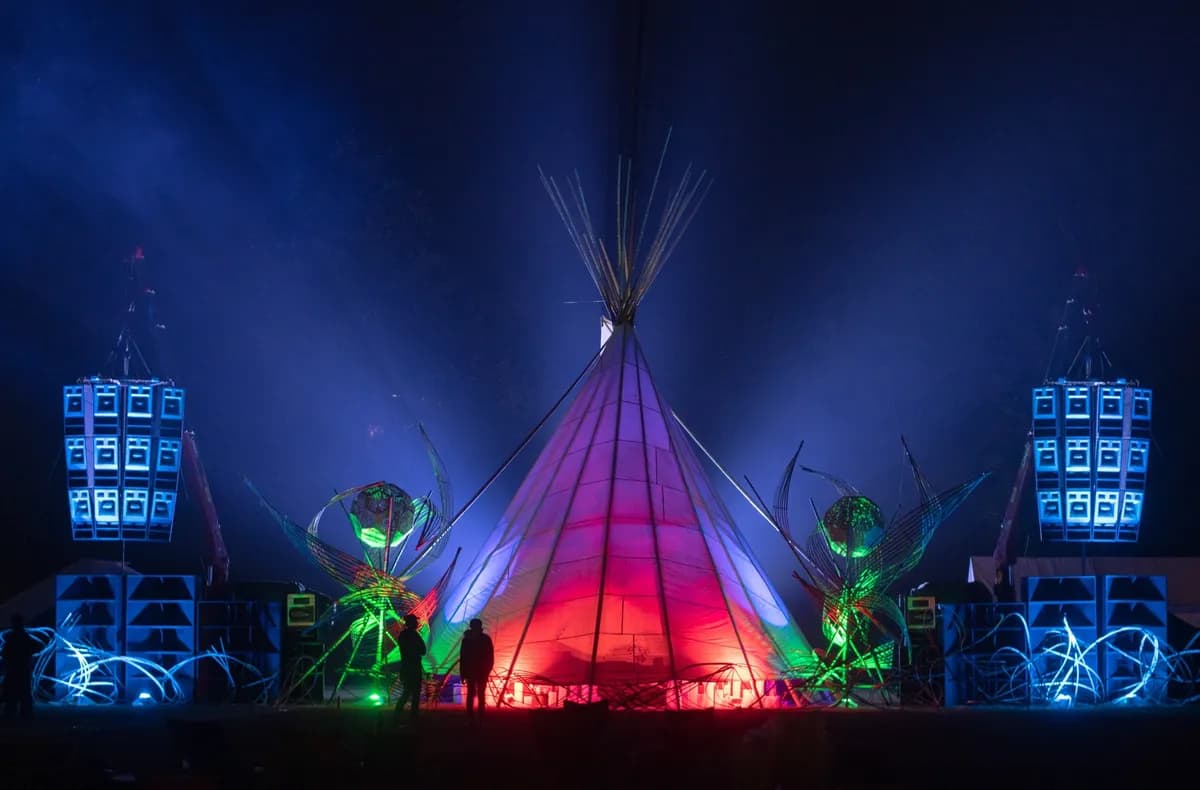
"Mystery and surprise are key elements of artistic experiences. Expectations can sometimes get in the way." - Mindgames, on why they keep the lineup secret
A forest, A Funktion-One and no schedule
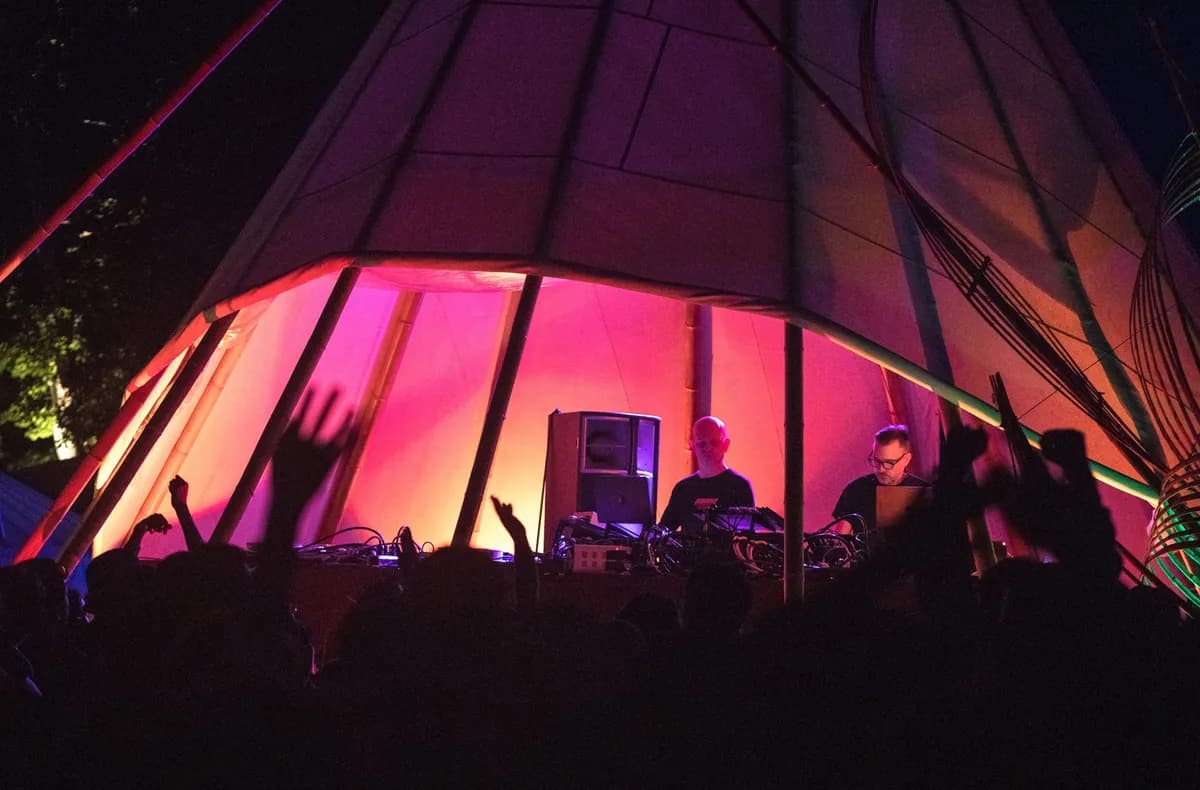
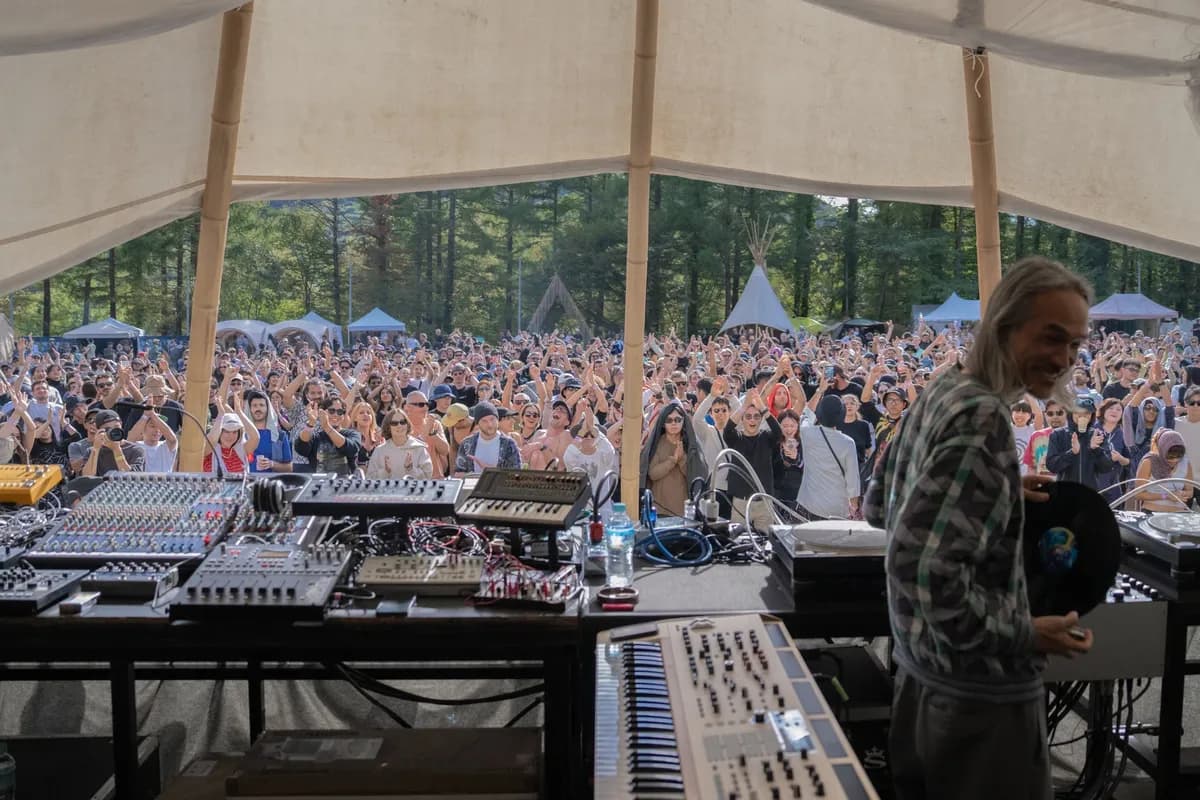
The festival runs three days across a single stage set in a forest clearing the Gunma mountains. The sound system is a bespoke Funktion-One rig. The leaves turn crimson in October. On clear nights the stars are the kind you forget exist when you live in a city. Mindgames frames the whole thing as a ritual rather than an event: three cycles of rising, dancing and falling, one per day, forming a continuous arc from start to finish.
Over the years the artist list has consistently pulled from the most serious end of the underground. Past performers include Surgeon, Donato Dozzy, DJ Nobu, Wata Igarashi, Peter Van Hoesen, Kangding Ray and BATU. These are not compromise bookings. Every name on that list belongs at a festival with this level of care around it.
The rules are strict and that is the point
The Labyrinth publishes a specific and unapologetic set of rules. They matter because they are not bureaucratic. They are expressions of what the event actually values.
- No light sources on the dancefloor. The lighting is designed deliberately and the organisers ask you to keep the night dark. No sound systems in the campsite. You are there to listen, not to host a satellite party. No cigarette butts on the ground. Portable ashtrays are strongly suggested. Pre-sale tickets only. Nothing is available at the gate. If you did not plan ahead, you are not going.
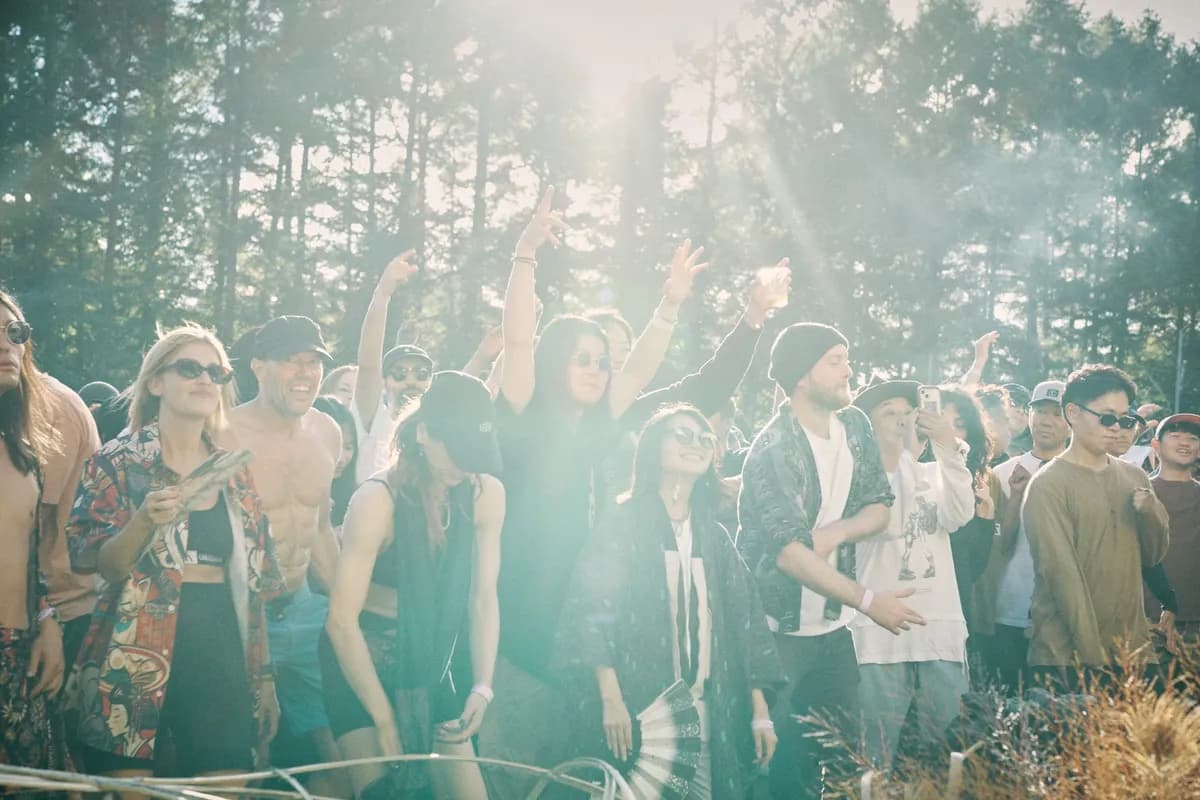
That last rule does more than manage capacity. It filters the crowd toward people who made a decision to be there, not people who drifted in on a whim. The difference in room energy between those two crowds is something every DJ at this level can feel immediately.
Japan just does this differently
The Labyrinth is not an accident of geography. Japan has a specific relationship with electronic music that runs deeper than most Western coverage acknowledges. DJ Nobu's Future Terror has spent years building one of Asia's most respected techno platforms in Tokyo. The discipline and attentiveness that Japanese audiences bring to listening is something international artists consistently mention after playing there. There is a culture of treating the music as its own end, not as a backdrop to something else.
Mindgames is deeply embedded in that culture. The label and its founders have been part of the Japanese underground since before The Labyrinth existed. The festival did not build its reputation from outside in. It built it from inside out, earning the trust of a community that already knew what good sounded like, and expanding from there.
Trust the process, literally
The Labyrinth is structured so that it literally cannot be about anything other than the music. There is no lineup to generate press. There is no gate to walk up to on the night. There is no headline name to check on social media before deciding if it's worth the trip. You go because you trust the process, and the process has earned that trust over twenty-five years without ever once compromising it.
That is rarer than it sounds. October 10, Gunma. Be there or spend the following year hearing about it from someone who was.
Read Next

Stay in the loop
Asian electronic music, weekly