
Desa Potato Head's Headstream Turns 564 Kilos of Recycled Plastic Into a Beach Radio Studio in Bali
Inside The Womb, a 90-metre bamboo archway at Desa Potato Head, a DJ booth built from ocean plastic streams Indonesian voices and vinyl live from Seminyak's sand.
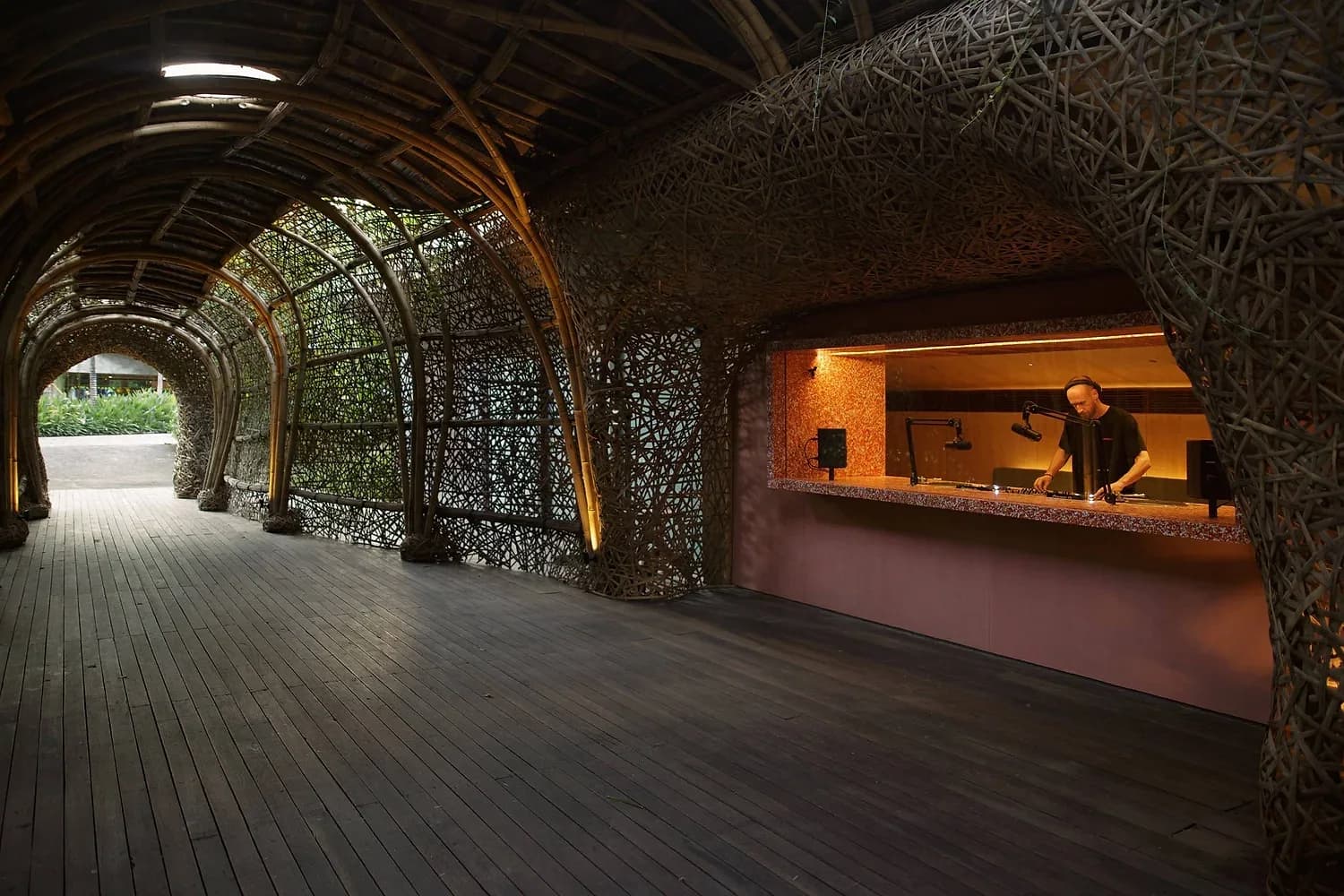
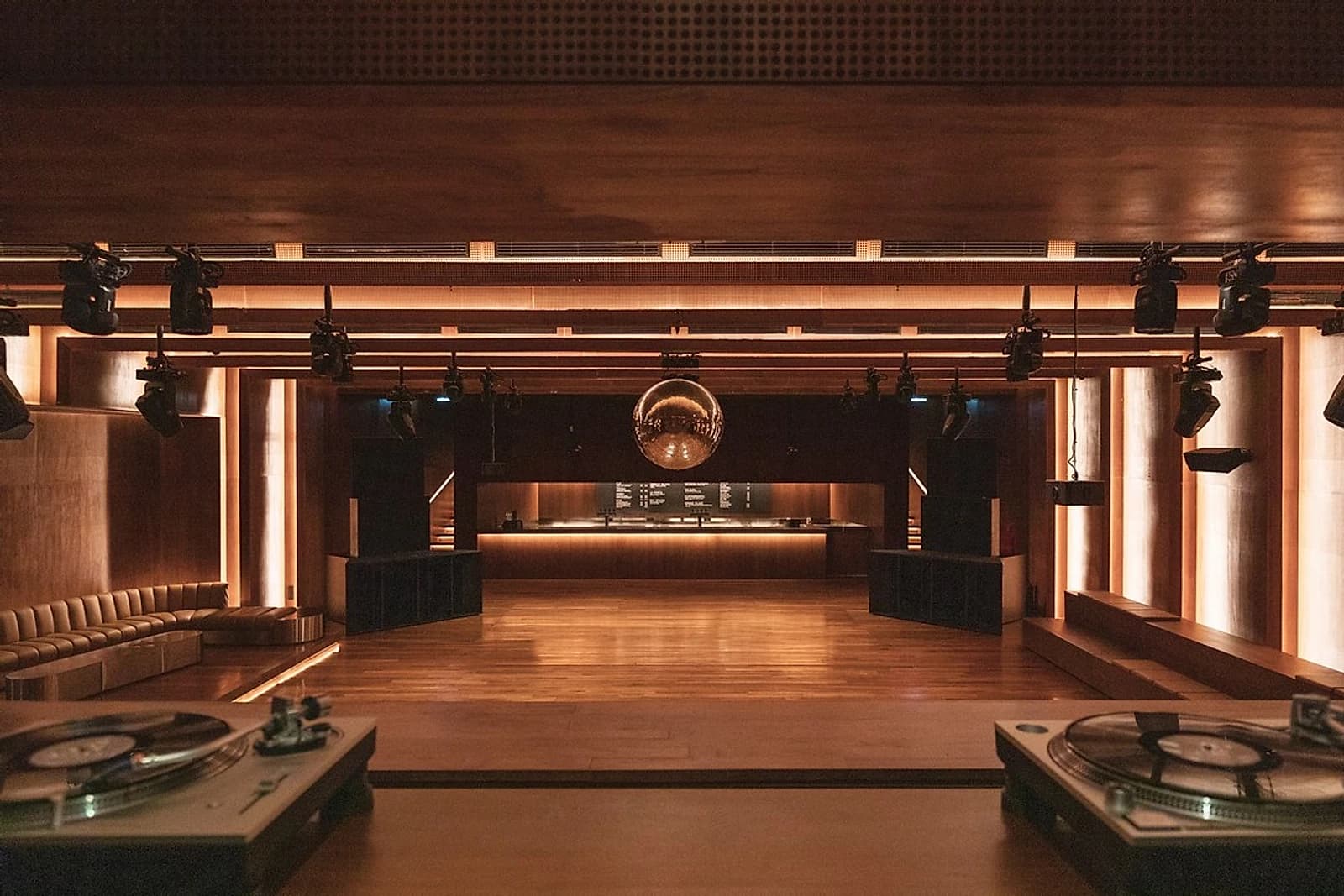
Walk through the bamboo tunnel at the entrance of Desa Potato Head in Seminyak and, past the woven arches and the hanging vines, a lit window appears on the right: a DJ hunched over two turntables, headphones on, broadcasting to nobody in the room and everybody online. That window is Headstream, and the counter the DJ is leaning on used to be motor oil bottles.
What Headstream Actually Is
Headstream is, in Potato Head's own words, "a new on-site studio space and record store that doubles up as a digital streaming platform," built at the entrance of Desa Potato Head's beachfront complex in Seminyak. It's a permanent, physical radio station, not a club night or a one-off pop-up, the kind cities like London or Berlin have had for decades and Southeast Asia mostly hasn't, except that this one sits on the sand of a Bali beach club co-founded by Ronald Akili, and the DJ booth is visible to anyone walking past.
The mission, as Potato Head put it at launch, is to "shine a light on the voices, stories and sounds from Indonesia and around the world." That's a real commitment, not just marketing copy: the studio exists specifically to give Indonesian selectors a platform with global reach, streamed live rather than archived after the fact.
A Studio Built From Ocean Plastic
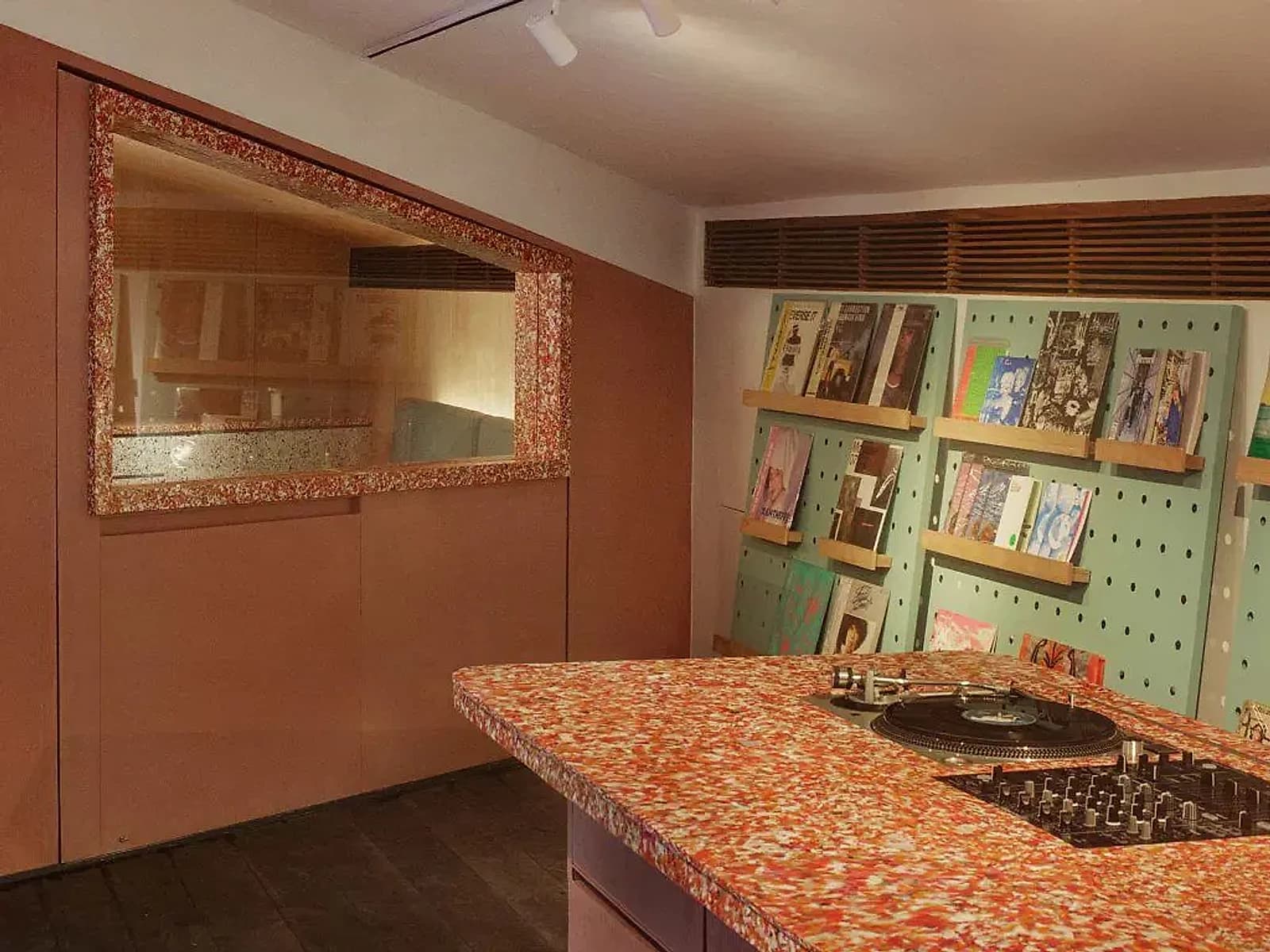
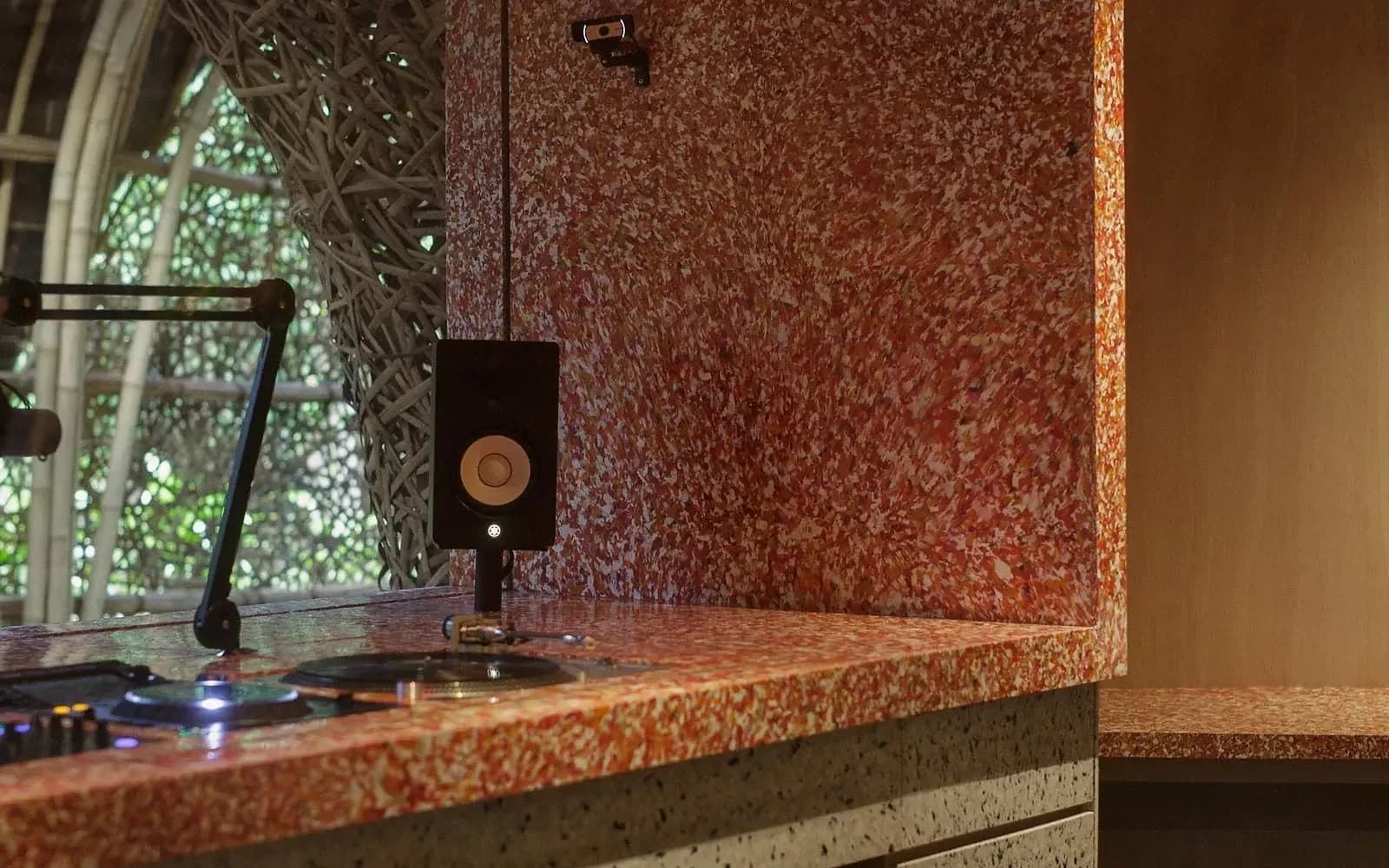
The numbers are the hook here, and they check out. Headstream's interiors use 564 kilograms of recycled plastic, worked into the terrazzo-style surfaces covering the DJ counter, the bar and the record shelving. The material comes from repurposed motor oil bottles, industrial rubber flooring offcuts, and plastic bottle caps collected from Bali's own waterways, the same unglamorous ocean-plastic problem that shows up in Clean Wave Bali's beach cleanups and every warning sign on the island's surf breaks.
Bali-based architect Zhi Xiong Chan of ZXC Studio designed the space with a specific brief: a DJ booth that had to work as a radio room first. "The studio had to be an enclosed and acoustically controlled environment, while also being visible from the outside," Chan has said of the project. The solution is a smart pivoting wall that opens the 60-square-metre space into a listening bar when the booth isn't live, plus a nine-metre communal bar with a vinyl player built directly into the counter, a detail that turns a drink order into a listening session whether you planned on one or not. Artist Kanoko Takaya's embroidered cushions furnish the lounge side.
None of that would register without the setting. Headstream sits inside The Womb, a 90-metre bamboo archway designed by artist Nano Uhero that forms the walkway into Desa Potato Head from the street. It's one continuous woven structure, bamboo ribs curling overhead like a rib cage, and the studio's glowing window is built straight into its side. You don't find Headstream. You walk past it on your way to the beach club, which is exactly the point.
Where It Fits Into Southeast Asia's Radio Scene
Loopliner has already mapped the region's wider community-radio boom, from Bangkok Community Radio to Jakarta's RURUradio, stations that mostly run out of borrowed bars and spare rooms because that's what a grassroots radio project can afford. Headstream is the outlier: a beach-club brand with real capital built a permanent architectural statement around the same idea, and it still points the spotlight at Indonesian talent rather than its own headline DJs.
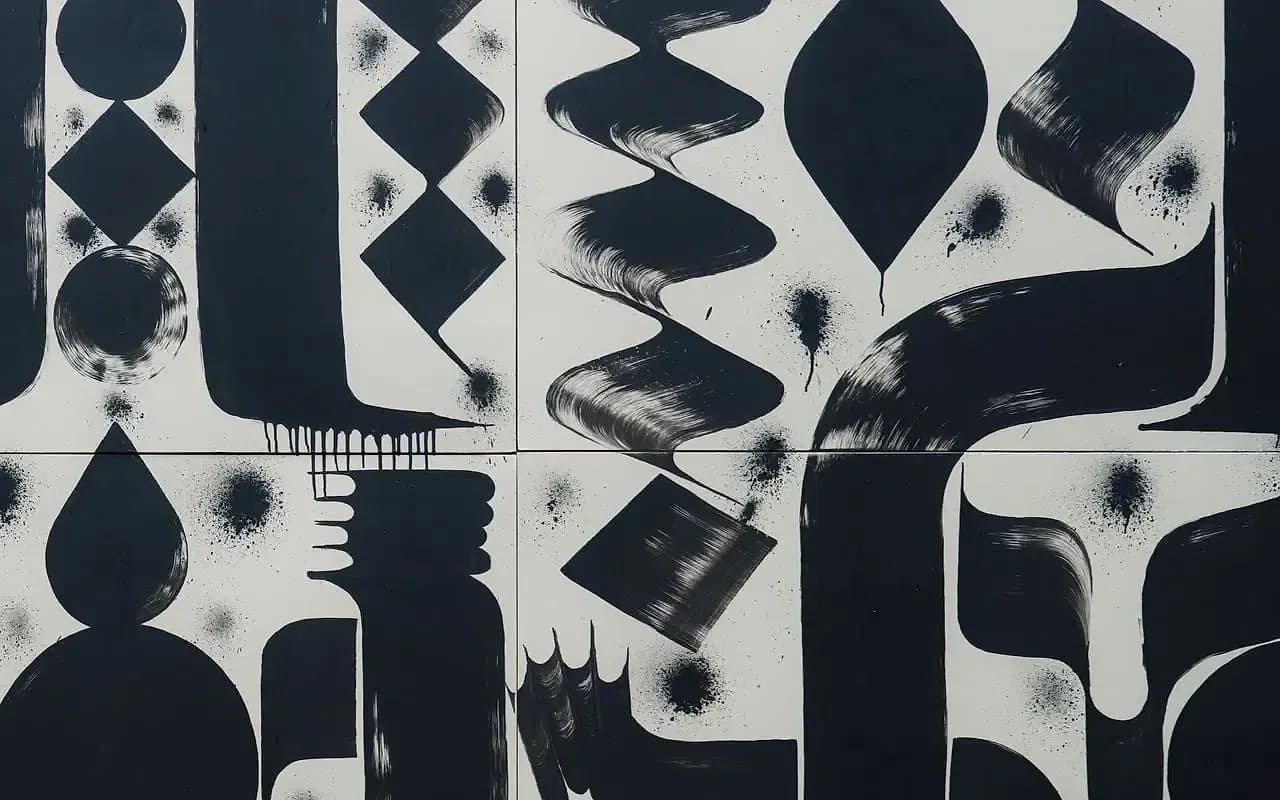
That's consistent with how Desa Potato Head has operated the rest of its programming. The venue brought Dekmantel to Southeast Asia for the first time in 2026, and commissioned street artist Rostarr for the biggest mural yet painted at the beach club. Headstream reads less like a side project than a third leg of the same strategy: use the venue's resources to put Indonesian creative work in front of an international audience that showed up for the pool.
Visiting Headstream
Headstream sits at ground level inside The Womb, Jalan Petitenget No. 51B, Seminyak, in Bali's Kuta Utara district, the same address as Desa Potato Head's beach club and Studios hotel. At launch, Headstream streamed live daily from 7am to 7pm Bali time, predominantly from the studio, with occasional contributions from satellite locations elsewhere in Indonesia.
FAQ
What is Headstream?
Headstream is a combined radio studio, record store and live-streaming platform at Desa Potato Head in Seminyak, Bali, built to broadcast Indonesian and international music and stories to a global audience.
When did Headstream open?
It launched on October 2-3. The opening weekend featured 30 artists in total, with Sunday's lineup split evenly between Bali and Melbourne.
What is Headstream's studio made of?
Its counters, bar and shelving use 564 kilograms of recycled plastic, including repurposed motor oil bottles, industrial rubber flooring and bottle caps collected from Bali's waterways, designed by Bali-based architecture firm ZXC Studio.
Is it free to visit?
Yes. Headstream is built into the public walkway at the entrance of Desa Potato Head, so you can see the booth and browse the record store without paying a cover charge.
Does Headstream only play Indonesian music?
No, but Indonesian voices and DJs are the priority. The studio was built specifically to give local talent an international platform, with guest streams and international selectors filling out the rest of the schedule.
Read Next

Stay in the loop
Asian electronic music, weekly