
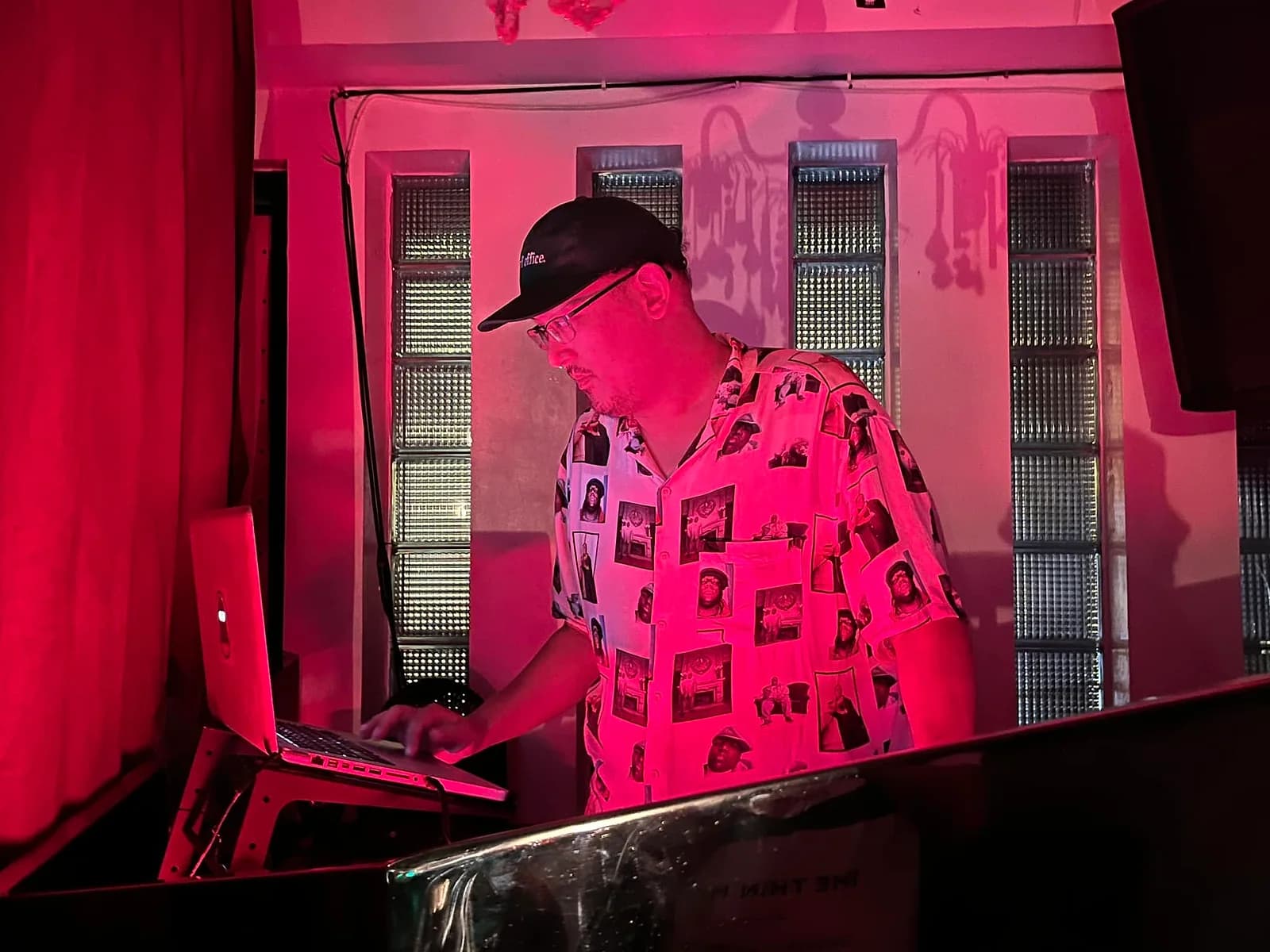
Forget the Club: Southeast Asia's Underground Now Lives on Community Radio
From a studio on Bangkok's Charoen Krung to the inside of an actual Manila jeepney, community radio has quietly become Southeast Asia's cheapest, most durable piece of nightlife infrastructure.
Official link
Manila's most reliable outlet for new house and techno records broadcasts from the inside of a jeepney. Bangkok's runs out of a studio on Charoen Krung that started in 2021 as a pandemic experiment and has since put Bradley Zero and Motor City Drum Ensemble's Danilo Plessow behind the decks. Neither one owns a dancefloor, a liquor licence or a door policy. That is, increasingly, the point.
Across Southeast Asia, a loose network of community radio stations has become the region's most durable piece of underground infrastructure. They're cheaper to run than a club, harder to shut down than a rooftop bar, and built by the same DJs and crate-diggers who used to need a venue to reach a crowd. A club can lose its lease overnight, the way several rooms have in Hanoi's own scene. A radio show just needs a laptop, a connection and someone willing to show up on a Wednesday afternoon.
Bangkok Community Radio: From Lockdown Livestream to AlphaTheta's Studio Partner
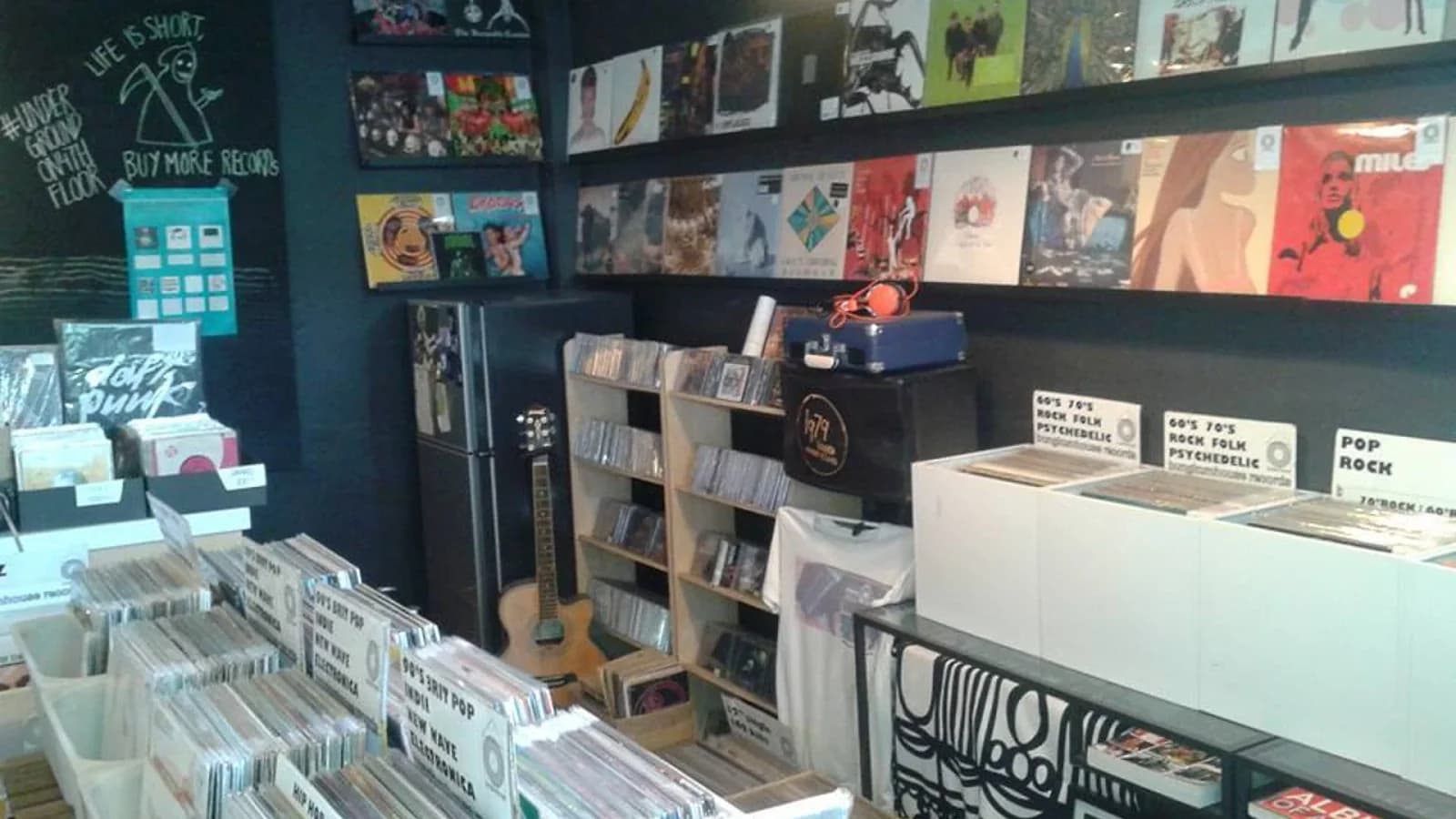
Bangkok Community Radio describes itself, plainly, as a grassroots and forward-thinking platform connecting the city's cultural communities, and it has built the résumé to back that up. What began as a pandemic-era experiment out of the Entertainment Project space on Charoen Krung now runs weekly Acid and Techno strands alongside general shows, with residents and guests including KOSUKE, Vaibs, Takky and Acid Sister. Shir Khan has held down a Friday afternoon slot on the station's own published schedule. The station has partnered with Carhartt WIP Thailand and Siwilai Radical Club on programming, and with AlphaTheta during Bangkok Design Week, the kind of brand attention that used to only find its way to an actual club.
Hanoi and Manila: Where the DJs Also Run the Station
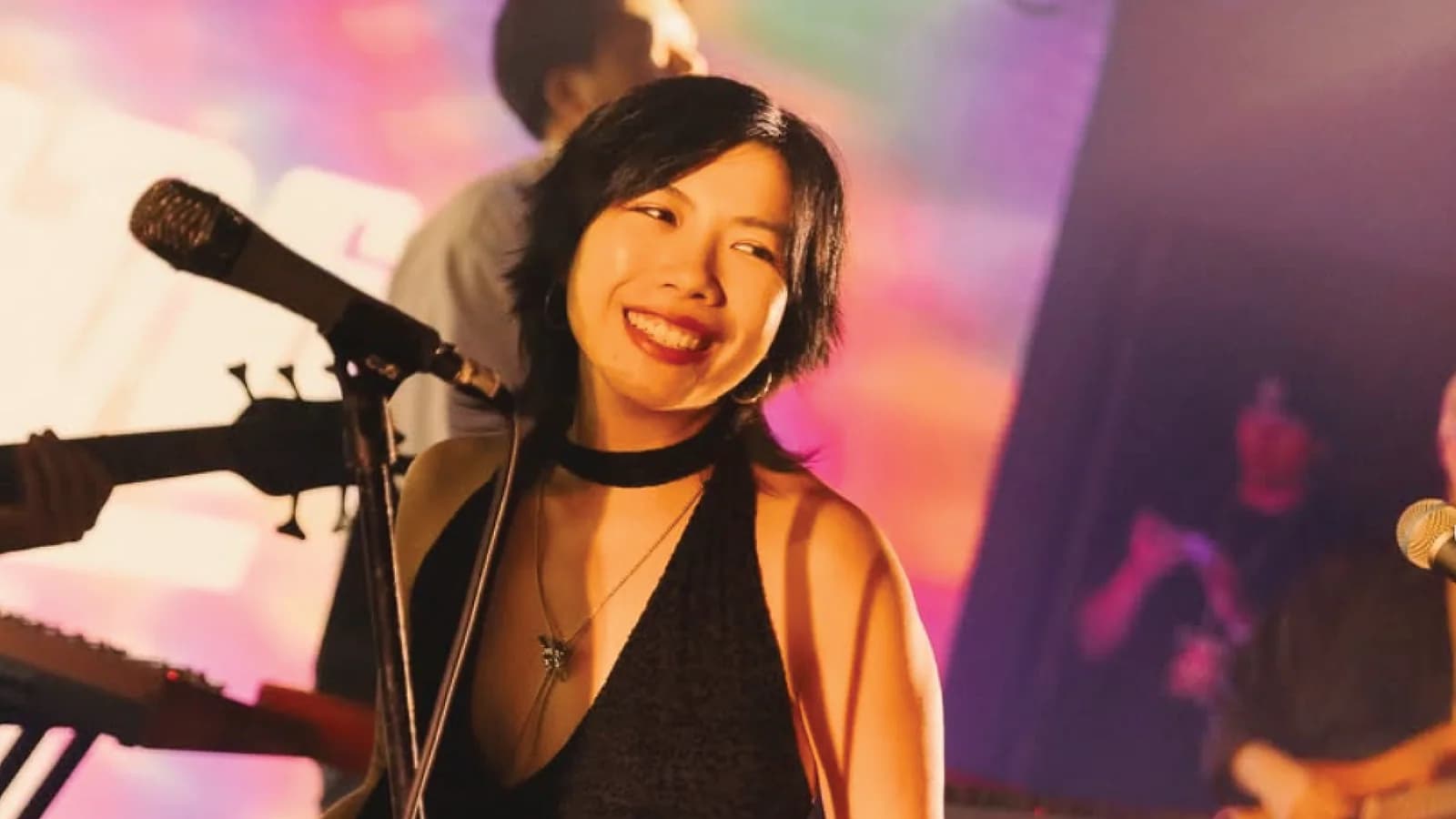
Hanoi Community Radio launched in 2020 to, in its own words, bring communities together, and it runs on a genuinely wide format: Sugar Sound Show and Trace to Trance for club music, DeconSEAS for experimental and folk-electronic fusion, plus dedicated disco, house and ambient strands. Its resident list reads like a who's-who of Vietnam's current house scene, including Sircula (Di Choi), howrøng (DeconSEAS), Transky, Joff Cruz (Swan Zoo) and Maggie Tra, who hosts the Banh Mi Show between records of her own; her debut album, built around her mother's death, still carries Hanoi in its bones. A Saigon-based collective runs a separate show called The Lighthouse, and the station adds monthly DJ livestreams from Hanoi bars, cafes and, in its own phrase, "iconic landscapes."
Manila's version leans further into physical space. Manila Community Radio is now in its sixth year, runs on its own Fatima Sound Practice soundsystem and mixes music with food and coffee rather than alcohol, essentially operating like a listening bar that never had to apply for a licence. Jeepney Radio, a separate outfit, skips the studio altogether and broadcasts from inside an actual jeepney, calling itself the loudest ride in the Philippines. It's a gimmick until you notice it's also just an accurate description of a jeepney.
The Rest of the Map
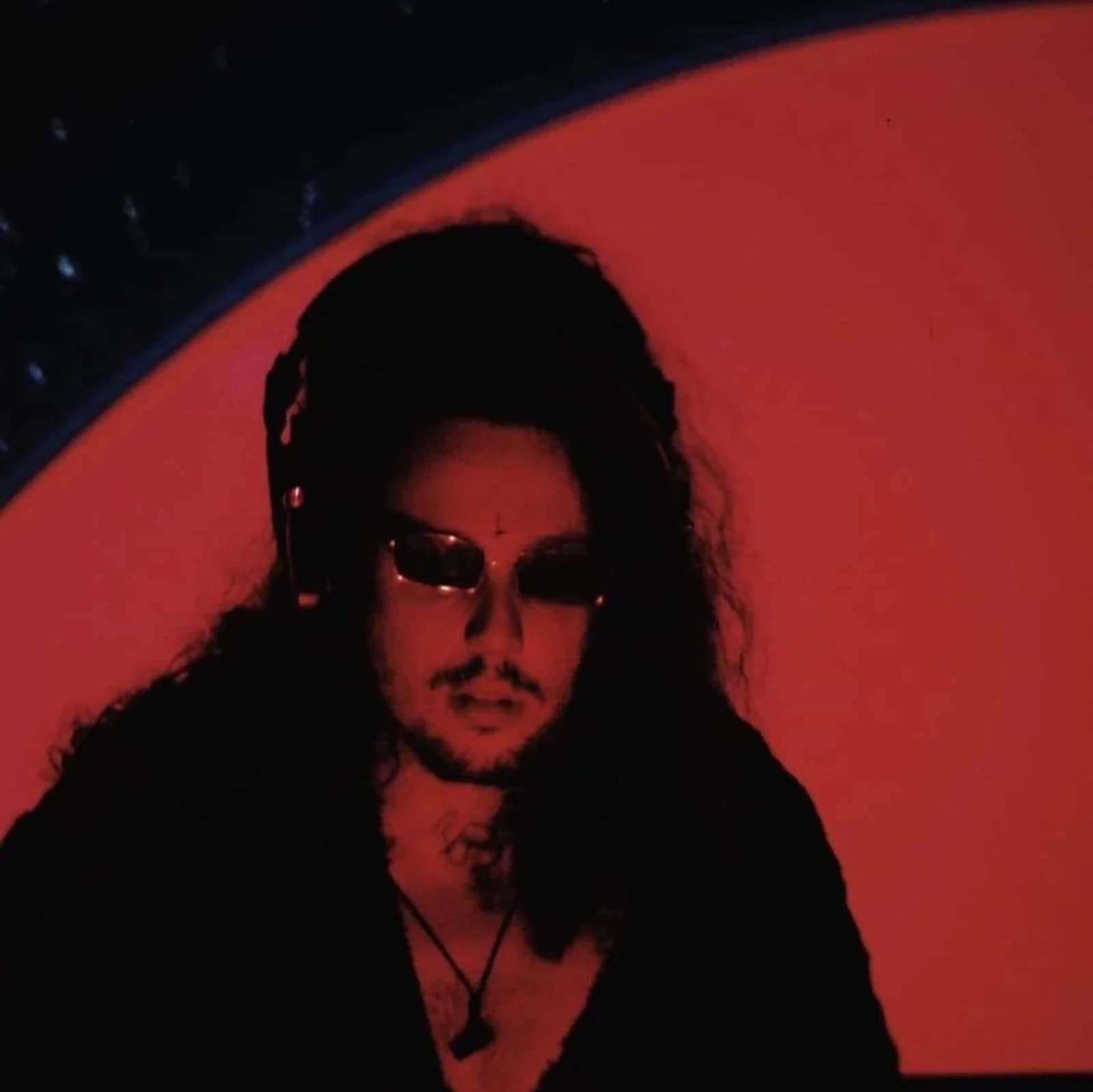
Indonesia has the deepest bench. RURUradio in Jakarta has been running for 16 years, longer than most of the clubs it now outlives, having grown out of the ruangrupa art collective. Mojo Radio, also Jakarta, set out to document the city's best DJs after the pandemic and has since become active in club nights and spun off its own record label. In Bandung, norrm Radio has run its own bar since 2017. Singapore's contributions lean stranger: Lagoon Laundry broadcasts from inside a working laundromat, and Shutter Rhythms started life filming DJ sets inside a hawker stall with the shutters pulled down.
The format is also starting to graduate from bedroom broadcast to festival booking. TukTuk Radio, which films sets from moving tuk-tuks and Thai long boats, took over its own stage at Wonderfruit this year. And when Ken Ishii played his first-ever Vietnam show, it wasn't at a club; it was at a festival built out of a dozen radio stations, proof the model can now headline, not just support.
Why It's Working, and Where It Doesn't
None of this is charity. Running a radio show costs a fraction of running a room: no rent for a dancefloor, no liquor licence to renew, no landlord who can decide overnight that a raid looks bad for the building. That's exactly why the format has outlasted clubs that opened and closed in the same news cycle. But it has a real limit. A Mixcloud archive or a YouTube upload is not a crowd, and no amount of scheduling replaces the sweat and eye contact of an actual 3am peak-time set. The stations doing this best treat the studio as a farm system, not a substitute: Bangkok Community Radio's brand partnerships, TukTuk's Wonderfruit stage, Manila Community Radio's own YouTube channel are all bets that the broadcast leads listeners back into a room eventually, not away from one for good.
How to Listen
All of this is free and mostly cover-charge-free by design. Bangkok Community Radio streams live and archives shows at bangkokcommunityradio.com and on Instagram; Hanoi Community Radio does the same at hanoicommunityradio.com; Manila Community Radio archives its sessions on YouTube. No dress code, no door, just whichever hour the DJ picked to show up.
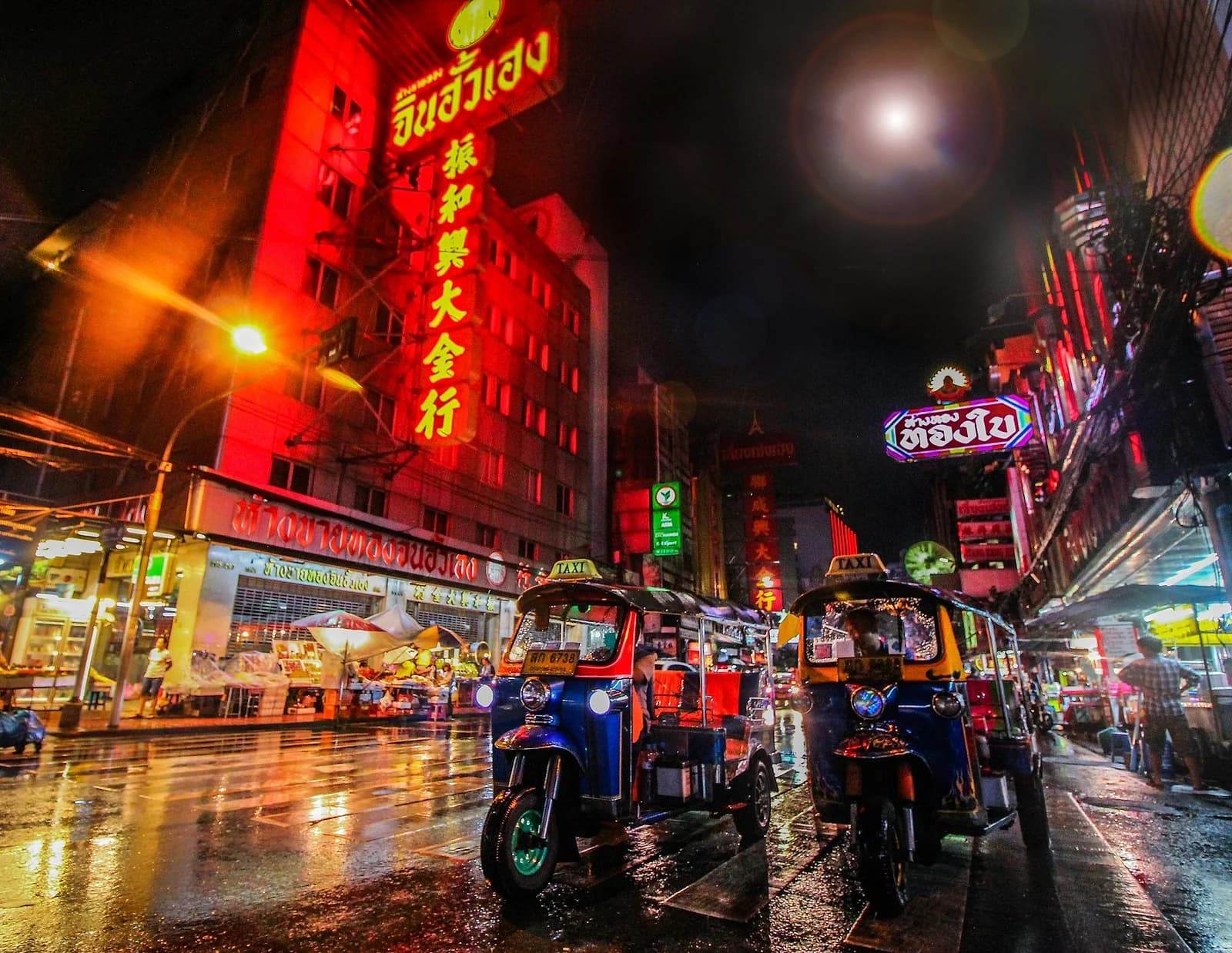
Cover photo and second figure: Hanoi Community Radio, via the station's own site. First figure: Bangkok Community Radio, via the station's own site.
Read Next
Stay in the loop
Asian electronic music, weekly