
Hanoi's House and Techno Guide: Unmute, Mirage and the Scene Holding On Through the Raids
House and techno in Hanoi now runs through Unmute and Mirage, and a handful of bars and burger counters doing a club's job, as the scene adapts to a nitrous oxide ban and near-routine police raids.
At Mirage in Tây Hồ one night this July, the bartender waved off a customer's cash mid-transaction. A Vietnamese People's Police officer had just walked through the door, and thirty-odd people quietly filed out past him rather than risk what comes next: on-the-spot drug testing, no reasonable suspicion required, with deportation or prison on the table for anyone who fails it. Huck Magazine documented that raid first-hand in a dispatch published July 28, 2026, and it captures something true about Hanoi's dance scene as it actually stands right now. The rooms are still running, the crowds still show up, but nobody pretends this is a stable environment anymore. Anchor venues: Unmute (169 Phuc Tan, Hong Ha) and Mirage (99 Xuan Dieu, Tay Ho). Context: a national ban on nitrous oxide balloons since mid-2025, and a sharp rise in police raids and drug testing at legal clubs since.
Unmute Is Where the Center of Gravity Sits Now
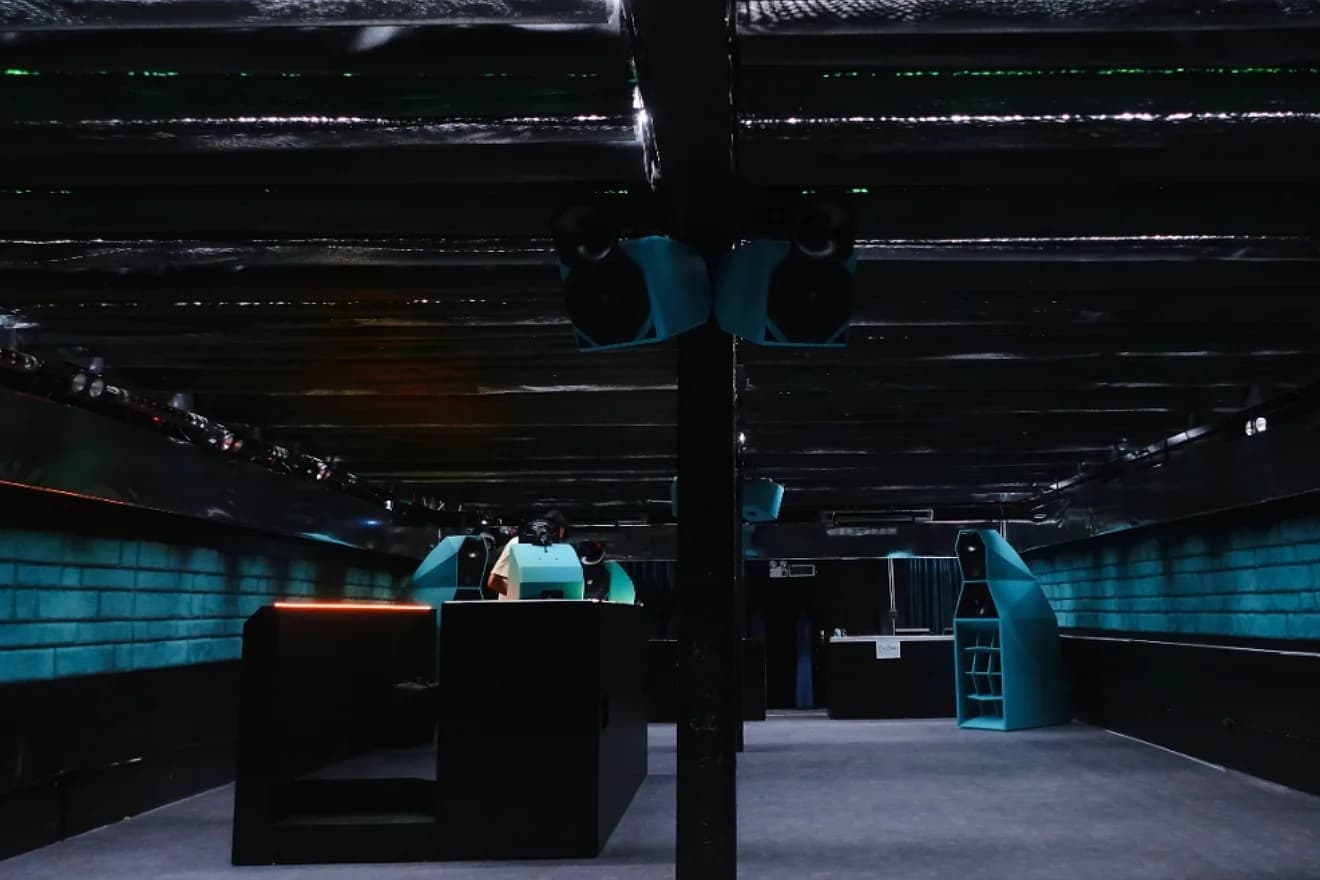
Huck's reporters describe Unmute flatly as "one of the last clubs in the city focused on techno," the kind of room where Jeff Mills turns up to play and the smoking area alone looks like a high-end bar. That reputation isn't just anecdotal. When Equation Festival needed a new home for its April 2026 edition, after the natural limestone Mỏ Luông Cave in Hòa Bình it had run in every year since 2022 became unavailable, the whole festival moved indoors to Unmute, with Clarisa Kimskii, LYDO and Roi Perez topping a lineup that also gave a slot to local queer promoter Peach for a drag showcase. A cave-set festival forty minutes outside the city relocating wholesale into a Hanoi nightclub, and that reading as a change of scenery rather than a step down, tells you plainly where the scene's weight has shifted.
Mirage Still Runs the Lake, Under Watch
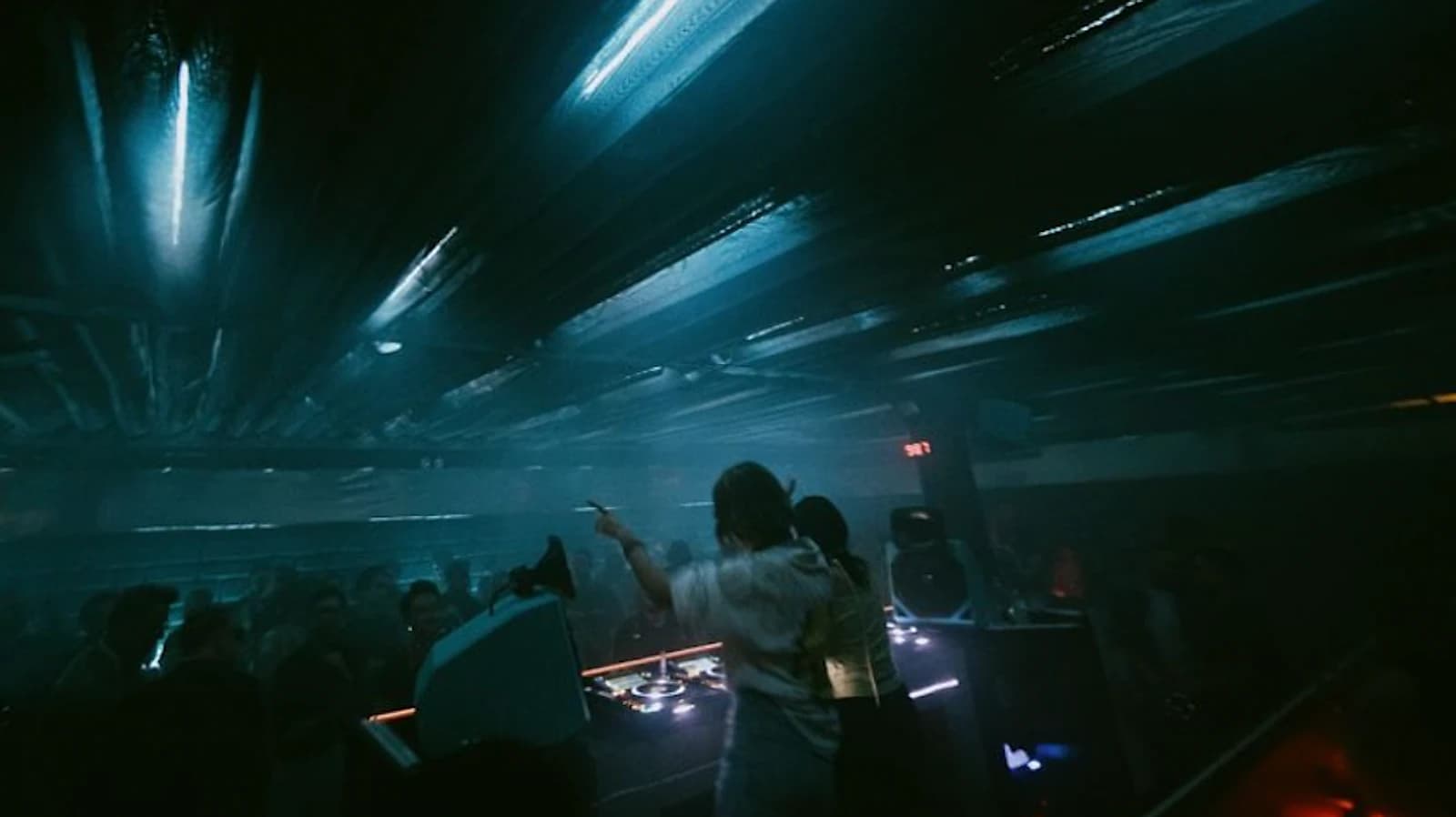
Mirage has operated a dance and nightclub since 2021, an intimate, boxy room a short walk from West Lake, open 9PM to late. It's a regular stop for Outlandish, a multinational promoter crew, Russian, Vietnamese, Colombian-Canadian, German and British members among them, who also run Outlandish Festival out in the countryside. It was an Outlandish night that the July raid interrupted. Matt, one of the crew, put the absurdity of the crackdown to Huck plainly: "When you take away people's balloons, you take away their drugs, you take away their peak hours, at the end of the day they still want to dance, let loose, and be free for however long they're permitted to be free." Mirage keeps booking anyway; a recent Friday lineup paired India's Oharze (Mekong Records) with Vietnamese and Australian selectors, Outlandish's own Garupa among them.
Third Spaces Are Doing the Club's Job Now
With licensed venues the easiest target for enforcement, a chunk of Hanoi's dance scene has quietly relocated into rooms that were never zoned as clubs. Huck's reporting turns up several: Otto, a low-lit basement bar in Tây Hô that hosts experimental line-ups and film screenings; GoodTime Burger, where resident DJ and booker TaoFu runs block parties out of a burger counter; and Hanoi Underground Movement, a lakeside space with a ground-floor bar, a first-floor "micro-club" and a production studio upstairs. Producer Tri Minh, widely credited as Vietnam's first electronic musician, told Huck the pressure might reshape rather than kill the scene: "the government is saying they want a curfew, so a lot of places are closing down, but then I believe a new type of club will open, points of gathering, and this will be very interesting to see." It's a theory already playing out in bars that never called themselves clubs to begin with.
What's Driving This
The pressure has a clear starting point. A national ban on nitrous oxide balloons, long a reliable moneymaker for Hanoi's bars and clubs, took effect in mid-2025, and relations between nightlife and authorities have tightened steadily since, with routine raids and drug testing now standard at legal venues. Savage, long the city's most important club, was forced shut in 2025 and later demolished to make way for a redevelopment that includes a new opera house, a closure Loopliner covered in detail in Hanoi's Most Important Club Is Gone. Even Outlandish Festival, previously held for three years at an open-air art complex outside the city with no history of complaints from neighbors, scaled back and relocated its 2026 edition to a pair of boutique homestays nearby after organisers grew concerned about drawing unwanted attention, running for an audience of under 100 people instead of its usual crowd.
If You're Visiting
Do not expect balloons, and do not bring anything you wouldn't want to explain to a police officer at 2am, testing happens without cause and foreign nationals are not exempt. Bring a passport, not a photo of one. Unmute is the bigger, techno-first room and the safer bet for a proper night; Mirage is smaller and more likely to feel a raid firsthand, though its crowd keeps coming back anyway. For the scene's other side, the artists making records out of all this pressure, Maggie Tra's recent album is as good a place to start as any. None of this makes Hanoi an easy sell next to Ho Chi Minh City's louder circuit. It makes it a more interesting one, smaller rooms, tighter crowds, and a community proving, month by month, that a crackdown bends a scene without necessarily breaking it. Cover photo: Unmute, via mixmag.asia. Figure: Resident Advisor.
Read Next
Stay in the loop
Asian electronic music, weekly