
Habibi Funk Went Looking for Malaysian Gambus. It Found a Buried State Radio Jazz Archive Instead.
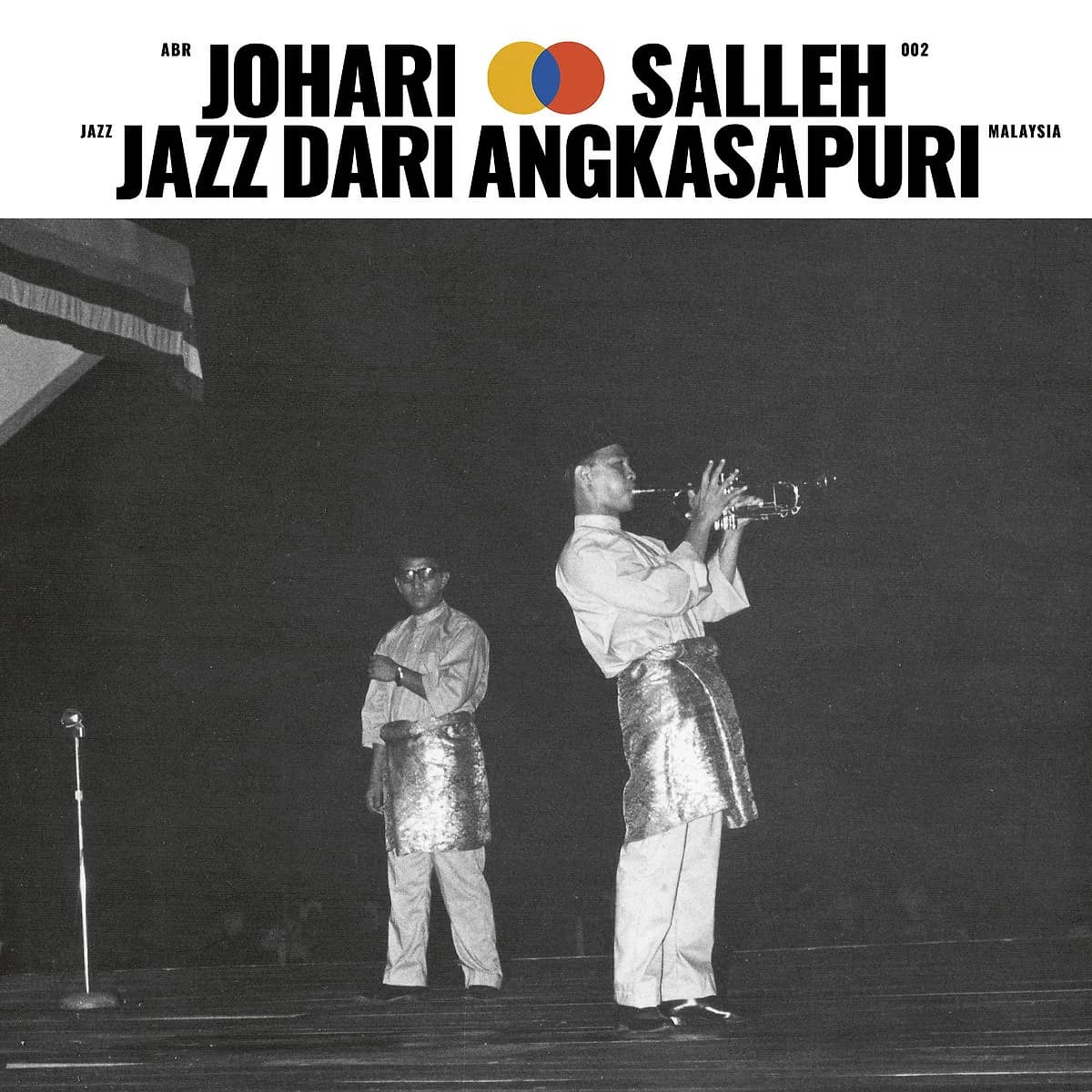
Habibi Funk's new sister label Audible Beauty has debuted with two reissues pulled from Radio Television Malaysia's 1960s and 70s jazz archive, Alfonso Soliano's Tiga Trombone and Johari Salleh's Jazz Dari Angkasapuri, licensed with help from Kuala Lumpur's Sputnik Rekordz.
Official link
Habibi Funk built its name reissuing forgotten funk and psych records from North Africa and the Middle East. Its founder, Jannis Stürtz, went to Malaysia and Indonesia this year on a run of DJ gigs, chasing a lead on gambus, the region's Arabic-rooted folk style. He came back with something else entirely.
"Initially, we were curious to explore gambus, a local genre strongly shaped by Arabic musical traditions," Stürtz told The Star. "What resonated most, however, was a stack of LPs in generic sleeves produced by Malaysian national radio and its early composers."
A Label Built From a Stack of Radio LPs
That stack became Audible Beauty, Habibi Funk's new sister label, and its first two releases landed August 7: Alfonso Soliano's Tiga Trombone and Johari Salleh's Jazz Dari Angkasapuri, both drawn from recordings made for Radio Television Malaysia, or RTM, in the 1960s and 70s and originally pressed in runs of only a few dozen copies for broadcast use.

Soliano and Salleh were not peripheral figures. Salleh, now 86, was a composer, arranger and trumpet player who shaped Malaysian music across radio, television and film for decades. Soliano fused jazz, Latin rhythm and Malay melodic form into something the region had not heard before. The two records are linked beyond the label: Salleh plays on Soliano's Tiga Trombone sessions, alongside fellow RTM-era composer Ahmad Nawab.
The Kuala Lumpur Connection
Neither record would exist on Audible Beauty without Naza Mohamad, who runs the Kuala Lumpur label and shop Sputnik Rekordz. Stürtz credits Mohamad with opening up the wider Radio Malaya-era archive to him, past the initial gambus lead and into the orchestral and jazz recordings RTM's studios produced and rarely released commercially. Both reissues are fully licensed, with Soliano's family and with Salleh directly, and Sputnik Rekordz is handling Malaysian pre-orders.
Packaging Built Like an Archive
Audible Beauty is not treating either release as a quick vinyl flip. Both come as gatefold LPs with a 12-page booklet glued into the sleeve, carrying liner note essays and previously unpublished archival photography from Soliano and Salleh's careers. It is the same instinct behind Munir's decade-long project splicing Indonesia's lost disco records back together in Bandung, the idea that a reissue is not just a record, it is documentation of a scene that had none.
For a regional jazz history this obscure, that argument matters. Radio Malaya-era sessions were built for broadcast, not the shelf, so most of what RTM's studios produced never had a commercial pressing to survive on. Two of the players who built that sound now get one.
Tiga Trombone and Jazz Dari Angkasapuri came out August 7 on Audible Beauty, with Malaysian pre-orders through Sputnik Rekordz.
Read Next


Stay in the loop
Asian electronic music, weekly