
How Much to Tip at Savaya and Other Clubs in Southeast Asia
A sparkler-lit bottle lands on your table and everyone looks at you. Here's what actually gets tipped at clubs in Bangkok, Bali, Singapore, KL, Manila and Saigon, and what's already on the bill.
A bottle of Moet arrives at your table trailing a lit sparkler, the host sets it down with a small flourish, and everyone at the table looks at you because you're the one holding the wallet. Do you tip? How much? In what currency? Nobody explains this before you land in Bangkok, Bali or Singapore, and the region does not run on the same rules as New York or London.
The short version: Southeast Asia is not a tipping culture, and the region's clubs already answer the question for you more often than you'd think, by simply adding the charge to your bill. But "already included" is not the same as "there's never a decision to make," and the moments where you do have to decide are exactly the ones that catch first-timers out.
The service charge is doing more work than you think
Start with the paperwork, because it explains almost everything else. Thailand, Singapore, Malaysia and Indonesia all run on a hospitality model where a service charge, usually 10 percent, gets added to the bill automatically at anything above a street-side bar. In Singapore that 10 percent stacks with 9 percent GST into what menus print as "10++", and locals treat an extra cash tip on top as slightly odd rather than generous, since the service charge is meant to be the tip. Malaysia works the same way: a 10 percent service charge is standard at bars and clubs, and it is not customary to add more.
Bali and the rest of Indonesia are a little looser. Resorts and upscale beach clubs add a service charge in the 5 to 10 percent range, sometimes up to 12 at the flashiest addresses, but because so much of Bali's nightlife economy runs on tourist money, an extra tip is common practice rather than an oddity. Nobody will chase you down for skipping it, and nobody will be surprised if you leave one.
Vietnam is the outlier worth flagging: some Hanoi and Ho Chi Minh City venues fold in a service charge the same way, but by several accounts that money goes to the owner rather than the staff who worked your table, which is the whole reason a direct tip lands differently there than it does in Bangkok. If you want your money to reach the person who poured your drink in Vietnam, hand it over yourself.
Bottle service has its own, separate math
The service charge on your bill covers the drinks. It does not automatically cover the person who built your table's whole evening: found you the section, kept the ice bucket full, ran the sparkler out at the right moment, and generally made sure a table of eight strangers to the venue looked like regulars. That's the bottle-service host, sometimes called a table captain, and this is where an actual cash decision shows up.
According to Bali Holiday Secrets, the closest thing to a documented norm in Bali points to IDR 50,000 to 100,000 (roughly $3 to $6.50) handed directly to the host for a table that went well, on top of whatever service charge already sits on the bottle's minimum spend. At a place like Savaya, the Uluwatu clifftop club that DJ Mag's Top 100 Clubs 2026 ranks fifth in the world, that minimum spend already carries a hefty built-in service fee before you tip anyone by hand, so treat the cash tip as optional and scaled to how good the night actually was, not an obligation on top of an obligation.
Bangkok is harder to pin down. Venues selling VIP tables at rooms like Sing Sing Theater generally quote a bottle price plus the standard 10 percent service charge and 7 percent VAT on the receipt, with no separate published figure for tipping the host by hand. Treat it the way Thai hospitality generally treats tips outside a fixed service charge: appreciated, not expected, and a few hundred baht (roughly $6 to $12) for a host who worked hard is a reasonable, low-stakes way to say thanks without anyone doing math at the table. We could not find a published figure for Manila or Singapore bottle-service tipping specifically, and would rather say that than invent a number that sounds authoritative and isn't.
Bartenders, door staff and the rest of the night
Order drinks straight from the bar rather than table service and the honest answer is: usually nothing extra, because the service charge already sits in the receipt in Thailand, Singapore and Malaysia. If a bartender in Bangkok or Kuala Lumpur genuinely goes out of their way for you, rounding up the change or leaving 20 to 50 baht a round is a normal, appreciated gesture rather than an expectation. In Bali, where the tipping culture leans more Australian-tourist than Southeast Asian, rounding up or leaving small notes is common enough that skipping it won't get you a look, but doing it won't get you one either.
Door staff and security are a different question, and here we want to be careful about what's actually documented versus what's bar talk. Southeast Asian nightlife guides and safety writeups don't describe a standard cash-for-entry practice at the region's clubs the way, say, certain European door scenes get discussed. Anecdotes exist, as they do in most nightlife capitals worldwide, but we couldn't verify a real, sourced norm for paying door staff to skip a line in Bangkok, Bali or Manila, so we're not going to tell you it's a thing you should plan for. If a queue is long, the better move is booking a table in advance, which most rooms worth going to will let you do through their own site or Instagram DMs, not palming cash to a stranger at the rope.
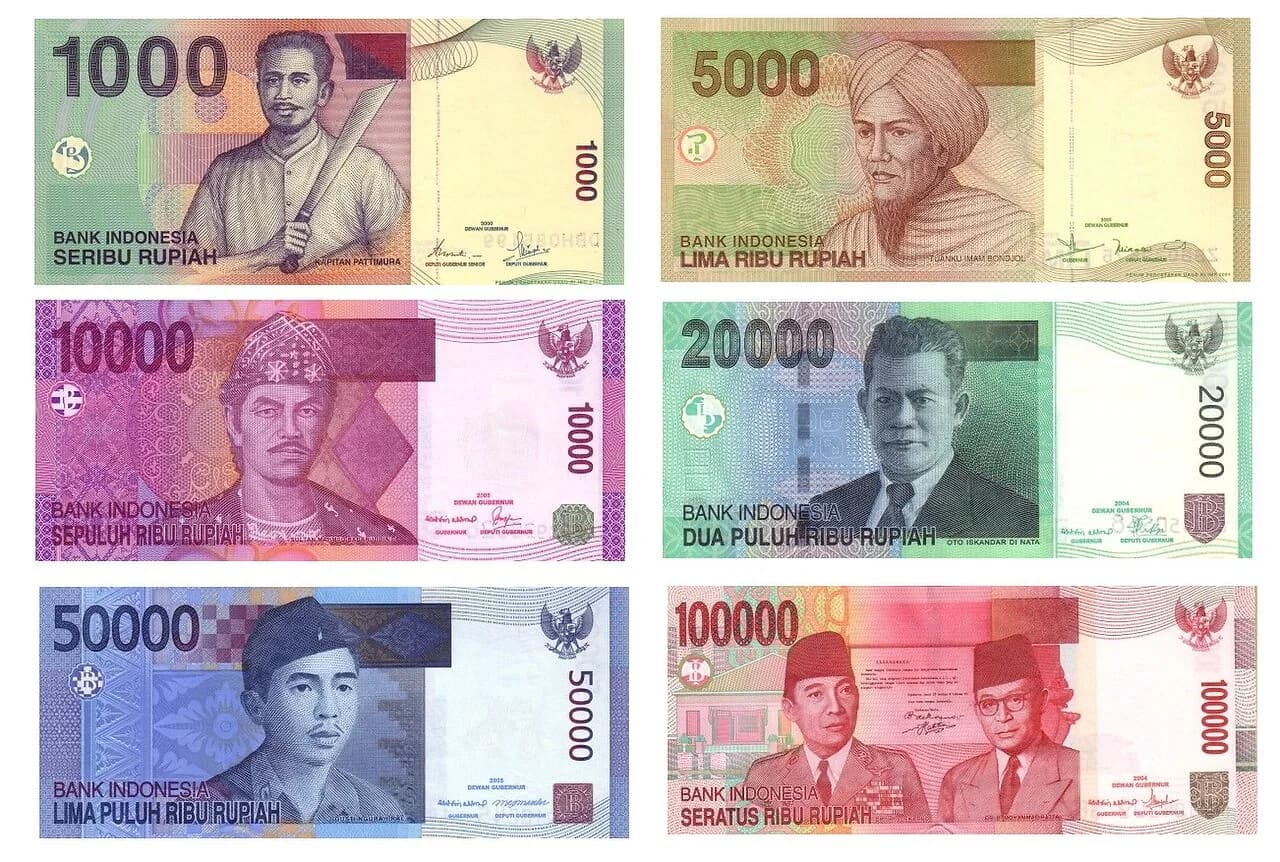
Valet is its own small transaction and follows hotel logic more than club logic: 20 to 50 baht in Bangkok, 10,000 to 50,000 IDR in Bali depending on how far they had to walk your car, is the going range if you're driving yourself, which, to be clear, you shouldn't be doing after a night at any of these places. Grab, taxis and the last BTS train exist for a reason; we've written about getting home safely after clubbing in Bangkok if that's the part of the night you haven't planned yet.
The country-by-country cheat sheet
Thailand: 10 percent service charge standard at bars and clubs above street level. Extra tipping is appreciated, not expected. 20 to 50 baht per round for a bartender who earned it; a few hundred baht for a bottle-service host who worked the table well.
Singapore: 10 percent service charge plus 9 percent GST, printed as "10++" on the check. Tipping on top reads as unnecessary at best, patronizing at worst. Save your cash for the cover charge.
Malaysia: 10 percent service charge is standard and treated as the tip. Kuala Lumpur's clubs don't run on a hand-tipping culture the way Bali's do.
Indonesia (Bali): Service charge of 5 to 10 percent, occasionally 12, is common at upscale venues, but a further cash tip, especially for a bottle-service host, is genuinely part of the culture here, unlike almost everywhere else on this list. IDR 50,000 to 100,000 for a host, smaller notes for bartenders and valets.
Vietnam: A service charge sometimes appears on the bill but reportedly doesn't always reach the staff who earned it, so tip in cash if you want the bartender or server who helped you to actually see it.
Philippines: We could not find a nightlife-specific source for club tipping norms in Manila, as distinct from the general restaurant tipping guides that cover the rest of the region's hospitality industry. If you're going, treat it like Thailand's model (service charge does the heavy lifting, small cash extra for standout service) until someone with better data says otherwise.
The one rule that travels
Southeast Asia's clubs are not going to penalize you for undertipping the way certain American cities will, and they're not going to hand your change back with a look if you overtip either. The actual mistake first-timers make isn't the amount, it's assuming the region works like home and either stiffing a host who worked all night in Bali or trying to slip cash to a Singapore doorman who has genuinely no framework for what you're doing. Read the receipt before you reach for your wallet: if a service charge is already printed on it, you've probably already tipped. If your table had a real human being making your night easier and nothing shows up on the bill for that specifically, that's when the small note in your hand actually means something. For the fuller picture of what a night at one of these tables costs before you even get to the tip, our breakdown of what a night out actually costs in Bangkok, Bali and Singapore and our full VIP tables and bottle service cost guide cover the rest of the bill.
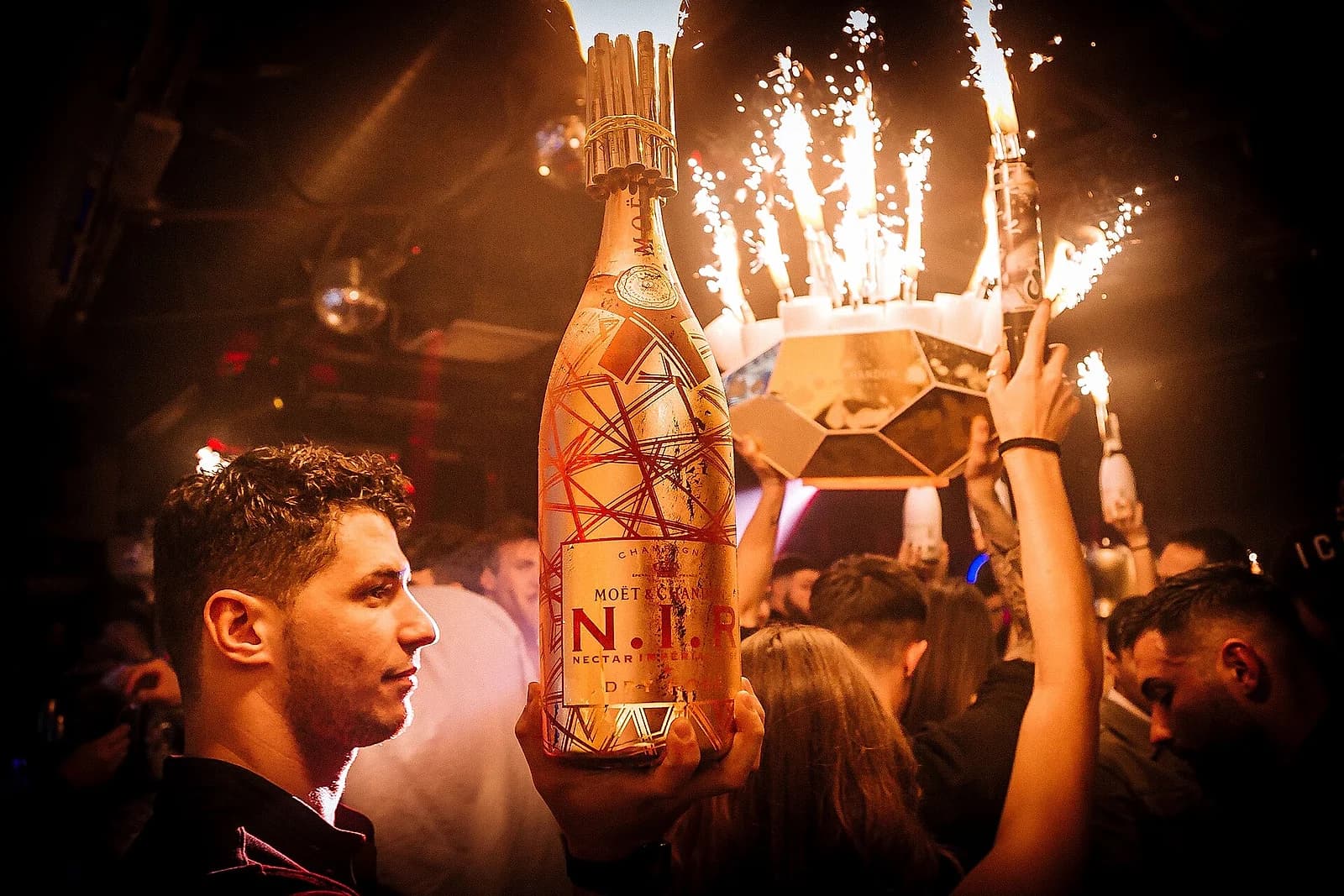
Cover photo: bottle service and sparklers at Piper Club, Rome. Marco, CC BY 2.0, via Wikimedia Commons.
Read Next

Stay in the loop
Asian electronic music, weekly