
How to Learn to DJ in Southeast Asia, Starting at Bangkok's InEarBeat
You don't need a residency to start, or famous friends. You need about eight hours, a laptop and, in Bangkok, 10,000 baht. Here's where Southeast Asia actually teaches people to DJ.
Official link
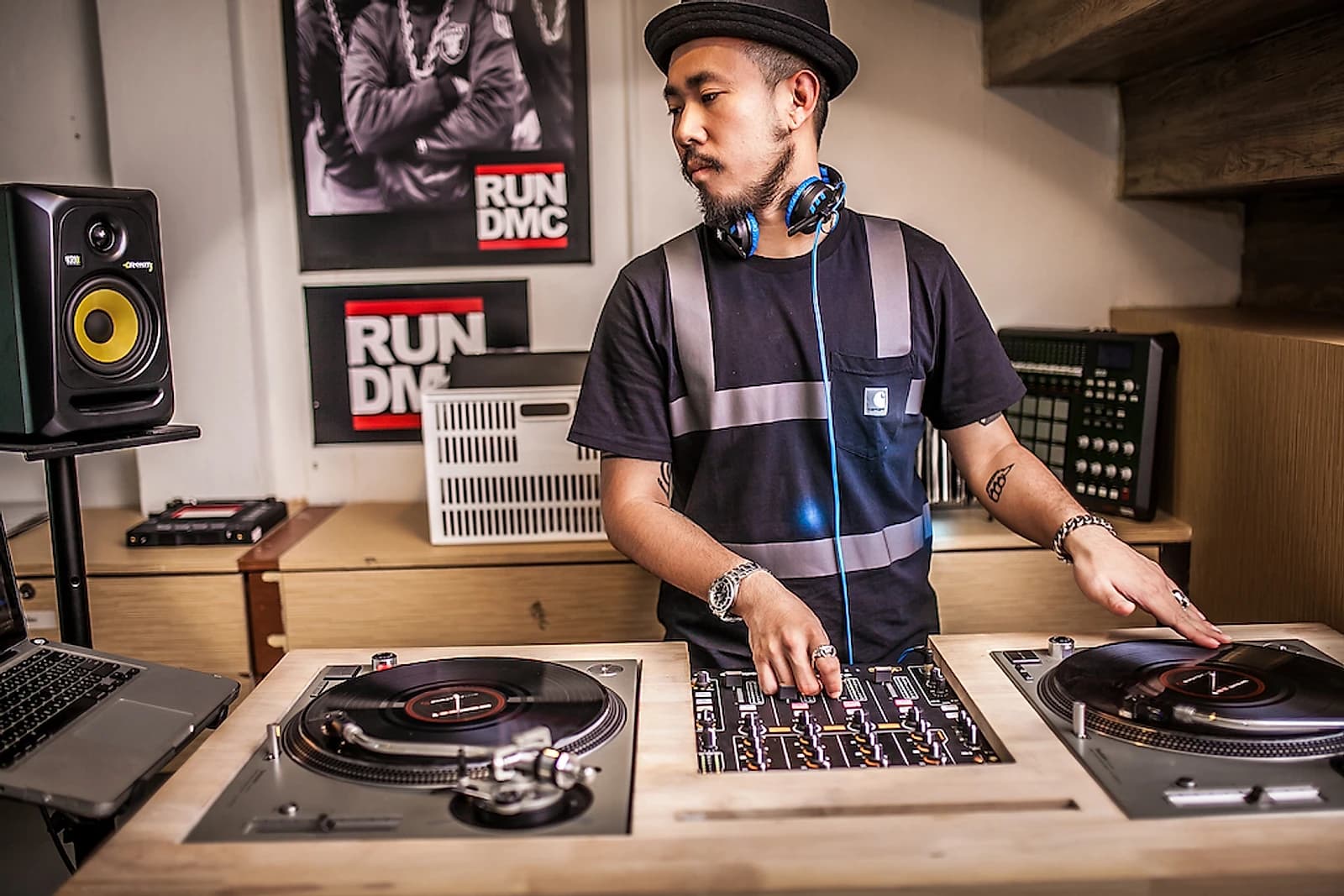
You don't need a residency, a rich uncle or a friend who already runs a party to start DJing in Southeast Asia. You need about eight hours, a laptop that isn't from 2014, and, in Bangkok, 10,000 baht. That's the price and duration of the DJ Extensive Course at InEarBeat, the Ableton-certified school that's been teaching the city's beginners since 2010. Nobody assembles this information in one place, so we did.
This guide isn't about becoming the next Peggy Gou. It's the unglamorous part: where to actually learn to beatmatch, what it costs, and where you go once the lesson is over and you need somewhere to be bad at it in public before you're good at it in public.
Where to Actually Take a Class
InEarBeat, tucked into a studio space in Bangkok, is the most established option in the city. According to InEarBeat's own course page, the DJ Extensive Course runs 8 hours total, split into 2-hour sessions once a week, and costs 10,000 THB including use of a Mac and house equipment. You bring your own laptop with at least 8GB of RAM and 300GB free if you want to keep working after class. The syllabus covers beatmatching, EQ-ing, harmonic mixing, looping and effects on both Traktor Pro and Serato DJ, taught by people who also run the school's separate music production courses. It isn't cheap for a single weekly session over a month, but it's a real, structured entry point, and it's the longest continuously running option on this list.
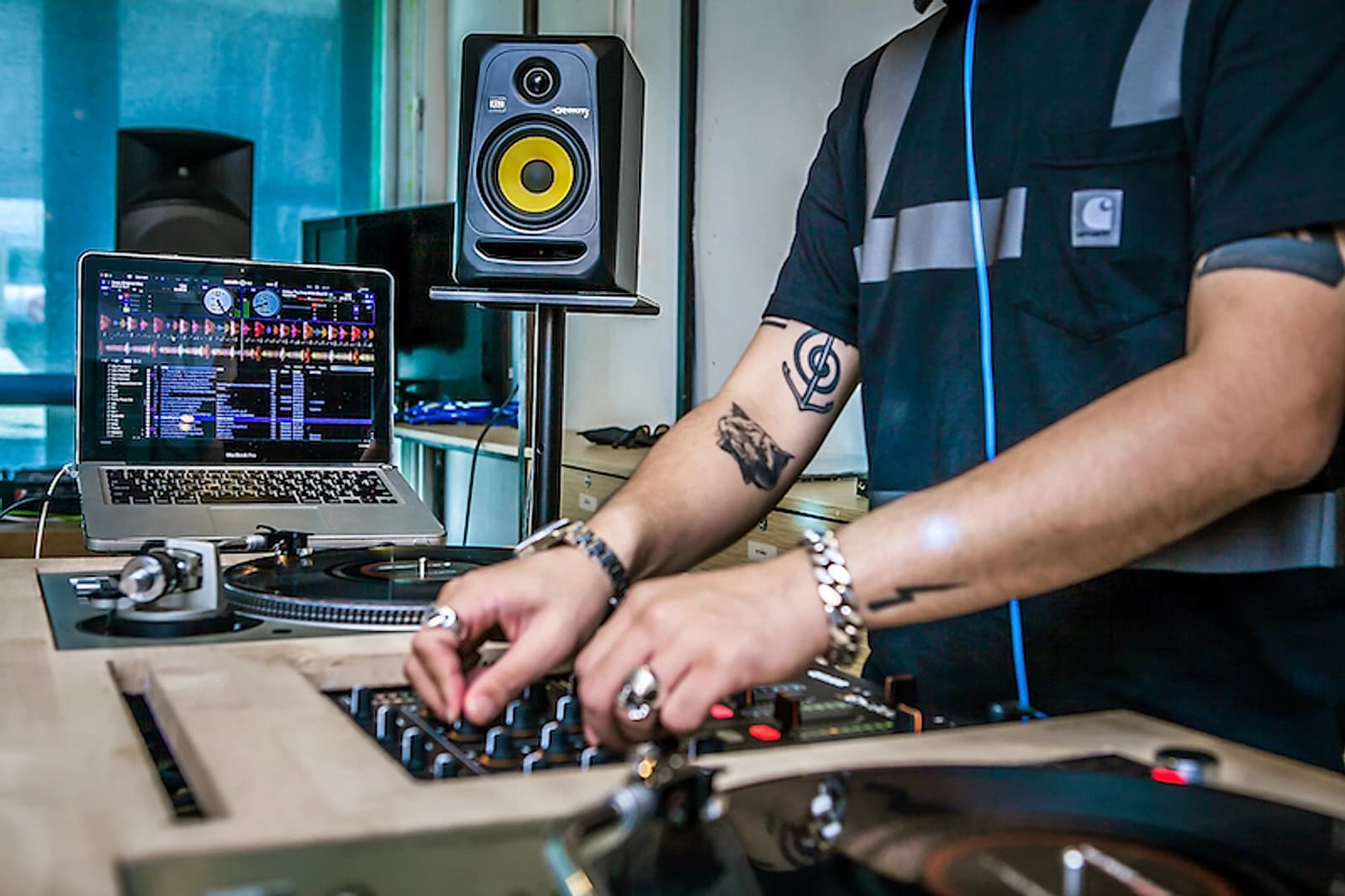
Manila has more options and a wider price spread, which makes it worth shopping around before you book. Silent Noise, a DJ shop and studio at 290 Aguirre Avenue in BF Homes, Parañaque (open Monday to Saturday, 8am to 5pm), runs a DJ 101 course of five 2-hour sessions for PHP 20,000. Silent Noise also functions as a working gear shop, selling AlphaTheta decks, Hercules controllers and Decksaver covers, so you can handle the equipment before you decide whether to buy any of it. Manila also has Beat Project Manila, a longer-running studio in Bonifacio Global City that pairs students with working DJs and sells its own equipment, plus a scatter of smaller, cheaper operators advertising short courses on Facebook. Get exact hours and pricing from each before you book; on a course this short, how many hours you actually spend with hands on a real mixer matters more than the school's name.
Skip the Classroom: Open Decks Nights
None of the above is mandatory. Open decks nights exist precisely because plenty of working DJs never took a course; they learned by getting on a real setup in front of real people and being mediocre until they weren't.
Bangkok's best-known version isn't really a DJ night at all. Micro-System, a hi-fi cafe and bar, runs a vinyl-only open decks format built around listening rather than performing, on a JBL sound system with the record sleeve placed on the counter so everyone can see what's playing. It's deliberately not competitive: what matters is your selection, not whether you can mix two tracks without a train wreck. That makes it a low-pressure place to start if the idea of beatmatching in front of strangers on your first night sounds like a bad time. It's part of the same listening-bar culture we've covered in Bangkok and Tokyo's best listening bars, and if you need somewhere to actually buy the records first, our guide to Southeast Asia's best record stores for DJs covers that ground.
Jakarta's version runs under the name Open Deck Club, whose INTERSECTION night has been held at Beyond Bar & Resto on the 7th floor of the Sunbreeze hotel. It's a smaller, less documented scene than Bangkok's, and we couldn't confirm a fixed weekly schedule, so check the organizer's own page before you show up expecting a slot.
What You're Actually Buying
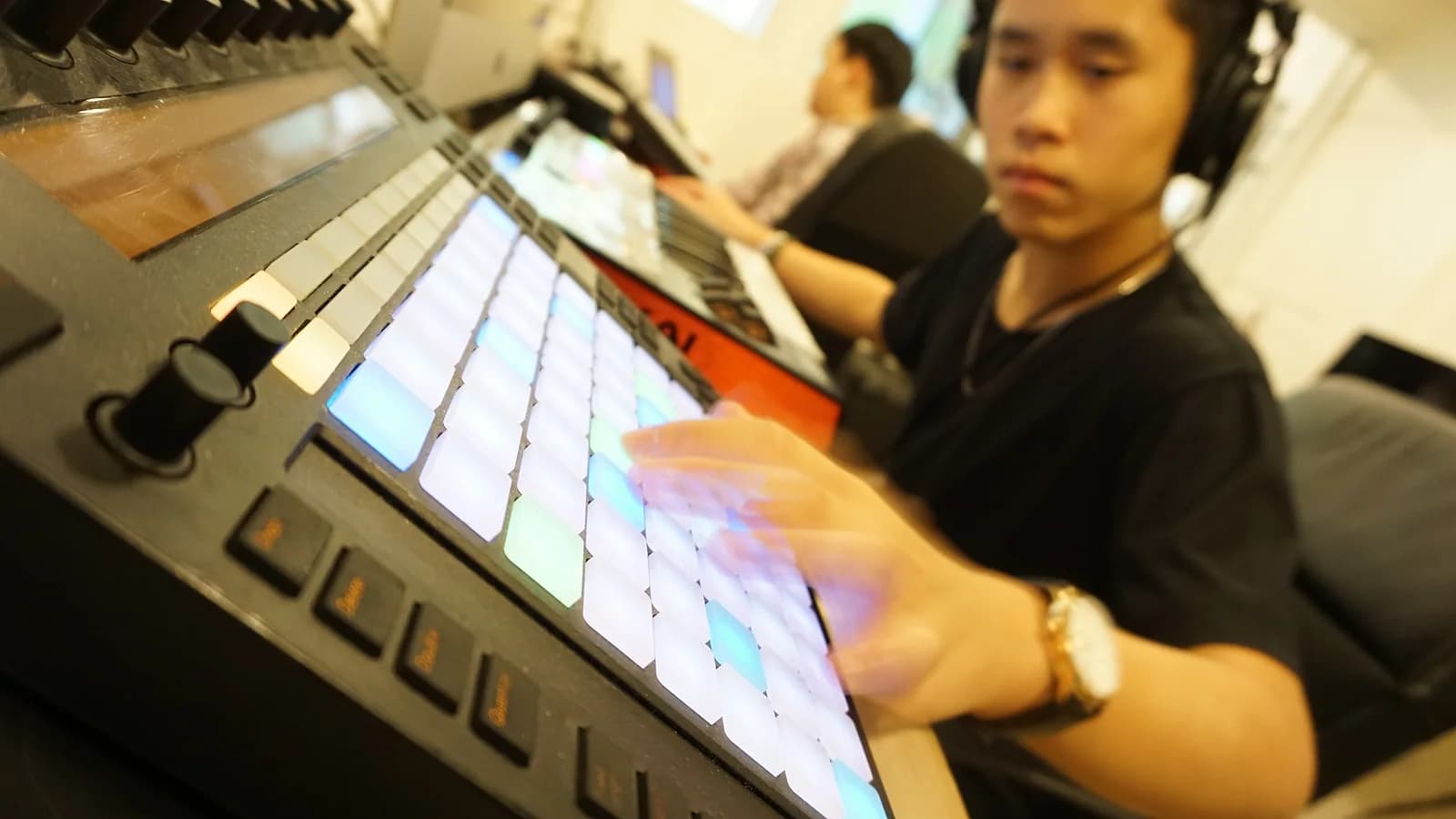
A course buys you three things: gear you don't have to own yet, someone correcting your beatmatching in real time, and a room where being bad doesn't cost you a booking. Open decks buys you none of that structure but gets you playing for an actual crowd, on actual club-grade equipment, months before a school certificate would. Most working DJs here did some mix of both: a short course to stop guessing at the basics, then months of open decks and warm-up slots to get comfortable. Skip the course entirely and you'll spend longer figuring out gain staging by trial and error. Skip the open decks and you'll finish a course able to mix cleanly in a bedroom and freeze the first time a real crowd is watching.
Getting Your First Booking
This is the part no course teaches, because it isn't really teachable: it's who noticed you. Open decks nights double as informal audition rooms, promoters and bar owners drop in specifically to see who's decent, and turning up consistently matters more than any single set. Bring your own USB, don't overstay your allotted time, and tip the sound engineer if there is one; small rooms remember who was easy to work with. Loopliner has covered a few of the region's own small-room-to-recognition stories, including Nino Blink, who left Glasgow's techno scene for Singapore's and eventually got noticed by Richie Hawtin; the pattern that connects stories like his isn't talent alone, it's showing up in the same small rooms often enough that someone remembers your name.
What This Guide Doesn't Cover Yet
We could not confirm a dedicated, currently operating DJ school in Kuala Lumpur, Singapore or Vietnam with the same level of detail as Bangkok and Manila; that doesn't mean nothing exists there, only that we couldn't verify course structure, pricing and current operating status well enough to print it. If you run or know of one, that's a gap worth someone filling.
FAQ
How much does it cost to learn to DJ in Bangkok?
InEarBeat's DJ Extensive Course is 10,000 THB for 8 hours of instruction, spread across four weekly 2-hour sessions, and includes use of a Mac and studio equipment.
Do I need to buy my own DJ equipment before taking a class?
No. InEarBeat's course price includes equipment use, and Silent Noise in Manila operates as a gear shop alongside its courses, so you can try equipment before buying. Open decks nights generally just ask you to bring your own USB.
Where can I practice once I've learned the basics?
Open decks nights are the standard route, including Micro-System's vinyl-focused format in Bangkok and Open Deck Club's INTERSECTION nights in Jakarta. They function as both practice space and informal audition rooms for promoters.
Is Manila or Bangkok better for learning to DJ?
Manila has more formal schools to choose from, including Silent Noise and Beat Project Manila. Bangkok has fewer schools but a longer continuously running one in InEarBeat, plus an active open decks and listening-bar culture to practice in afterward.
How long does it take before I can play a real set?
Formal courses in this guide run 8 to 20 hours of instruction, which is enough to learn the mechanics. Being ready to hold a room is a separate skill, and every open decks night and school in this guide exists precisely because that second skill only comes from stage time, not classroom hours alone.
Read Next
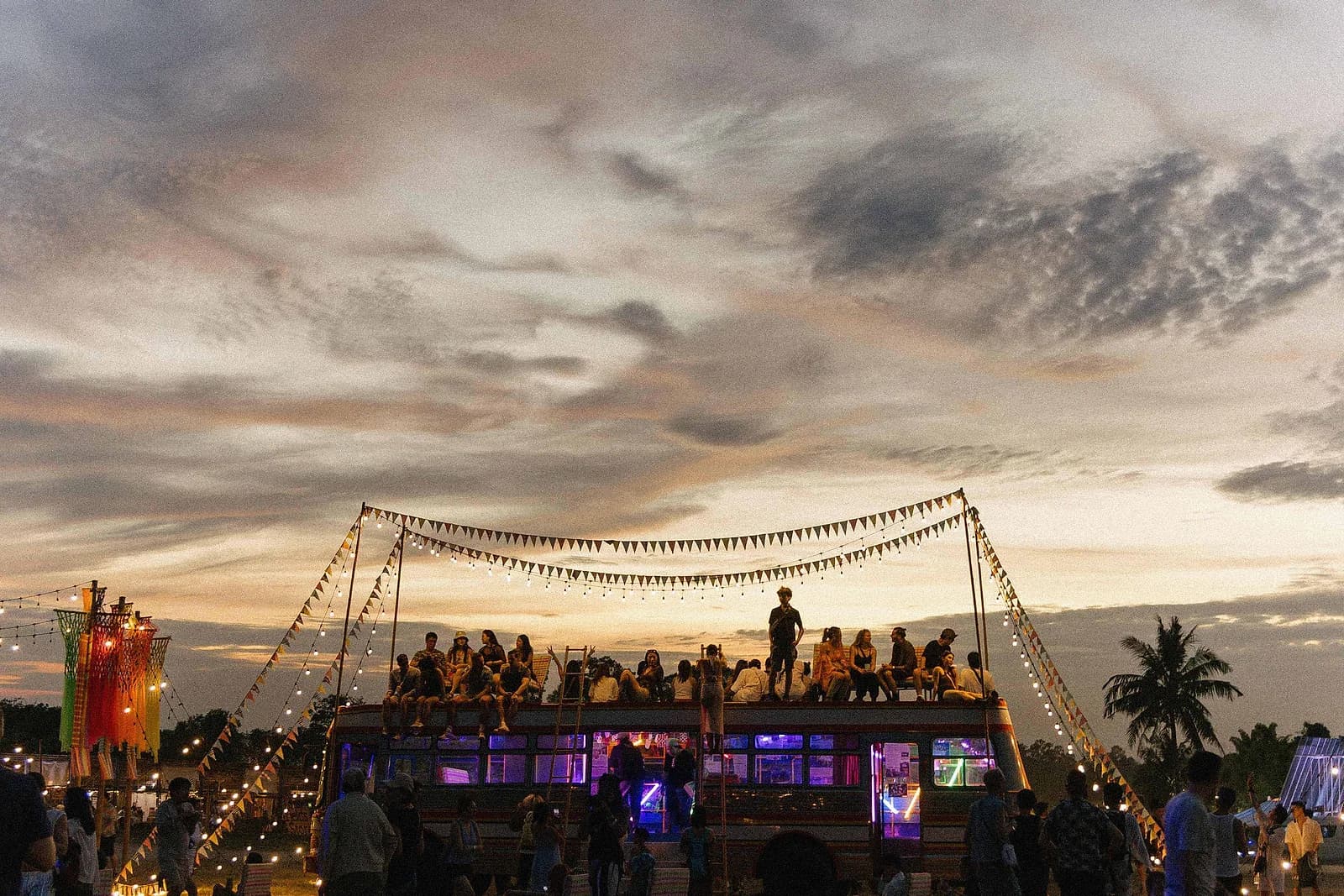
Wonderfruit Picked December on Purpose: How Monsoon Season Shapes Southeast Asia's Clubbing Calendar
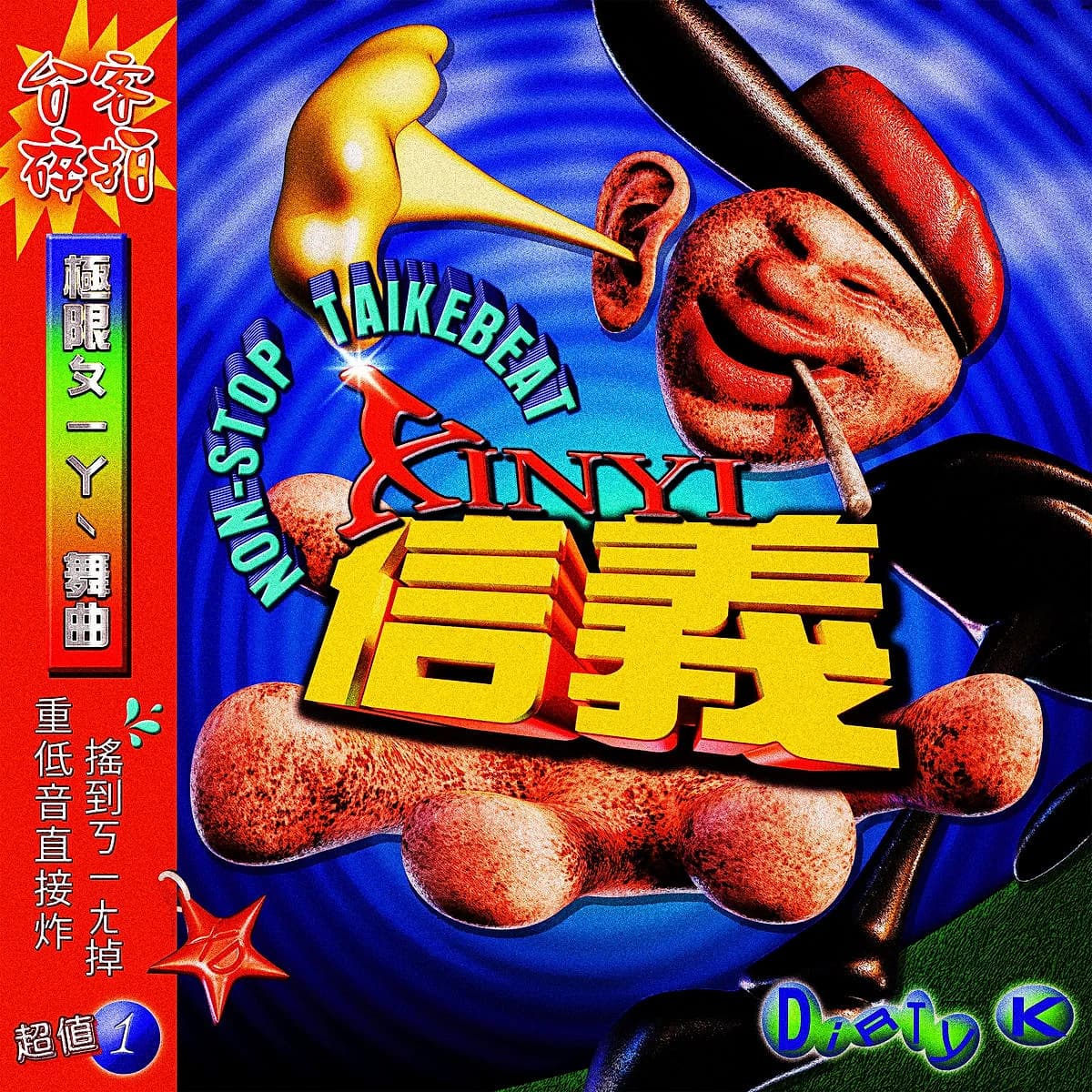
Dirty K Named Taiwan's Banned Rave Sound Taikebeat. DJ Love Remixed It.
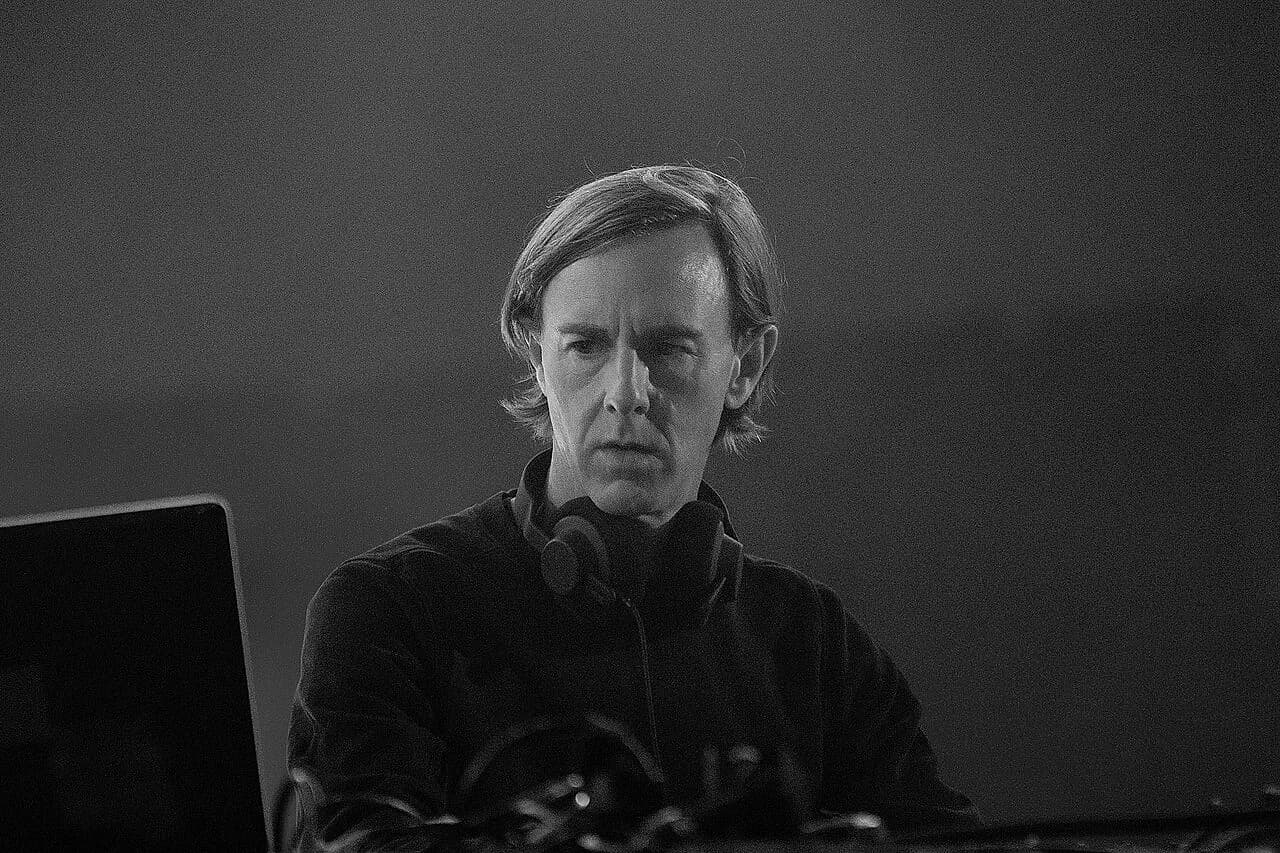
Richie Hawtin Leaves WME for Dixon's Independent Agency. He's Already Vouched for Bangkok and Singapore's Underground.
Stay in the loop
Asian electronic music, weekly