
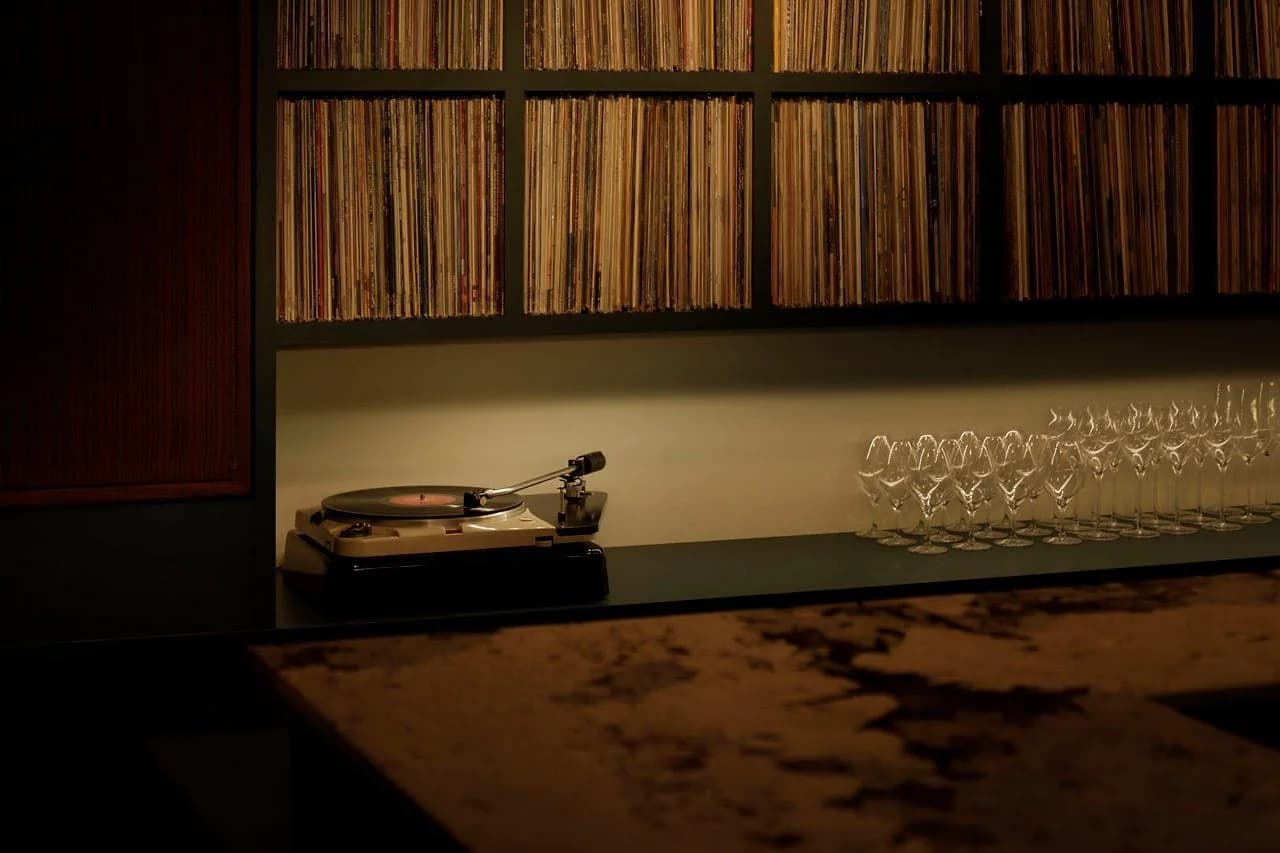
The Best Listening Bars and Record Bars in Bangkok and Tokyo
No DJ booth, no dance floor, just a serious hi-fi rig and a wall of records. A guide to the listening bars and record bars actually worth the taxi fare in Bangkok and Tokyo.
At Bar Martha in Ebisu, you don't take photos, you don't talk over the record, and you definitely don't ask the man behind the counter to play something else. Nobody explains the rules when you sit down. You just learn them, usually by watching someone else break one and get a long, silent look in return. That is not a gimmick for tourists. It is the entire business model of the listening bar, a Japanese invention that has quietly become one of the more interesting exports in Asian nightlife, and one that both Tokyo and Bangkok now do extremely well, for very different reasons.
Neither city agrees on what to call the format, and that is part of the fun. Some rooms are direct descendants of the postwar jazz kissa, cafes built around a single serious speaker system that never got wired for a mixer. Others are cocktail bars that happen to own a McIntosh amplifier and a wall of records and would like you to notice. What every good one shares is the same bet: a quiet room with excellent speakers beats a loud one with bad ones, and a bartender who has opinions about the record he is about to drop beats a Spotify playlist on shuffle every time.
What Actually Makes a Bar a "Listening Bar"
The short version: no live mixing, no beatmatching, usually no DJ booth at all. A record goes on, plays through, and someone changes it when it ends. The point is the sound system, not the selector's ego, which is exactly backwards from how a club works. Tokyo's version dates back to the 1950s and 60s, when jazz kissa gave salarymen and students a way to hear imported records on equipment nobody could afford at home. Bangkok's listening bar wave is much newer, essentially the last five or six years, and it arrived already knowing what it wanted to be: part hi-fi shrine, part cocktail program, styled for a generation raised on both vinyl revival and craft bartending.
Bangkok: Where the Rooftop Meets the Record Crate
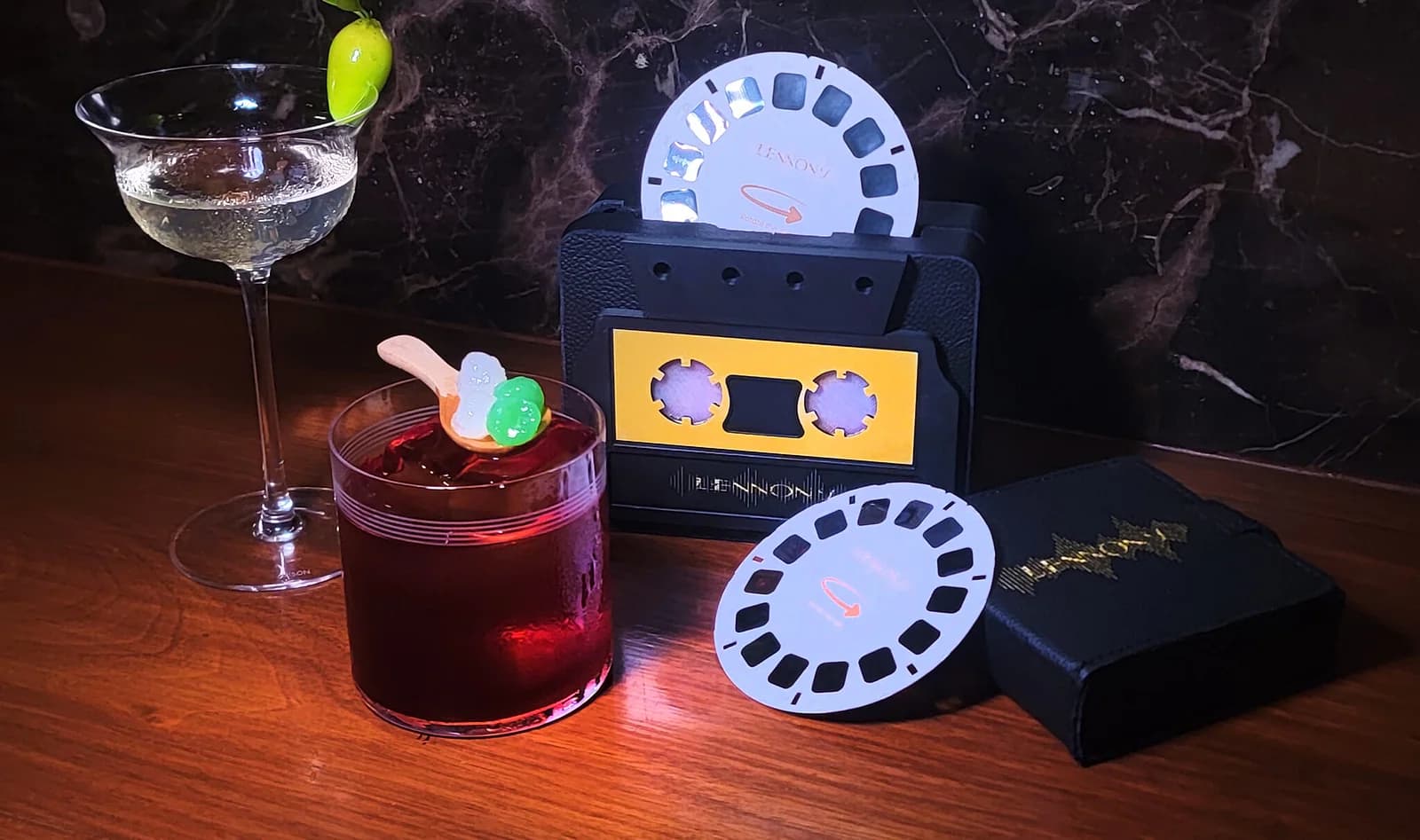
Start at Lennon's, on the 30th floor of Rosewood Bangkok on Phloen Chit Road. It is styled like a mid-century recording studio, floor-to-ceiling windows looking out over the city, and it runs on a British-made Nottingham Analogue turntable through a McIntosh amplifier and Harbeth speakers, an audiophile's dream by any bar's standard. The browsable, purchasable collection runs past 6,000 records, DJs spin Tuesday through Saturday, and the house policy leans classic rock, blues, jazz and a bit of luk krung, the mid-century Thai pop genre that gives the whole thing a local accent instead of just importing Tokyo wholesale. It opens daily at 6pm and runs to midnight. It also picked up the Highest New Entry Award at Asia's 50 Best Bars 2026, landing at No. 7, so the secret is well and truly out; go on a weeknight if you want to actually sit near the turntable.
If Lennon's is the polished version, Siwilai Sound Club on Charoenkrung Road is the one that admits its debt out loud, describing itself as a marriage between a New York jazz club and a Tokyo-style vinyl bar with a Thai twist. It splits into a Live Room for pianists and bands and a separate Audiophile Bar for the DJs, open Tuesday to Sunday, 6pm to 1am. Studio Lam on Sukhumvit Soi 51 leans further into live music, Ethio-jazz to modern boogie, with ya dong cocktails and regular sets from Paradise Bangkok; it runs Tuesday to Sunday, 6pm to 2am. For something closer to a friend's very good record collection than a hotel bar, Bar Marco in Thonglor Soi 20 stacks a two-story shelf of vinyl (Beach Boys, Velvet Underground, LCD Soundsystem, no real theme beyond good taste) behind a mid-century California room, daily 6pm to 1am, and Strange Fruit, also on Thonglor Soi 20, spins hip hop, soul, funk and R&B in a room that genuinely does feel like someone's living room, if that someone has excellent records, Tuesday to Saturday 8pm to 2am.
Tokyo: The Original, Still Strict About the Rules
Tokyo's wider house and techno scene runs mostly after these bars close, but the listening bar is where the city's obsession with sound actually started. Bar Martha in Ebisu is the one people mean when they say "real" listening bar. It is small, dark, and built entirely around records playing to people who came specifically to hear them. The house rules are posted almost nowhere and enforced everywhere: no loud conversation, no song requests, and a flat refusal to let anyone photograph the room, because, as the bar puts it, it does not want its space spread across social media. It opens nightly from 7pm to 3am, closes for five days around New Year and again in summer, and does not take reservations, so the only way in is to show up and wait if it's full. Do not expect anyone to explain the sound system to you either; ask a Tokyo listening-bar regular and they will just say Tannoy and McIntosh and leave it there, like that settles the matter.
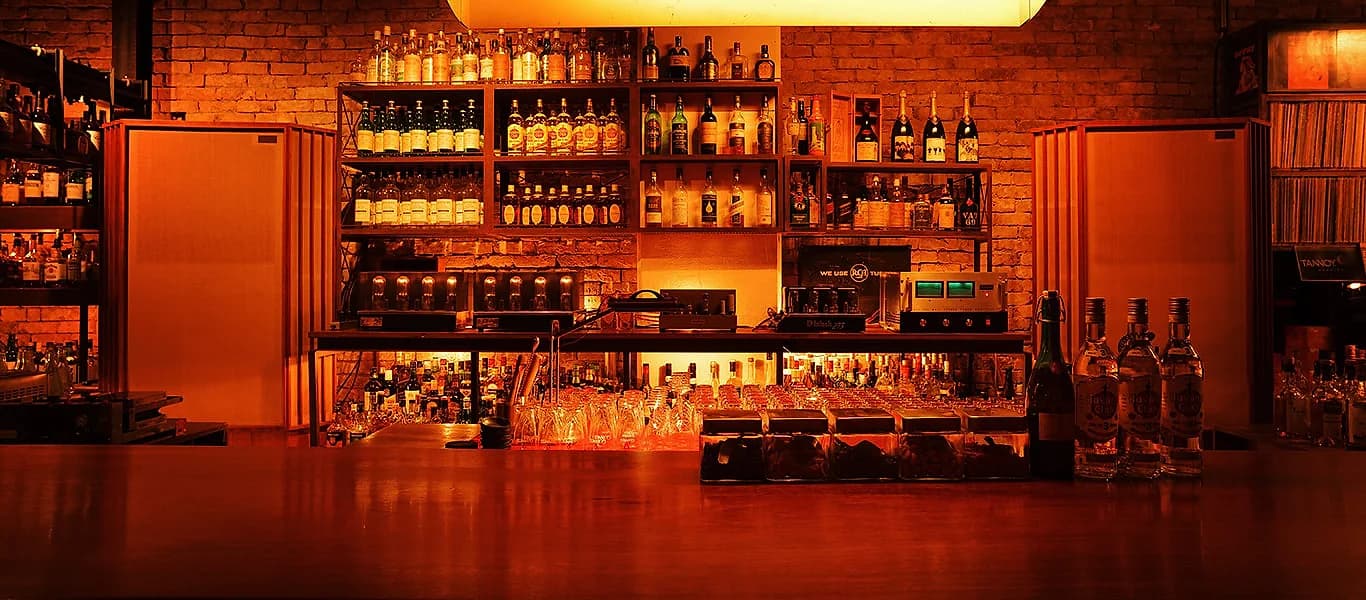
A newer, gentler entry point is Studio Mule in Shibuya, opened in August 2020 by Toshiya Kawasaki, who also runs the dance label Mule Musiq. It seats just eleven people around a stone bar, running a Thorens turntable through a Mark Levinson amplifier and a pair of Klipsch Cornwall speakers, while Kawasaki pours from a personal collection of more than 1,000 natural wines he has been building since 2009. It is open Monday to Saturday, 6pm to midnight, and it is the easiest of Tokyo's serious listening bars to actually get a seat at, since it skips Bar Martha's cult-object reputation for something closer to a very good wine bar with an unreasonable sound system. Also worth knowing by name: JBS in Shibuya, where owner Kobayashi-san pulls vinyl from the shelves and rarely speaks, treating the room as a collective listening ritual rather than a performance; and Ginza Music Bar, a side project from DJ Shinichi Osawa and coffee producer Nobuhiro Toriba, built around Tannoy speakers and a few thousand records, for anyone who wants Ginza's polish with Shibuya's record collection.
How to Actually Go
Both cities reward the same behavior: show up early, order something, and shut up for a while. Bangkok's rooms are generally more forgiving of conversation, since most double as proper cocktail bars first and price their drinks like one; budget for a hotel-bar cocktail at Lennon's and something cheaper at the Thonglor rooms. Tokyo's listening bars often carry a separate seating or table charge on top of the drink, worth asking about before you sit down. Cash still matters more at Tokyo's older rooms than at Bangkok's cocktail-forward ones. And in both cities, the single biggest mistake is treating the person behind the counter as a jukebox. Nobody here is taking requests.
Bangkok's listening bars sit inside a much bigger scene of clubs and DJ-driven nights; our guide to the city's best house and techno clubs and beginner's guide to getting into the underground cover where the night goes after last call at Lennon's.
What's Not on This List
This covers Bangkok and Tokyo specifically, not every listening bar in Asia; Seoul and Taipei have their own growing scenes that deserve their own guide rather than a footnote here. Within Bangkok, Yayyyyy Record Bar in Nang Loeng and 12x12 in Thonglor both come up constantly in local recommendations for going vinyl-only or building a serious sound system around a small room, but neither had current, verifiable hours or pricing at the time of writing, so they are named here rather than detailed. The same caution applies to a handful of smaller Tokyo rooms that show up on enthusiast forums without an address attached to them. That gap is itself the point of a listening bar: the good ones don't advertise.
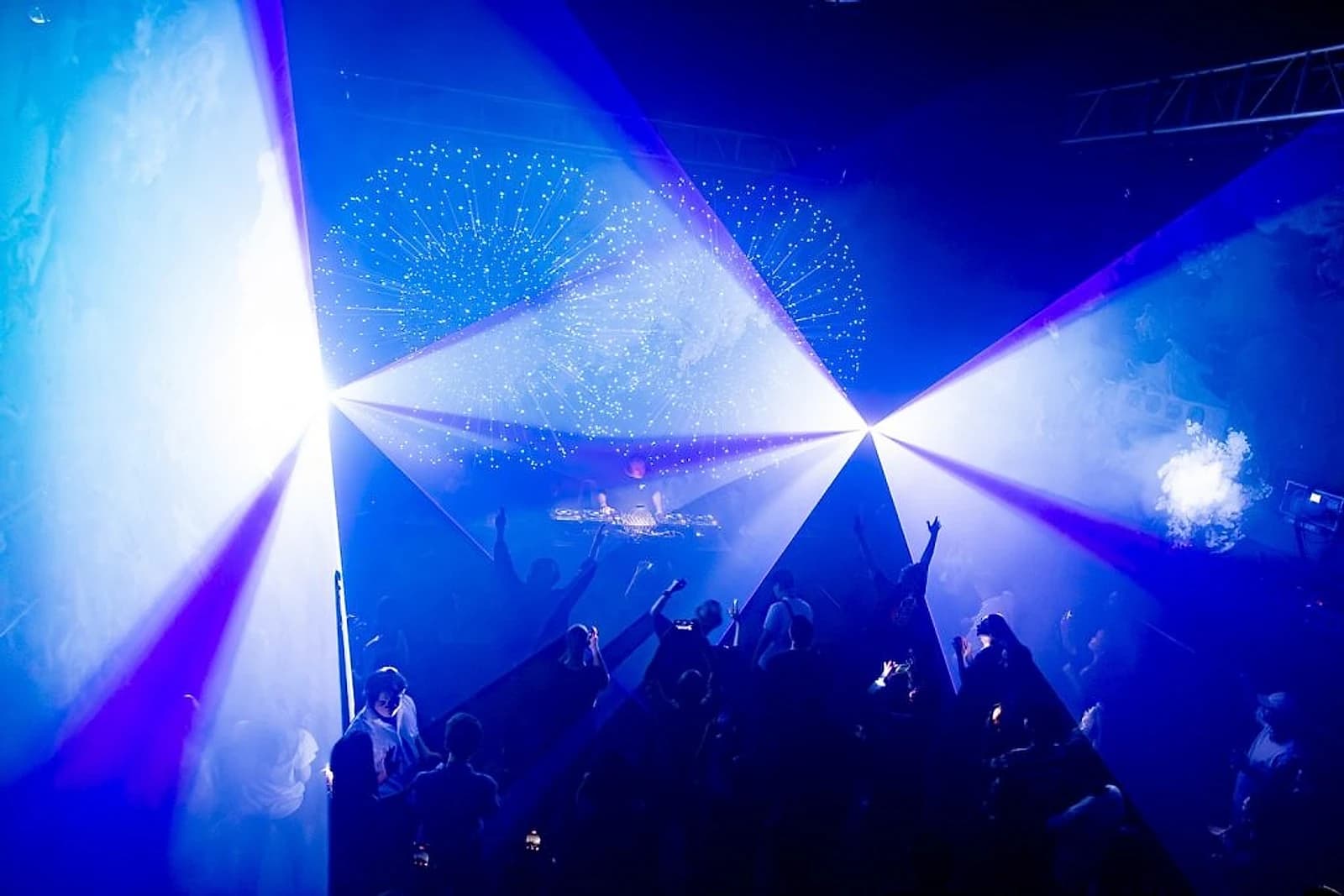
Cover photo: Studio Mule, Shibuya, via The Vinyl Factory.
FAQ
What is a listening bar?
A bar built around the sound system rather than a DJ booth: no live mixing, no beatmatching, a record goes on and plays through until someone changes it. Tokyo's version dates back to the jazz kissa of the 1950s and 60s, while Bangkok's wave is only five or six years old.
Which listening bar in Bangkok should you start with?
Lennon's, on the 30th floor of Rosewood Bangkok on Phloen Chit Road, runs a Nottingham Analogue turntable through a McIntosh amplifier and Harbeth speakers with a browsable collection of more than 6,000 records. It opens daily at 6pm until midnight and landed seventh on Asia's 50 Best Bars 2026, so go on a weeknight.
What are the rules at Bar Martha in Tokyo?
No loud conversation, no song requests and no photographs of the room, enforced everywhere even though they are posted almost nowhere. It opens nightly from 7pm to 3am and does not take reservations, so the only way in is to show up and wait if it is full.
Read Next
Stay in the loop
Asian electronic music, weekly