
mess. Is the First Vietnamese Woman to Play Tomorrowland
Vu Phuong Thao grew up on an organ in Son La, dropped out of diplomatic training, and built her name in Ho Chi Minh City's underground. This July she became the first Vietnamese woman to play Tomorrowland, and Vietnam's own press called it a Vinahouse homecoming.
Official link
At 2pm on Sunday, July 26, a Vietnamese producer who taught herself electronic music after quitting a diplomacy degree walked onto the House of Fortune by JBL stage at Tomorrowland, in a field outside Antwerp, and played roughly thirty minutes as the first Vietnamese woman ever booked at the festival. Vietnamese outlets previewing the set reached for the same loaded shorthand: she was bringing Vinahouse, the genre her own underground has spent a decade trying to live down, to the biggest stage in dance music. She is mess., real name Vu Phuong Thao.
From Son La to a Diplomacy Degree She Didn't Finish
Thảo grew up in Son La, a mountainous province near the Laos border, nowhere close to a club scene. She started on an organ, the way a lot of Vietnamese kids do, long before she'd heard the words house or techno. She was good enough at school to get into the Diplomatic Academy of Vietnam, the country's training ground for its foreign service, and she went. Then she left it for music, the kind of decision that reads as a footnote in a press bio and is actually the whole story: a stable, prestigious, state-sanctioned path traded for an unofficial one with no salary attached.
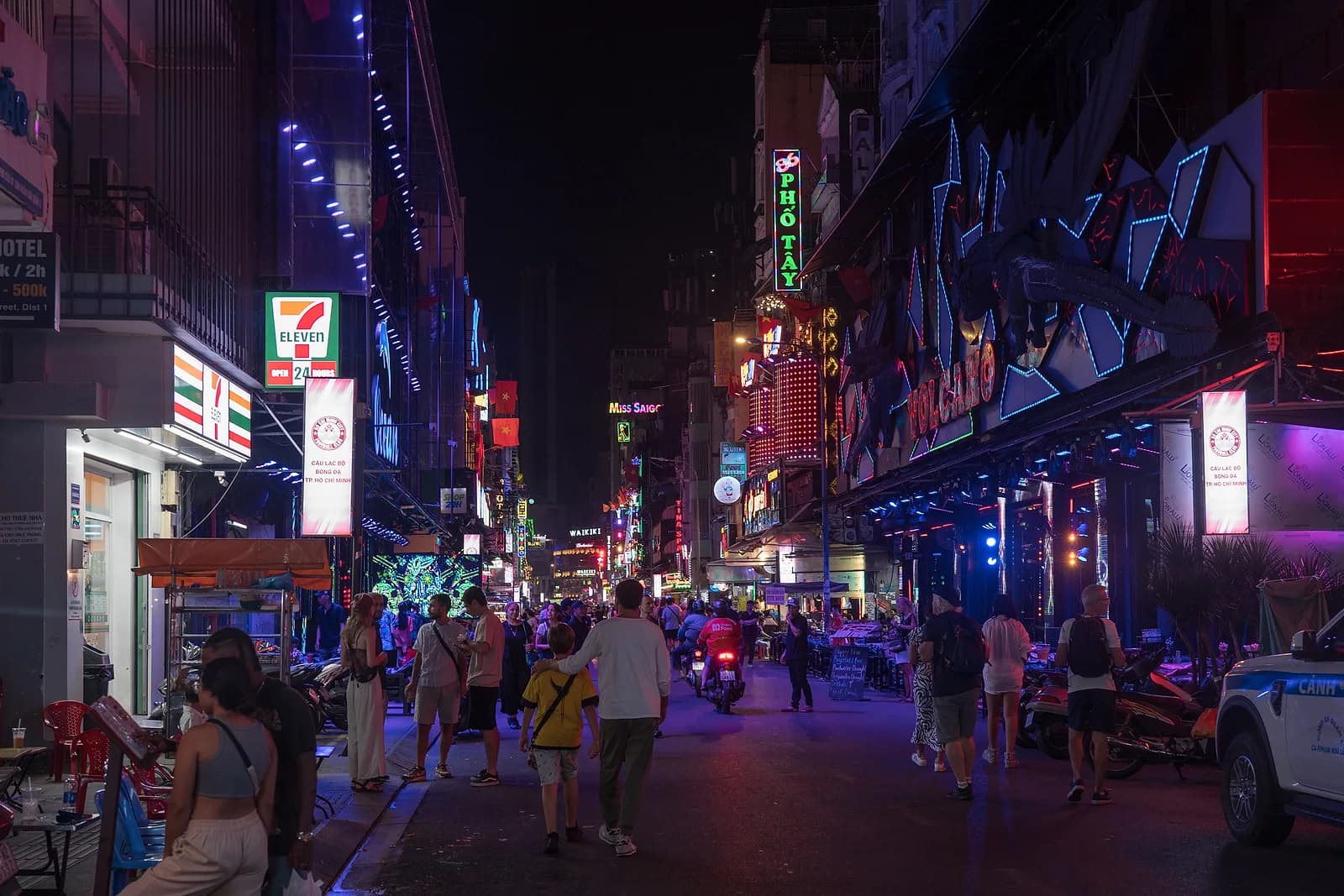
She moved to Ho Chi Minh City, where the subcultures she found (skate kids, graffiti writers, DIY promoters) shaped how she thinks about sound more than any studio course did. In 2018 she co-founded ANNAM, an experimental duo that put out an album called 3260. Her solo debut, Fearless, followed in 2020: twelve tracks that moved between breakbeat, sampling and vocal work, self-released the way almost everything in Vietnam's underground still gets released. She's since made a Suboi collaboration ('Pistol'), a Blak Ray one ('Sunday'), and reworked 'Sắc Màu,' a Trần Tiến standard that every Vietnamese household of a certain age can hum, into a breakbeat track built from samples. That's the pattern with her: nothing in the catalogue asks permission to sound Vietnamese.
A Stage Built for the Global Circuit, in a Set That Wasn't
Tomorrowland doesn't hand out slots casually. House of Fortune by JBL, the stage mess. played, ran nearly thirty international names across the festival's second weekend, the kind of lineup slot that usually goes to acts with agency rosters and years of European touring behind them. She had neither. What she had was a growing reputation inside Vietnam's scene, a SXSW appearance already on her résumé, and, per the Vietnamese press covering the booking, a refusal to sand down what made her music specifically hers for a European crowd.
Asked what the booking meant to her, she was blunt about what she didn't want it to be about. 'The important thing was never proving I'm the first Vietnamese artist at Tomorrowland,' she told Marie Claire Vietnam ahead of the set, 'but showing that Vietnamese musicians play very well too.' On why she makes music at all, in the same interview: 'Making music so people understand different communities better and reconnect with each other. I believe that's more important.' It's not the language of someone chasing a festival credit. It's the language of someone using one.
What the Vinahouse Framing Actually Means
Here's the part that reads differently once you know Vietnam's dance music history. Vinahouse isn't some neutral local flavor invoked for color. It's a genre with a specific, complicated reputation at home: bombastic remixes of Chinese and Vietnamese pop over hard four-on-the-floor beats, born in the late 1990s when DJs Thái Hoàng and Nam Tào remixed a song called '999 Roses' and accidentally invented a national sound. DJ Hoàng Anh became its best-known ambassador after Tiësto picked him as the first winner of the Heineken DJ Contest in 2004, and Vinahouse has been the soundtrack of Vietnamese wedding halls, karaoke bars and beer clubs ever since.
It's also, within Vietnam's own underground, treated as the thing serious DJs graduate out of. When international promoters like Heart Beat brought techno into Ho Chi Minh City starting in 2012, they built a scene that leaned hard toward foreign bookings and foreign taste, and local Vinahouse-adjacent DJs found themselves squeezed out of the rooms that mattered, dismissed by gatekeepers chasing an imported idea of legitimacy. Even Nhạc Gãy, the Saigon collective that's done the most to build an internationally credible Vietnamese club sound in recent years, has been careful to frame its work as a break from 'formulaic Vinahouse,' not a continuation of it. It's a different instinct from Maggie Tra, the Hanoi-rooted producer who built her own house record around home rather than away from it, but it's the same underlying question: what does a Vietnamese dance record owe to Vietnam.
So when Kenh14 previewed mess.'s Tomorrowland booking, the headline didn't hedge: she was bringing a Vinahouse hotpot to the temple of European EDM. No outlet, including that one, has published a tracklist or confirmed exactly what played through the JBL rig that Sunday, so this isn't a claim about her setlist. It's a claim about what Vietnamese media assumed readers would understand the moment to mean. Putting mess. and Vinahouse in the same headline, for a scene that has spent years trying to put daylight between itself and that word, was itself the story they were telling.
What It's Worth to Anyone Who Wasn't There
No outlet has published a set recording or a firm attendance figure from House of Fortune that Sunday, and mess. hasn't said publicly whether Tomorrowland leads anywhere specific next. What's verifiable is smaller and, honestly, more useful: a producer from a province with no club scene got a thirty-minute slot at the biggest dance music festival on the planet, and Vietnam's own press couldn't resist reading it as reconciliation with the genre her scene has spent a decade being embarrassed by. That's not a curiosity. It's a rebuttal to sính ngoại, the Vietnamese term for reflexive foreign-preference that's dogged the country's underground for years, landing on the one stage where it couldn't be ignored.
Her catalogue, ANNAM's 3260 and her own Fearless, is still sitting on Bandcamp for anyone who wants to hear where the Tomorrowland booking actually came from. It's a smaller room than De Schorre. It's the one she built herself.
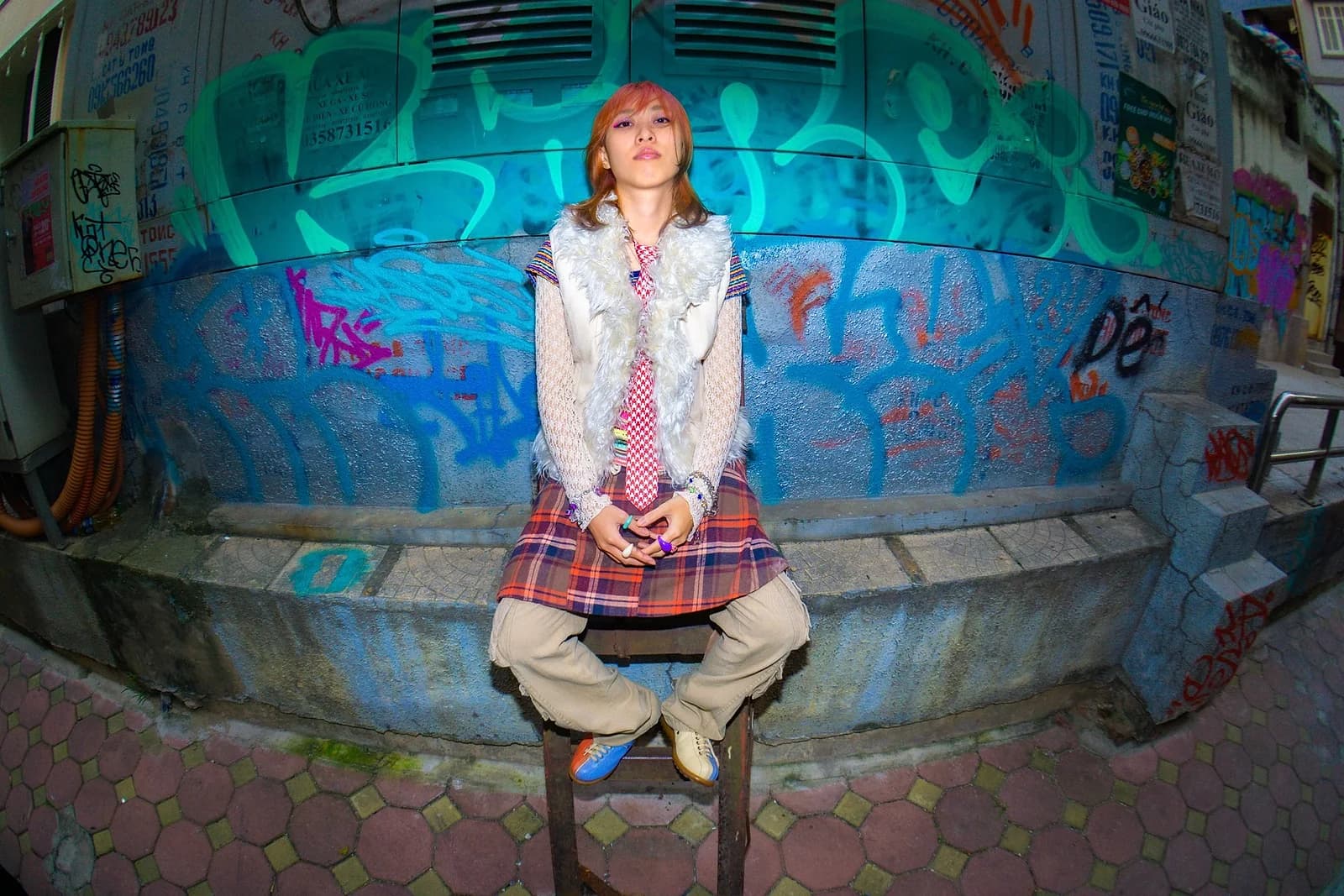
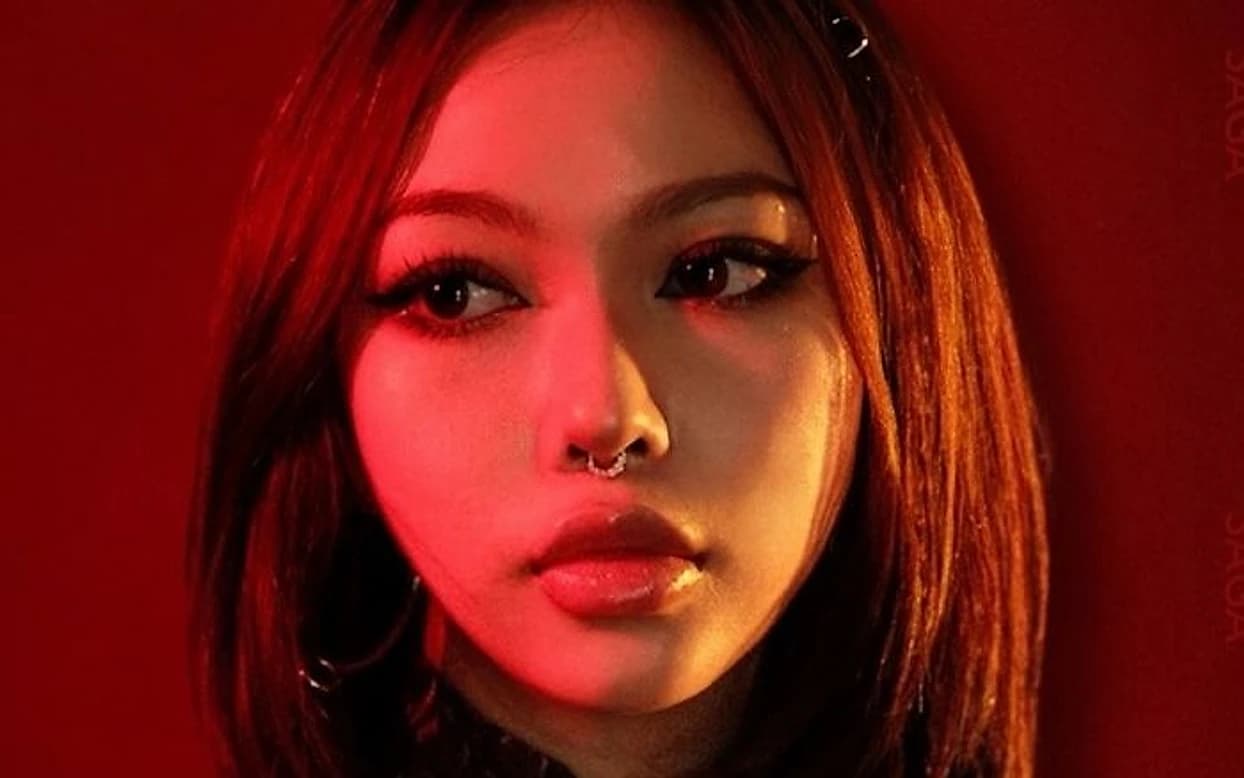
Cover photo: mess. (Vu Phuong Thao), via Marie Claire Vietnam.
Read Next

Stay in the loop
Asian electronic music, weekly