
Nha Trang and Phu Quoc Nightlife: Where House and Techno Actually Happen
Forget the resort-strip EDM: Nha Trang's real scene is a single rooftop promoter, Phu Quoc's is a hilltop bar that's run since 2012, and the festival that put the island on the map hasn't confirmed a comeback.
Every guidebook to Nha Trang and Phu Quoc tells you the same thing: beach clubs, boat trips, sunset cocktails. What almost none of them mention is that a small, real house and techno scene has been building on both coastlines for the better part of a decade, mostly invisible to anyone who isn't already looking for it.
This isn't Ho Chi Minh City or Hanoi, and it never will be. There's no Vinahouse circuit here, no clubs cracking DJ Mag's Top 100. What there is: one committed techno promoter running takeovers out of a Nha Trang rooftop, one hilltop electronic music bar in Phu Quoc that's kept its lights on since 2012, and the fading memory of a festival that once flew Nina Kraviz and Peggy Gou to a beach most Vietnamese don't even count as a party destination. Here's what's actually bookable, what's history, and what's just marketing copy with a bassline stock photo attached.
Nha Trang: one rooftop is doing the work
Ask in a Nha Trang expat Facebook group whether there's a house or techno club in town and you'll mostly get shrugs, a few names of beach bars, and someone saying "depends on the night." That's the honest state of things. The resort strip along Tran Phu is wall to wall EDM remixes, karaoke rooms and buckets of vodka Red Bull, the kind of nightlife built for a one-week beach holiday rather than people who care what's playing.
Last Call, on Nguyen Thien Thuat street a few blocks back from the beach, is the exception. It's a late licence rooftop and club space that runs music past 4:30am, and it's the venue TRIP NT, a small local promoter crew, uses for its takeovers. TRIP NT has booked UK garage and techno nights there under names like "DNU Techno Takeover," with residents rotating through house, tech house and techno sets rather than the pop remix formula that dominates everywhere else in the city. It's listed on Resident Advisor, which on its own tells you something: almost nothing else in Nha Trang is.
Don't expect a Bangkok or Ho Chi Minh City crowd. This is a small room, small scene, and TRIP NT's events are irregular rather than weekly, so check their listings before you build a night around it rather than showing up on spec. Cover charges around town run on the cheap side by regional standards, and a cocktail rarely tops 350,000 dong (about $14) even at the nicer resort bars.
Phu Quoc has Happy Buddha Club, and it has history
Phu Quoc's case is stronger, and it rests on two things: one venue that's actually still running, and one festival that isn't, or at least isn't confirmed to be.
Happy Buddha Club sits on a hilltop above Duong To, on the island's southwest coast, and it's been calling itself a beach bar and electronic music club since 2012, which in Phu Quoc's fast turnover hospitality scene counts as ancient. By day it's a coffee shop with a view; from 9pm on Wednesdays, Fridays and Saturdays (plus special dates) it turns into a small dance floor running deep house and techno with a rotating cast of local and visiting DJs. It's a genuinely modest space, wood construction, a handful of tables, no pretensions to Ibiza scale, and that's rather the point: it's the one place on the island where the music is the reason you came, not background noise for cocktails.
Everything else electronic on the island runs through beach resorts. Sailing Club Phu Quoc, on Long Beach, books international DJs for its Saturday parties and has the infinity pool and swim-up bar you'd expect from a 25-year-old hospitality brand, but the programming leans commercial: live sets built for a resort crowd rather than dancers who came specifically for a lineup. Sunset Sanato Beach Club and a handful of Long Beach spots like Luna Bar and OCSEN advertise "electronic beats" alongside hip-hop and pop, which is accurate but not the same claim as a dedicated house or techno night.
What Epizode was, and why it isn't a reason to book a trip right now
If you've heard of Phu Quoc and electronic music in the same sentence, it's almost certainly because of Epizode, the festival launched in 2016 by a Ukrainian crew who'd previously run Kazantip on Crimea's coast before the 2014 annexation forced them out. At its peak, Epizode was a genuinely serious booking: Nina Kraviz, Peggy Gou, Jamie Jones, Deborah de Luca and Ricardo Villalobos all played its 11-day, round-the-clock editions on Sunset Sanato Beach, and for a few years it made Phu Quoc a legitimate answer to "where do underground DJs play in Vietnam."
That's mostly history now. The festival's ownership has been disputed since at least 2020, when a rival organisation calling itself Epizode: Epilogue launched its own competing edition and both sides accused each other of fraud. The most recent edition either team can point to ran December 2022 into January 2023. Phu Quoc's own 2026 festival calendar, published by local tourism operators, doesn't mention Epizode at all, and the festival's official website currently returns an error. Nobody's confirmed a 2026-27 edition, and nobody's confirmed it's dead either. Don't plan a trip around it; if it does resurface, it'll be the biggest thing to happen to Vietnamese electronic music in years.
Getting there and getting around
Both cities are flight-only from most of Vietnam if you want to avoid burning a full day on a bus. Nha Trang's Cam Ranh airport is about 90 minutes from Ho Chi Minh City or Hanoi by air, with budget fares often under $30 one way; the overland bus option runs 6 to 7 hours and costs roughly $14. Phu Quoc's own international airport puts it about an hour from Ho Chi Minh City by air; the alternative is a bus and ferry combination that takes 8 to 12 hours and gets genuinely rough in the May to September monsoon window, so unless you're set on the boat for its own sake, fly.
Grab operates in both cities and on Phu Quoc island, which matters more here than in Bangkok or Saigon: taxis outside the tourist strips can and will overcharge, and neither city has a metro or reliable night bus to fall back on. Book your ride before last call, not after.
What's not on this list, and why
We didn't include Nha Trang's rooftop bars along Tran Phu or Phu Quoc's countless beach bar with a DJ setups, because "a DJ plays here sometimes" describes half the hospitality industry on both coastlines and isn't the same thing as a house or techno booking policy. We also left out Vinpearl's and Sun Group's large scale entertainment complexes on both islands: real venues, real crowds, but programmed around pop and mainstream EDM rather than anything this site's readers would cross town for.
If you're coming from Ho Chi Minh City or Hanoi expecting a scene on the scale of Da Nang and Hoi An, recalibrate. What Nha Trang and Phu Quoc offer is smaller and more fragile: one rooftop, one hilltop bar, and the ghost of a festival that used to matter. That's still more than most Vietnamese beach towns can claim, and if you're already booked in for the sand and the diving, it's worth an evening.
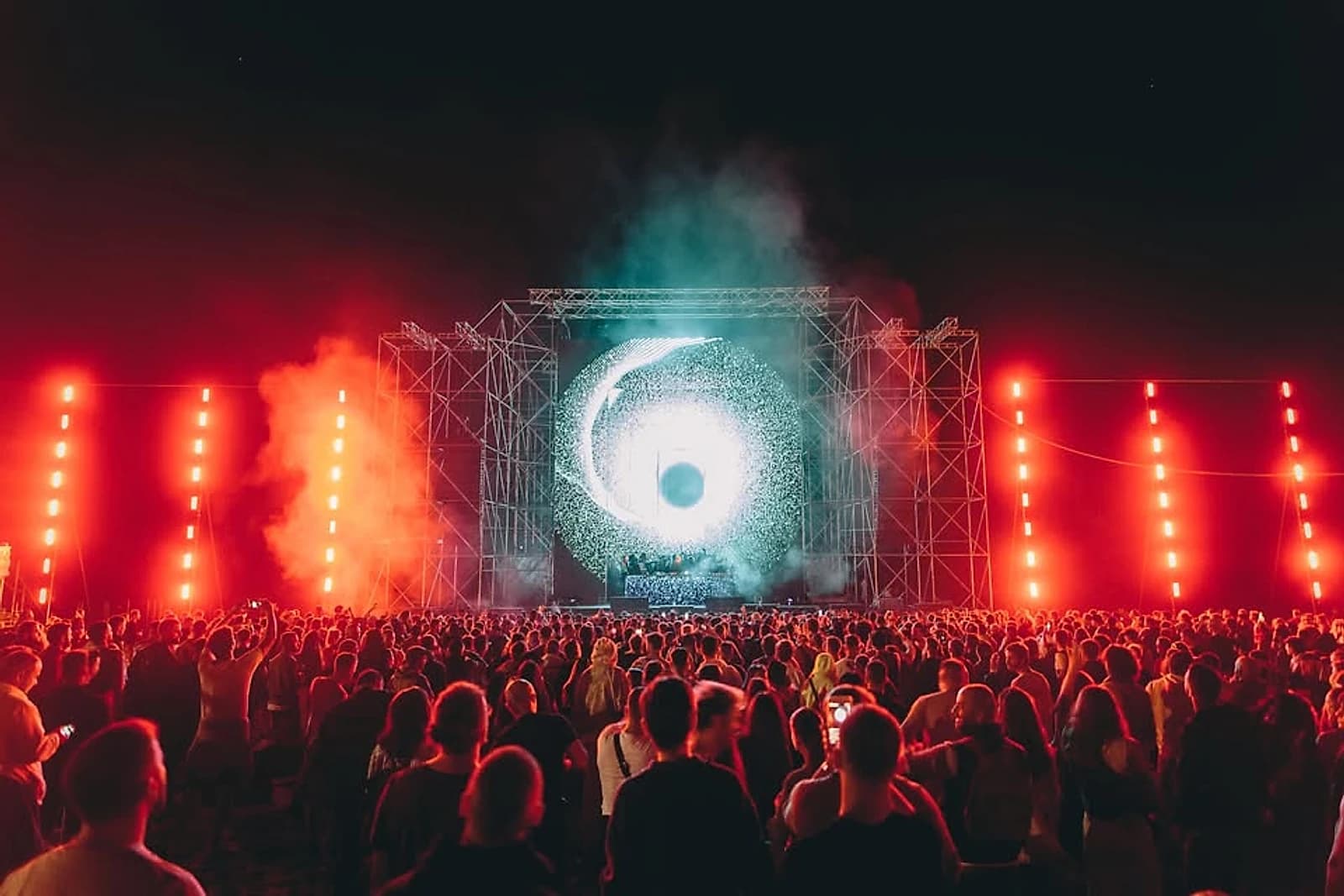
Cover photo: Epizode festival, Phu Quoc, at a past edition. Courtesy of Epizode.
FAQ
Where can you hear house and techno in Nha Trang?
Last Call, a late licence rooftop and club space on Nguyen Thien Thuat street, runs music past 4:30am and hosts the takeovers of local promoter crew TRIP NT. Their events are irregular rather than weekly, so check the listings before building a night around it.
Which venue in Phu Quoc is dedicated to electronic music?
Happy Buddha Club, on a hilltop above Duong To, has run as a beach bar and electronic music club since 2012. From 9pm on Wednesdays, Fridays and Saturdays it turns into a small dance floor playing deep house and techno.
Is the Epizode festival still happening in Phu Quoc?
The most recent edition ran December 2022 into January 2023, the festival's ownership has been disputed since at least 2020, and nobody has confirmed a 2026-27 edition. Do not plan a trip around it.
Read Next

Stay in the loop
Asian electronic music, weekly