

Southeast Asia's Drug Laws for Clubbers, Country by Country
Vietnam abolished the death penalty for drug trafficking in 2025, ending decades as one of the region's most feared jurisdictions for the offence. What actually changes, country by country, when you cross a border in Southeast Asia's clubbing circuit.
Fifteen grams of heroin gets you a mandatory death sentence in Singapore. Judges can impose life imprisonment with caning instead of death if the trafficker acted merely as a courier, suffers from impaired mental responsibility, or substantively assisted the authorities, among other conditions. Carry the same amount into Malaysia and death is still possible, but it's no longer automatic: judges have had the discretion to impose 30 to 40 years in prison instead since the Abolition of Mandatory Death Penalty Act took effect on 4 July 2023. Two countries a short flight apart, and the gap between them is the difference between a mandatory sentence and a judge's choice.
That gap is the whole point of this guide. Southeast Asia's clubbing circuit runs through Bangkok, Bali, Singapore, Kuala Lumpur, Ho Chi Minh City and Manila, and the law governing a pill in your pocket or a joint on a balcony isn't regional, it's national, and it keeps moving. What got decriminalized in Thailand in 2022 is half-reclassified again by 2026. What was an automatic execution in Malaysia until 2023 is now a judge's call. "It's Southeast Asia, they're all strict" isn't specific enough to keep anyone out of a cell. What follows is what each country's law actually says right now, not what it said five years ago or what the backpacker forums still assume.
Singapore: Mandatory, With One Narrow Exception
Singapore hasn't moved, and makes a point of saying so. The Misuse of Drugs Act sets a mandatory death sentence for trafficking 15 grams or more of heroin, 30 grams of cocaine or morphine, 250 grams of methamphetamine, or 500 grams of cannabis, among other thresholds. Below those lines, the law doesn't get gentle: simple possession can carry caning on top of prison. The Act also creates a legal presumption that possessing as little as 2 grams of heroin means you intended to traffic it, a presumption the accused has to disprove rather than the prosecution having to establish. The UK's own travel advice for Singapore skips the nuance entirely: evidence of drug use in your bloodstream on arrival or in transit, even with nothing found on your person, "will lead to refusal of entry or arrest." A positive test is enough on its own.

Malaysia: Death Is Still Possible. It's No Longer Automatic
Malaysia made this change on 4 July 2023. Until July 2023, trafficking 15 grams of heroin, 200 grams of cannabis, 40 grams of cocaine or 1,000 grams of raw opium carried an automatic death sentence under Section 39B of the Dangerous Drugs Act 1952, with no judge involved in the decision. The Abolition of Mandatory Death Penalty Act, in force since 4 July 2023, didn't take the death penalty off the books. It took away the word mandatory: judges can now impose 30 to 40 years in prison instead, though the trafficking thresholds themselves haven't changed. Death remains a real outcome in a Malaysian courtroom. It's no longer the only one available.
Thailand: Cannabis in Genuine Legal Limbo
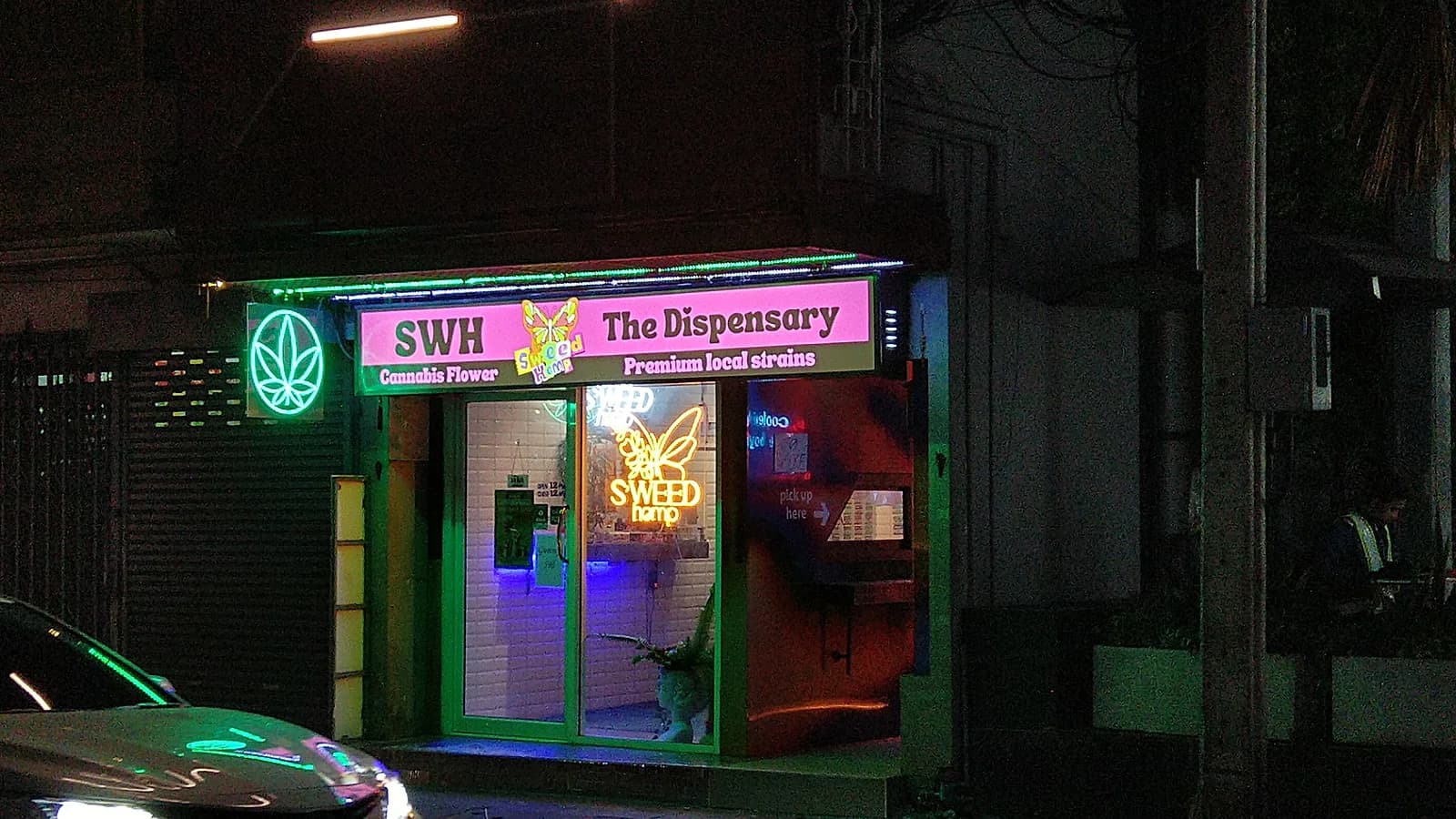
Thailand decriminalized cannabis outright in June 2022, pulling it off the official narcotics list and setting off a short-lived wave of Bangkok dispensaries. The reversal started almost immediately. By June 2025, the Ministry of Public Health had reclassified cannabis flower as a "controlled herb," banning recreational sales and advertising and requiring a prescription from a licensed doctor, pharmacist, or traditional medicine practitioner. It's illegal to take cannabis out of Thailand at all, and Thailand's Customs Department has sharpened the penalty: offenders caught exporting it now face a fine of 30,000 baht per kilogram seized, under rules that took effect on 17 June. Loopliner's guide to Thailand's visa and nightlife rules has the details on what else has changed since 2025.
Vietnam: The Death Penalty for Trafficking Just Changed
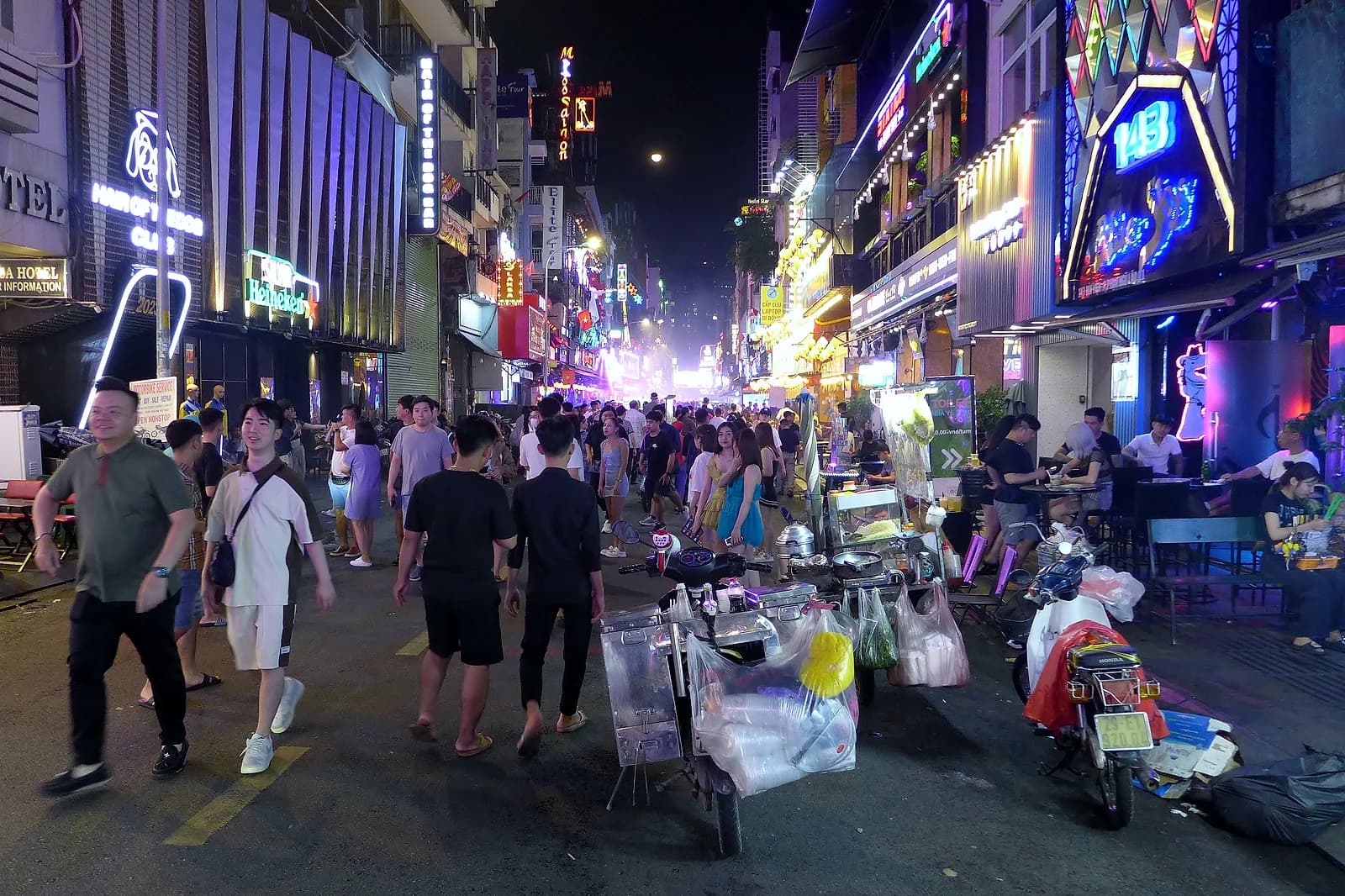
Vietnam's reputation hasn't caught up with the law, but not in the direction most travellers assume. Trafficking used to carry an automatic death sentence in Vietnam, full stop. That changed on 25 June 2025, when the National Assembly abolished capital punishment for drug trafficking along with embezzlement, vandalising state property, manufacturing fake medicine, jeopardising peace, triggering invasive wars and espionage, while keeping the death penalty on the books for ten other offences, including murder, child rape, treason and terrorism.
Indonesia and Bali: The Death Penalty Is Still on the Books
Bali's reputation as Southeast Asia's clubbing capital doesn't come with the region's most lenient drug law. It's closer to the opposite. Indonesia's death penalty for drug offences remains active under the 2023 Criminal Code, which allows execution for producing, importing or distributing more than 5 grams of a Class I narcotic. The country executed Australians Andrew Chan and Myuran Sukumaran, two of the so-called Bali Nine, by firing squad in April 2015, then executed four more people for drug trafficking in 2016, and none since. That moratorium has now held for a decade: the last executions took place on 29 July 2016, and international rights groups say the ten-year mark means the United Nations will now consider Indonesia a de facto abolitionist country. A rights group found the death-row total had reached 639 by April 2026. A new criminal code took effect on 2 January 2026. It does add one real protection: the death penalty is no longer a capital offence but a "special" one, with a ten-year trial before a sentence not carried out can be commuted to life imprisonment after a required assessment. Neither of those is a guarantee, and neither is fast.
The Philippines: The Campaign Changed. The Law Didn't
The Philippines' drug war was never really driven by a single statute, which is part of what made it so lethal. The Comprehensive Dangerous Drugs Act of 2002 remains the governing law, but it was Rodrigo Duterte's 2016-2022 enforcement campaign, not new legislation, that turned drug charges into thousands of extrajudicial killings. His successor, Bongbong Marcos, campaigned on ending the body count and has shifted the stated strategy toward prevention and rehabilitation, framing it as an "8 Es" approach where, in his words, "extermination was never one of them."
Independent monitors still counted more than 300 drug-related deaths in each of his first two years in office. For a visiting clubber the practical risk looks less like a courtroom and more like a checkpoint: the drug-war enforcement program that defined the Duterte years, ADORE, is still being carried out, and deaths from drug operations have persisted under Marcos despite his declared shift toward rehabilitation.
What This Guide Doesn't Cover
Cambodia is a real gap here. Phnom Penh and Siem Reap's nightlife runs on a reputation for looser enforcement than its neighbours, but nothing found during this research pinned down current statutory thresholds or enforcement data precise enough to print with confidence, so it's left out rather than guessed at. Laos isn't covered for the same reason. Myanmar isn't covered at all, since the country's ongoing civil conflict makes any drug-law travel advice beside the point.
None of this is advice to break any of these laws, in any of these countries. It's a map of what each one actually says this month, because the laws of five years ago, or the laws of the country next door, aren't the laws you're standing under. None of these countries run official pill testing at festivals either, so the legal risk above comes with no safety net underneath it.
FAQ
Can you still get the death penalty for drugs in Vietnam?
No. The National Assembly abolished the death penalty for drug trafficking on 25 June 2025, along with six other offences; it remains on the books for ten more, including murder and terrorism.
Is cannabis legal in Thailand right now?
It's decriminalized but not simply legal. Since June 2025 it's classified as a controlled herb requiring a doctor's or licensed practitioner's prescription, and recreational sales and advertising are banned.
What's the death penalty threshold for drug trafficking in Singapore?
Singapore's Misuse of Drugs Act sets a mandatory death sentence for trafficking 15 grams or more of heroin, 30 grams of cocaine or morphine, 250 grams of methamphetamine, or 500 grams of cannabis, among other thresholds.
Can Malaysian judges still sentence someone to death for drug trafficking?
Yes, but it's no longer automatic. The Abolition of Mandatory Death Penalty Act 2023 gave judges the option of 30 to 40 years in prison instead of a mandatory death sentence. Under Section 39B of the Dangerous Drugs Act, that threshold is 15 grams of heroin, 200 grams of cannabis or 40 grams of cocaine.
Does Indonesia still execute people for drug offences?
Not since July 2016. The death penalty remains on the books for trafficking over 5 grams of a Class I narcotic.
Read Next
Southeast Asia's Legal Drinking Ages: Where You Can Drink at 18, and Where It's 21
Thailand Still Sells Legal Weed With a Doctor's Prescription, While the Rest of Southeast Asia Bans It Outright
Bangkok's Underground House Scene Explodes: Hard In Zight 3 Festival Brings Raw Hardstyle Energy to AVVE Bar in March 2026
Stay in the loop
Asian electronic music, weekly