
Thailand's Visa and Nightlife Rules: What Clubbing Tourists Need to Know in 2026
Before you book a flight to dance in Bangkok, Phuket or Chiang Mai: how many visa-free days you actually get, why the digital arrival card matters, and what's changed about closing times, drinking hours and cannabis since 2025.
Official link
In June, police walked into a club outside Bangkok called The Airport, lined up 377 people and made them pee in cups. Seventy-six came back positive. That's not a normal Saturday. Most nights out in Thailand end with a taxi ride and a slightly-too-early last song, not a raid, but the story travelled because almost nobody clubbing their way through Bangkok, Phuket or Chiang Mai actually knows what the rules are, and Thailand has quietly rewritten a lot of them since 2025.
This isn't a party guide. It's the paperwork and the fine print: what gets you through immigration, what a bouncer can legally ask you, why one bar shuts at 2am while the club next door runs until sunrise, and what's actually true about cannabis now, as opposed to what a blog post from three years ago still says.
Getting In: Visa-Free Days and the Arrival Card Nobody Reads
As of this writing, 93 nationalities get 60 days visa-free on arrival, no embassy visit required. That's the current, in-force rule. It's also about to change: Thailand's cabinet approved a new tiered system on May 19 that would cut most of those countries, including all 27 EU states, down to a 30-day exemption, with 15 days for Mauritius, Seychelles and the Maldives, and visa-on-arrival cut from 31 countries down to a handful. It hasn't taken legal effect yet. The change needs Royal Gazette publication and then a 15-day wait, and anyone who enters before that date keeps their full stay under the old rule. Translation: if you're booking a trip more than a few weeks out, check the Tourism Authority of Thailand's visa page again a week before you fly, not now.
Separately, and this one trips up more people: Thailand replaced the old paper TM6 arrival card with the Thailand Digital Arrival Card, mandatory since May 2025 for every non-Thai national arriving by air, land or sea. You fill it in online, free, within three days of landing, at tdac.immigration.go.th. Immigration police have had to publicly warn about scam copies of the site charging a fee for something that costs nothing, so bookmark the real one and ignore anything that asks for a card number.
The Age Checks Are Real, the Passport Rule Isn't Quite Law
The legal drinking age in Thailand is 20, full stop, and it applies to you regardless of what your home country allows. What isn't written into any statute we could find is the specific claim that clubs must see a passport. In practice, most venues ask for a passport or a clear photo of one from anyone who looks under 25 or so, and wave through anyone who obviously doesn't. That's house policy, not national law, which means it varies: carry ID anyway, because the door staff at a packed RCA megaclub on a Saturday aren't going to debate it with you.
Why Your Club Closes at 2am and the One Down the Road Doesn't
Outside of a handful of zones, Thai law caps bars and clubs at 2am. Since a December 2023 regulation, though, venues inside specific tourist entertainment zones can legally run until 4am, extended to 6am on New Year's Eve. In Bangkok that means Silom, Patpong, and the Ratchadaphisek/Phetchaburi Road stretch that includes RCA, the country's biggest single entertainment district. The same 4am allowance covers designated zones in Phuket, Chon Buri (Pattaya's home province), Chiang Mai and Ko Samui. Everywhere else, 2am is 2am, and nobody's negotiating with the last-call announcement.
Prime Minister Anutin Charnvirakul has been pushing to scrap the zoning system entirely and take the whole country to 4am, a proposal his government floated for a January 2026 rollout. As of now it's still that: a proposal, not law, and the zoned system above is what's actually enforced. If you want specific rooms rather than just legal hours, our guide to Bangkok's house and techno clubs and our beginner's guide to the city's underground scene both map who's where and what time things actually get going, which in Bangkok is rarely before midnight.
Buying a Drink Just Got Easier
For about fifty years, Thailand banned retail alcohol sales between 2pm and 5pm daily, a hangover rule nobody clubbing at midnight ever really felt but every 7-Eleven cashier enforced to the letter. That's gone. The afternoon gap was lifted on a trial basis in late 2025 and made permanent by Royal Gazette announcement on May 29, 2026: alcohol now sells from 11am to midnight, continuously, no dead zone. Sales are still restricted near temples, government offices and petrol stations, and Thailand does periodically ban sales entirely around elections or major Buddhist holidays. We couldn't pin down a confirmed 2026 dry-day calendar at publication, so if your trip lands near a Buddhist Lent date or a national election, ask your hotel rather than assume the bar downstairs will be open.
Cannabis Isn't What the Backpacker Blogs Still Say
If you're arriving with 2022-era information, update it. Thailand decriminalized cannabis that year, and for about three years it was, in practice, close to a free-for-all. That ended on June 26, 2025, when recreational use was re-criminalized. Cannabis flower is now classified as a controlled herb: buying it requires a doctor's prescription, sellers need a licensed physician on-site, and unauthorized possession or sale can carry up to a year in prison and a 20,000 baht fine. The market has shrunk accordingly; by January 2026, more than 7,000 of Thailand's roughly 18,000 dispensaries had shut down. Whatever you saw on a friend's story from a Bangkok trip in 2023 does not describe the country you're landing in now.
Other recreational drugs were never decriminalized and Thailand treats them with zero tolerance, which isn't a slogan here. In August 2025, police raided an unlicensed club in Huai Khwang that was marketing itself to foreign tourists, detained 328 people and found meth, ketamine and liquid ecstasy in the VIP rooms; the venue lost its licence for five years. The Nakhon Pathom raid that opened this piece happened in June 2026. Random urine-test sweeps at nightlife venues are a real, current enforcement pattern in Thailand, not a scare story your travel insurer made up.
If You're Actually Going: The Short Version
Visa: currently 60 days visa-free for most Western, most ASEAN and many other passports, check the exact current rule for your nationality before you book, since a shorter tiered system is pending. TDAC: free, mandatory, online, within three days of arrival, only at tdac.immigration.go.th. Drinking age: 20, carry ID. Standard closing time: 2am, extended to 4am only inside designated zones (Silom, Patpong and RCA/Ratchadaphisek in Bangkok, plus tourist zones of Phuket, Pattaya, Chiang Mai and Ko Samui). Alcohol on sale: 11am to midnight, daily, no afternoon gap anymore. Cannabis: medical-prescription only since June 2025, not the open market of a few years ago. Everything else on the usual club-drug list: zero tolerance, and raids are not hypothetical.
None of this is a reason to skip Bangkok. It's a reason to spend five minutes on the TDAC site before you land, instead of finding out the hard way that the rules changed since the last time someone you know went.
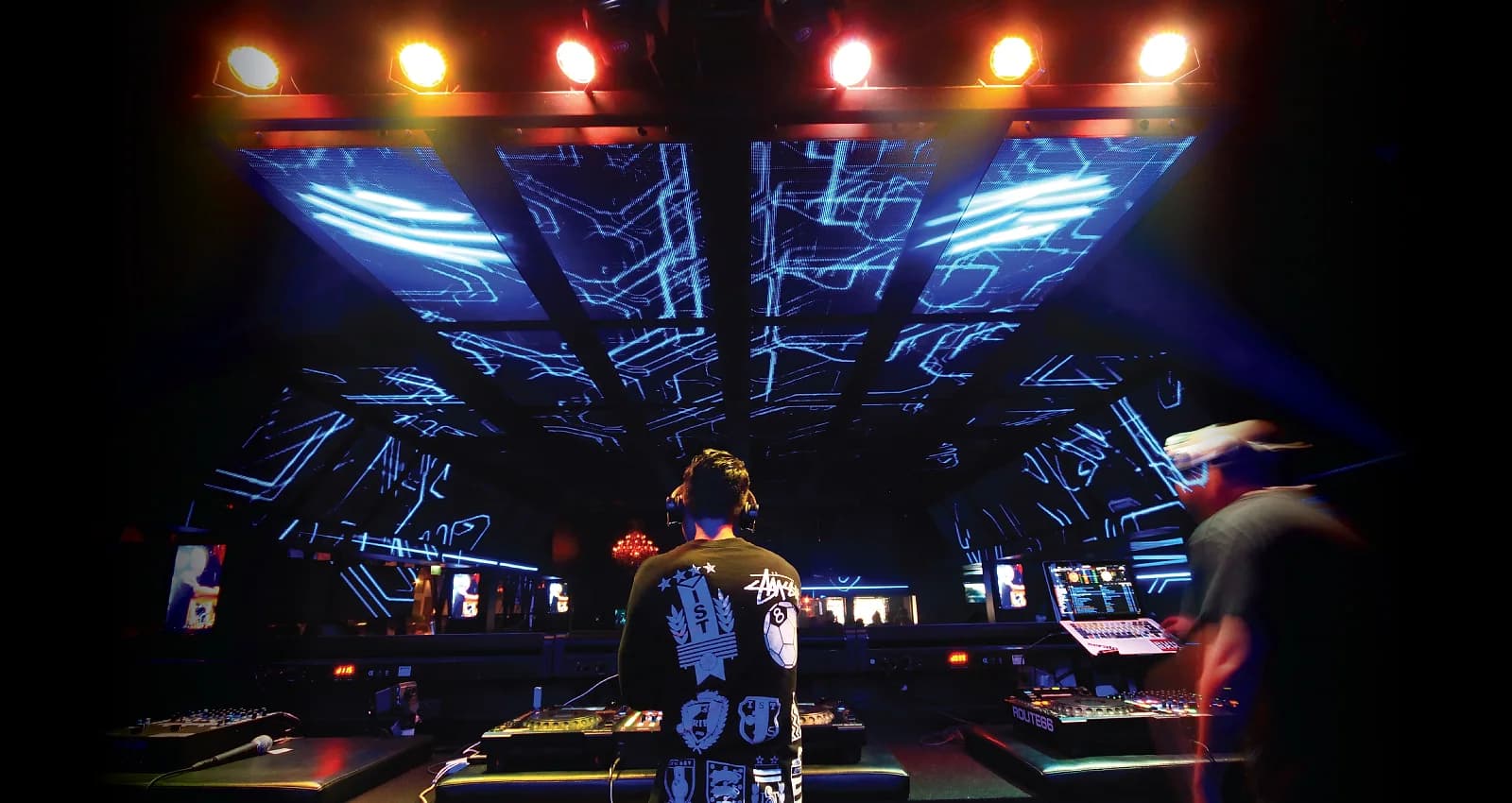
Cover photo: Route66 Bangkok, via the club's own Instagram.
FAQ
Do you need to fill in an arrival card before landing in Thailand?
Yes: the Thailand Digital Arrival Card has been mandatory since May 2025 for every non-Thai national arriving by air, land or sea. It is free and filled in online within three days of landing, only at tdac.immigration.go.th, since scam copies of the site charge a fee.
What is the legal drinking age in Thailand and do clubs check passports?
The legal drinking age is 20 regardless of what your home country allows. Most venues ask for a passport or a clear photo of one from anyone who looks under 25, which is house policy rather than national law, so carry ID anyway.
Is cannabis still legal for tourists in Thailand?
No: recreational use was re-criminalized on June 26, 2025, and cannabis flower is now a controlled herb that requires a doctor's prescription, with unauthorized possession or sale carrying up to a year in prison and a 20,000 baht fine. By January 2026, more than 7,000 of Thailand's roughly 18,000 dispensaries had shut down.
Read Next
Stay in the loop
Asian electronic music, weekly