
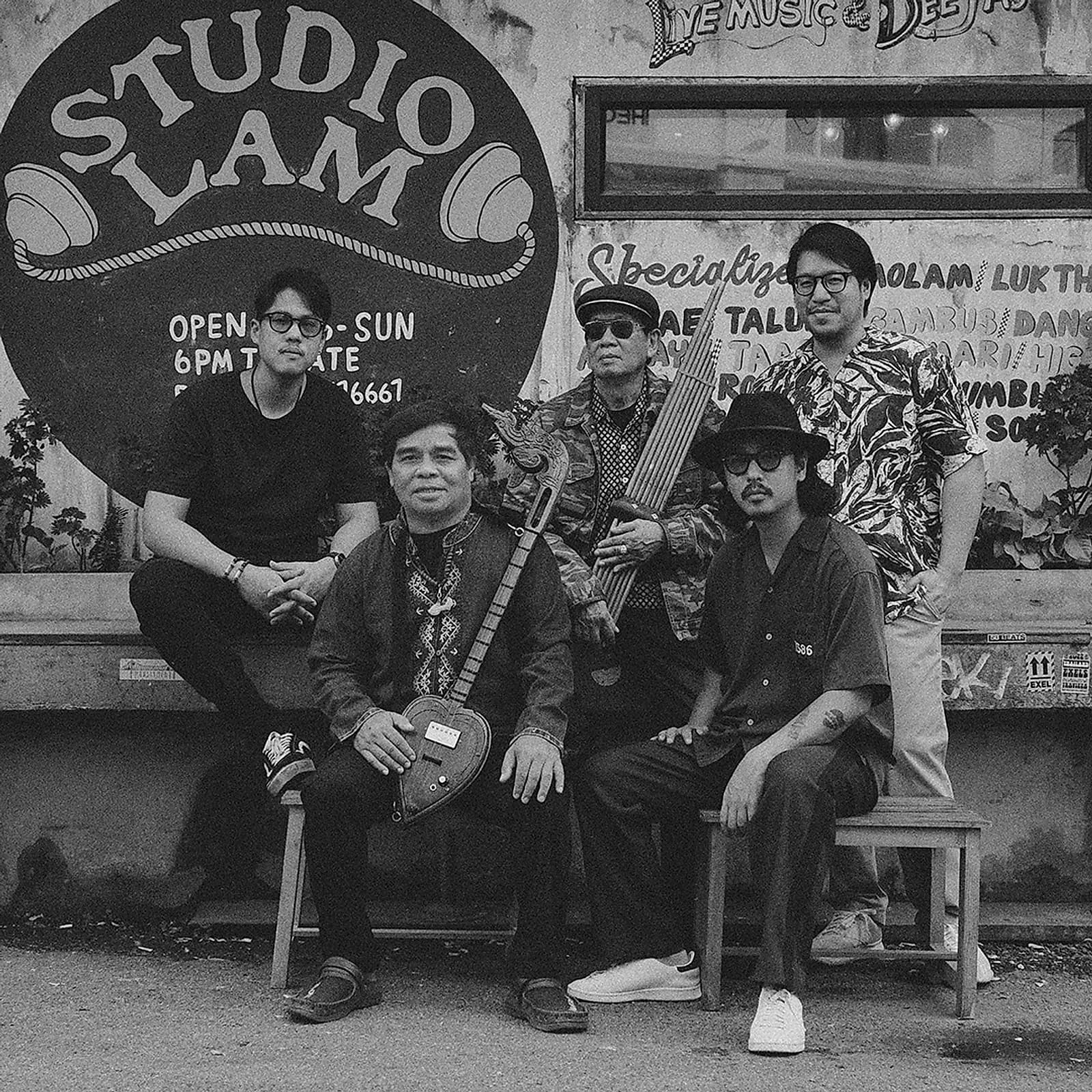
Studio Lam Closed This Year. Molam and Electronic Music in Thailand Didn't.
Molam is the storytelling folk music of Thailand's poorest region. For fifteen years Bangkok DJs have been splicing it onto dub, house and techno, and a venue closure this year hasn't slowed the movement down.
On February 28th, DJ Maft Sai locked the door of Studio Lam for the last time, closing a shophouse bar off Sukhumvit soi 51 that spent twelve years teaching Bangkok to dance to songs about rice farming and river spirits. "The landscape has changed, and so have I," he told fans, choosing, in his words, to close the chapter "with intention" rather than hold on. The venue is gone. The sound it championed, Thailand's northeastern molam tradition wired into dub, house and techno, is not. If anything, more people are trying to reinvent it right now than at any point since the whole idea started.
What Molam Actually Is
Molam translates roughly as "an expert at telling stories through music." It comes from Isaan, Thailand's northeast, a region that borders Laos, speaks its own dialect, and has historically been the country's poorest and most looked-down-on corner from a Bangkok office window. The music runs on two instruments: the khaen, a tall bamboo mouth organ that drones and pumps like a folk accordion, and the phin, a three-string lute plucked fast enough to blur. Over that, a singer half-chants, half-improvises verses about love, hardship or gossip, built to keep a crowd moving through an all-night village festival or merit-making ceremony. It is dance music. It was just never treated like it outside Isaan.
How a Bangkok Record Shop Started the Revival
The crossover starts with a record shop, not a studio. In 2008, Maft Sai and British DJ Chris Menist began digging through secondhand molam and luk thung vinyl for a label they called Zudrangma Records, named after the shop they opened on Sukhumvit soi 51. Their compilation Sound of Siam, released on the UK label Soundway, put Thai folk and funk 45s in front of record collectors who had never heard of Isaan and gave the whole project an international audience it wouldn't otherwise have found. A year after the shop opened, the pair launched a DJ night called Paradise Bangkok to play that record collection out loud. By 2012, Paradise Bangkok stopped being just a DJ set and became a live band: six musicians, among them veteran khaen and phin players Kammao Perdtanon and Sawai Kaewsombat alongside Menist and Maft Sai, folding molam into blues, dub and folk rock as The Paradise Bangkok Molam International Band.
From Sukhumvit to Glastonbury
The band's records, 21st Century Molam (2014), Planet Lam (2016) and Araya Lam (2023, all on Zudrangma), turned into festival bookings most Thai acts never get near: Glastonbury, Field Day and Off Festival in Poland, Festival Mundial in the Netherlands. After Field Day in 2016 they filmed a set for Boiler Room, khaen drone and phin runs over a dub bassline, that is still the clearest ten minutes of tape explaining what this whole crossover sounds like. Their music later turned up in HBO's The White Lotus, which tells you how far a decade of digging through secondhand Isaan vinyl travelled. Maft Sai opened Studio Lam in 2014, next door to the record shop, as a home base for all of it: a small room that hosted Prince Fatty, DJ Krush, Kirk Degiorgio and Awesome Tapes From Africa alongside molam and luk thung nights, and that ran for twelve years before he chose to close it in February.
The Second Wave Isn't Asking Bangkok's Permission
What's happening now is less centralised, and that's the more interesting part. Some of it is happening in Isaan itself: singer Rasmee Wayrana relocated to Khon Kaen, the region's de facto capital, and started folding molam phrasing into jazz rather than importing outside sounds in. The rest is a scattered set of Bangkok-based producers who treat molam as raw material rather than heritage to be preserved intact. Tawmayui, the project of Plern Vern, pairs a khaen melody with slowed-down dub techno, glassy pads and reverb-soaked percussion. Sounds Of Future Siam records traditional Isaan musicians directly and folds those recordings into UK dubstep, breaks and experimental club production. Dr Lum works molam grooves into straightforwardly contemporary electronic beats. Meltmode has gone the other way entirely, building a strain some are calling "Thai house" out of groovy disco and house with Thai cultural references rather than folk sampling. None of it is coming out on major labels: look for Siamese Twins Records and Pissawong Records, two small Bangkok imprints carrying most of this work, on Bandcamp.
The most honest account of why any of this reaches a wider audience at all comes from Maarten Goetheer, a Dutch DJ based in Bangkok who releases deliberately unquantized vinyl edits of old Isaan recordings as Poy-Sian Edits. He credits Sound of Siam, the same 2008 Zudrangma compilation, for surfacing the music in the first place, and describes the vocal cadence on some of these old sides as "almost Jamaican dancehall style toasting." He leaves the edits unquantized on purpose. "It is a little bit more work to put together," he's said of the process, "but this way you can keep that raw essence."
Where to Actually Hear It
Studio Lam's closure doesn't erase the trail. Zudrangma Records the shop is still open on Sukhumvit soi 51, and still the fastest way to hear original Isaan 45s rather than someone's version of them, and one stop on a wider Southeast Asian vinyl crawl worth knowing about. Everything from Tawmayui, Sounds Of Future Siam, Dr Lum and Poy-Sian Edits streams on Bandcamp and SoundCloud, most of it as free or name-your-price downloads, which is unusual generosity for music this specific. If you're chasing the live version, watch listings for Zudrangma-adjacent bookings rather than a fixed venue now that Studio Lam is gone; Bangkok's listening bar scene has absorbed some of the crate-digging culture Studio Lam represented, even where the programming isn't strictly molam.
This isn't a uniquely Thai story, either. Vietnam has spent the last few years watching its own homegrown dance sound, vinahouse, go from karaoke-bar filler to something DJs outside the country take seriously. Molam's path runs longer and started earlier, but the shape is the same: a regional sound gets dug up, reworked and exported on its own terms instead of copying whatever Berlin or London is doing that year. Studio Lam's last night was one chapter of that closing. The genre it helped make audible outside Isaan is nowhere near finished.
Cover photo: The Paradise Bangkok Molam International Band outside Studio Lam, via the band's official press materials, Zudrangma Records.
Read Next

Stay in the loop
Asian electronic music, weekly