
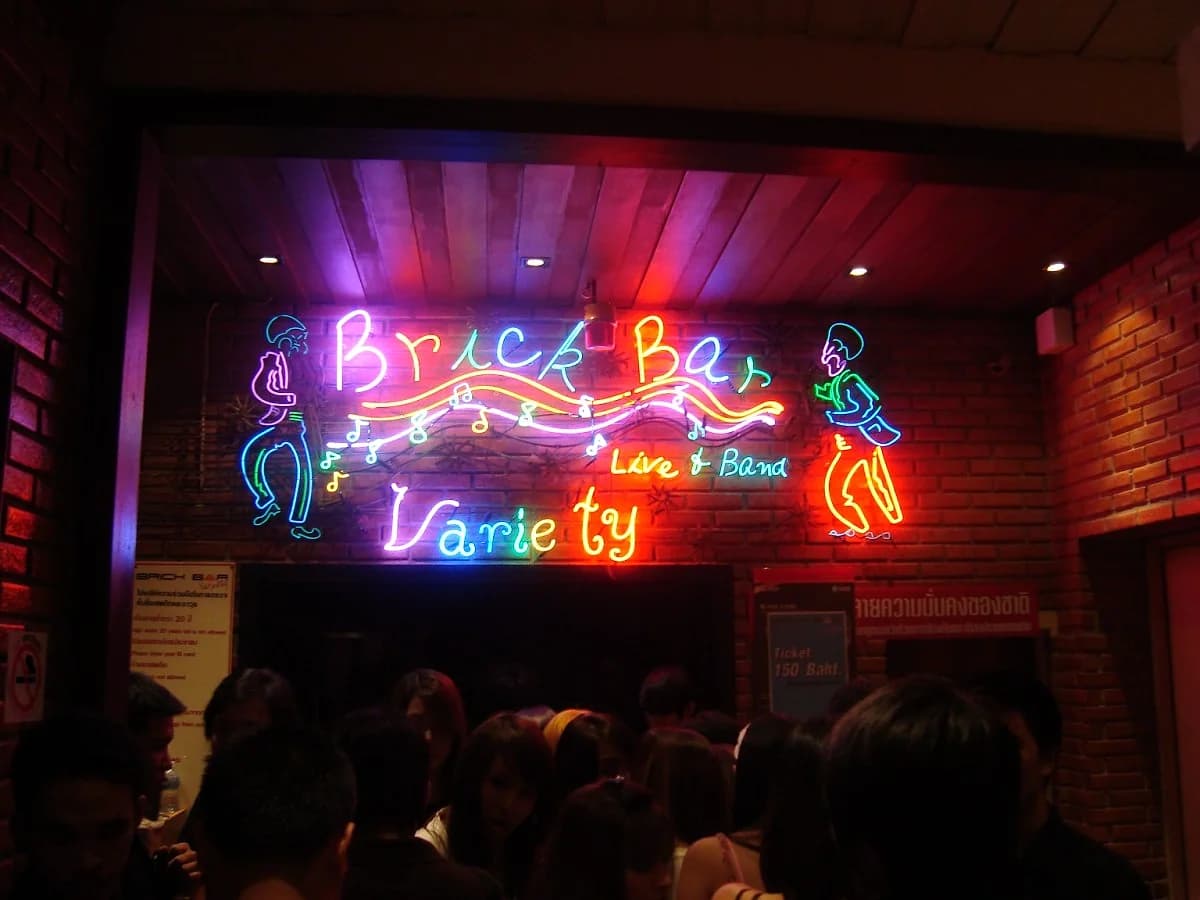
Thailand Scrapped Its Decades-Old Afternoon Alcohol Ban: What You Can (and Can't) Legally Drink Across Southeast Asia
For decades, 7-Eleven clerks across Thailand covered the beer fridge every afternoon at 2pm. That law is gone now. Here is what still applies, country by country, if you're planning a night out anywhere in Southeast Asia.
For decades, convenience store clerks across Thailand covered the beer fridge and put up a sign every afternoon at 2pm, then uncovered it at 5. On 29 May 2026, that ritual stopped for good.
The Alcoholic Beverage Control Committee's notice, published in the Royal Gazette the day before, made permanent what had started as a six-month trial the previous December: continuous alcohol sales from 11am to midnight, with no afternoon gap. The old rule wasn't just a convenience-store quirk. According to Deputy Prime Minister Sophon Saram, it dated back to an era when officials worried government employees would sneak out to drink during office hours, and it applied broadly: liquor stores, bars and restaurants were all barred from selling alcohol between 2pm and 5pm, every day, nationwide. "In the past, there were concerns that government employees would sneak out to drink," Sophon said when the trial began. "It's a different time now."
It's a genuinely big change, and a reminder that Southeast Asia has no single rulebook for alcohol. Every country sets its own hours, its own exemptions and its own penalties, and some have nothing to do with the clock at all.
Thailand: One Law Down, a Separate One Still Governs Closing Time
Don't confuse the sale-hours law with the one that decides when a club has to kick you out. Sale hours (now 11am to midnight nationwide) and a venue's closing time are governed by different laws entirely, and Bangkok's entertainment districts still run on their own licensing calendar, which we've mapped out separately. The practical change is simpler: a bar, restaurant or 7-Eleven that used to stop selling at 2pm can now keep pouring through the afternoon, which matters more to a Songkran crowd than to anyone already out at 11pm.
Singapore: The Bar Stays Open, the Sidewalk Doesn't
Singapore took the opposite approach: instead of touching sale hours in licensed venues, it drew a hard line around public drinking. The Liquor Control (Supply and Consumption) Act, in force since 1 April 2015, bans drinking in all public places, and take-away retail sales, nationwide from 10.30pm to 7am every day. Inside a bar, club or restaurant, none of this applies: order a drink at Zouk at 2am and you're fine. Walk out onto the street with one after 10.30, and you're risking a fine of up to S$1,000 for a first offence, rising to S$2,000 and up to three months in jail for repeat violations.
Two neighbourhoods, Geylang and Little India, are designated Liquor Control Zones with an even tighter leash: take-away sales there cut off at 7pm on Saturdays, Sundays, public holidays and the eves of public holidays, rather than 10.30pm. Notably, Friday night isn't included in the stricter rule, just the weekend proper.
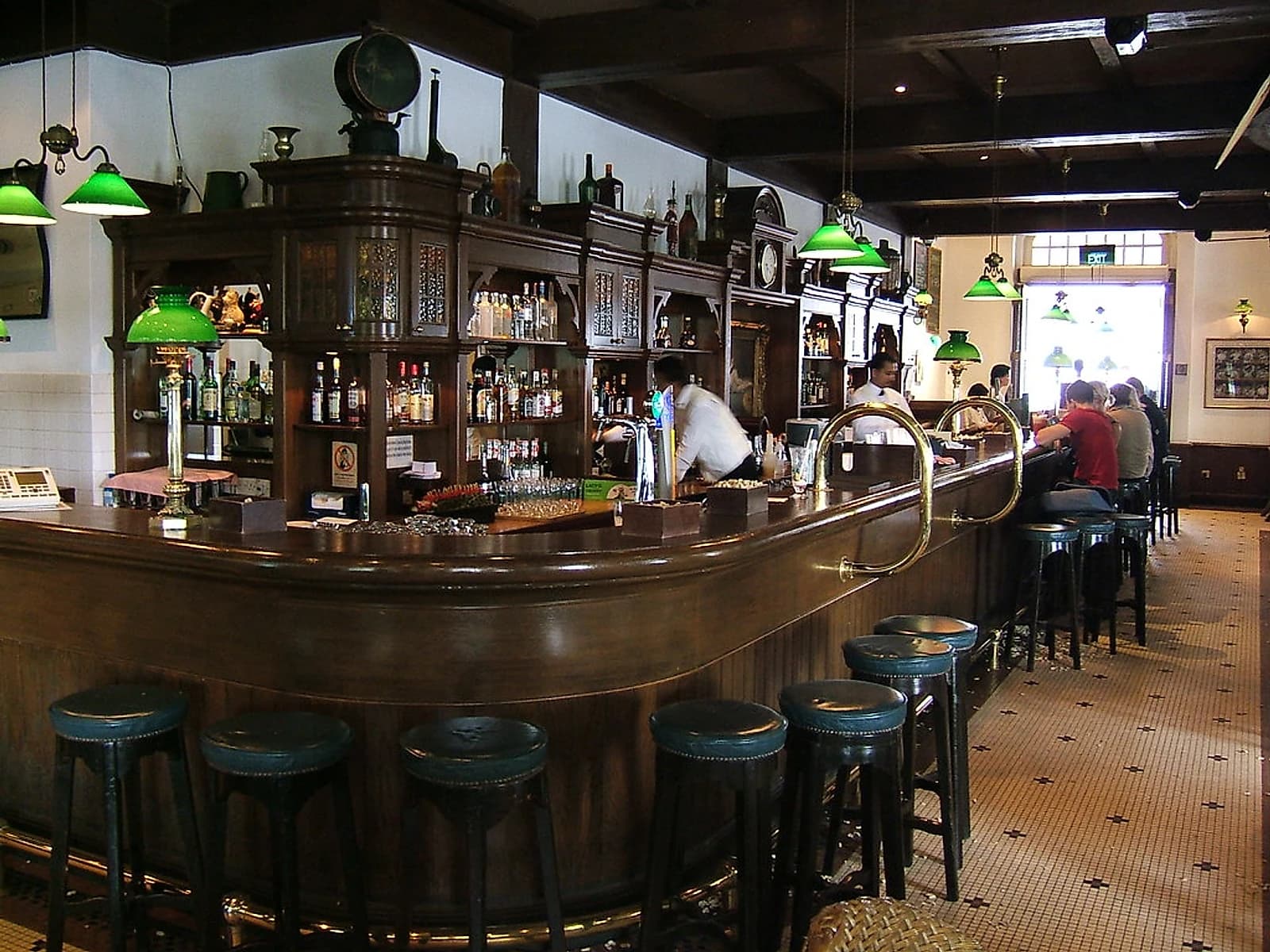
Malaysia: It Depends Which State You're In
Malaysia has no nationwide alcohol ban, but it isn't one country for drinking purposes either. Kelantan and Terengganu, both governed by the Islamic party PAS, apply the strictest rules in the federation: fewer licensed outlets, higher prices, tighter enforcement. Crucially, those restrictions target Muslims, not non-Muslims. PAS leadership has said repeatedly that the party has never banned alcohol for non-Muslims in either state, and Chinese-run restaurants and grocery shops there continue to hold licenses and sell to non-Muslim customers. Everywhere else in the country, sale and service runs on ordinary business hours. We've covered how clubbing itself changes during Ramadan in Malaysia and Indonesia separately, a calendar-based version of the same idea: the rule depends on where you are and when.
Indonesia and Bali: One Province Got an Exception, Nowhere Else Did
Indonesia's alcohol rules trace back to a single 2015 regulation that banned the sale of beer and other drinks between 1% and 5% ABV from minimarkets and small shops nationwide, with one carve-out: Bali, kept exempt because of its dependence on tourism. Supermarkets, hotels, restaurants, bars and clubs were never covered by the minimarket ban anywhere in the country, Bali included, so a Jakarta club or a Bandung bar can still serve you a beer exactly as it always could. What changed was whether you can grab one at the corner shop, and only Bali kept that right. The same 2015 push also raised import tax on alcohol to 150%, part of why imported spirits cost noticeably more in Indonesia than elsewhere in the region.
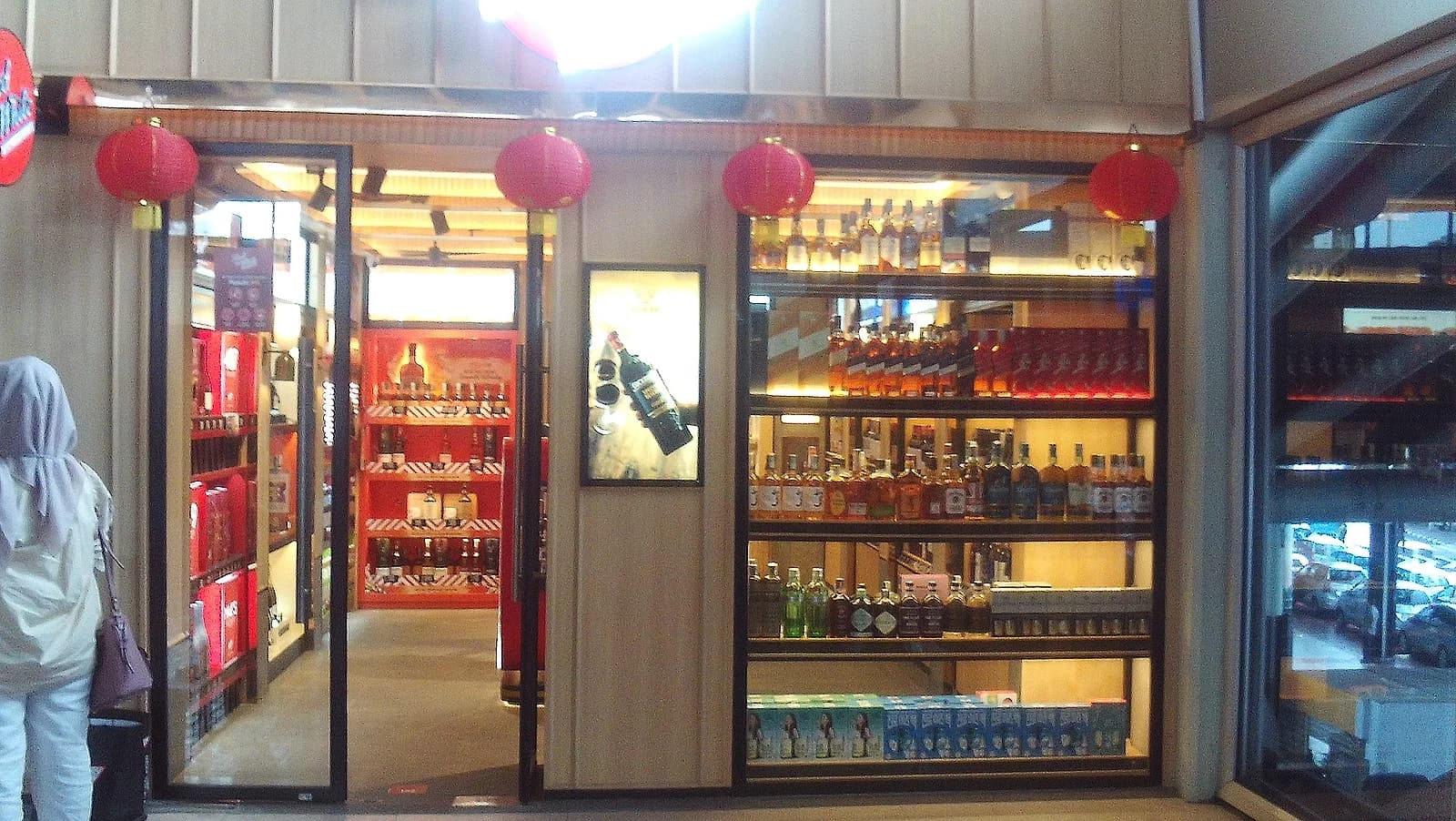
The Philippines: No National Rule, Just Whatever Your City Decided
The Philippines has no countrywide law governing when alcohol can be sold or served. Individual cities set their own ordinances, and they vary enormously. Davao City runs one of the strictest and most actively enforced: its Liquor Ban Ordinance prohibits selling alcohol anywhere in the city from 1am to 8am, full stop, and the city isn't shy about enforcing it. On 10 May 2026, inspectors from Davao's Vices Regulation Unit issued citation tickets to 86 people for violating the ban, 67 of them found inside a single bar on Mapa Street; violators face fines of ₱1,000 to ₱5,000, possible business-permit revocation, and up to a year in jail. Quezon City, by contrast, runs no permanent ban at all, just temporary, event-specific ones, like the citywide liquor ban from 12:01am to 6pm on 27 July 2026 to cover the President's State of the Nation Address. If you're planning a night out in an unfamiliar Philippine city, check local news first. The rule in Davao is nothing like the rule in Manila.
Vietnam: No Sale-Hours Law, But Don't Even Think About Driving
Vietnam is the outlier in a different direction: there's no national law restricting when alcohol can be sold or served. Bars and clubs set their own hours, governed more by local curfews and licensing than any alcohol-specific rule. Where Vietnam gets strict is afterward. Decree 100, in effect since 1 January 2020, imposes a blanket zero-tolerance ban on driving after drinking any amount, for every kind of vehicle. Car drivers over the legal threshold face fines of VND 30 to 40 million (roughly US$1,300 to $1,800) and lose their license for 22 to 24 months; motorbike riders, who make up most of the traffic in Hanoi and Ho Chi Minh City, face VND 6 to 8 million (roughly US$270 to $360) and the same suspension. Even cyclists can be fined up to VND 600,000. The law has reportedly pushed more drinkers toward Grab-bike rides home, which, if you've seen Hanoi traffic after dark, is probably for the best.
What This Actually Means for Your Night Out
Strip away the legal language and the practical advice is short. Thailand and Singapore are about the clock: buy freely in Thailand now, but don't carry a drink onto a Singapore sidewalk after 10.30pm. Malaysia and Indonesia are about geography, not time: Kelantan and Terengganu versus everywhere else, Bali versus every other province. The Philippines is about which city you happen to be in that night, full stop. And in Vietnam, the clock barely matters, but the ride home does: budget for a Grab, not a self-driven scooter, no matter how late the bar kept pouring.
FAQ
Can tourists drink alcohol in Thailand during the afternoon now?
Yes. Since 29 May 2026, shops, bars and restaurants can sell alcohol continuously from 11am to midnight nationwide. The old 2pm-5pm ban is gone.
What time do you have to stop drinking in public in Singapore?
Singapore bans drinking in public places, and take-away sales, from 10.30pm to 7am daily. It doesn't apply inside licensed bars, clubs or restaurants.
Can non-Muslims buy alcohol in Kelantan and Terengganu, Malaysia?
Yes. The stricter rules in those two PAS-governed states target Muslims. Non-Muslim-run shops and restaurants still hold licenses and sell to non-Muslim customers.
Why can Bali sell alcohol in minimarkets when the rest of Indonesia can't?
A 2015 regulation banned beer and other 1-5% ABV drinks from minimarkets nationwide, except in Bali, exempted because of its tourism economy. Supermarkets, bars and clubs were never covered by the ban anywhere.
Does Vietnam have a curfew on alcohol sales?
No. Vietnam has no national law on when alcohol can be sold. It does enforce one of the region's strictest drink-driving laws, Decree 100, a zero-tolerance ban on driving after any alcohol at all.
Cover photo: Globe-trotter, CC BY-SA 3.0, via Wikimedia Commons.
Read Next
How Southeast Asian Festivals Are Actually Different From European Ones
Illuzion, Savaya and Zouk Singapore Rewrote DJ Mag's Top 100 Clubs for 2026
Bangkok's Underground House Scene Explodes: Hard In Zight 3 Festival Brings Raw Hardstyle Energy to AVVE Bar in March 2026
Stay in the loop
Asian electronic music, weekly