Contact is a parking structure and ageHa is closed. A room-by-room, honest guide to where Tokyo's house and techno scene actually lives in 2026: WOMB, Vent, Circus Tokyo and Forestlimit.
Tokyo's most influential techno room isn't there anymore. Contact, the Dogenzaka basement that turned that stretch of Shibuya into a destination rather than just a hangover, closed for good on September 17, 2022, torn down for a redevelopment project that's still reshaping the block. AgeHa, the superclub with its own pool-side terrace, had already closed that January 30. If your Tokyo clubbing plans are built on an old blog post, you're about to go looking for two clubs that don't exist anymore. Here's what's actually running the floors now.
WOMB, Shibuya: Still the Room Everyone Means When They Say "Tokyo Club"
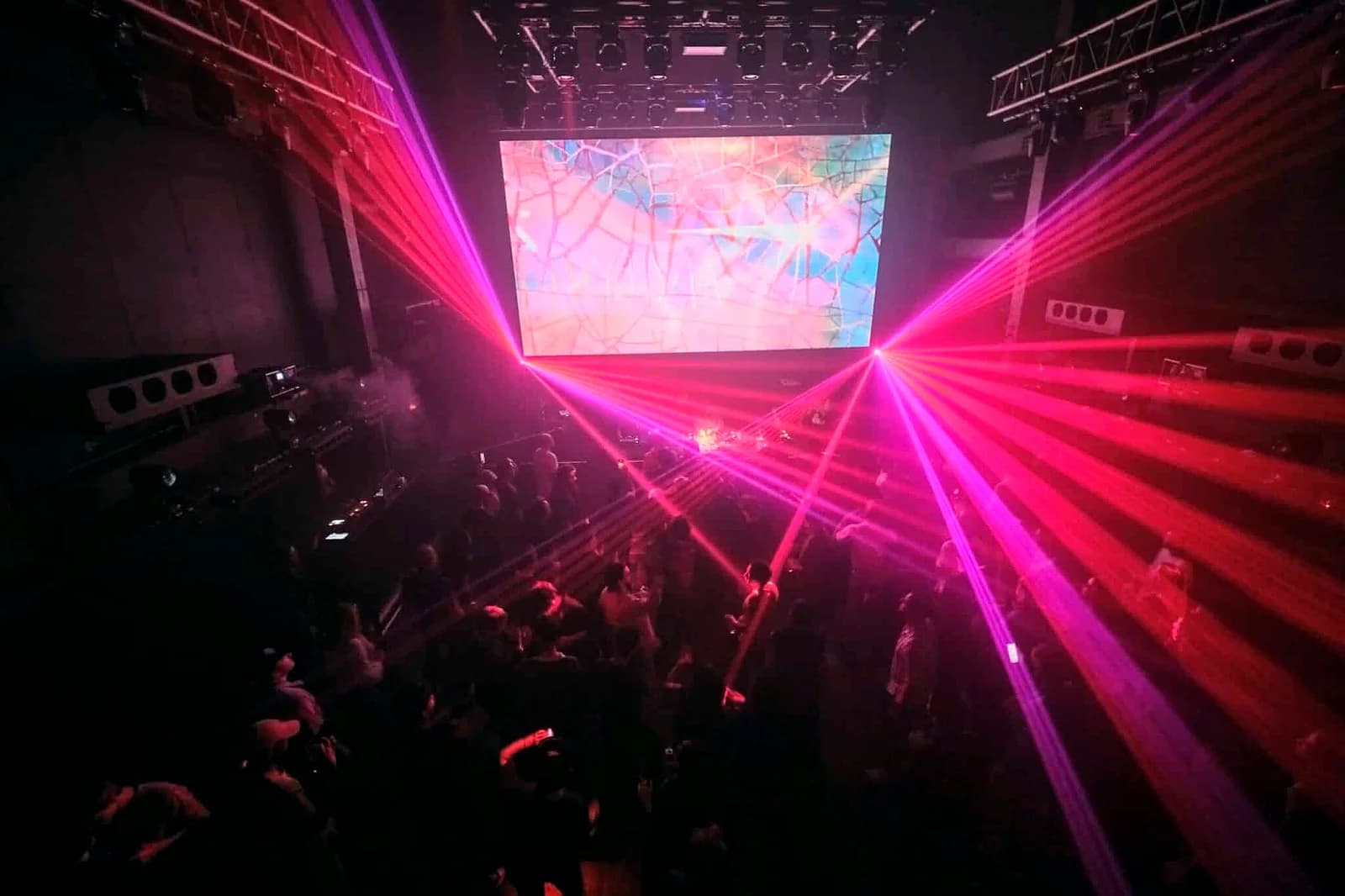
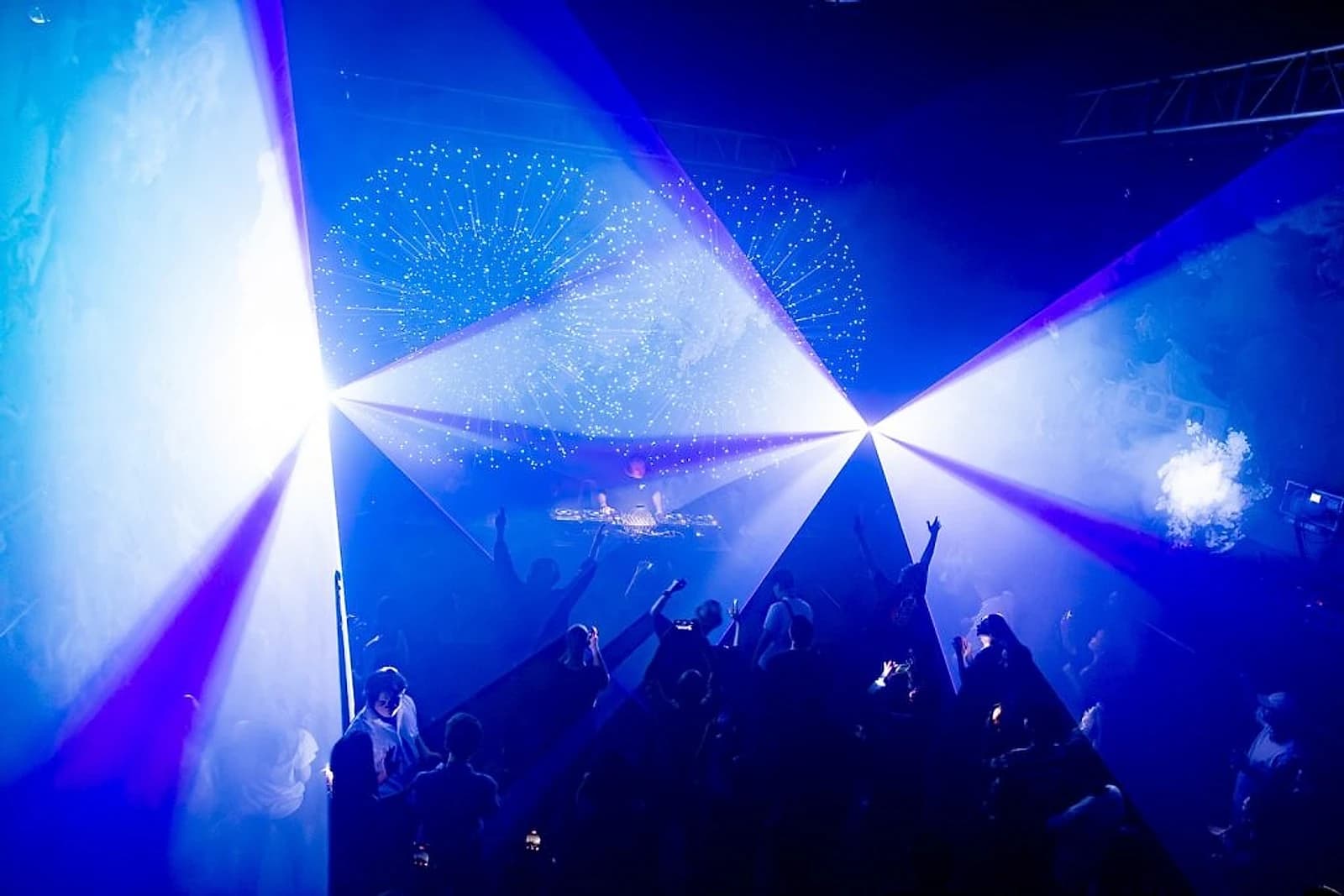
WOMB has been open since 2000 at 2-16 Maruyama-cho in Shibuya, spread across four floors. The room is built as an open atrium rising through the second, third and fourth floors, with the third-floor Premium Lounge overlooking the main floor instead of sitting apart from it. The sound system is sourced from New York, and standard event hours run 23:00 to 4:30. It still draws internationally touring artists onto the same bills as the artists driving Tokyo's local scene, and the room's own New York-sourced sound system and immersive LED visuals do the rest.
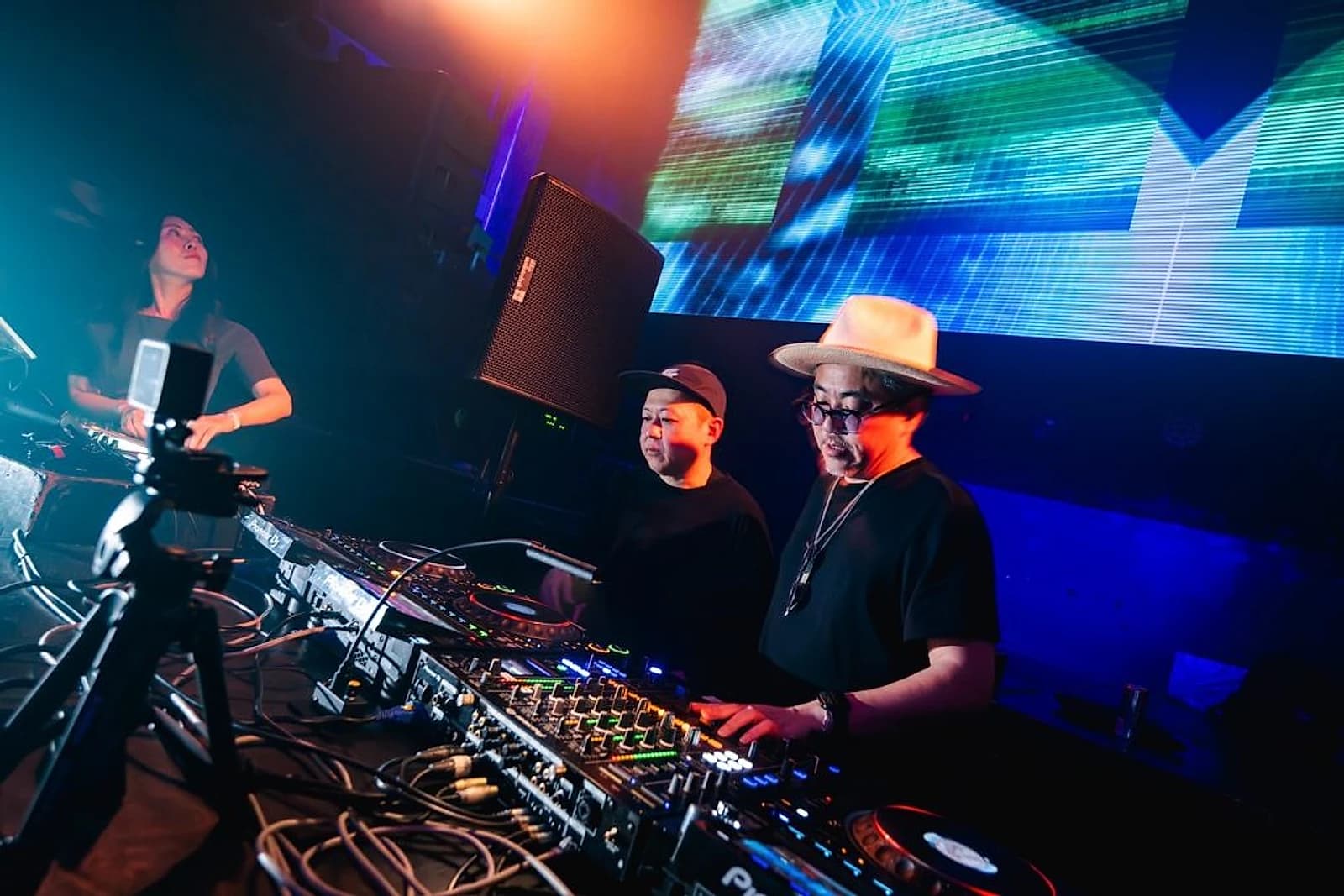
WOMB checks ID at the door and won't admit anyone under 20, which is standard for Japan but worth knowing if you're used to 18-plus doors elsewhere.
Vent, Minami-Aoyama: A Tree Grows in the Middle of the Dancefloor
Vent sits in the basement of the Festa Omotesando building. The club built its own sound system, an aluminum honeycomb flat-drive design the venue itself calls a one-of-a-kind system tuned to the room's own acoustics.
Circus Tokyo, Shibuya: Dinner First, Then the Basement
Circus Tokyo, at 3-26-16 Shibuya, splits across two floors: a bar lounge on the ground floor, and the main room, the actual dance floor, in the basement. The basement runs house, techno and progressive. Doors are usually Friday and Saturday from 23:00, sometimes other nights, sometimes daytime parties on weekends, and the dress code leans casual. After 22:00, it's 20-plus at the door. Circus's own promotional material is almost entirely illustrated event key art rather than photography of the room itself, so there's no venue photo to run here, worth knowing before you show up expecting the intimate basement of the marketing.
Forestlimit, Hatagaya: The Basement That Never Got the Memo
Drop down from the superclub scale of WOMB to Forestlimit, a small basement venue in the KODA building in Hatagaya that's been running since March 2010. The room is small, and the booking is genuinely unpredictable: art shows, dance parties and left-of-centre music gigs rotate through. Entry runs anywhere from 2,000 to 3,000 yen depending on the night. If WOMB is the room you take a visiting friend to, Forestlimit is the room you go to alone, on a Thursday, because you heard the lineup and it sounded interesting.
If You Go
Tokyo's trains stop running around midnight to 1am and don't restart until roughly 5am, so a night out here means one of three plans: leave before the last train, taxi home, or stay until first train, which is the default plan for anyone actually serious about a Tokyo club night. Japan's legal drinking age is 20, and it's worth carrying ID that proves it. Advance tickets for smaller nights typically show up on the venue's own site or on Peatix, the platform most Tokyo promoters default to for anything under club scale.
What's Not on This List
ATOM in Shibuya is a real, large nightclub, with one dancefloor focused on mainstream trance or house and another on R&B and hip hop, rather than the underground house and techno this guide covers, so it's left off the list. This list also stays inside Tokyo proper: Osaka's club scene, built around rooms like Circus Osaka and Joule, is a separate guide waiting to happen, and shares a name with Circus Tokyo by coincidence, not affiliation. If you're chasing a specific artist or one-off event rather than a resident room, check listings on Resident Advisor's Tokyo guide closer to your dates, since the city's calendar moves in one-off bookings more than fixed weekly nights.
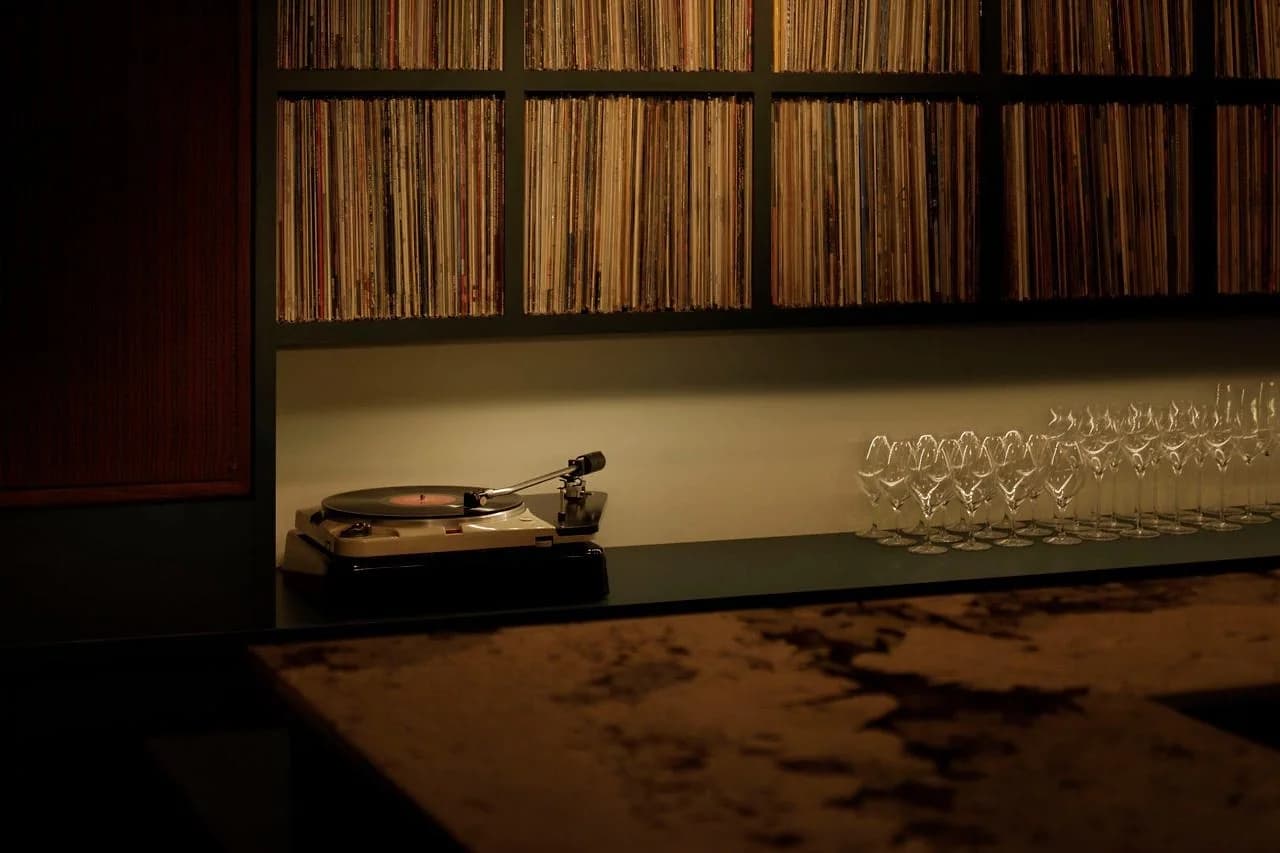
For more of the city after the club closes, Loopliner has already covered Tokyo's best listening bars and record bars, and the story of Technics sending Yousuke Yukimatsu up Tokyo Tower for the SL-1200's 55th anniversary is as good a snapshot as any of how seriously this city still takes its turntables.
Cover photo and WOMB DJ booth photo: WOMB Tokyo.
FAQ
Are Contact and AgeHa still open in Tokyo?
No: Contact, the Dogenzaka basement, closed for good on September 17, 2022, and AgeHa had already closed that January 30. Plans built on an old blog post will send you to two clubs that no longer exist.
What is the minimum age for Tokyo clubs?
Japan's legal drinking age is 20, and it's worth carrying ID that proves it. WOMB, for example, will not admit anyone under 20.
How do you get home after clubbing in Tokyo?
Trains stop around midnight to 1am and do not restart until roughly 5am, so either leave before the last train, take a taxi, or stay until first train. Staying until first train is the default plan for anyone serious about a Tokyo club night.
Next nights in Tokyo
- Thu 3 Dec TokyoDVBBSV2 Tokyo
- Fri 4 Dec TokyoHVEN Presents: Soichi TeradaHVEN
- Fri 4 Dec TokyoWicked 5th Anniversary with Red Axes (4-Hour Set)WOMB
- Fri 4 Dec TokyoMarlon HoffstadtZEROTOKYO
- Sat 5 Dec TokyowOrld Connection: Dimitri From ParisDJ Bar Bridge Shinjuku