
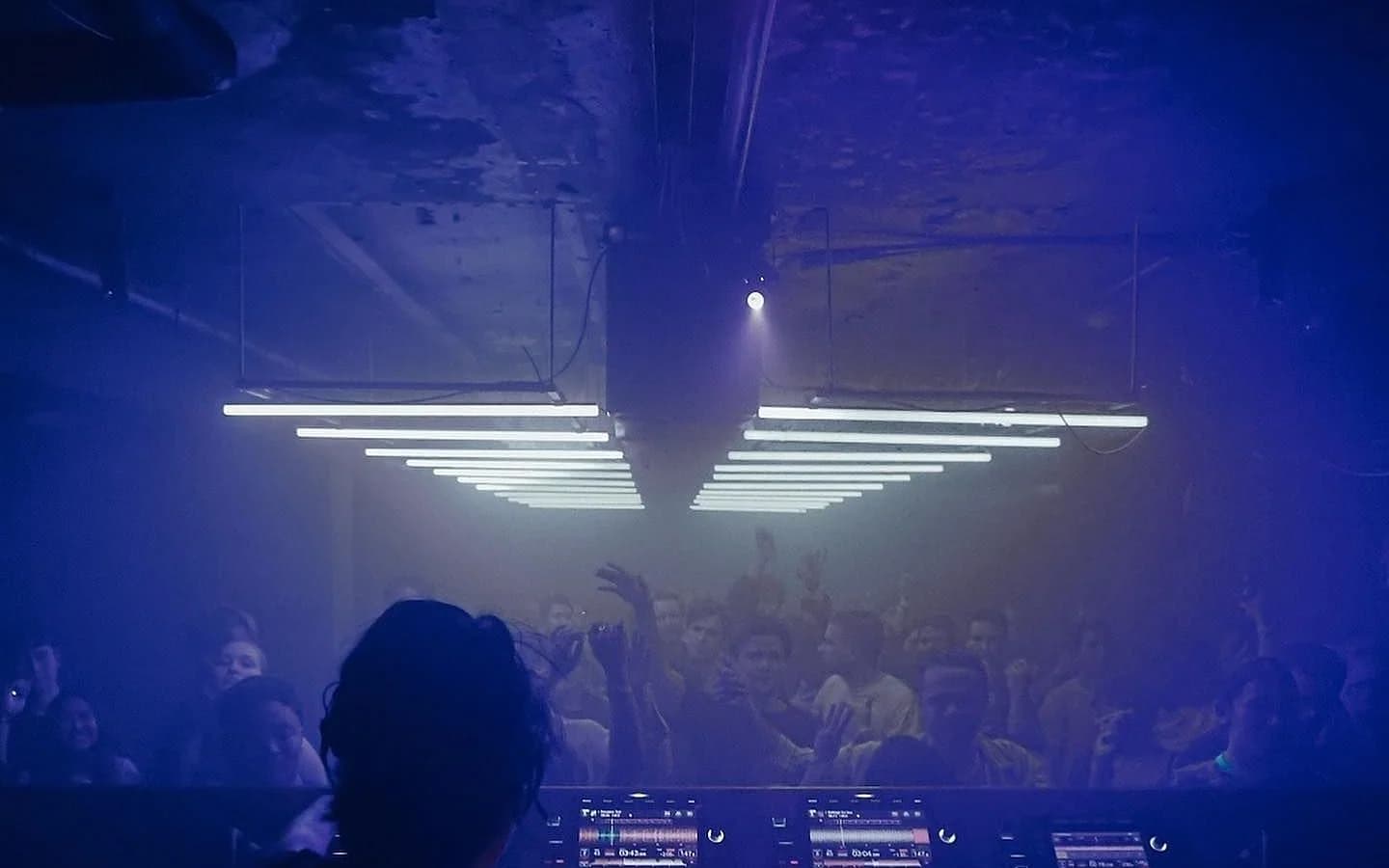
The Best Techno and House Clubs in Seoul, South Korea
Cakeshop, Faust, Soap and Vurt: what's actually good in Seoul's techno and house scene right now, what it costs, and how you get home after the last train.
Cakeshop's basement in Itaewon used to be an illegal strip club. Nobody at the door mentions that anymore, but it's the kind of detail that tells you more about Seoul's techno and house scene than any lineup poster could: this city's best rooms are almost never purpose-built. They're borrowed spaces below noraebangs, behind unmarked stairwells, three floors up from a barbecue restaurant. Finding them is half the work. This guide is the other half: what's actually good right now, what it costs, and how you get home once the trains have stopped.
Itaewon Is Still the Center of Gravity
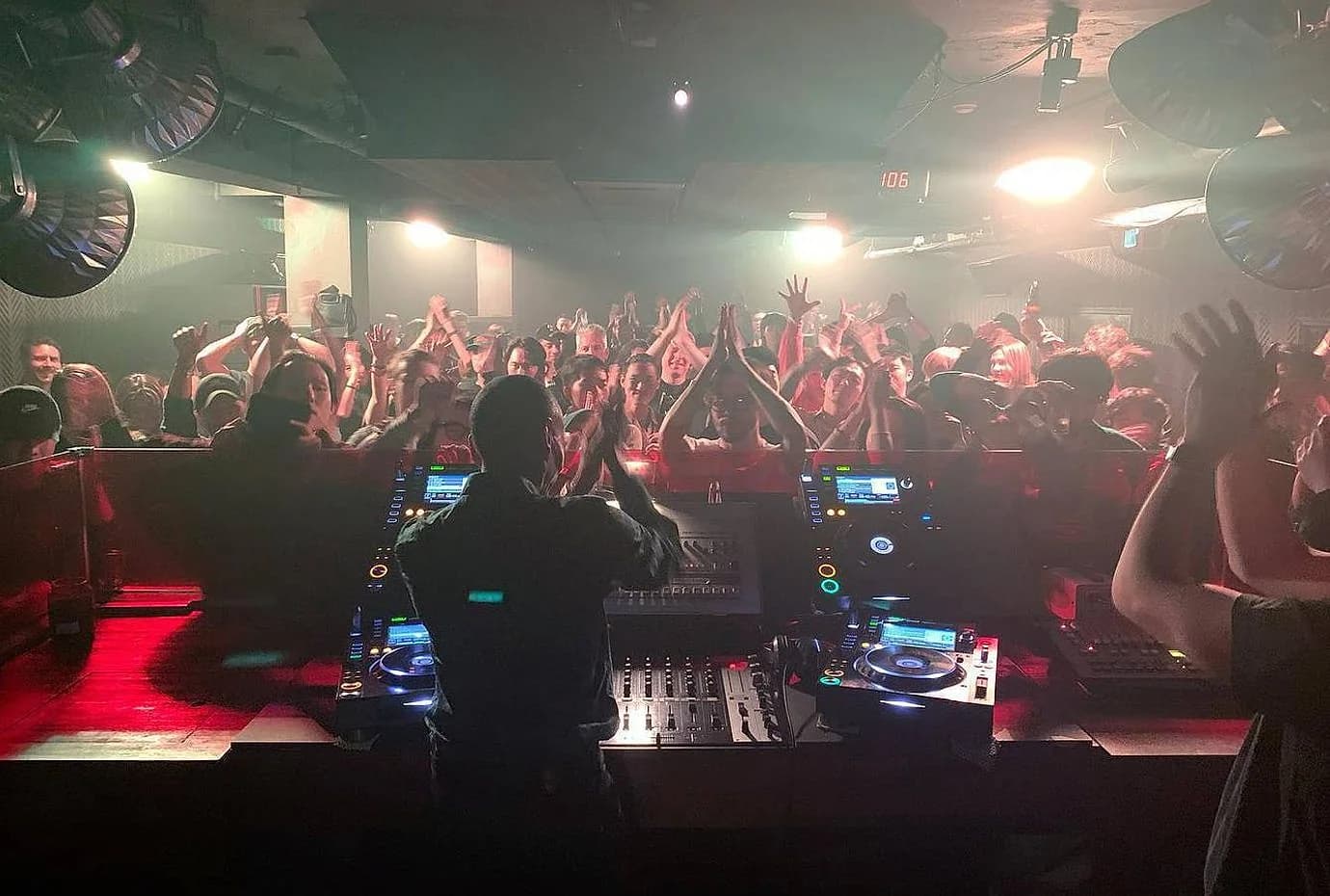
Most of what matters is still a five-minute walk from Itaewon Station, which is either convenient or a little claustrophobic depending on your mood, since it means the same few hundred meters of alley host the good rooms, the mediocre ones and the bars that exist purely to sell you a bucket of soju before you've decided where you're going. Cakeshop opened on 22 September 2012 and has run in the same basement, a former strip club, ever since. It doesn't commit to one genre, which is the point: sets here can move through twenty styles in a night, from house and techno to gqom, garage and reggaeton, and the door leans smart-casual rather than sneakers-and-a-t-shirt. It's open Friday to Sunday, 9pm to 4:30am, and by 1am the stairwell down to the booth is usually backed up with people waiting to get past whoever's stopped to talk halfway down. The team also runs Pistol, a quieter sister bar down the block for when the main room gets to be too much.

Faust, three floors up a stairwell at 126-31 Itaewon-dong, is the more serious room of the two. It's built around a Kirsch Audio system and a pair of vintage Urei 1620 mixers, the kind of gear people who actually care about mixers will bring up unprompted. Doors open around 11pm on Friday and Saturday, cover runs roughly 10,000 to 25,000 won depending on who's booked, and the two connected rooms keep house and techno separated enough that you can pick your night without committing to both.
A few minutes further into Itaewon, Soap has a stranger claim to fame: in November 2018 it became the first club anywhere in the world selected as an Apple Music curator, a status it leaned into by launching its own merch line the following year and its own label, Soap Records, in 2020. The room itself is smaller than that résumé suggests, and it doesn't try to hide it. It's still, at heart, a spot for people who take their record collections seriously enough to talk about them at the bar between sets.
What's Worth the Trip Out of Itaewon
Not everything good is a fifteen-minute walk from a convenience store, and it's worth remembering that Seoul's clubbing map doesn't end at Itaewon's borders. Hongdae, on the other side of the river, is cheaper and looser, built around university crowds and open-door bars rather than a handful of destination rooms. Gangnam runs on table service and bottle pricing that has little to do with what's playing. Itaewon is where the music leads; the other two districts, mostly, are not. Vurt, across the river in Mapo-gu's Hapjeong-dong, is built underneath a noraebang, enforces a genuine no-phones policy at the door, and has hosted Rrose, which tells you roughly where its programming sits. It's a smaller, more committed room than anything in Itaewon, tucked behind a stairwell with no sign, and the phone ban actually changes how a night there feels within about twenty minutes of walking in: nobody is filming, so nobody is performing for a camera either.
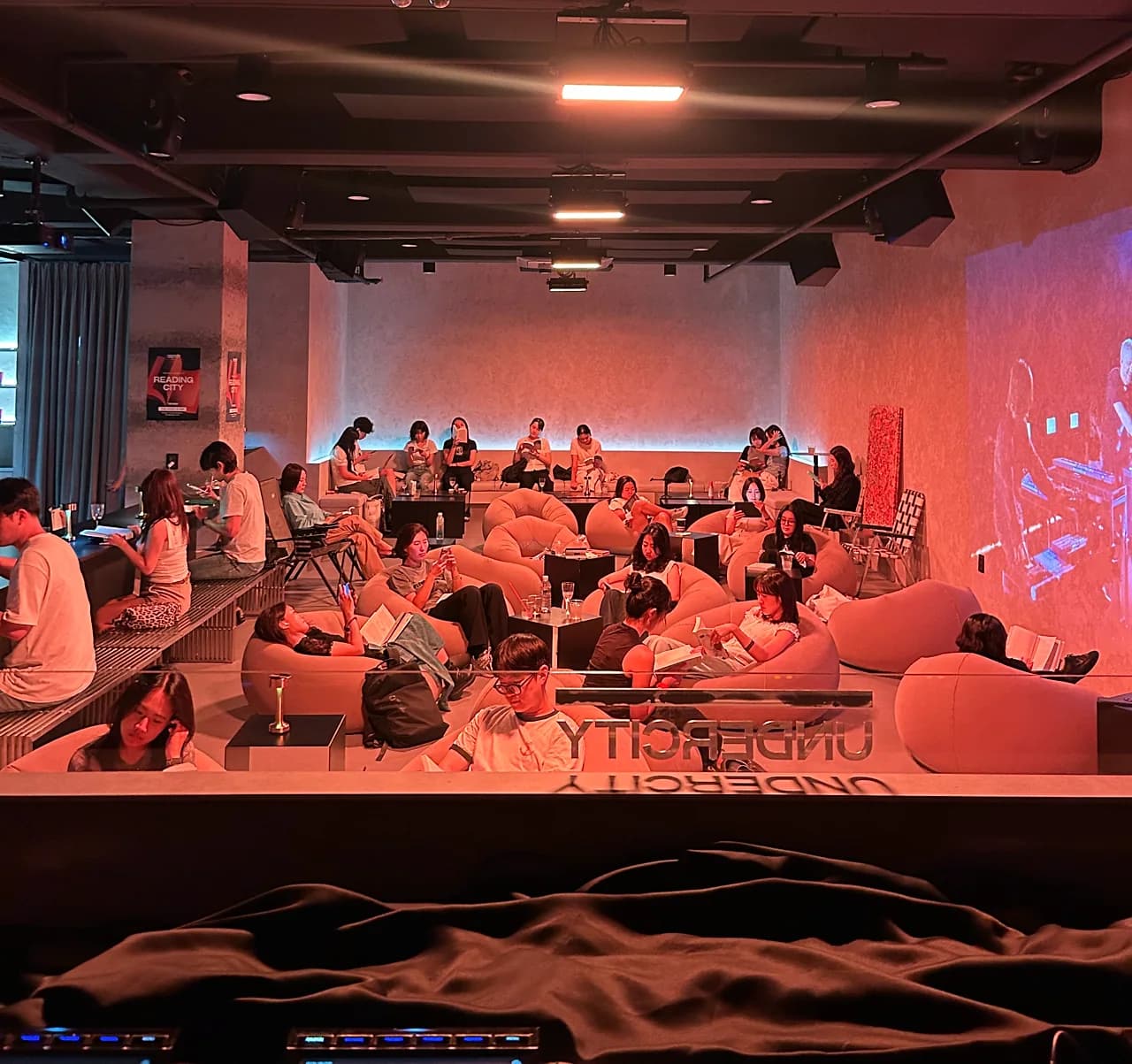
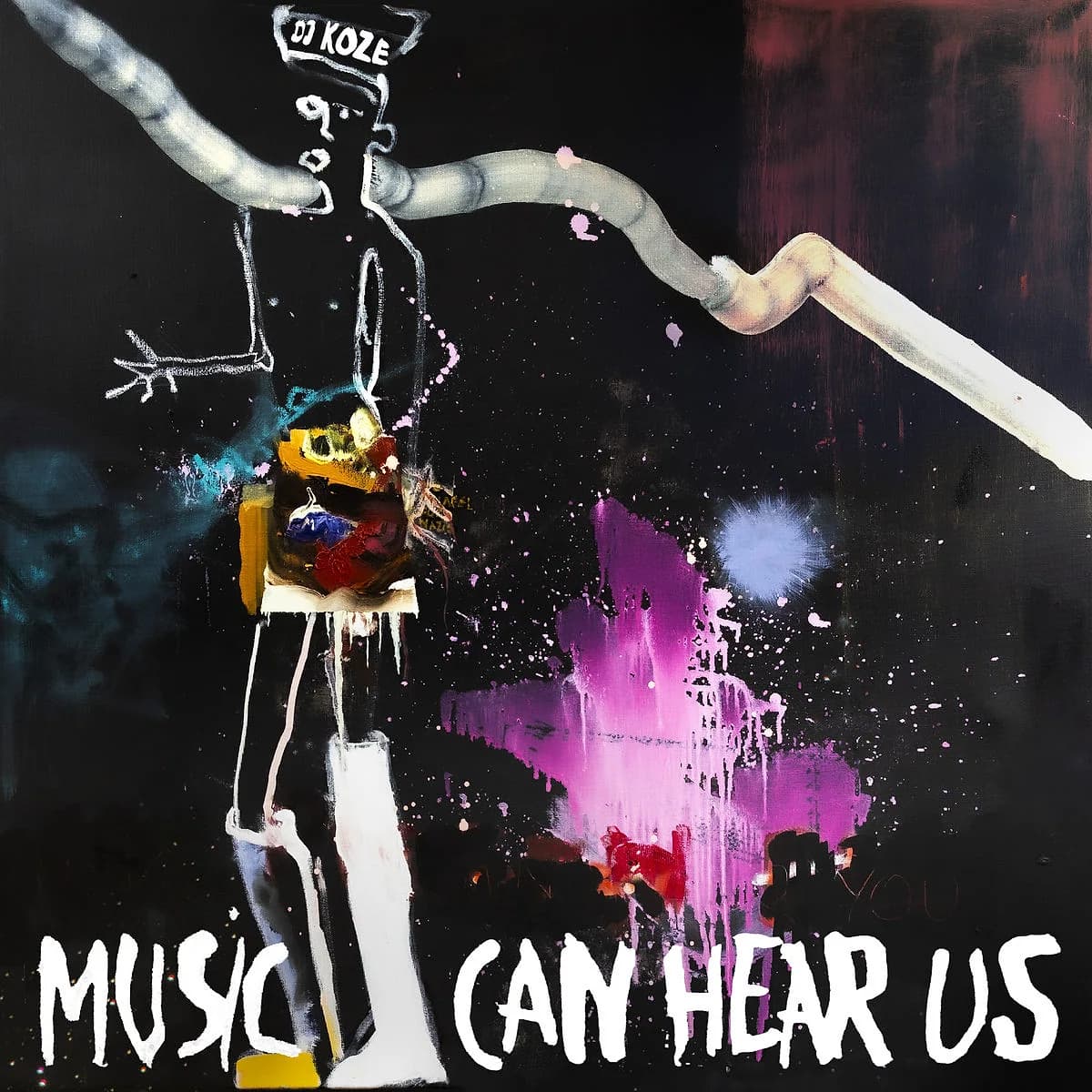
If you'd rather not dance at all, a Seoul techno club spends one Sunday a month as a six-hour reading room, which says something about how these rooms think of themselves as more than just a dancefloor with a bar attached. And if the programming here still feels narrower than you'd expect from a city this size, Idiotape's Dguru started a whole label for exactly the tracks Seoul's clubs won't play, which is its own kind of answer to the question.
What It Actually Costs, and How You Get Home
Cover charges across these rooms run roughly 10,000 to 25,000 won, about seven to eighteen US dollars, and climb when there's a touring headliner. That's before drinks, which in Itaewon cost about what you'd pay in any other capital's nightlife strip, so don't come expecting Seoul to be the bargain some guides promise.
The bigger planning problem is the subway. Seoul's last trains run until around 1am on weeknights but pull back closer to midnight on Saturdays, and the network doesn't start again until roughly 5:30am. That gap is the actual decision point of a night out here: either you're out the door before the trains stop, or you're budgeting for a taxi (KakaoT is the app everyone uses, not the international ride apps) or committing to seeing the room through to daylight. Most people who know these venues plan for the second option.
The Short Version
If you've only got one night, spend it at Faust. It's the most consistent of the four, the gear is genuinely good, and the crowd skews toward people who came for the mix rather than the photo. Cakeshop is the better call if you want something looser and less predictable, Soap if the story behind the booth interests you as much as what's coming out of it, and Vurt if you're willing to cross the river for a room that enforces its own rules more strictly than most cities' entire scenes.
Cover photo: courtesy of Faust, Seoul.
FAQ
Which Seoul club should you pick if you only have one night?
Faust, three floors up a stairwell at 126-31 Itaewon-dong: it is the most consistent of the four, built around a Kirsch Audio system and vintage Urei 1620 mixers, with doors around 11pm on Friday and Saturday. Cakeshop is the looser, less predictable alternative.
How much do Seoul's techno clubs charge at the door?
Cover charges run roughly 10,000 to 25,000 won, about seven to eighteen US dollars, and climb when there is a touring headliner. Drinks in Itaewon cost about what you would pay in any other capital's nightlife strip.
How do you get home after the Seoul subway stops?
Last trains run until around 1am on weeknights but closer to midnight on Saturdays, and the network does not restart until roughly 5:30am. Either leave before the trains stop, take a taxi through the KakaoT app, or stay until daylight.
Read Next
Stay in the loop
Asian electronic music, weekly