
The Philippines' Electronic Music Scene, Explained: Budots, Manila's Underground and What Comes Next
Budots came from the streets of Davao and went viral on Boiler Room. Manila's DIY underground keeps losing venues and rebuilding anyway. And a scattered new generation is getting picked up abroad with nothing connecting them but a passport.
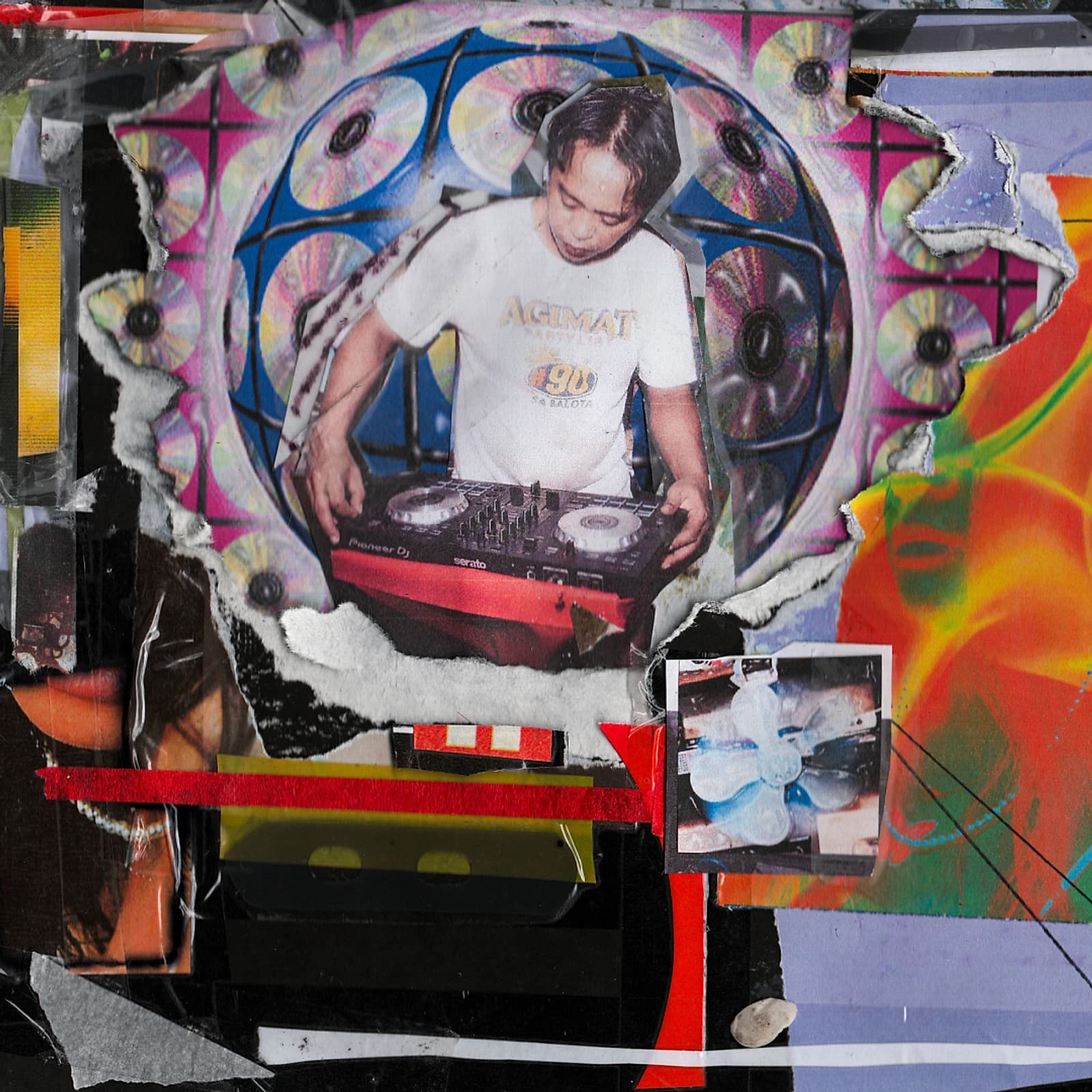
In 2009, in a computer rental shop on Camus Street in Davao City, an internet cafe manager named Sherwin Calumpang Tuna started layering air-horn samples and Visayan pop hooks over a thudding four-on-the-floor kick and uploading the results to YouTube. He went by DJ Love. He had no way of knowing it, but he'd just made the only genre of electronic music the rest of the world can point to and say, unmistakably, that's Filipino.
That's the trouble with writing about "the Philippines' electronic music scene" as if it's one thing. It isn't. It's at least three scenes that rarely share a bill: a street-born dance genre that Manila spent a decade looking down on, a DIY club underground that keeps losing its venues and rebuilding anyway, and a scattered new generation getting picked up by labels and festivals abroad with almost nothing connecting them except the passport. Here's what each of those actually looks like.
Budots: The Sound Manila Didn't Choose
Budots is built for outdoors: a 140bpm four-on-the-floor pattern, off-beat basslines, distorted vocal chops, and a piercing whistle hook locals call "tiw tiw," all wrapped around field recordings of the city itself. It travelled the way a lot of Filipino pop culture travels, street to Facebook to YouTube, with the Davao dance crew Camusboyz turning the moves into a viral phenomenon in the early 2010s. For years, the reaction from Manila's more polished club circuit was condescension, the international press has literally run headlines noting budots was once written off as "dance for the slums."
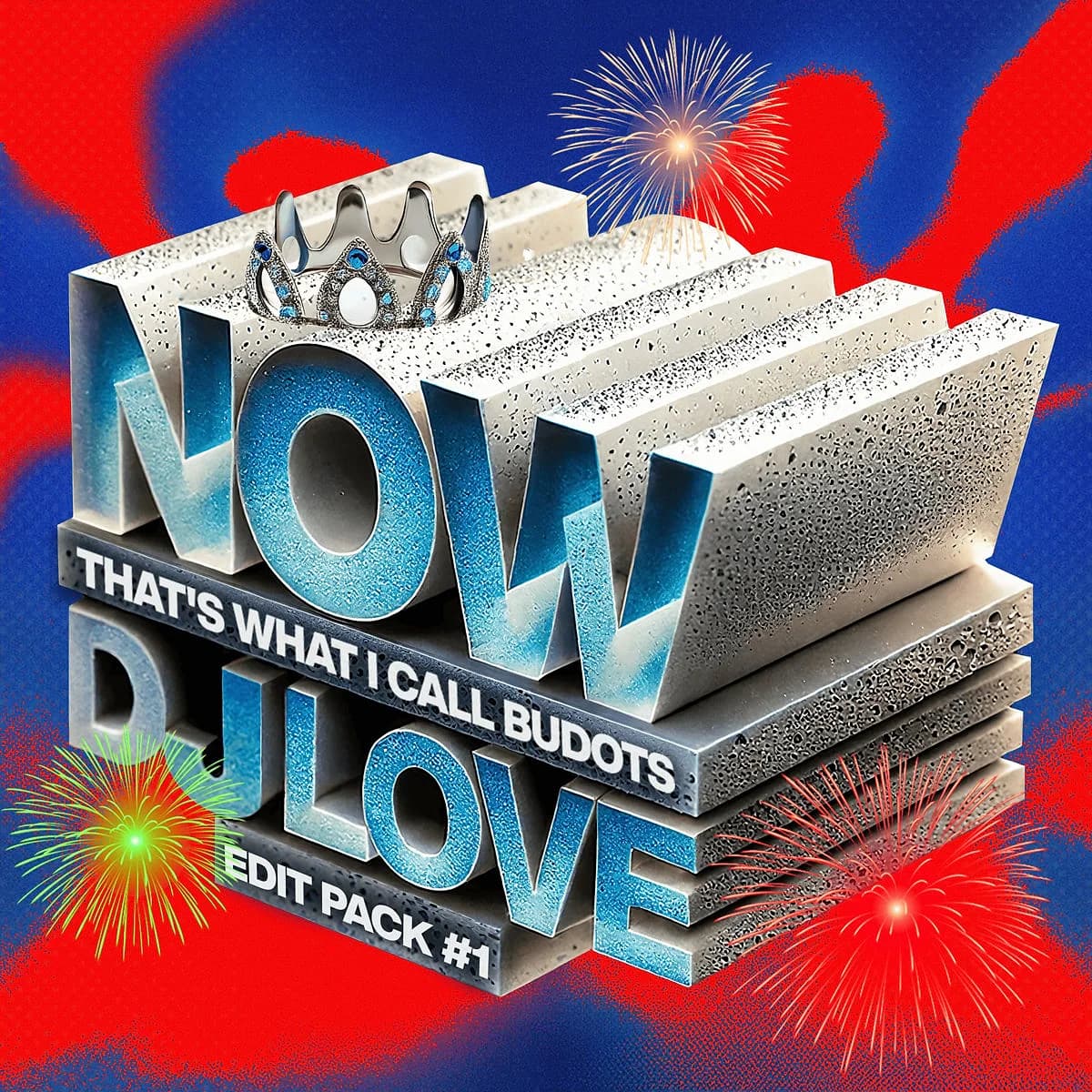
That changed in April 2023, when Manila Community Radio won a Boiler Room Broadcast Lab grant and used it to put budots on a platform the genre had never had: a full showcase featuring DJ Love alongside Teya Logos, Libya Montes, and five other Filipino selectors. DJ Love's set became, by most counts, the most-viewed Boiler Room recording to ever come out of the Philippines. London label Eastern Margins signed on shortly after, folding him into their Southeast Asian dance compilations, and by 2024 a TikTok remix called "Emergency Budots" was spreading the sound to an audience that had never heard the word before. We wrote about DJ Love's own health scare and his upcoming London show last week; the genre outlived a much bigger scare than a cold shoulder from Manila.
Manila's Underground, Built Without a Home
While budots was busy becoming a street phenomenon, Manila's house and techno underground has spent three decades doing the opposite: fighting quietly for a room to play in. The city's rave lineage traces back to Toti Dalmacion's Consortium parties in the 1990s, and it's kept a heartbeat going since through collectives like Synthicide, running since 2010, and Danza Organika, alongside Kaput Systems and its house-leaning offshoot Smutt Meet, bass-focused crews Continuum and Microcosm, and queer nights like CHURCH and Elephant.
The collective that's come to define the current DIY wave is UNKNWN, a rave outfit that just marked ten years of throwing parties in a city that, as we covered when UNKNWN turned ten, has closed more clubs than it's kept open. XX:XX, TIME, Today x FUTURE and Pineapple Lab have all shut down in recent years, so the underground moves between whatever warehouse, rooftop or borrowed space it can find that week. It's not romantic, it's logistics. And there's a specific reason it happened this way: as Manila producer Luis Montales put it to Bandcamp Daily, "DJs are often told not to play Filipino music in order to cater to foreigners who want to hear techno or house." Manila Community Radio, the same collective behind the Boiler Room budots showcase, runs with a deliberately horizontal structure precisely to push back against that gatekeeping, treating budots and 4/4 techno as parts of the same conversation rather than opposite ends of a hierarchy.
A New Generation Getting Looked At, Finally
Outside Manila, a handful of Filipino artists have started landing bookings and label deals that have nothing to do with either budots or the capital's rave circuit, and almost nothing to do with each other. GUDFELLA, who grew up in Cebu, is playing EDC Thailand this December on Insomniac Records. Siargao's Ezzrei landed a spot on DJ Mag's one-to-watch list off the back of her continuum-bass sets. Manila techno producer Alinep put out a Rolyo EP on a Berlin label. Junoy Manalo self-released a deep house record, Inner Child, with no label behind it at all. Sama Sama Records spent part of this year reissuing a lost 1980 Manila jazz-funk record instead of chasing anything new. None of these are the same genre, the same city, or the same career path. That's arguably the most honest description of what's happening here: there's no scene pulling these artists up together, just a lot of individual people making something good enough that somebody abroad eventually noticed.
Where to Actually Hear It
If you're visiting and want more than the Boiler Room clip, budots on YouTube and the Eastern Margins compilations are the easiest entry point. The DIY underground is trickier by design, Synthicide and UNKNWN announce locations close to the date, sometimes the day of, so following their socials matters more than any listing site will. For the more polished end of the city's nightlife, our guide to Manila's house and techno clubs covers the venues you can actually plan around. Nobody in Manila will tell you which of the three scenes is the "real" one, mostly because none of them think that's the right question.
Cover photo: DJ Love, via Eastern Margins.
Read Next
Stay in the loop
Asian electronic music, weekly