What Is Acid House, Explained: Charanjit Singh Made It in Bombay, Five Years Before Chicago Got the Credit
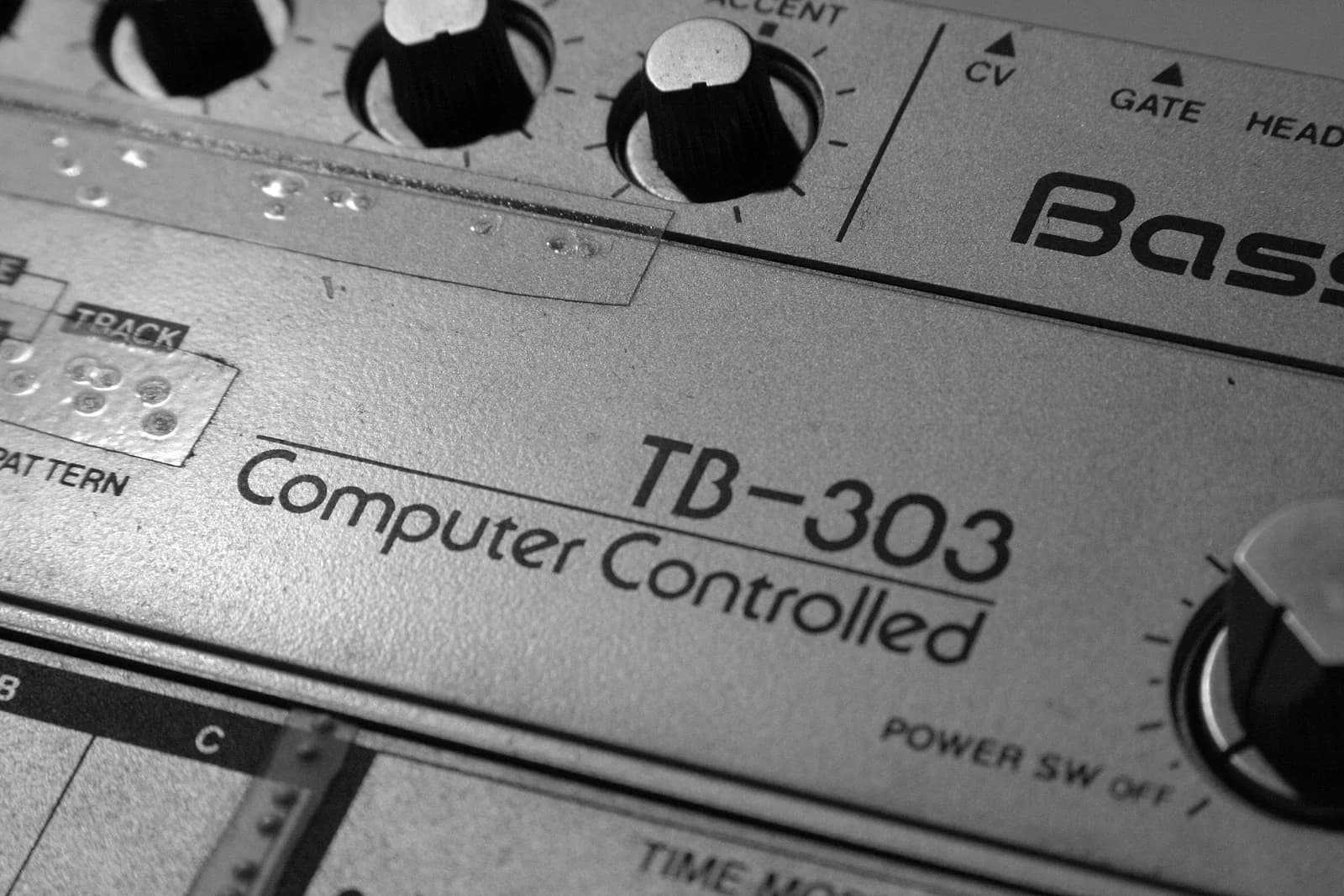
Chicago's Phuture named acid house in 1987 with a TB-303 bassline pushed past its limits. Five years earlier in Bombay, Charanjit Singh made almost the same sound by accident.
In 1982, a Bollywood session musician programmed a bass synthesizer and a drum machine to play ten classical Indian ragas, pressed a small run of records, and watched it go nowhere. Five years later, three Chicago teenagers plugged the same synthesizer into a mixer at a party, got bored waiting for a track to cue up, and ended up naming a genre by accident. Only one of those two stories is the one most people know, and it's the second one.
That mislabeled origin story still shapes who gets booked for it. Thai duo Acid Sister played a live set at Boiler Room's Bali session, a blend of nostalgic trance and driving acid.
The Bass Machine Nobody Wanted
The Roland TB-303 Bass Line came out in 1981 as a practice tool, a cheap box that was supposed to let guitarists play along to a programmed bassline instead of hiring a bass player. It flopped. The sound it made had nothing to do with a real bass guitar: thin, nasal, and prone to a strange electronic squeal when you pushed its filter resonance knob too far. Roland discontinued it within a couple of years, and secondhand units ended up cheap in pawnshops and music stores, which is exactly how they got into the hands of people who weren't trying to fake a bass player at all.
Bombay Got There First
Chicago usually gets sole credit for that part of the story, and the credit isn't quite right. In 1982, five years before anyone in the United States used a TB-303 this way, Bollywood musician Charanjit Singh recorded an album called Synthesizing: Ten Ragas to a Disco Beat, running the TB-303 alongside a Roland TR-808 drum machine and a Jupiter-8 to perform ten classical ragas over a disco pulse. It sounded, to anyone who heard it decades later, almost exactly like acid house. At the time it sold poorly and disappeared. Singh went back to session work and didn't make another solo record.
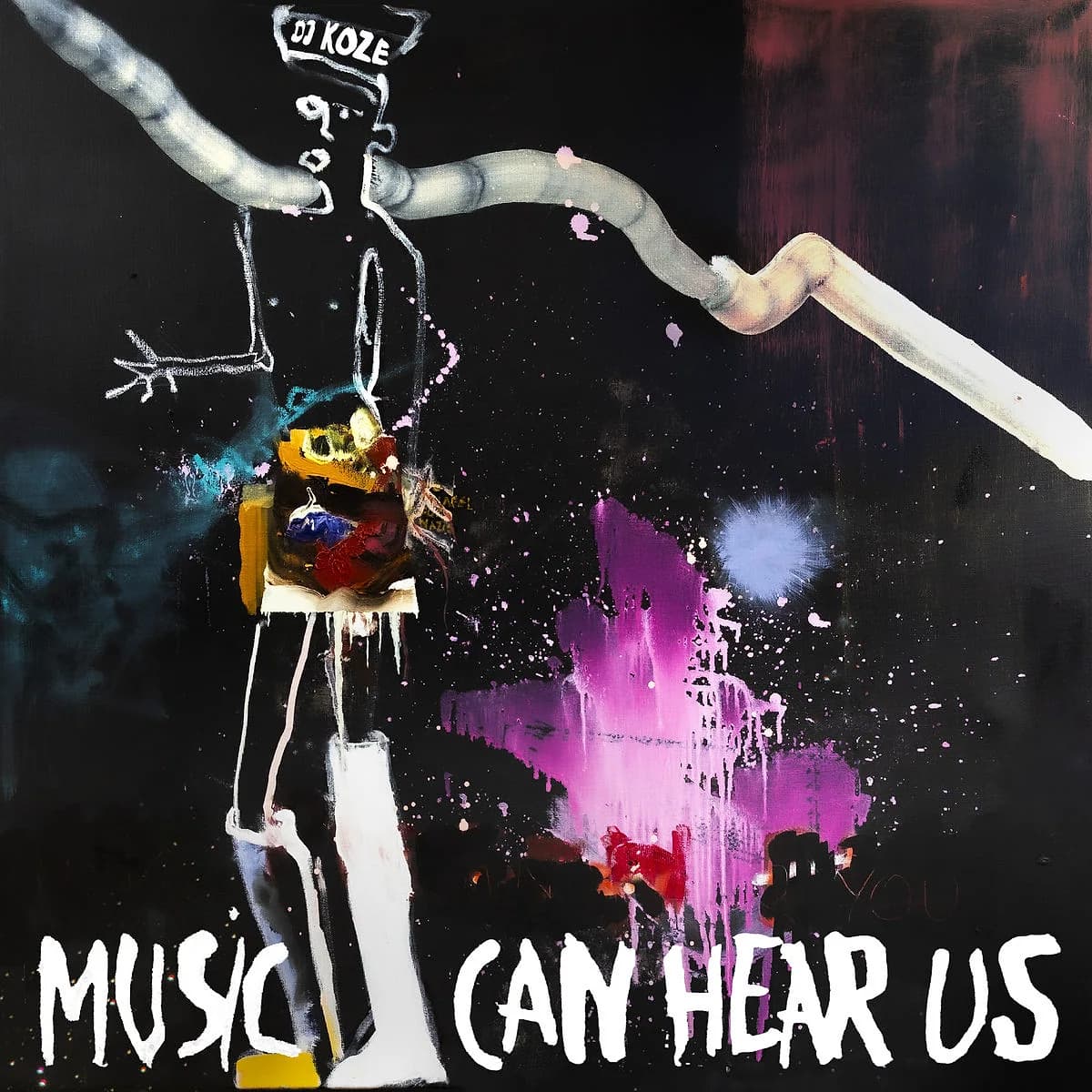
The album stayed buried until 2010, when Dutch DJ and collector Edo Bouman found a copy in New Delhi, tracked Singh down, and reissued it on his label Bombay Connection. The internet did the rest: music writers started arguing over whether Singh had invented acid house without knowing it, five years before Chicago did it on purpose. On August 7, 2026, Seattle's Light in the Attic put out a new reissue, working directly with Singh's estate, which means the record that accidentally predicted a genre is back in print again this year.
Chicago Makes It a Genre
Whatever Singh did by instinct, Chicago did on purpose and turned into a scene. In 1987, a trio calling themselves Phuture, DJ Pierre, Spanky and Herbert Jackson, recorded a track built around a TB-303, with Marshall Jefferson producing it. In 1985, Phuture gave DJ Ron Hardy a copy of the track, still titled "In Your Mind," and he agreed to play it at the Muzic Box. Trax Records put it out in 1987. The Chicago house scene spent years afterward flooding record stores with imitators, all chasing the same sound off the same cheap, discontinued machine.
What Actually Makes a Track Acid House
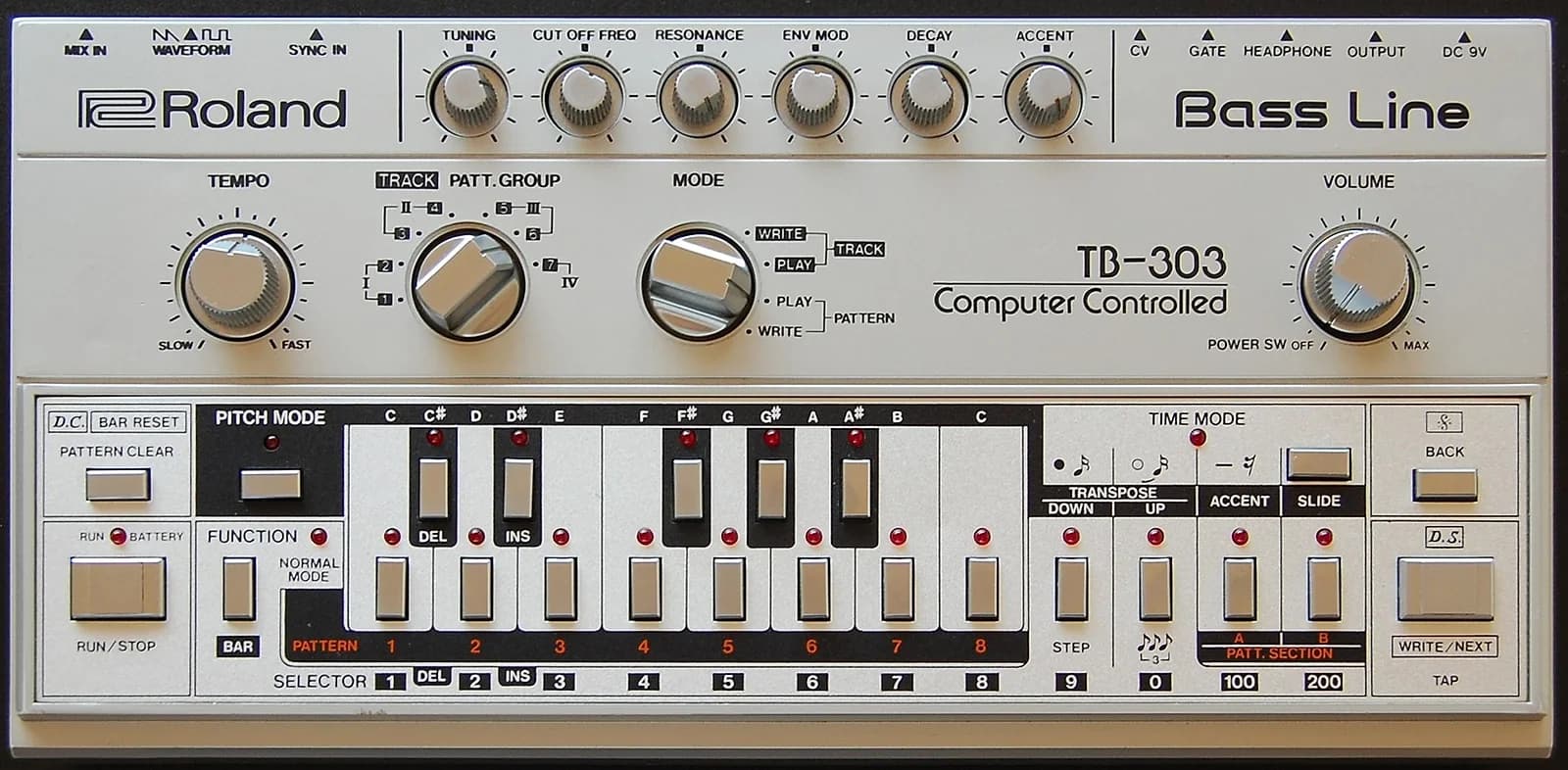
Strip away the history and the test is simple: a four-on-the-floor house beat, plus a TB-303 bassline being twisted live, usually by riding the cutoff and resonance knobs so the note bends, squeals and stutters instead of holding still. That resonance knob is the whole genre in miniature. Turn it up and the filter starts to self-oscillate, which is the source of the squelch everyone means when they say a track sounds acid. DJ Pierre has described building the track by twisting the TB-303's knobs live rather than settling on fixed settings.
Southeast Asia's Acid Pocket
Acid house never built a scene in Southeast Asia the size of its tech house or hard techno followings, but it didn't skip the region either. Acid Sister's turn at Boiler Room Bali is the most visible recent proof of it. Separately, Bangkok DJ Chucheewa co-founded Soundkoh Collective and curates for Summer Sound Festival. She has also logged sets on Refuge Worldwide tagged Acid, House, Balearic and Psychedelic Jazz.
Where to Actually Hear It Now
Start with the two bookends of this story rather than a generic playlist. Light in the Attic reissued Synthesizing: Ten Ragas to a Disco Beat in 2026. It's the cleanest way to hear where the sound came from before anyone called it acid house. Trax Records released Phuture's Acid Tracks in 1987.
FAQ
What is acid house music?
Acid house is house music built around the Roland TB-303 bass synthesizer's filter squelch, created when a producer rides the machine's cutoff and resonance knobs live rather than leaving the bassline static.
Did acid house really start in Chicago?
Chicago's Phuture turned it into a named genre with Acid Tracks in 1987, but Bollywood musician Charanjit Singh used the same TB-303 to make a strikingly similar sound in Bombay in 1982, five years earlier, without knowing it would later be called acid house.
What makes the Roland TB-303 sound like that?
The TB-303 was built in 1981 as a cheap bass-practice tool for guitarists and flopped commercially. Push its filter resonance hard enough and the note turns into the nasal squeal that defines the acid sound.
Is there an acid house scene in Southeast Asia?
There's no dedicated club circuit for it the way there is for tech house or hard techno, but Bangkok has a real foothold. The act Acid Sister, Bangkok DJ Chucheewa's duo project with Takky, made its Boiler Room debut in Bali. Chucheewa has also logged sets tagged Acid House on Berlin's Refuge Worldwide.
Where can I hear Charanjit Singh's original acid house record?
Light in the Attic reissued Synthesizing: Ten Ragas to a Disco Beat in 2026. An earlier 2010 reissue first brought the album out of obscurity.
Cover and panel photos: Roland TB-303, photographed by Alexandre Dulaunoy (CC BY-SA 2.0) and Steve Sims (CC0), via Wikimedia Commons.