
What Is Afro House? DJ Hydra, Zamna Bali and the Genre Southeast Asia Can't Stop Booking
Afro house moved from 1990s South African clubs to a sold-out Bali weekend and a Hong Kong members' club in the same 48 hours. The genre, explained, and where Southeast Asia is actually booking it.
On Saturday night, DJ Hydra played a song called "Bamidele," Yoruba for "follow me home," inside Soho House Hong Kong. The same night, two time zones south, Savaya in Bali sold out two consecutive nights split between melodic techno and the genre Hydra has built his whole career on: afro house. Most people who've heard the term still couldn't describe what it actually sounds like.
That's fair. Afro house gets lumped in with amapiano and afrobeats, and the genre's own history, three decades deep and mostly undocumented during its first ten years, doesn't help. The sound and the history explain why Southeast Asia's biggest rooms have started booking it.
What Afro House Actually Sounds Like
Afro house runs slower than most club music: roughly 80 to 122 BPM for the bulk of it, with some of the more percussive, tribal-leaning records pushing toward 160. That's a wide range by house-music standards, and it's wide on purpose, because the genre is defined less by tempo than by instrumentation. Saxophone, piano, hand percussion, flute and vocals, often sung in Zulu, Xhosa or another South African language, sit on top of a four-on-the-floor structure built out of kwaito, mbaqanga, deep house, tribal house and soulful house. The result is warmer and more organic than techno or tech house, closer in spirit to the Sunday-session genre Lee Burridge built with organic house in the 2010s, but with roots that run through a different continent and go back further.
Where It Came From
The genre took shape in South African clubs through the late 1980s and 1990s, built by producers including Black Coffee, DJ Tira, Oskido, DJ Fresh and Malaika, whose 2003 single "Destiny" was one of the first afro house records to cross over commercially. Black Coffee's self-titled 2005 debut album won Best Dance Album at the South African Music Awards, and the genre pulled in outside attention early: Grammy-winning American DJ Louie Vega was a regular visitor to South African clubs through the 1990s. Beatport didn't formalize an afro house category until 2017. Da Capo won the first-ever DJ Awards Afro House prize in 2019. By October 2023, Black Coffee had become the first South African DJ to headline and sell out Madison Square Garden, a 20,000-capacity show. None of that happened in Southeast Asia. All of it is why Southeast Asia is booking the genre now.
Southeast Asia's Afro House Weekend
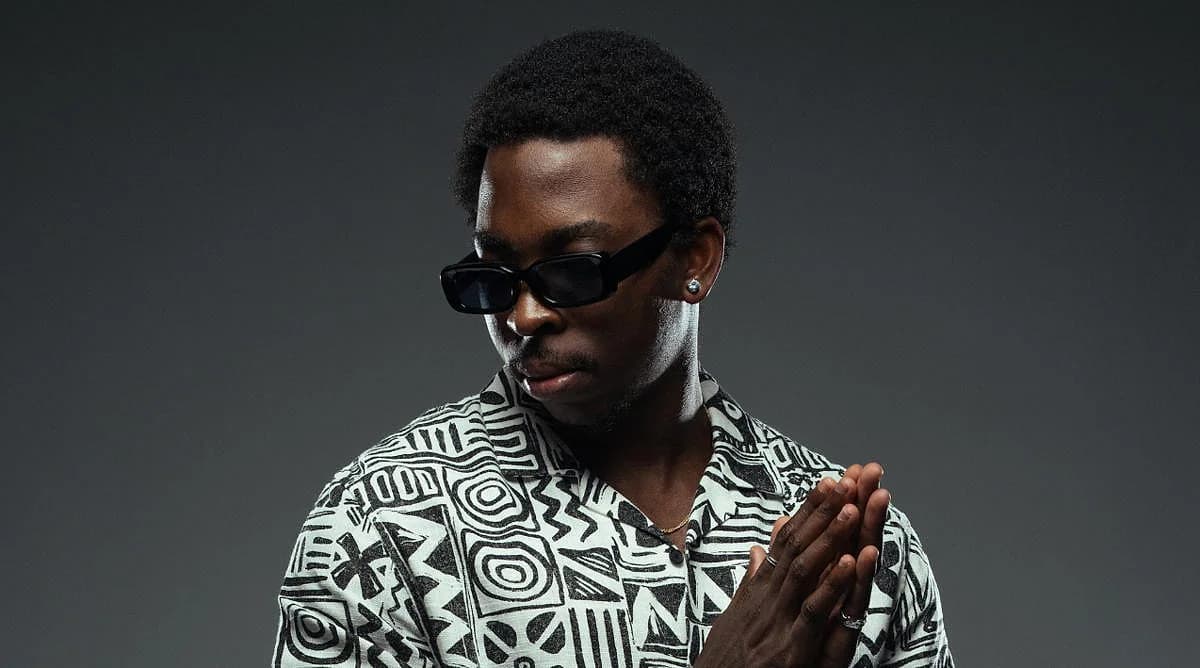
Hydra is Nigerian, not South African, proof the genre is no longer a strictly South African export. He spent 2025 building momentum through a Hong Kong residency at The Trilogy and his own label, Suru Records, whose debut single "Bamidele" hit number five on Traxsource's Afro House chart after its May 2025 release. "There's just something really exciting about mixing African rhythms and modern electronic textures," he's said of his sound, citing Black Coffee and Keinemusik as influences. "I'm a melodic guy at heart. I've always loved deeply emotive tracks." His Saturday set, under the name Hydra's House, was his first Soho House Hong Kong booking since the residency ended, with Boswarva supporting.
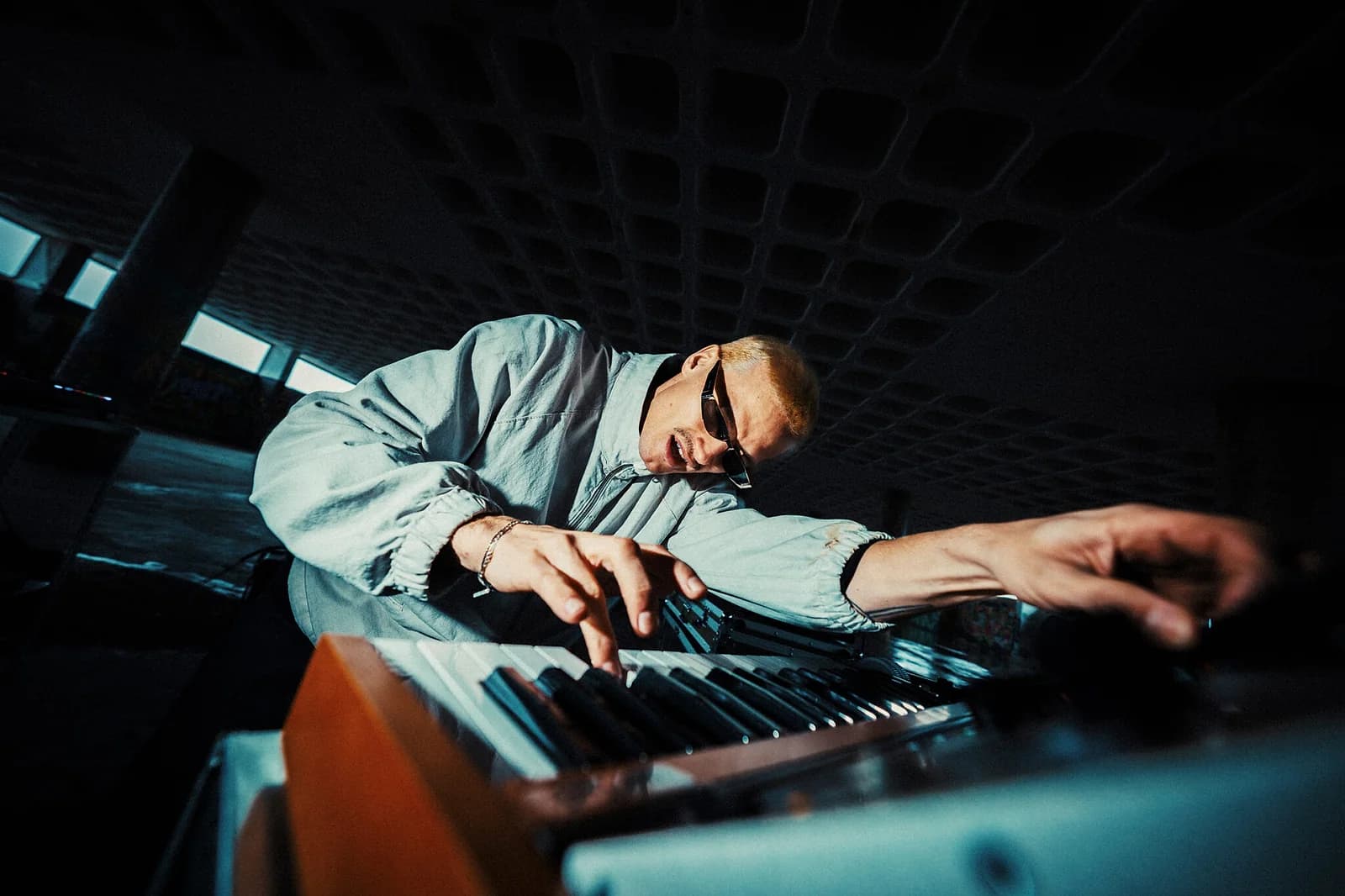
Bali's version of the same weekend was bigger and sold out faster. Zamna, the multi-city party series that started in Tulum in 2017, booked two nights at Savaya, currently ranked fifth on DJ Mag's 2026 Top 100 Clubs list. Saturday's lineup, Brina Knauss, Innellea and ZSS, leaned melodic techno; Sunday's, Djeff, Moojo, Nitefreak and Vanco, leaned harder into afro house. Both nights sold out their full 2,500 capacity before the weekend arrived.
Where to Actually Hear It, Week to Week
One-off bookings are easy to find once a touring DJ is already in the region. A standing night is the harder thing to build, and Southeast Asia has exactly one that's explicit about afro house on its own flyer: Vault Jakarta's CHEDDAR, which runs every Saturday on the 25th floor of Multivision Tower in Kuningan and bills itself plainly as "Afrobeats, Amapiano, AfroHouse." Singapore has a looser cluster around the same sound rather than a single dedicated room: aRapiano blends amapiano and afrobeat with Arabic rhythms, Africa Parties SG runs a wider pan-African set that folds in ndombolo, kizomba and coupé-décalé alongside amapiano, and Fuego's Afrobeatch beach parties at Sentosa's Sand Bar mix afrobeats with reggaeton. None of those is a pure afro house night. If you want the genre specifically, Jakarta on a Saturday is still the closest thing the region has to a standing booking, and everywhere else you're waiting on whichever touring DJ lands next.
Afro House vs. Amapiano: Not the Same Genre
The two get confused constantly, partly because Southeast Asian promoters often book them on the same night, as Vault Jakarta does. They're not interchangeable. Amapiano is younger, built in Pretoria's townships in the early 2010s around a signature log-drum bassline and a slower, more spacious groove. Afro house is older, more house-structured, and traces back to Johannesburg and Durban clubs of the late 1980s and 90s. Both are South African in origin. Only one of them, afro house, has had thirty-plus years to spread into the kind of pan-African, now pan-Asian genre DJ Hydra represents.
FAQ
What BPM is afro house?
Most afro house tracks sit between 80 and 122 BPM, with some of the more percussive, tribal-leaning records pushing as high as 160.
Is afro house the same as amapiano?
No. Amapiano is a younger genre built in Pretoria in the early 2010s around a log-drum bassline, while afro house dates to late-1980s and 1990s South African clubs and is structured closer to traditional house music. Promoters frequently book both on the same night, which is where the confusion comes from.
Who are the biggest afro house artists?
Black Coffee is the genre's best-known name internationally, the first South African DJ to headline and sell out Madison Square Garden, in October 2023. DJ Tira, Oskido, DJ Fresh and Malaika are credited as early pioneers; Louie Vega and Keinemusik are among the non-South African artists who've shaped its international sound.
Where can you hear afro house in Southeast Asia right now?
Vault Jakarta's CHEDDAR runs every Saturday and is the region's only standing night built explicitly around the genre. Singapore has a cluster of afro-diaspora parties, aRapiano, Africa Parties SG and Fuego's Afrobeatch, that include afro house and amapiano within broader programming. Beyond that, it's mostly one-off bookings tied to touring DJs, like DJ Hydra's October 17 Hong Kong set and Zamna's sold-out Bali weekend at Savaya.
Did Black Coffee invent afro house?
No single person invented it. Black Coffee is its most internationally recognized figure and one of its earliest commercially successful producers, but DJ Tira, Oskido, DJ Fresh and Malaika were building the sound alongside him in South African clubs through the 1990s and early 2000s.
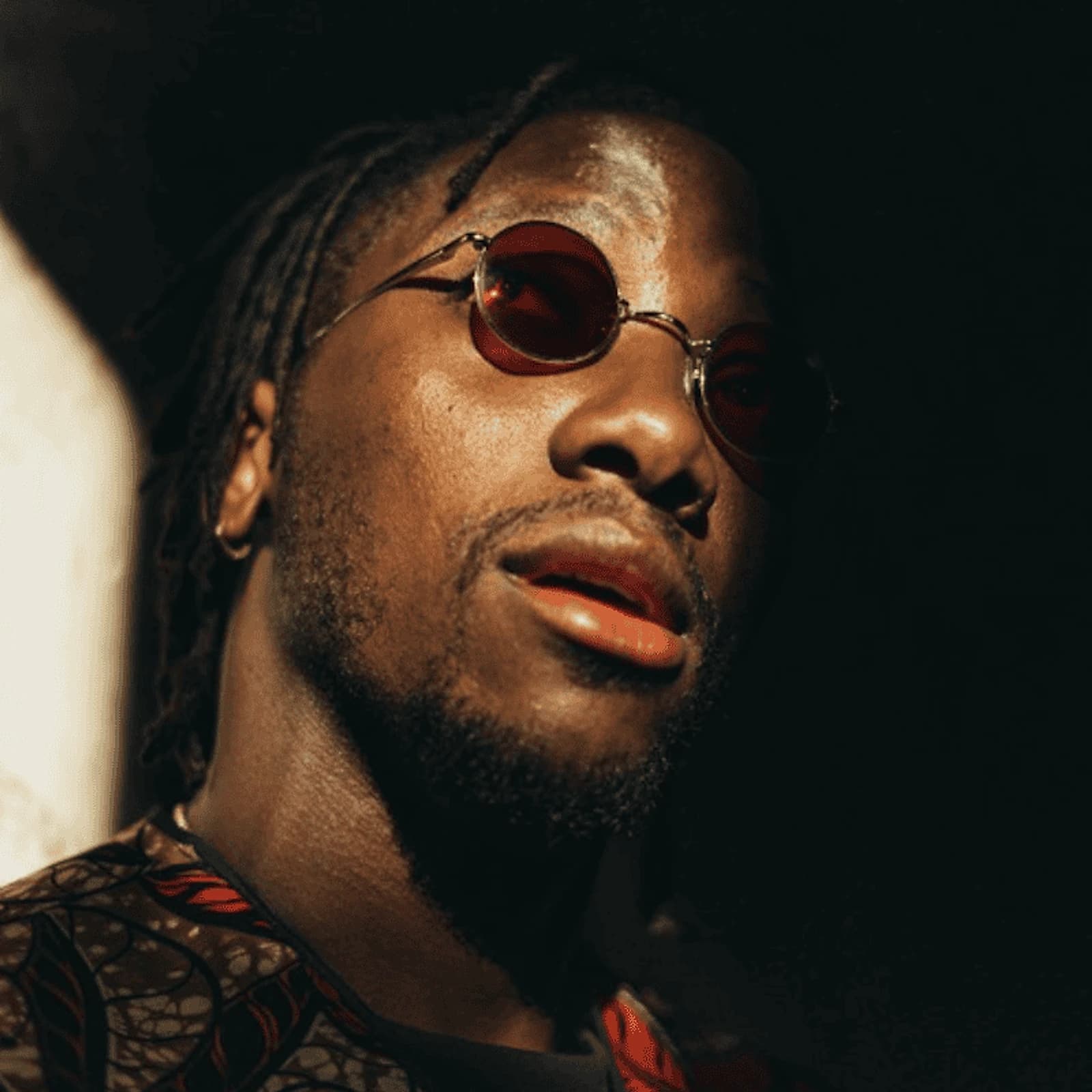
Cover photo: DJ Hydra, official press image via The Everyday Agency.
Read Next
Stay in the loop
Asian electronic music, weekly