What Is Disco, Explained: Donna Summer Helped Invent It, and Bandung's Munir Still Digs It Up
Disco's backlash killed its radio airplay in 1979, not its DNA. That survived straight into Chicago house, and in Bandung, a producer named Munir is still digging up the Indonesian half of the story.
Disco didn't die in 1979, whatever the bonfire at Comiskey Park wanted you to believe. It just changed addresses. Chicago's early house producers inherited its four-on-the-floor kick and its love of a strong bassline almost intact, and more than forty years later a producer in Bandung is still pulling 1980s Indonesian disco 45s out of boxes and giving them a second life on modern sound systems.
The backlash flattened disco into a punchline, but before that it was a specific sound, built by specific people, in specific rooms, for reasons that had nothing to do with glitter and everything to do with who clubs let in.
Philadelphia, New York, and the Clubs That Started It
Disco took shape in the late 1960s and early 1970s in Philadelphia, Baltimore and New York, particularly Brooklyn, out of music popular in Black, Latino and Italian-American venues that mainstream clubs often wouldn't book. DJs built the format: continuous mixes designed to keep a room dancing rather than songs programmed to be listened to individually, played loud on sound systems built for exactly that job. The genre's reputation for excess came later. Its foundation was a DJ, a crowd that had nowhere else to dance, and a kick drum on every beat.
The Night Disco Went Electronic
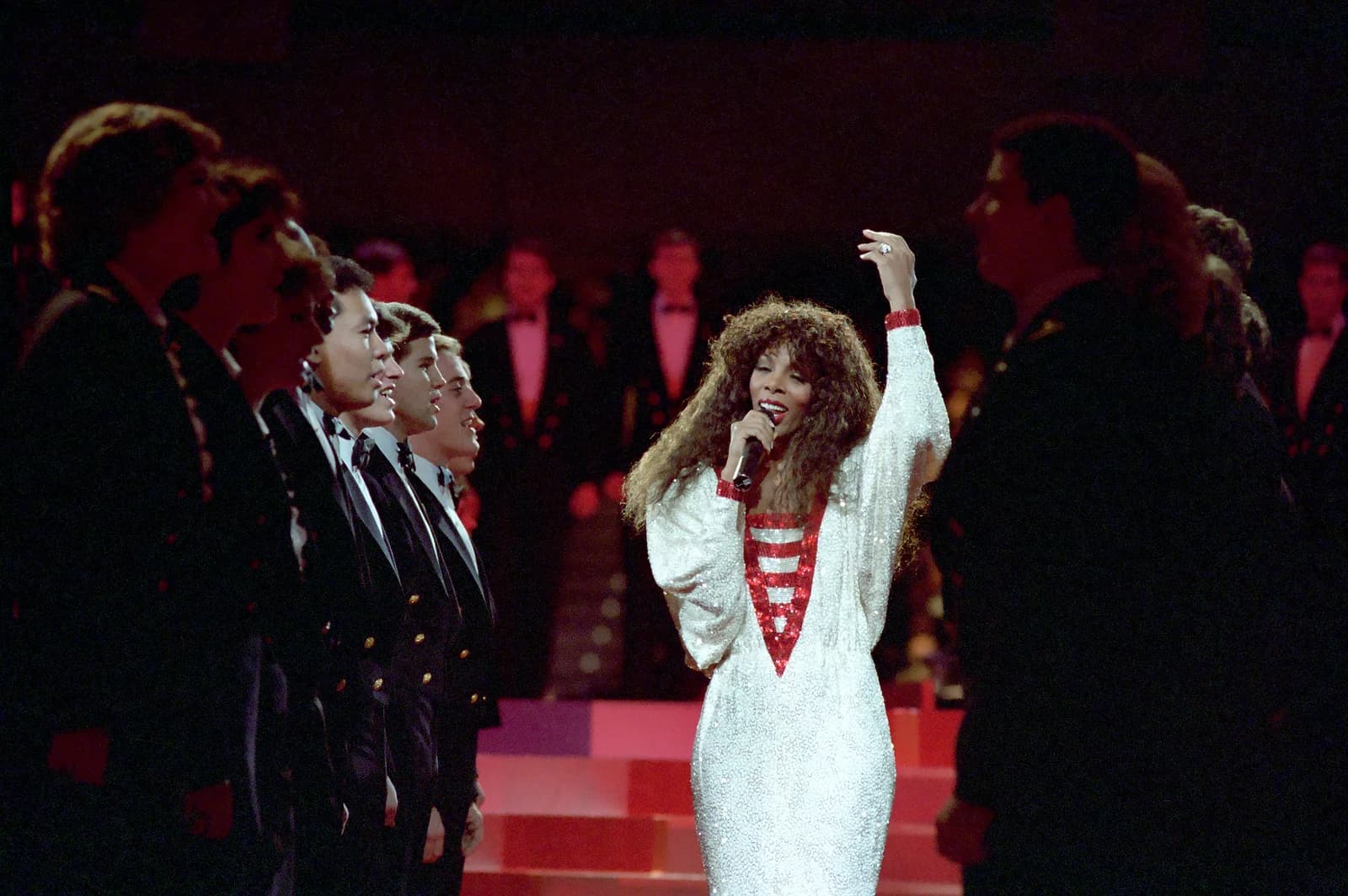
Disco's defining pivot arrived in 1977, when producer Giorgio Moroder built Donna Summer's "I Feel Love" around a Moog synthesizer sequence instead of a live rhythm section, one of the first disco records to do so. It changed what the genre could sound like overnight, and the fingerprints are still on house and techno both: a machine-driven pulse under a vocal, rather than a live band trying to sound like one. Summer, already disco's biggest star off the back of "Love to Love You Baby," became the voice most associated with the genre's turn toward the synthetic.
Disco Demolition Night and the Backlash
Disco's commercial collapse in the United States has a precise, ugly date: July 12, 1979, when a Chicago radio DJ blew up a crate of disco records between games of a White Sox doubleheader at Comiskey Park, and the crowd rushed the field. The genre sharply declined in mainstream American popularity through the early 1980s after that. What didn't disappear was the music's actual DNA. Chicago DJs and producers from the city's queer Black underground club culture kept it alive, altering those disco records in the early-to-mid 1980s into a more mechanical new sound: house music.
How Disco Became House
House music, born in Chicago in the early 1980s, kept disco's engine room almost intact: DJs mixing continuously for dancers, a four-on-the-floor beat, powerful club sound systems built around the kick and the bass. What changed was the arrangement around that engine. House stripped the orchestral strings and horn sections disco had leaned on, built tracks from drum machines and samplers instead, and kept the bassline where disco had always put it, front and center. You can hear the inheritance directly if you put a late-1970s disco record next to an early Chicago house track: different texture, same floor.
Southeast Asia's Own Disco Archive
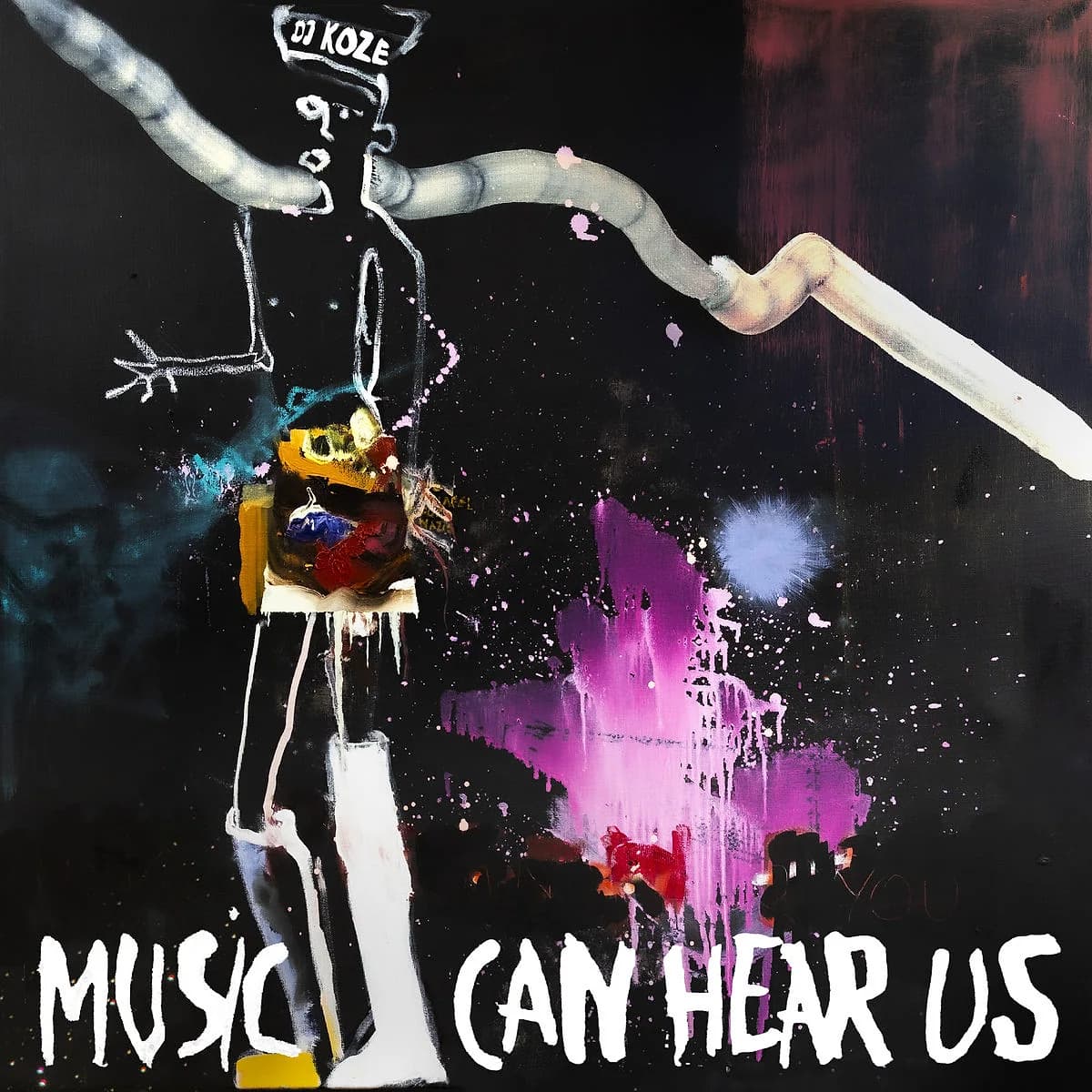
Indonesian musicians took cues from Japanese city pop, European synth pop and American boogie, then imbued those influences with musical traditions like Gamelan and Keroncong. Munir, a Bandung-based producer who has spent more than a decade digging those records up, re-edits them for modern sound systems under his Nusantara Disco series and his own label, Peace Freedom Records, launched in 2024. His compilation for the Boston label Cultures of Soul, Tanamur City: Indonesian AOR, City Pop, and Boogie, 1979 to 1991, is the clearest single document of that lost scene, and his 2024 Komputer EP shows him writing original material in the same synth-and-drum-machine language rather than only archiving it.
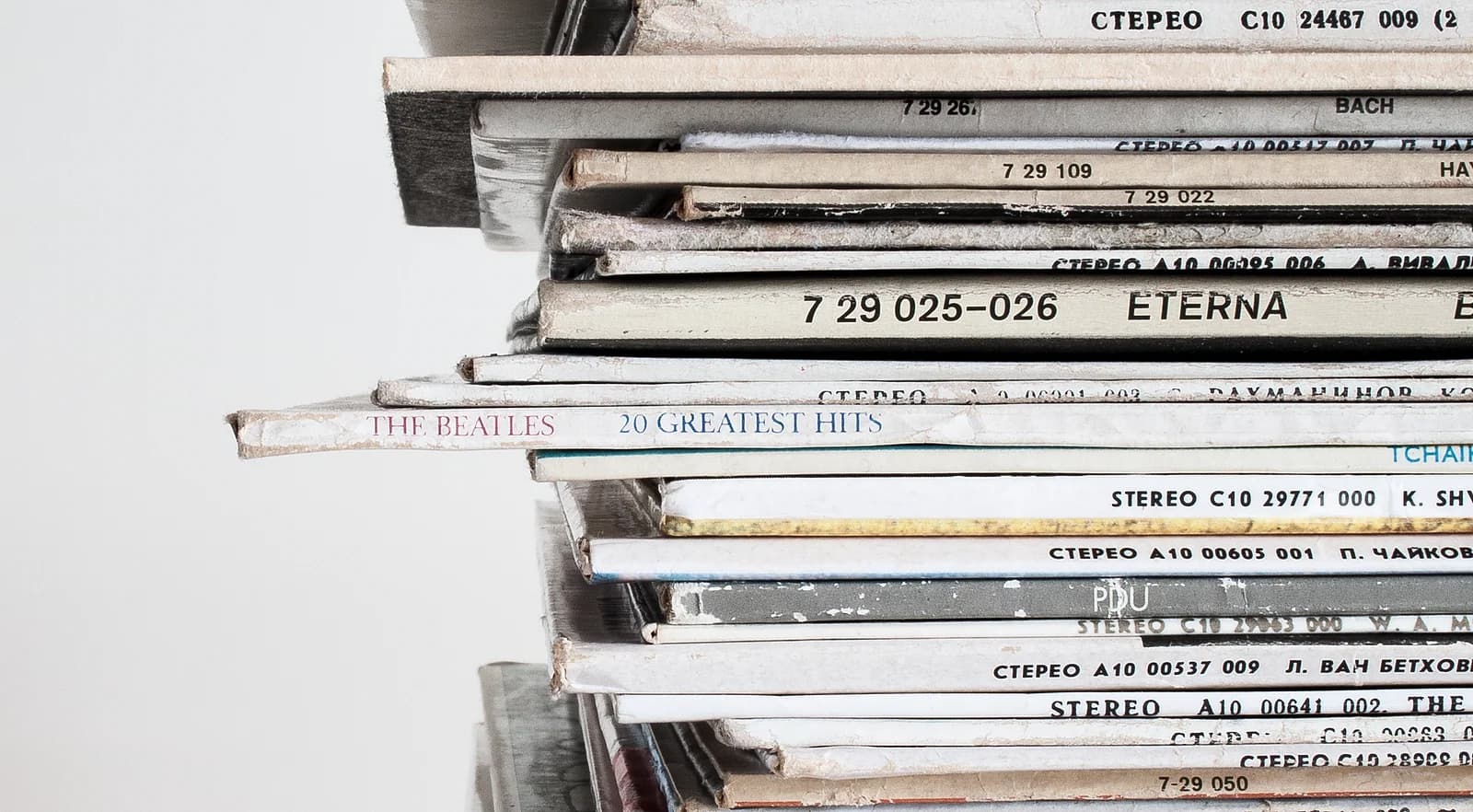
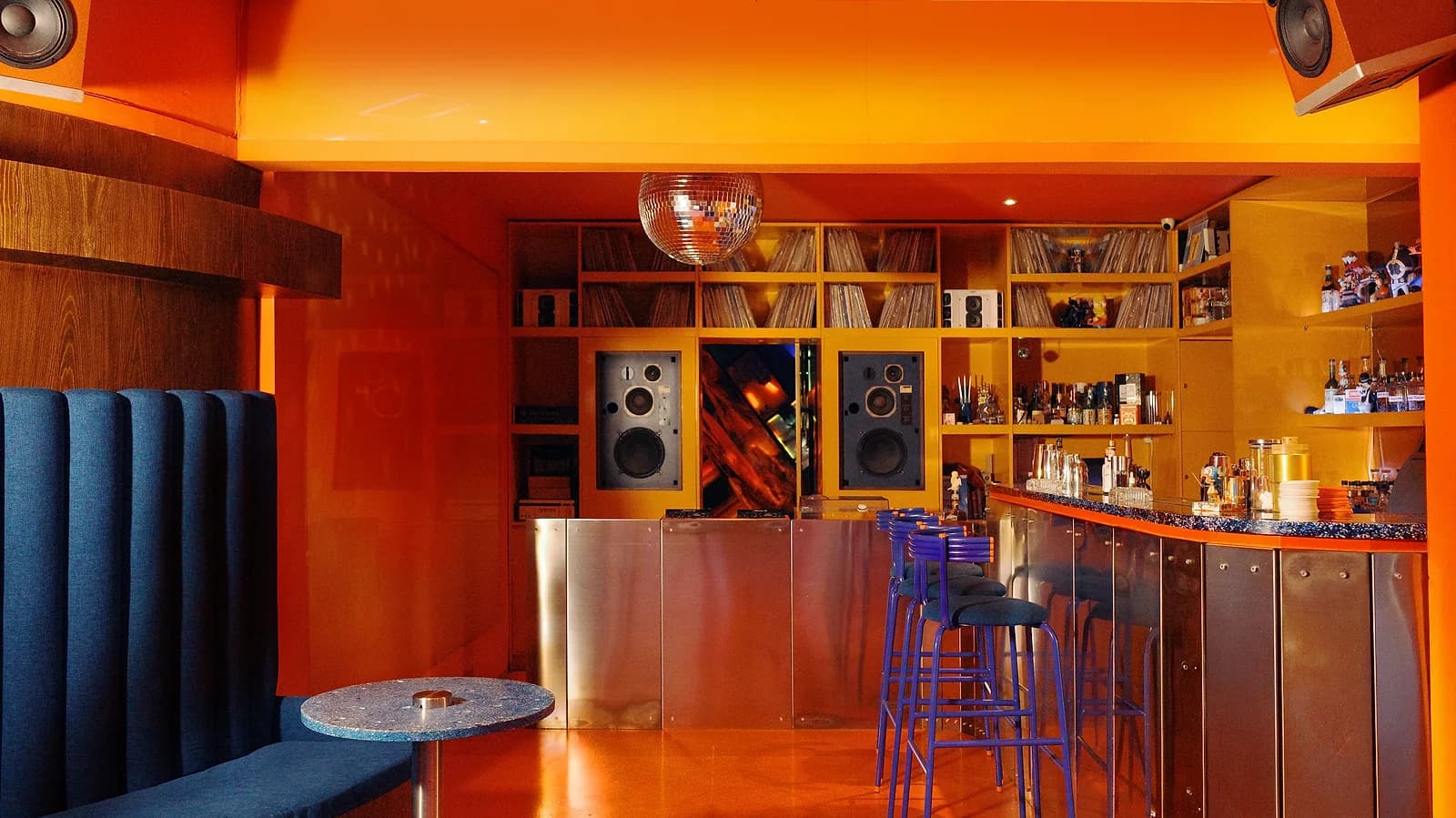
Bandung's own record shop and sound room, Peels Records & Bar, opened in a restored colonial building in 2021.
FAQ
Where did disco actually come from?
Disco took shape in the late 1960s and early 1970s in Philadelphia, Baltimore and New York, particularly Brooklyn, built by DJs playing continuous mixes for Black, Latino and Italian-American crowds in clubs that mainstream venues often excluded.
What was "I Feel Love" and why does it matter?
"I Feel Love" was a 1977 Donna Summer record produced by Giorgio Moroder, built around a Moog synthesizer sequence instead of a live band. It combined a continuous four-on-the-floor bass drum with repetitive synthesizer loops, a sound that became a defining feature of house and techno a decade later.
What was Disco Demolition Night?
On July 12, 1979, a Chicago radio DJ blew up a crate of disco records at Comiskey Park between baseball games, and the resulting field invasion became shorthand for disco's commercial collapse in the United States. The genre's underground club culture and its core sound, the four-on-the-floor beat and the strong bassline, survived and fed directly into house music a few years later.
Is there a Southeast Asian disco scene?
Indonesia had its own disco, AOR and boogie scene in the late 1970s and 1980s. Bandung producer Munir has spent over a decade reissuing and re-editing those lost records through his Nusantara Disco series and his label Peace Freedom Records, including a compilation for Cultures of Soul covering 1979 to 1991.