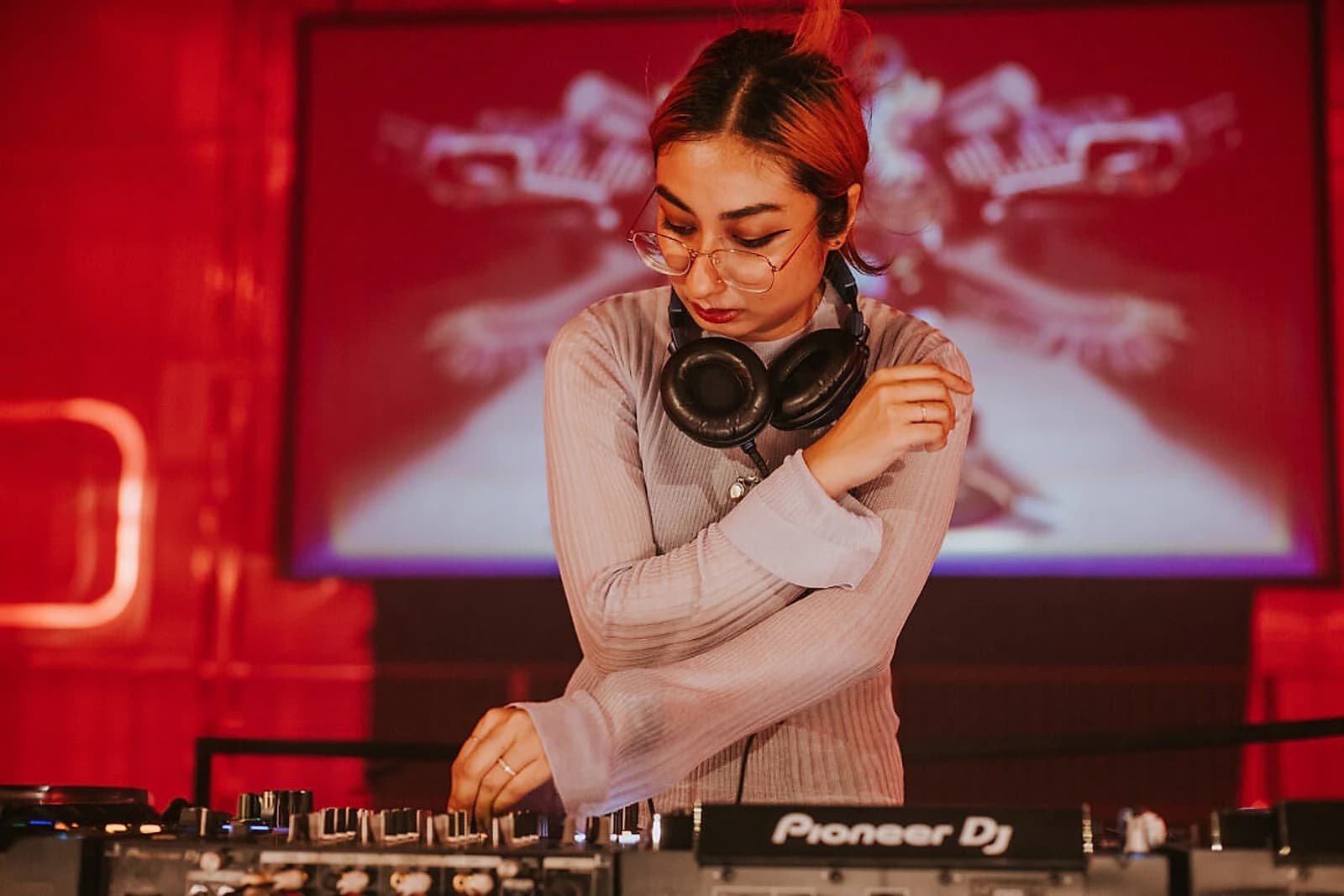
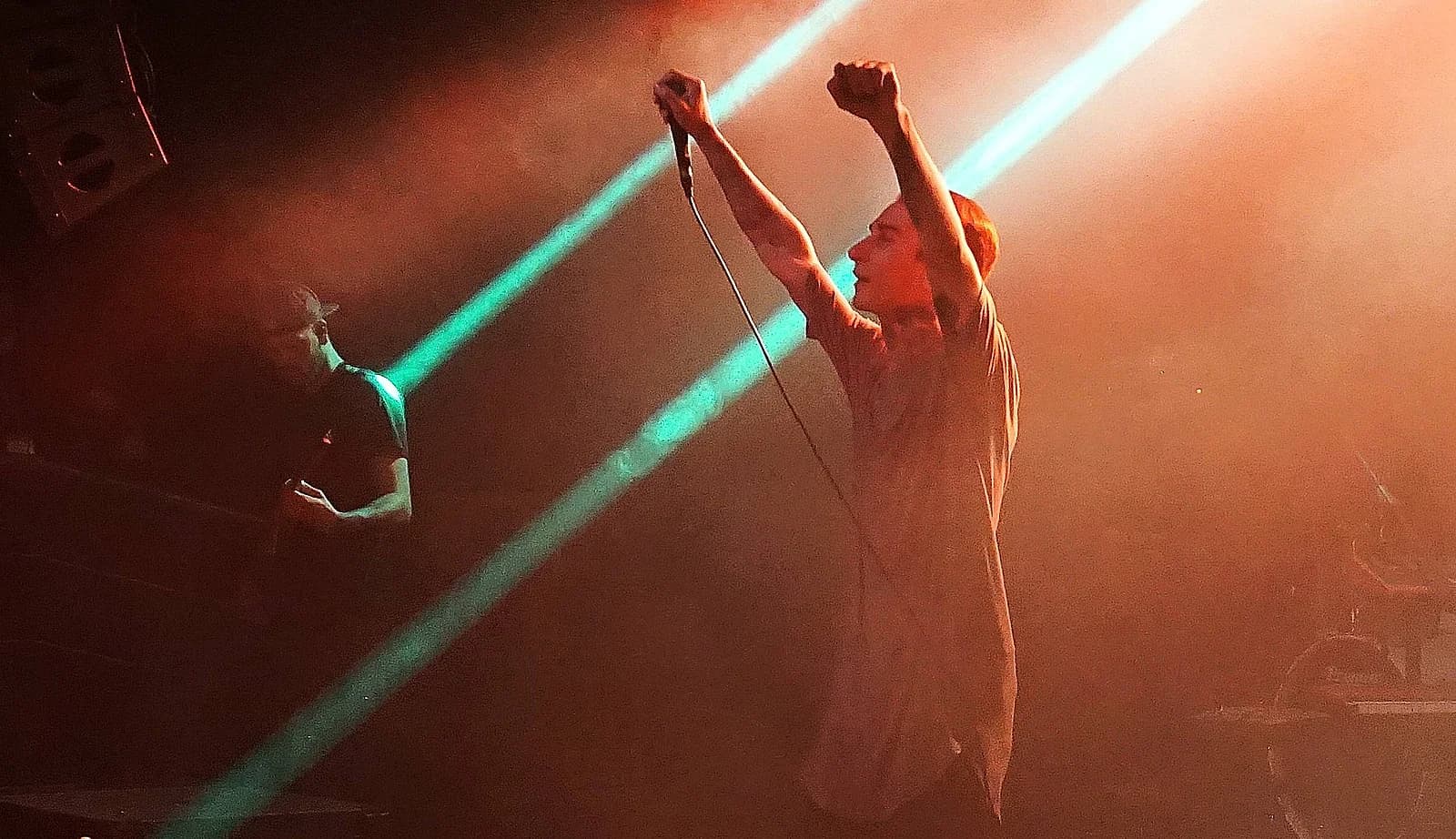
Plastician, one of UK bass's most influential figures, opened Chiang Mai's new dedicated club for the sound this January.
The Sound Everyone Thinks They Know, and Mostly Don't
Ask someone under 30 what dubstep sounds like and they'll probably describe something loud, wobbling and aggressive, the sort of thing Skrillex made famous around 2010. It isn't wrong, exactly, just a different genre wearing the same name. The dubstep that actually earned the word, the one built in South London record shops in the early 2000s, is slower, darker and emptier: half-step rhythms, long silences, a sub-bass you feel in your chest before you hear it. The loud American version borrowed the label after the original sound had already spent most of a decade underground.
That history now has a Southeast Asian chapter. On January 10, 2026, Locked In Club opened in Chiang Mai with a Plastician-led launch. A Pay Day Party on January 30 brought UK selectors together with Chiang Mai locals for a night of full-spectrum UK bass.
It Started in a Croydon Record Shop
The genre's earliest sound took shape at Big Apple Records in Croydon, a shop where producers including Hatcha and Skream worked the counter and traded dubplates with each other before the tracks ever reached a club. The style they built pulled from UK garage's 2-step rhythms, dub reggae's bass weight, broken beat and the grime that was forming in the same postcode at the same time, slowed down and stripped back until the space between the beats mattered as much as the beats themselves.
Who Actually Named It
The word itself came slightly later than the sound. Tempa Recordings' Neil Jolliffe is credited with coining "dubstep" in 2002, after a looser, spaced-out version of the term had already been floating around London the previous year. It stuck once it ran in a 2002 XLR8R cover story. The genre's first dedicated home was the night FWD>>, founded in 2001 at the Velvet Rooms in Soho, which provided the first venue devoted to the sound before it moved to Plastic People in Shoreditch. A few years later, Digital Mystikz' night DMZ, held in Brixton, took it from a London curiosity to something producers and DJs flew in from other countries to hear.
Plastician Was in the Room for All of It
Chris Reed, who performs as Plastician, grew up in Thornton Heath, in the London borough of Croydon, the same patch of South London where the sound was taking shape. He started out playing UK garage records in 2000, picked up a weekly slot on the pirate station Rinse FM around 2003 alongside Mark One and Virus Syndicate, and by 2004 had become a resident at FWD>>'s Plastic People nights. In 2002 he founded his own label, Terrorhythm Recordings, putting out early releases from producers like Om Unit and Joker. He originally performed as Plasticman. He changed the name to Plastician because it was too similar to Canadian-British techno artist Richie Hawtin's alias, Plastikman. The change became official in 2006, the tipping point of an ongoing legal struggle over the name. His 2007 debut album, Beg to Differ, featured a collaboration with Skepta and is still cited as one of the records that proved dubstep and grime could share a stage without either one swallowing the other.
Why a Pioneer Flew Out to Open a Club in Chiang Mai
The launch paired an afternoon session at a bar called Deep Green with a night session at the new club itself, free to get into, with support from local selectors on both ends. Locked In Club's own event listings now describe it as Chiang Mai's home for underground UK bass. A late-January date at the venue paired international guests with Chiang Mai regulars OB-1, who runs the local night Funky Frequencies, and DJ Overstay, the kind of lineup that only makes sense if there's already a scene in the room rather than one being built for a single flyer.
How to Actually Find It If You're Visiting
Don't search "dubstep" if you're trying to find this sound while traveling through the region. The word now mostly returns the EDM-festival version. Look instead for promoters using "UK bass" or "140," a reference to the genre's tempo range, the way Locked In Club bills its own nights. Southeast Asia's house and techno circuit is large and well-covered; this corner of it is small, run by a handful of promoters who know each other, and mostly found through their own event pages rather than a festival poster.
For readers tracking the region's other UK-rooted dance genre, see Loopliner's explainer on UK garage and Singapore's TASHASAN, the genre dubstep grew out of.
FAQ
What is dubstep?
Dubstep is a genre built on syncopated, half-step rhythms and heavy sub-bass that emerged from South London's UK garage scene in the early 2000s, built in record shops and nights rather than studios.
Who coined the term "dubstep"?
Neil Jolliffe of Tempa Recordings is credited with coining the term in 2002, after a looser version of it had already been used in London the year before.
Where did dubstep originate?
It came out of Croydon, South London, centered on Big Apple Records, and spread through the FWD>> night at Plastic People in Shoreditch and later DMZ in Brixton.
Is the dubstep people hear at festivals today the same genre?
Not really. The louder, more aggressive sound many people call dubstep today is brostep, which broke through commercially in September 2011.
Is there a dubstep or UK bass scene in Southeast Asia?
Yes, on a small scale. Chiang Mai's Locked In Club opened in January 2026 calling itself the region's home for underground UK bass, booking both UK pioneers like Plastician and local Chiang Mai promoters.
Cover photo: clurr, CC BY 2.0, via Wikimedia Commons.