
What Is UK Garage, Explained: DJ EZ Sped It Up, and Singapore's TASHASAN Keeps It Alive
DJ EZ turned a Todd Edwards record into speed garage in 1994. Three decades on, Singapore's TASHASAN is still playing it.
In 1994, DJ EZ was playing a Greenwich nightclub when he dropped Todd Edwards' American garage house track "The Praise (God in His Hand)" at 130 BPM instead of its standard 120, to match the UK hardcore and jungle records already filling the room. That decision was repeated across Sunday-night garage parties, since promoters could only get venues on Sundays while Friday and Saturday nights still belonged to jungle and drum and bass. It's the closest thing UK garage has to a birth certificate: a genre built not in a studio but on a dancefloor.
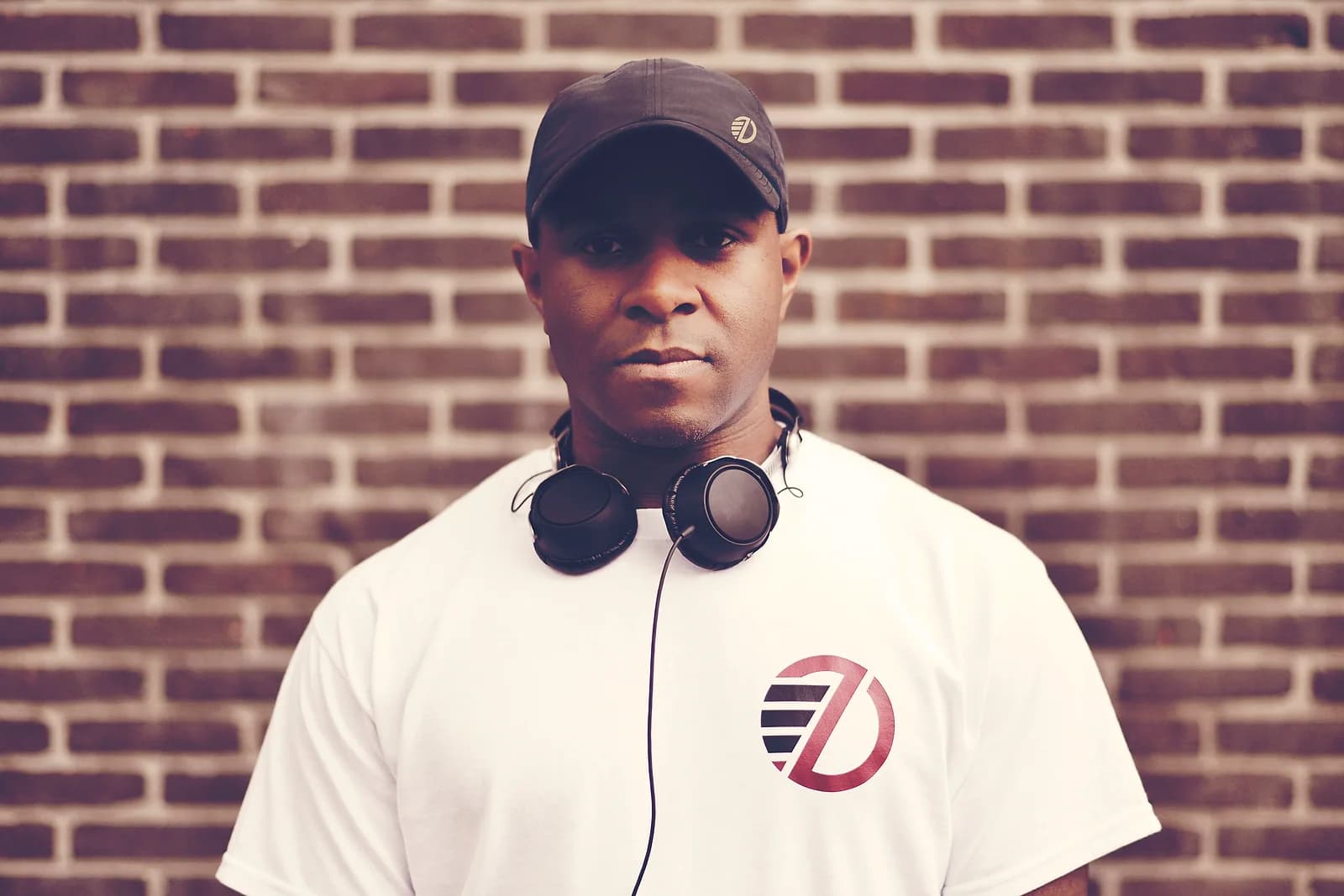
Three decades on, the genre still has a working chapter in Southeast Asia, run by a Singaporean DJ who once stopped listening to music altogether before she found her way back to it through DJing. TASHASAN, born Natasha Hassan, co-founded North East Social Club in her home city specifically to give garage, bass and jungle a room to play in, under a banner she called NESC x Phuture. She shut that crew down once she felt its job was done, then started two more. Garage didn't die with NESC. It just changed address.
What UK Garage Actually Is
UK garage grew out of London in the early 1990s, a blend of American garage house, jungle, Jamaican ragga and dancehall, R&B and rave culture. For a while it was a Sunday thing specifically, since Friday and Saturday nights belonged to jungle and drum and bass, and garage parties took whatever slot was left. Over the course of the 1990s it spread past London to Birmingham, Manchester, Bristol, and by 1996 had reached the summer package-holiday circuits of Ibiza and Ayia Napa.
DJ EZ's speed-up of Todd Edwards' record in 1994 gave the genre its first real subgenre, speed garage: sped-up house beats with rolling snares and reverse-warped basslines, borrowed in part from drum and bass production. Edwards' own sampling style, chopping vocal phrases into instrument-like fragments and pitching or reversing individual syllables, became one of the genre's defining techniques. Edwards himself later became a direct influence on Daft Punk.
The sound shifted again between 1998 and 2001 into 2-step, built on R&B-flavoured vocals and a shuffled, syncopated beat that could run on either a straight 4/4 kick or the genre's trademark irregular "2-step" pattern. Kelly G's remix of Tina Moore's "Never Gonna Let You Go," picked up by London DJs and played faster than its original tempo, is usually cited as the spark. What followed was the only period in UK garage's history when the genre owned the pop charts outright: Shanks & Bigfoot's "Sweet Like Chocolate" became the first UK garage number one and, with Artful Dodger's "Re-Rewind," went platinum, and Craig David's "Fill Me In" topped the charts in April 2000. MJ Cole, classically trained on oboe and piano before he ever touched a sampler, had his own run with "Sincere" and "Crazy Love." As Cole put it at the time, the sound reflected the city that made it: "London is a multicultural city, it's like a melting pot of young people, and that's reflected in the music of UK garage."
The commercial wave didn't last. By 2002, producers chasing something less polished pushed toward darker, bass-heavier territory, and FWD>>, the club night founded the previous year by Sarah Lockhart, with Zed Bias, El-B, Wookie and DJ Zinc among the DJs on rotation, became the room where that harder sound got worked out. That sound set the groundwork for two genres: dubstep and grime.
Why Singapore's TASHASAN Still Plays It
Hassan was a graphic designer before she was a DJ, and has said the corporate side of the industry she worked around left her burned out on music entirely. DJing, specifically in garage, bass and jungle, brought it back. Loopliner profiled her Singapore collectives in detail: how she built North East Social Club under an NESC x Phuture banner, closed it this year once she felt its job was done, and replaced it with two new platforms rather than stopping.
What matters for a genre explainer is the booking pattern, not the full biography. None of what Hassan plays is UK garage straight. Her sets mix it with breaks, bass and jungle, and her crews book across that same spread rather than running single-genre nights, which is a fair description of where UK garage actually lives now, in Singapore and everywhere else: not a chart genre anymore, but one ingredient a DJ reaches for inside a wider bass-music set. The clearest single data point that the genre still has a stage in the region came on 20 July 2024, when she played Boiler Room Singapore as one of three local ambassadors sharing a bill with international names.

The Sound's Second Life
T2's "Heartbroken" led a "new skool" revival at the end of 2007. Future garage picked up the sound's textures from 2009 onward, and AJ Tracey's "Ladbroke Grove" peaked at number three in October 2019 as one of the year's best-selling singles. The 2020s brought the biggest crossover yet, with Fred again.., PinkPantheress and Bicep carrying garage's shuffled rhythms and chopped vocals to festival main stages that have nothing to do with pirate radio or Sunday-only club nights.
Hassan's work sits inside that pattern: a genre that keeps resurfacing through whoever's willing to actually book it.
FAQ
What is UK garage?
UK garage is a genre that emerged in London in the early-to-mid 1990s, blending American garage house, Jamaican ragga and dancehall, R&B and UK rave culture into a sound typically built around a 130 BPM tempo and chopped, pitch-shifted vocal samples.
What's the difference between UK garage and 2-step?
2-step is a specific UK garage subgenre that emerged between 1998 and 2001, defined by its irregular, syncopated "2-step" drum pattern as an alternative to a straight 4/4 house kick, alongside R&B-styled vocals.
Who are UK garage's key pioneers?
DJ EZ pioneered speed garage by playing Todd Edwards' American garage house records at 130 BPM, instead of the 120 BPM standard in the US, starting in 1994. MJ Cole, a classically trained oboe and piano player, became one of the genre's chart pioneers with "Sincere" in 1998 and "Crazy Love" in 2000.
Does Southeast Asia have a UK garage scene?
Singapore has the region's most consistent one, built around DJ TASHASAN (Natasha Hassan), whose crews North East Social Club (now closed) and Huru-Hara (launched October 2025) have booked garage, bass and jungle nights, including a Boiler Room Singapore set in July 2024.
Is UK garage still popular?
UK garage never fully left but it did go back underground after its 1998-2001 chart peak; a 2020s mainstream revival through artists like Fred again.., PinkPantheress and Bicep has brought its shuffled rhythms and vocal-chop style back to a much wider audience.
Read Next

Stay in the loop
Asian electronic music, weekly