
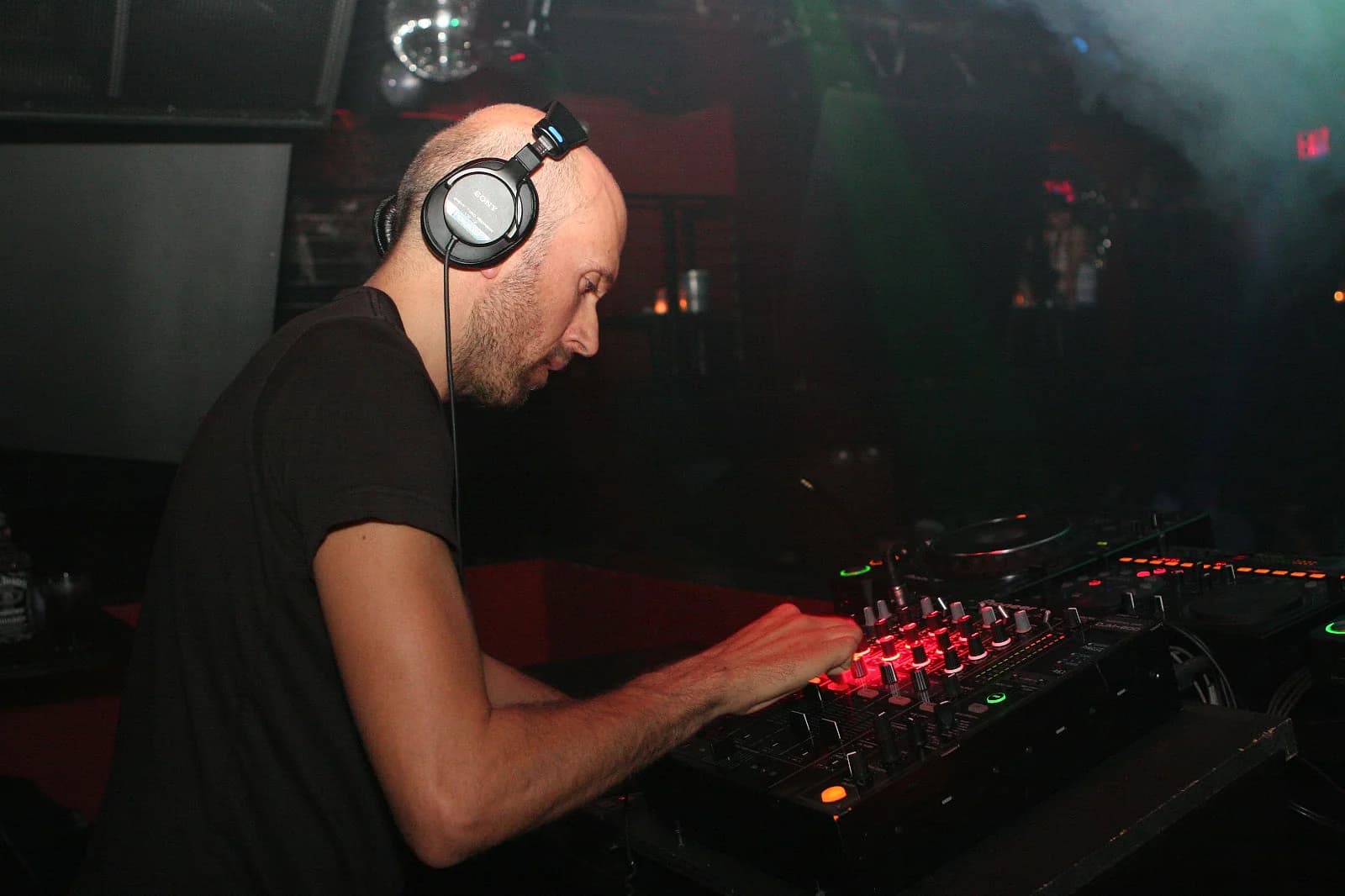
Organic House, Explained: Lee Burridge Invented It, and Savaya Bali Is the Closest Southeast Asia Gets
Organic house is deep house built from live percussion and kalimba, not drops. Lee Burridge invented it, barely tours Southeast Asia, and Savaya Bali's Sunday series is the closest the region gets.
Official link
In April 2025, Lee Burridge played Singapore for the first time in almost two decades. It was one Wednesday night at MDLR, tickets from $48, support from local DJs Aldrin and Raja Rani. No festival stage, no headline slot at a destination event. Just a modest club date for a DJ who built one of house music's most influential brands almost entirely outside the region he was playing in that night.
That brand is All Day I Dream, and the sound it popularized now has an official name: organic house. It took Beatport nine years to catalogue it, and Southeast Asia still has almost nowhere that books it as itself.
What Organic House Actually Sounds Like
Beatport only made "Organic House" an official genre tag in June 2020, years after the sound had already been forming on dancefloors at Burning Man and Lightning in a Bottle. The category exists, per Beatport's own framing, to catalogue house music that shares a set of traits previously scattered across looser labels like deep house and world music. Expect multi-layered percussion built from bongos and congas, atmospheric pads layered under real instruments like kalimba or violin, and a tempo that rarely rushes. There's no acid squelch, no electro snap. It's slower, more meditative, built for a set that runs for hours rather than one that peaks in twenty minutes.
Lee Burridge, Sébastien Léger, Oliver Koletzki and Roy Rosenfeld are the names Beatport and the genre's own press cite most often. All Day I Dream, Burridge's label and party brand, sits alongside Songuara and Café de Anatolia as the scene's defining imprints. WhoMadeWho took home the Organic House prize at the 2024 DJ Awards, by which point the sound had moved from niche desert ritual to an actual category with its own trophy.
The Man Who Started This
Burridge didn't arrive late to this sound, he built the room it plays in. He founded All Day I Dream in 2011 after a single rooftop party in Brooklyn, and spent the next decade turning it into a global, outdoor, daytime touring brand built around exactly the kind of set Beatport would eventually put a name to. He's also one of the defining voices of Robot Heart, the sound camp whose sunrise sets at Burning Man are treated as a pilgrimage by a specific kind of house music fan, the ones who will stand in desert dust for three hours to hear a slow build done right.
None of that history made its way to Southeast Asia on anything like a regular basis. The MDLR date was Burridge's first Singapore appearance in nearly two decades, not his first ever, which says plenty about how rarely this particular lane of house music tours this part of the world compared to the techno and tech house names who pass through every month.
Savaya's Sunday Series Is the Closest Thing the Region Has
If organic house has a Southeast Asian address, it's Savaya in Uluwatu, Bali, on a Sunday afternoon. The clifftop club runs People of the Sun every Sunday from 1pm, a format built explicitly around the transition from golden hour into night rather than a single peak-time headline slot. The 2026 roster running from July through December reads like a survey of the sound's wider neighborhood: Djeff, Stasi, GOODBOYS, Denis Sulta, Da Capo, Snakehips, Awen, Aaron Sevilla, Maesic, Topic, Alex Wann, Colyn, Nico De Andrea, Elvis Guetta, Gioli & Assia and Amémé.
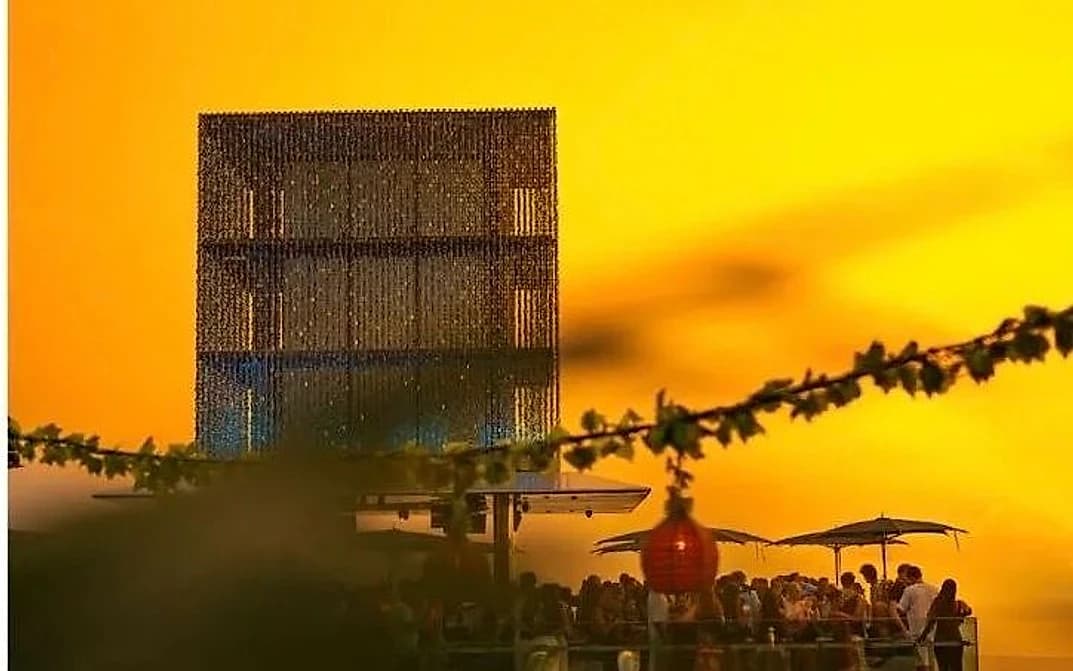
Worth being honest about what this is and isn't. Savaya doesn't market People of the Sun as "organic house," and most of that lineup wouldn't carry the Beatport tag either. Denis Sulta plays closer to tech house and disco, GOODBOYS sits in indie dance, Snakehips in R&B-leaning pop house. The closest actual fit is Da Capo, the South African deep house producer signed to Black Coffee's Soulistic Music since 2016, who plays the kind of warm, percussion-forward set that organic house grew out of. The series borrows the shape of an organic house party, the slow arc from sun to dark, without necessarily booking the genre by name. That's a fair description of most of what passes for this sound anywhere outside Ibiza and the Nevada desert: the format travels further than the label does.
Why the Label Barely Travels
Southeast Asia's promoters have shown they'll book a specific, hard-to-pronounce genre niche when the fit is obvious. Loopliner has already covered how the region fell for melodic techno through Argy, Anyma and Enrico Sangiuliano's recent run through Singapore and Malaysia, and how amapiano found exactly one weekly home at Jakarta's Vault. Organic house hasn't had its equivalent breakout moment yet. It's a slower sell for a promoter: the sets run long, the crowd skews smaller and more patient, and it competes for the same booking budget as hard techno and melodic techno, both of which move more tickets on a regional circuit still built around peak-time headliners.
That leaves the genre showing up in fragments rather than as its own scene: a rare Lee Burridge date in Singapore, a Sunday format at Savaya that leans the right direction without using the name, and not much else named directly. If you want to hear the real thing booked as itself, you're still better off searching All Day I Dream's own tour dates than any Southeast Asian club calendar.
FAQ
What is organic house music?
Organic house is a house subgenre built around acoustic and world instrumentation, like kalimba, congas and violin, layered under slow, atmospheric production. Beatport made it an official genre tag in June 2020, after years of the sound developing at festivals like Burning Man and Lightning in a Bottle.
Who invented organic house?
No single person invented it, but Lee Burridge is the genre's most-cited reference point. He founded All Day I Dream in 2011, and the label's daytime, slow-build parties became the template Beatport later catalogued under the organic house name.
Does Southeast Asia have an organic house scene?
Not a dedicated one. Lee Burridge played Singapore's MDLR in April 2025, his first regional date in nearly two decades. The closest ongoing fixture is Savaya Bali's weekly People of the Sun Sunday series, which shares the genre's golden-hour format without being booked or marketed as organic house.
What's the difference between organic house and afro house?
Both lean on percussion and a slower, warmer tempo than club-standard house, and the genres overlap in artists like Da Capo. Organic house leans further into acoustic and world instrumentation like kalimba and violin, while afro house keeps its rhythmic base closer to South African and West African percussion traditions.
Where can I hear organic house in Southeast Asia right now?
Savaya Bali's People of the Sun runs every Sunday from 1pm through December 2026, with a rotating lineup that includes Da Capo, Denis Sulta and GOODBOYS among others. It's the single most consistent booking in the region that approaches the sound, even without using the genre's name.
Cover photo: Lee Burridge at Pacha New York, 2006, by Peter Drier, CC BY 2.0, via Wikimedia Commons.
Read Next
How Door Policy Actually Works at Tuff Club, Savaya and Southeast Asia's Toughest Clubs

Inside Southeast Asia's Club Sound System Arms Race: KYO's Void Rig, Zouk Singapore's New L-Acoustics Install
Day Zero Bali 2026: Complete Festival Guide - Lineup, Tickets & Everything You Need
Stay in the loop
Asian electronic music, weekly