
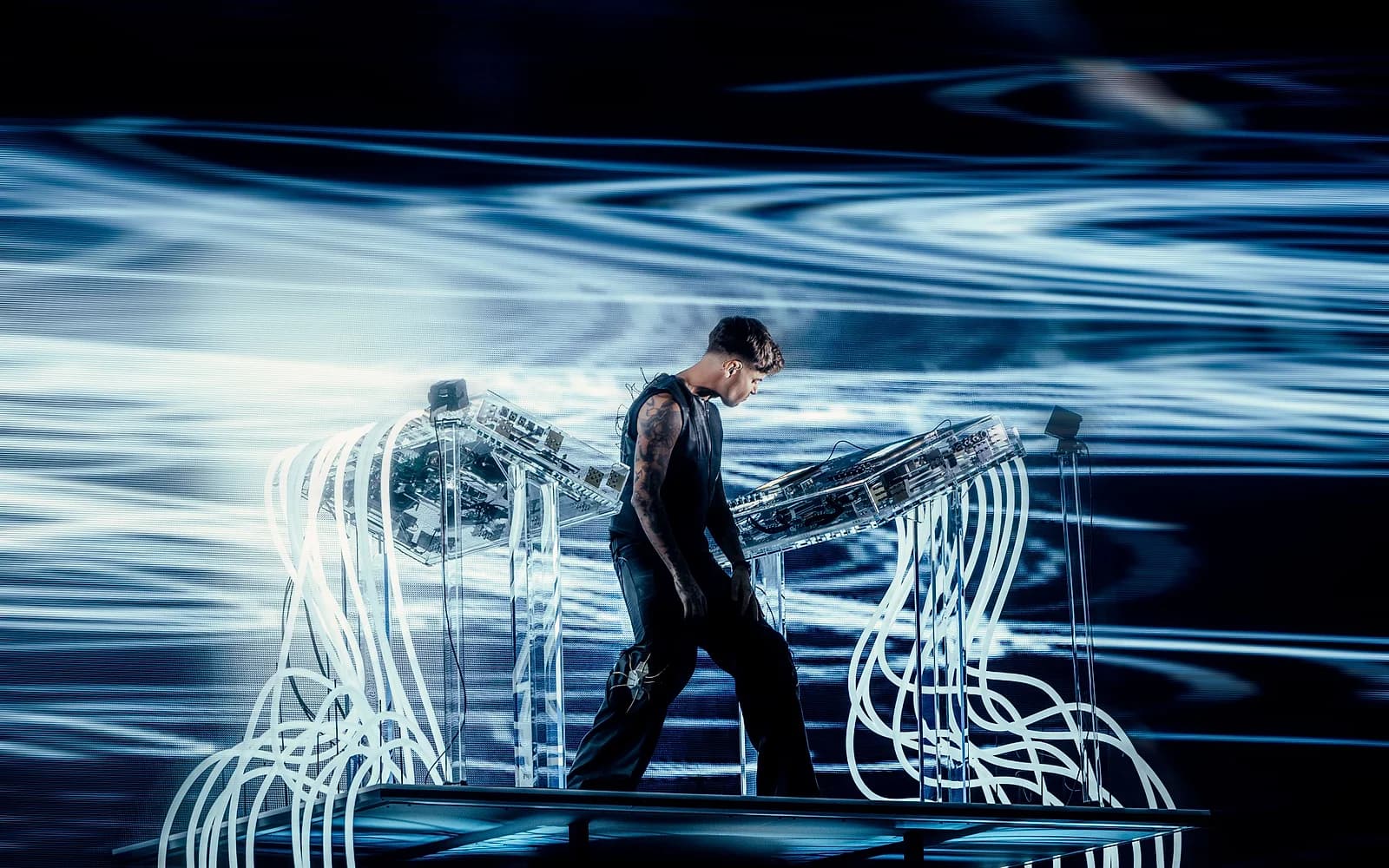
What Is Melodic Techno? Argy, Anyma and Enrico Sangiuliano Brought It to Southeast Asia
Three different melodic techno headliners played Singapore and Malaysia inside two weeks this fall. What the genre actually is, where it came from, and what Argy, Anyma and Enrico Sangiuliano's sets had in common.
Three different headline sets landed in Southeast Asia inside two weeks this fall, and none of them were techno the way the region usually books it. Enrico Sangiuliano opened Kuala Lumpur's Sunset by NEON on September 26. Argy took over Zouk Singapore's Mainroom on October 9. Anyma followed him into Marquee Singapore the next night. Ask three different promoters what connects those three nights and you'll get the same two words back each time: melodic techno.
It's a genre a lot of clubgoers have danced to without ever learning its name, and one that sounds nothing like the faster, industrial techno Bangkok's rooms have built a reputation on. What it actually is, where it came from, and what happened with it in Singapore and Malaysia, in order.
What Melodic Techno Actually Sounds Like
Melodic techno keeps techno's four-on-the-floor pulse but slows it down and dresses it up. Wikipedia's genre entry puts the tempo at 120 to 128 BPM, noticeably slower than the hard techno rooms the region's clubs have embraced, which push faster and harder throughout a night. The sound leans on deep basslines, stacked synth layers, sequenced arpeggios and heavy reverb and delay, usually written in minor scales, which is why so much of it reads as introspective or cinematic rather than aggressive. DJ sets built around it tend to favor long, gradual builds and harmonic mixing over the sudden drops that define more peak-time styles.
Argy put it more bluntly ahead of his Zouk Singapore date, describing his own sound as "hypnotic and mid-tempo" rather than the "trance-adjacent uplift the subgenre often collapses into." His pitch for the Mainroom: tracks built for long builds and minimal drops, the kind that work as well at 2 AM as on a festival mainstage.
Where the Sound Came From
The genre's roots go back further than its current popularity suggests. It took shape in Europe, particularly Germany, in the late 2000s and early 2010s, as labels like Kompakt and Innervisions pushed releases that married techno's rhythmic minimalism to more melodic, harmonic writing. Artists like Âme, Stephan Bodzin, Mind Against and Adriatique laid the groundwork, alongside a young Italian duo called Tale Of Us.
Tale Of Us, made up of Matteo Milleri and Carmine Conte, is where the genre went from a European underground current to a global festival brand. The pair launched the Afterlife label and event series in 2016, built around immersive audiovisual production and a futuristic visual language, and spent the second half of the 2010s turning melodic techno into one of the most recognizable sounds in dance music.
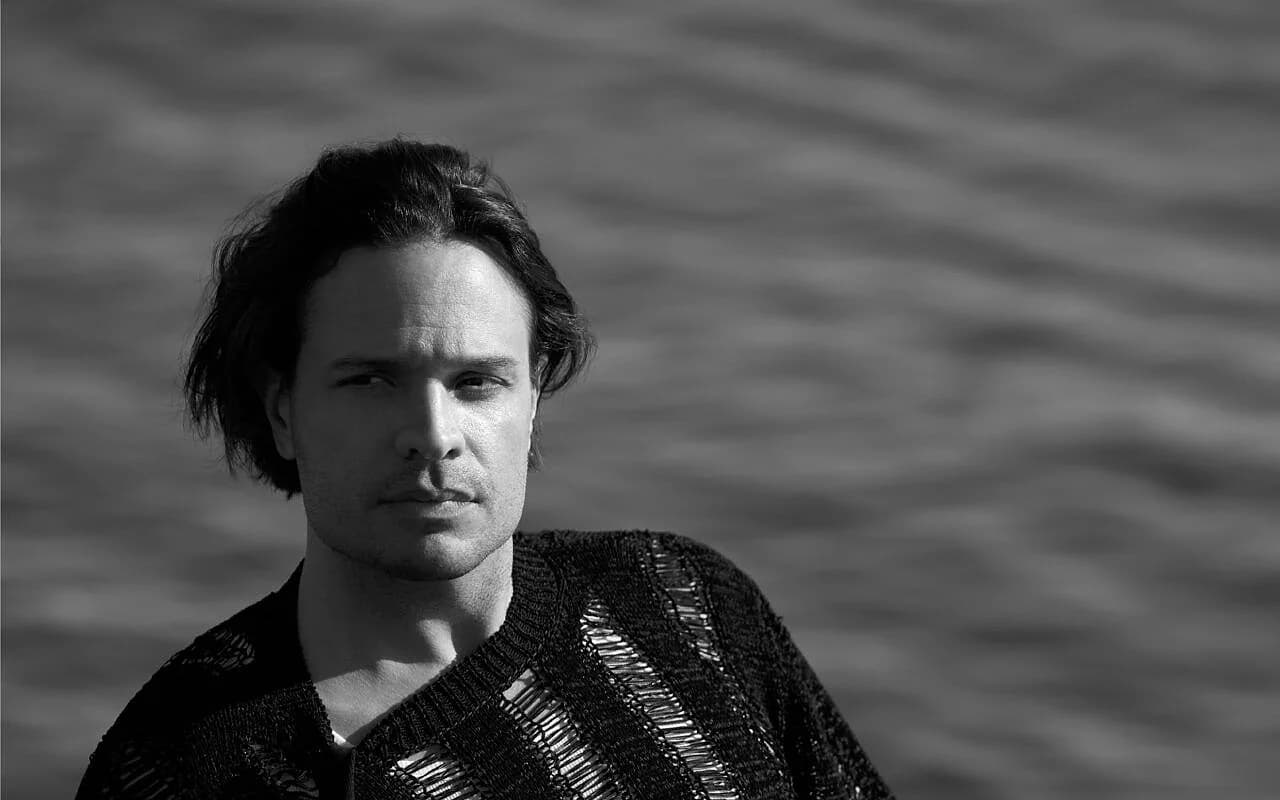
Anyma Took It From Ibiza to the Sphere
Anyma is Milleri's solo project outside Tale Of Us, and it's the project that's done the most to put melodic techno in front of people who've never set foot in a club. Over the winter of 2024 into 2025, Anyma became the first electronic artist to headline a residency at Las Vegas's Sphere, an eight-show run staged inside the venue's 360-degree screen.
On October 10, Anyma brought that same project to Marquee Singapore, booked alongside Martin Garrix and Diplo for the club's F1 race weekend lineup. It's a different scale of show than a sold-out Sphere residency, but it's the same project and the same sound showing up on a Singapore dancefloor less than two years later.
Argy's Case for Mid-Tempo
The night before, Argy played Zouk Singapore's Mainroom on the same race weekend calendar, a separate booking from a separate promoter. Zouk's framing was that the Mainroom shifts into "a darker gear" once Argy takes over, which tracks with how the genre actually behaves on a dancefloor: less about a single peak moment and more about a set that keeps building without resetting to zero. It's a style that rewards a crowd that's willing to stay put for ninety minutes instead of chasing the next room.
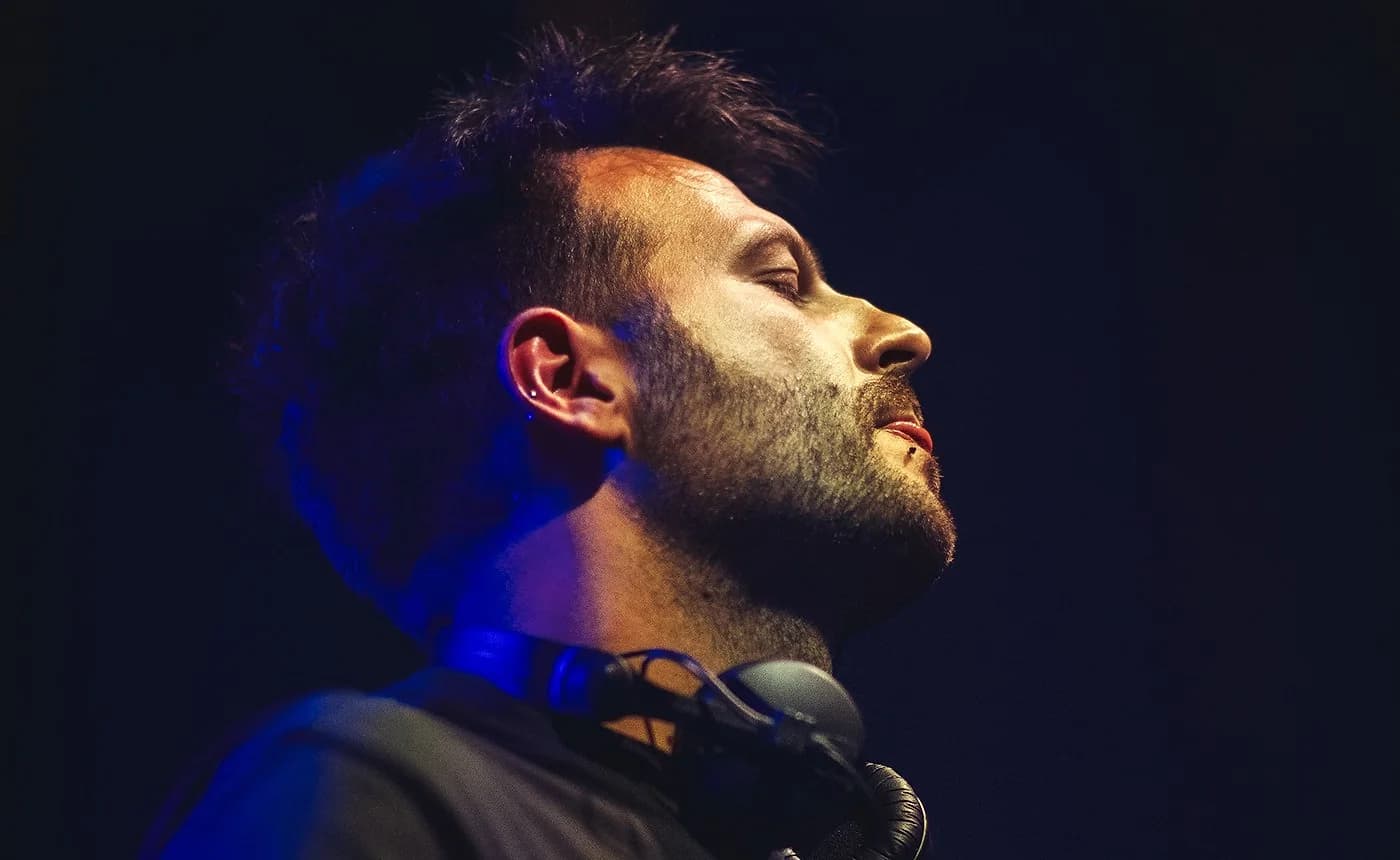
Enrico Sangiuliano's Malaysia Debut
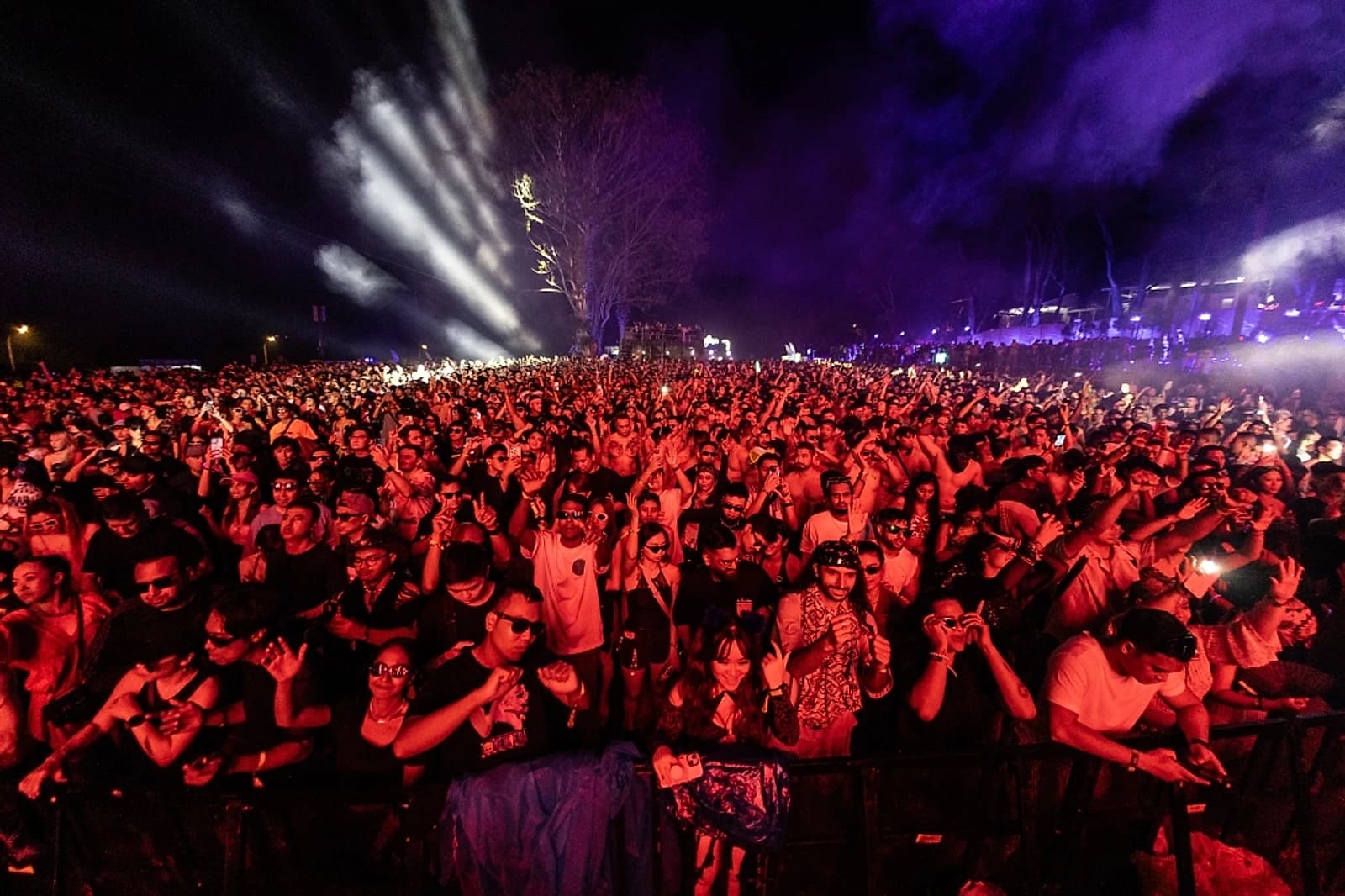
Two weeks earlier, Enrico Sangiuliano made his Malaysia debut headlining the opening night of Sunset by NEON's return to Genting Highlands. The festival pitched its own sound as sitting in "melodic and progressive territory" with "rolling techno bass," and Sangiuliano's own set was built on tension and release rather than peak-time drops, the same vocabulary Argy and Anyma's teams reached for independently a fortnight later. Three separate marketing teams reaching for the same words, a fortnight apart, says more about what the genre actually sounds like than any press release could on its own.
Melodic Techno vs. Hard Techno vs. Tech House
Southeast Asia's clubs already book plenty of techno, so it's worth being specific about where melodic techno sits next to the rest. Hard techno, the sound Bangkok rooms like Berlin BKK have built nights around, runs faster and leans on distortion and relentless, industrial peak-time energy; it wants a crowd moving immediately, not eased in. Tech house, the dominant sound at a lot of the region's beach clubs, is looped and groove-forward, closer to house music's swing, built for a sunset crowd rather than a 2 AM one. Melodic techno sits apart from both: slower than hard techno, more minor-key and atmospheric than tech house, and built around a set-long arc rather than a string of individual peaks.
Where to Actually Hear It in Southeast Asia Next
The honest gap is this: none of it is a resident night yet. Sangiuliano, Argy and Anyma were all touring stops booked by three different promoters in three different cities, not a recurring weekly or monthly fixture the way Bangkok's hard techno rooms or Jakarta's amapiano night have become. Southeast Asia doesn't have a venue that's built its identity around melodic techno specifically; what it has, right now, is three cities that each proved they can draw a crowd for it when a big enough name comes through. Whether that turns into an actual local scene, or stays a touring stop for Afterlife-adjacent names passing through on their way to bigger festivals elsewhere, isn't settled yet.
FAQ
What BPM is melodic techno?
Melodic techno typically sits between 120 and 128 BPM, slower than most mainstream club techno and well below the faster range hard techno runs at.
Who are the pioneers of melodic techno?
Âme, Stephan Bodzin, Mind Against, Adriatique and Tale Of Us shaped the genre in Europe in the late 2000s and early 2010s, building on labels like Kompakt and Innervisions.
What is Afterlife?
Afterlife is the record label and event series Tale Of Us, made up of Matteo Milleri and Carmine Conte, launched in 2016. It became the genre's biggest global brand through immersive audiovisual shows.
Who brought melodic techno to Southeast Asia recently?
Enrico Sangiuliano headlined Kuala Lumpur's Sunset by NEON on September 26, 2026. Argy played Zouk Singapore's Mainroom on October 9. Anyma played Marquee Singapore on October 10.
How is melodic techno different from hard techno?
Melodic techno is slower and built around harmonic progressions and long builds. Hard techno runs faster and leans on distortion and relentless peak-time energy.
Cover photo: Anyma performing during his Sphere residency in Las Vegas. ObAnyma, CC BY-SA 4.0, via Wikimedia Commons.
Read Next
Stay in the loop
Asian electronic music, weekly